An ancient statue, initially discarded by raiders, has captured the attention of scientists who now believe it represents a rare treasure due to its significant historical and archaeological value. This discovery highlights the potential value of artifacts often overlooked during looting activities, emphasizing the importance of careful examination and preservation of cultural heritage.
Discovery and Initial Discard
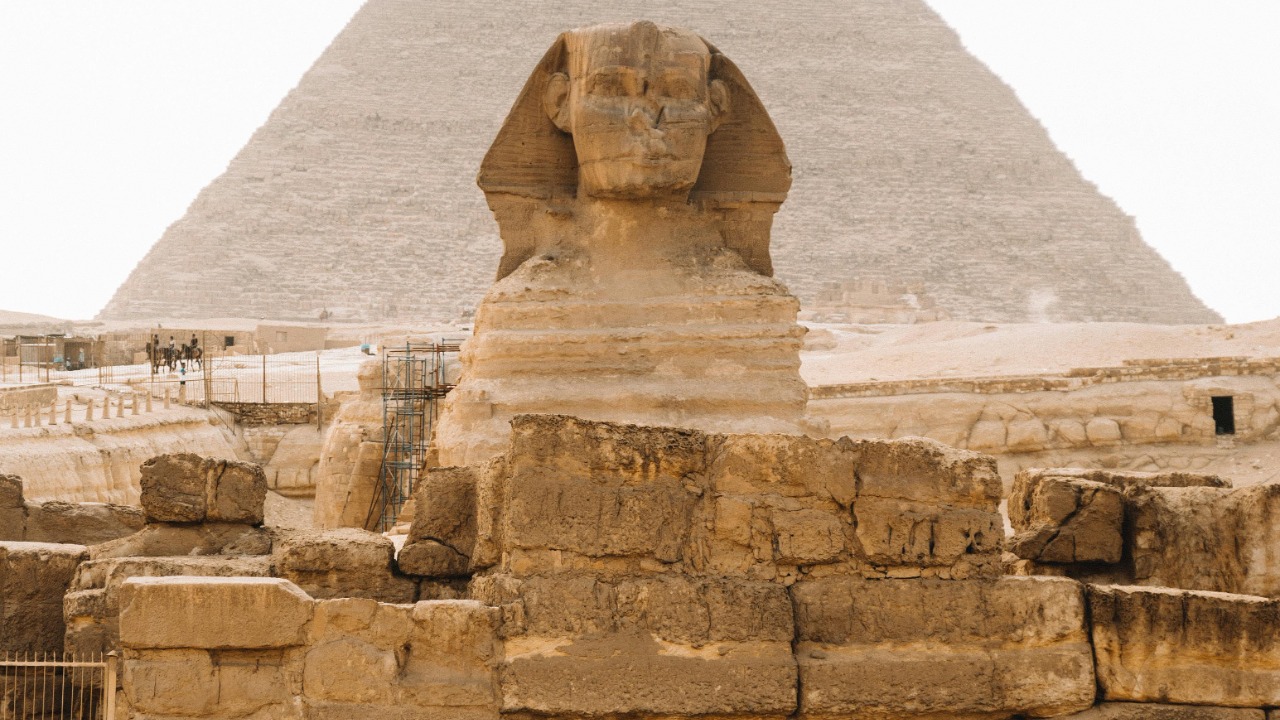
During a routine looting operation, raiders stumbled upon an ancient statue, which they subsequently discarded, deeming it of little value. The circumstances surrounding its abandonment highlight a common issue in looting activities, where items are often undervalued and left behind. This particular statue was found in a region known for its rich archaeological history, yet it was initially overlooked due to its unassuming appearance and the raiders’ focus on more immediately lucrative items.
The location where the statue was discarded plays a crucial role in understanding its significance. Found amidst other artifacts in a historically rich area, the statue’s initial neglect underscores the challenges faced in protecting cultural heritage sites from looting. The raiders’ oversight inadvertently preserved the statue, allowing scientists to later recognize its true value and potential historical significance.
Scientific Identification and Analysis
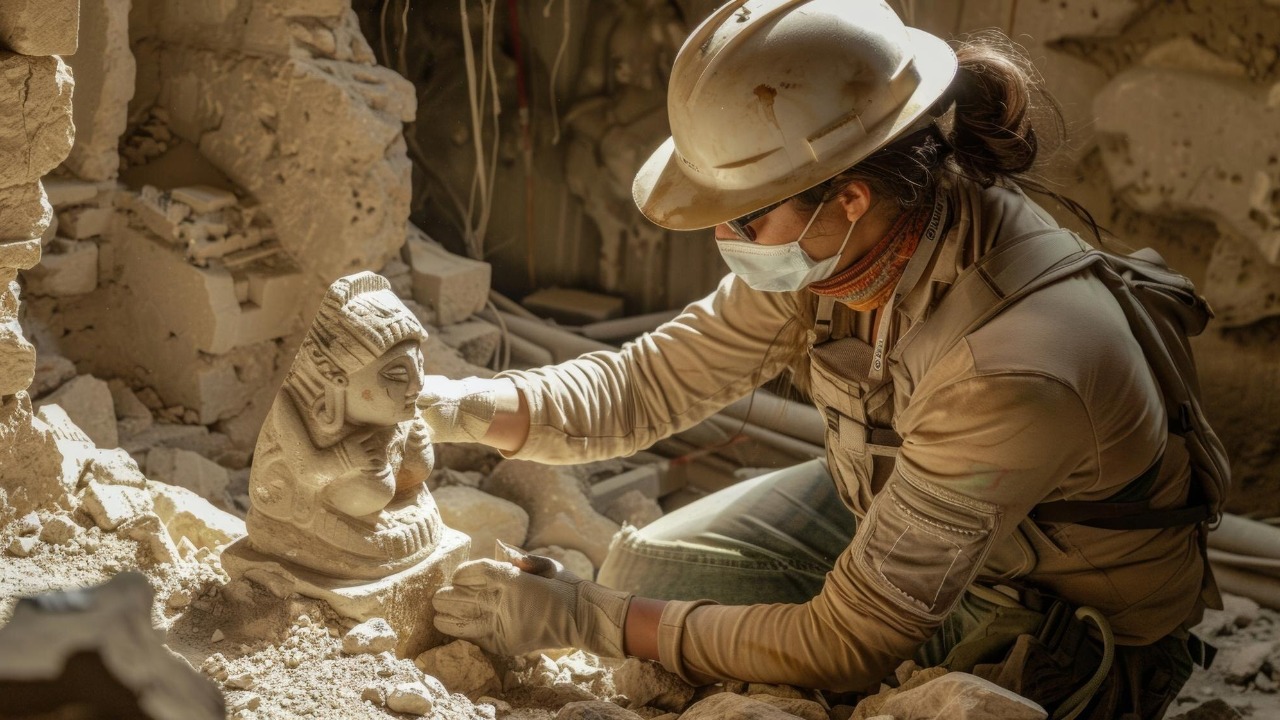
After the statue’s recovery, scientists embarked on a meticulous process to identify and analyze its origins. Through detailed examination, they recognized unique features that pointed to its ancient and valuable nature. The statue’s material composition, stylistic elements, and craftsmanship provided crucial evidence that led experts to classify it as a rare artifact from a bygone era.
Preliminary findings from the scientific examinations revealed that the statue possesses characteristics indicative of a specific ancient civilization. These features, combined with advanced dating techniques, helped establish its age and cultural context. The analysis not only confirmed the statue’s antiquity but also highlighted its potential connections to significant historical events or figures, further elevating its status as a rare treasure.
In addition to the initial identification, scientists employed a range of advanced technologies to further analyze the statue. Techniques such as X-ray fluorescence (XRF) and scanning electron microscopy (SEM) were utilized to determine the elemental composition and surface characteristics of the statue. These methods provided insights into the materials and techniques used by the ancient artisans, offering a deeper understanding of the technological capabilities of the civilization responsible for its creation.
Furthermore, isotopic analysis was conducted to trace the geographical origins of the materials used in the statue. This analysis suggested that the raw materials were sourced from regions known for their historical trade routes, indicating the civilization’s extensive trade networks and interactions with neighboring cultures. Such findings not only enhance the historical narrative surrounding the statue but also contribute to a broader understanding of ancient economic and cultural exchanges.
Historical and Cultural Significance
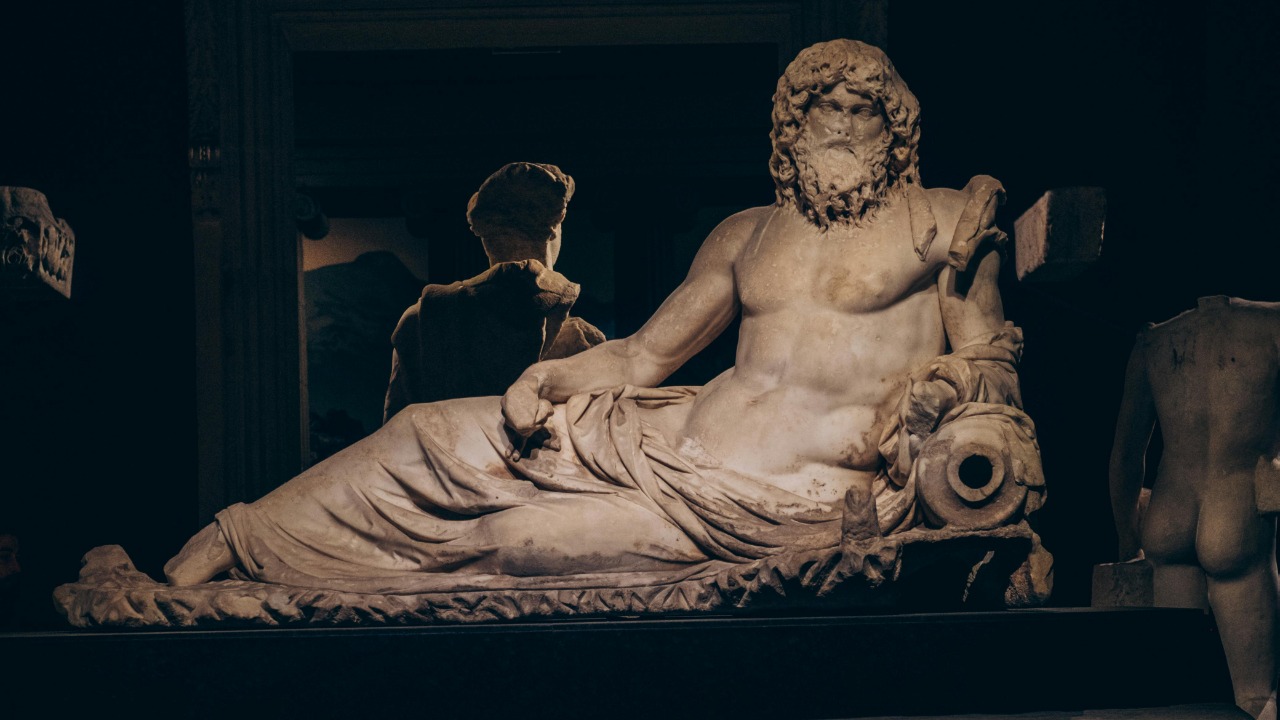
The statue’s potential origins are tied to ancient civilizations known for their artistic and cultural achievements. Based on scientific assessments, it is believed to be a representation of a deity or important historical figure, offering insights into the religious and social practices of the time. This connection to ancient cultures enhances its value and underscores its rarity among archaeological treasures.
In the broader context of archaeological discoveries, the statue stands out due to its unique features and the circumstances of its recovery. Its rarity is further emphasized by the fact that many similar artifacts have been lost or destroyed due to looting. The statue’s preservation offers a rare opportunity to study and understand the impacts of raiding on cultural heritage sites, highlighting the need for increased protection and awareness.
Reporting and Ongoing Research
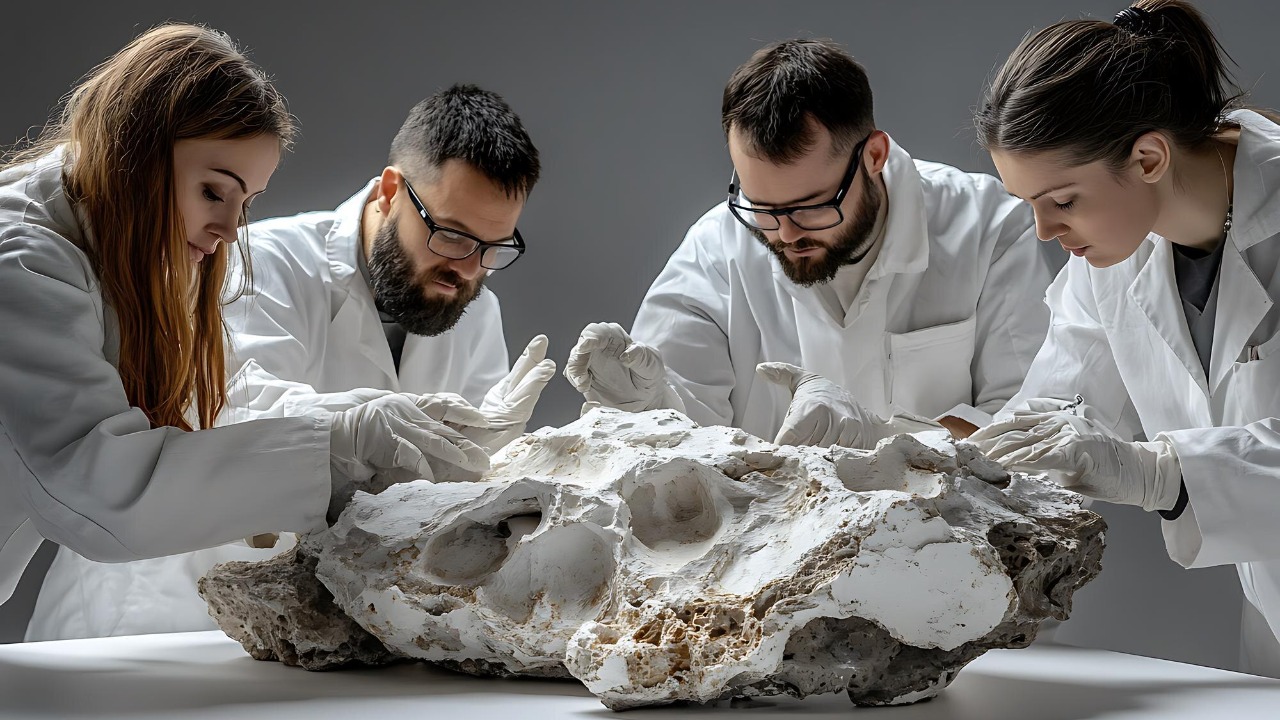
The initial public disclosure of this remarkable find was made on October 7, 2025, marking a significant moment in the ongoing efforts to preserve and study ancient artifacts. As reported by Popular Mechanics, the discovery has sparked plans for further scientific study and preservation efforts. These initiatives aim to uncover more about the statue’s origins and significance, ensuring its protection for future generations.
Ongoing research will focus on detailed analysis and conservation techniques to preserve the statue’s integrity. Scientists and archaeologists are collaborating to develop strategies that will not only safeguard this artifact but also enhance our understanding of the cultural and historical contexts from which it emerged. These efforts highlight the importance of interdisciplinary collaboration in the field of archaeology and the vital role it plays in preserving our shared heritage.
