As technology evolves at a breakneck pace, quantum sensors have begun to infiltrate next-generation smartphones. These cutting-edge components are set to redefine precision, opening a world of untapped potential.
Understanding Quantum Sensors

A quantum sensor is a type of device that uses quantum mechanics – the theory that explains how tiny particles like atoms and photons behave – to measure physical quantities. In simple terms, these sensors exploit the peculiar properties of quantum particles to gauge diverse aspects with unparalleled precision. Unlike traditional sensors that measure physical quantities by interacting with an environment, quantum sensors are designed to minimize interaction, thereby reducing inaccuracies.
When compared to traditional sensors, quantum sensors come up trumps in various aspects. For starters, they offer higher sensitivity and precision, even at low signal levels. This means they can detect changes that conventional sensors might miss. Additionally, quantum sensors are capable of measuring multiple parameters simultaneously, something ordinary sensors are typically not capable of. You can learn more about their working and benefits from this resource.
The Integration of Quantum Sensors in Smartphones

The integration of quantum sensors into smartphones is a complex process that involves a lot of technical expertise. These sensors are typically embedded into the phone’s hardware during the manufacturing process. However, incorporating quantum technology into a device as compact as a smartphone poses several challenges. The biggest hurdle is the need to maintain extremely low temperatures for the sensors to function optimally. Overcoming this obstacle requires innovative solutions, such as the development of room-temperature quantum devices.
Despite the challenges, companies are investing heavily in this technology, driven by the potential benefits. For instance, Samsung and Google are reportedly exploring the incorporation of quantum sensors into their future smartphone models. Their goal is to enhance the accuracy and speed of data processing, thus providing a superior user experience.
Impact on Precision and Performance
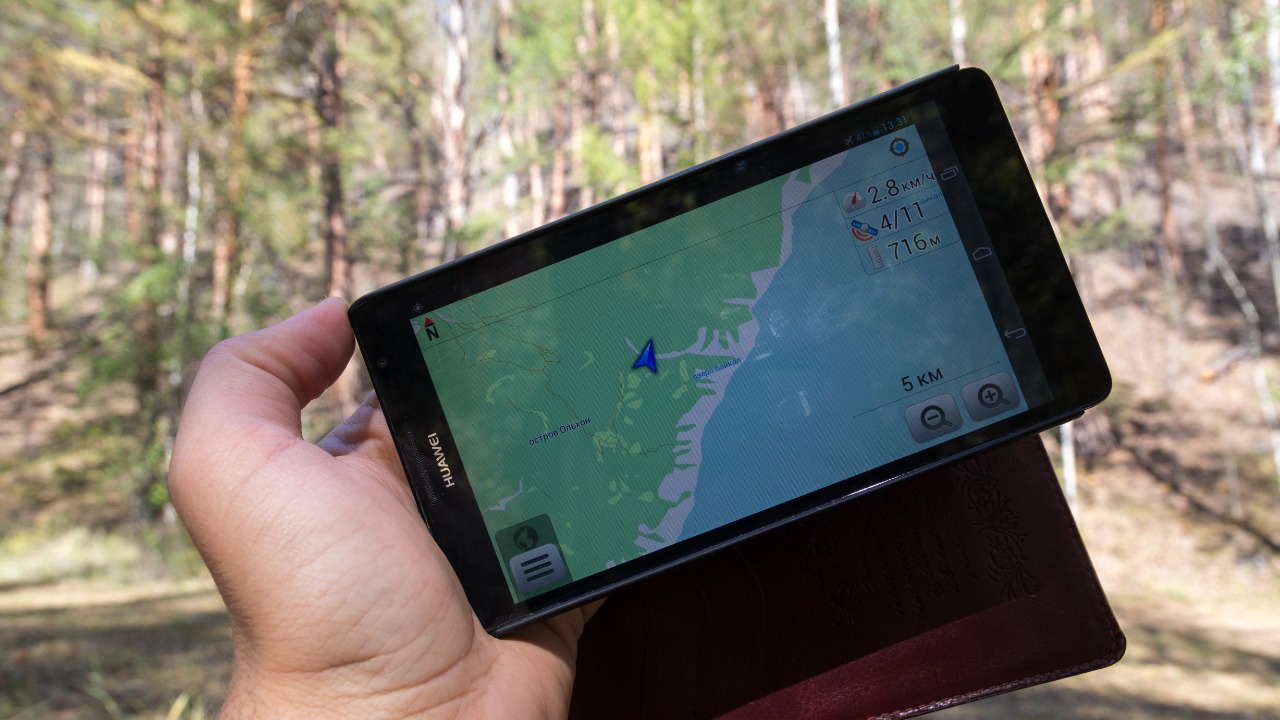
Quantum sensors are poised to bring a significant boost in precision and performance to next-gen smartphones. By leveraging quantum mechanics, these sensors can detect minute changes in environmental parameters with exceptional accuracy. This vastly improves the precision of measurements, leading to more accurate data processing and enhanced performance of various applications.
Take, for example, the case of GPS navigation. Quantum sensors can detect tiny variations in gravitational fields, which allows them to pinpoint a device’s location with far greater accuracy than traditional GPS. This can lead to improved navigation apps, making them particularly useful in areas where GPS signals are weak or non-existent. A study exploring these possibilities provides more insights.
Applications of Quantum Sensors in Next-gen Phones

The introduction of quantum sensors in smartphones opens the door to a plethora of new applications. For instance, healthcare apps could leverage the exceptional precision of quantum sensors to monitor vital signs, potentially leading to more accurate diagnoses and treatments. Similarly, augmented reality apps could benefit from the enhanced data accuracy, offering a more immersive and realistic experience.
Looking ahead, quantum sensors could unlock even more exciting possibilities. For example, they could enable more precise indoor navigation, a feature that has long been a challenge due to the limitations of traditional GPS. Furthermore, they could lead to the development of new security features, such as quantum-based encryption for improved data protection. This article offers more insights into the potential applications of quantum sensors in next-gen phones.
Role of Quantum Sensors in Advanced Defense Platforms
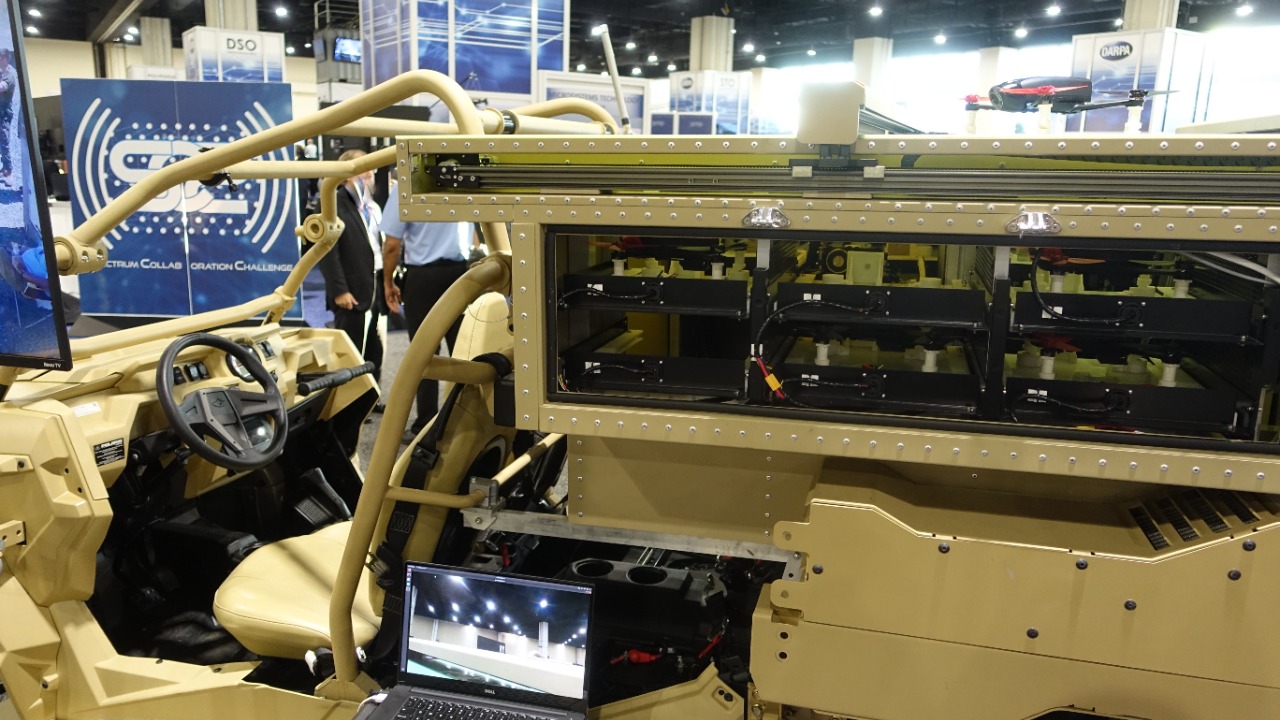
The potential of quantum sensors extends beyond smartphones and into the realm of defense and security. For instance, the Defense Advanced Research Projects Agency (DARPA) has selected Q-CTRL, a leading quantum technology company, to develop next-generation quantum sensors for navigation on advanced defense platforms. The aim is to leverage the high precision of quantum sensors to enhance navigation capabilities, especially in GPS-denied environments.
This partnership underscores the significant potential of quantum sensors in revolutionizing defense measures. By providing more accurate data, these sensors could contribute to the development of more efficient and effective defense platforms. More details about this initiative can be found in this press release.
Future Prospects of Quantum Sensors in Mobile Technology

The future of quantum sensors in the smartphone industry looks promising, but it’s not without hurdles. The main challenge lies in the cost and complexity of quantum technology, which could slow down widespread adoption. However, as research progresses and the technology matures, these barriers are likely to diminish.
Looking ahead, quantum sensors are poised to become a key component of next-gen smartphones, driven by their potential to significantly enhance precision and performance. The future might see even more innovative applications, from quantum-secured communication to advanced health monitoring, transforming our smartphones into truly smart devices. To understand this future better, this book provides a comprehensive overview of the advancements in quantum sensor technology.
