Recent research has uncovered that superconductivity can cause significant distortions in the crystal lattice of topological quantum materials, challenging previous assumptions about their structural integrity under superconducting conditions. This distortion, observed through advanced imaging techniques in materials like those studied in kagome lattices, highlights how electron pairing affects atomic arrangements. The phenomenon underscores potential pathways for engineering novel electronic properties, offering new insights into quantum material behaviors.
Understanding Superconductivity Basics
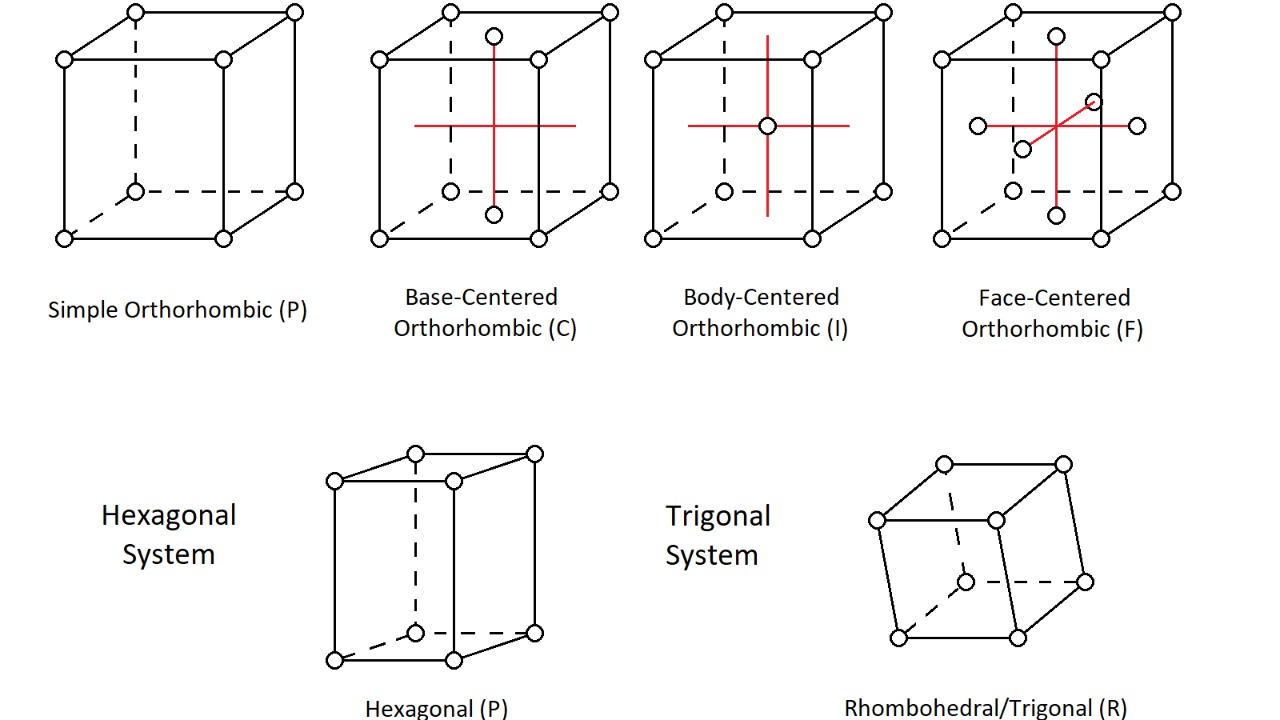
Superconductivity is a fascinating state of matter characterized by zero electrical resistance and the expulsion of magnetic fields, known as the Meissner effect. These properties emerge when certain materials are cooled below a critical temperature, allowing them to conduct electricity without energy loss. In quantum materials, superconductivity is particularly intriguing due to the complex interactions between electrons and the crystal lattice. According to a study published by the American Chemical Society, these interactions are crucial for understanding the unique properties of superconductors [source].
Central to superconductivity is the formation of Cooper pairs, where electrons pair up and move through the lattice without scattering. This pairing influences lattice vibrations, setting the stage for distortion effects in topological systems. Research published in ScienceDirect highlights how these interactions can lead to changes in the lattice structure, affecting the material’s overall properties [source]. Experimental evidence from low-temperature measurements further supports this, showing that lattice parameters can change significantly in superconducting states, as detailed in a study from Frontiers in Electronic Materials [source].
Topological Quantum Materials Overview
Topological quantum materials are a class of materials that exhibit unique electronic properties due to their topological nature. These materials are defined by their protected edge states and bulk-boundary correspondence, which allow them to conduct electricity along their surfaces while remaining insulating in their bulk. Examples include Weyl semimetals, which have been extensively studied for their potential applications in quantum computing and other advanced technologies [source].
Symmetry plays a crucial role in these materials, as topological invariants remain robust despite structural perturbations. This robustness is a key feature that makes topological quantum materials attractive for various applications. The kagome lattice structures, such as those found in AV3Sb5, are particularly interesting due to their flat bands, which contribute to unconventional superconductivity. These structures offer a platform for exploring new quantum phenomena and potential technological advancements [source].
Mechanisms of Lattice Distortion
The coupling between electrons and the lattice in superconductors can lead to phonon softening and lattice expansion during the superconducting transition. This electron-lattice coupling is a key mechanism behind the observed distortions in topological quantum materials. According to a report on Phys.org, these distortions can manifest as elongation along specific crystallographic axes, as revealed by X-ray diffraction data [source].
Theoretical models, including density functional theory simulations, predict that these distortions can result in strain magnitudes of up to 1-2%. Such predictions are crucial for understanding the extent of lattice changes and their implications for material properties. A study published in Nature Communications provides insights into these theoretical models, highlighting the potential for significant structural changes in topological superconductors [source].
Implications for Quantum Technologies
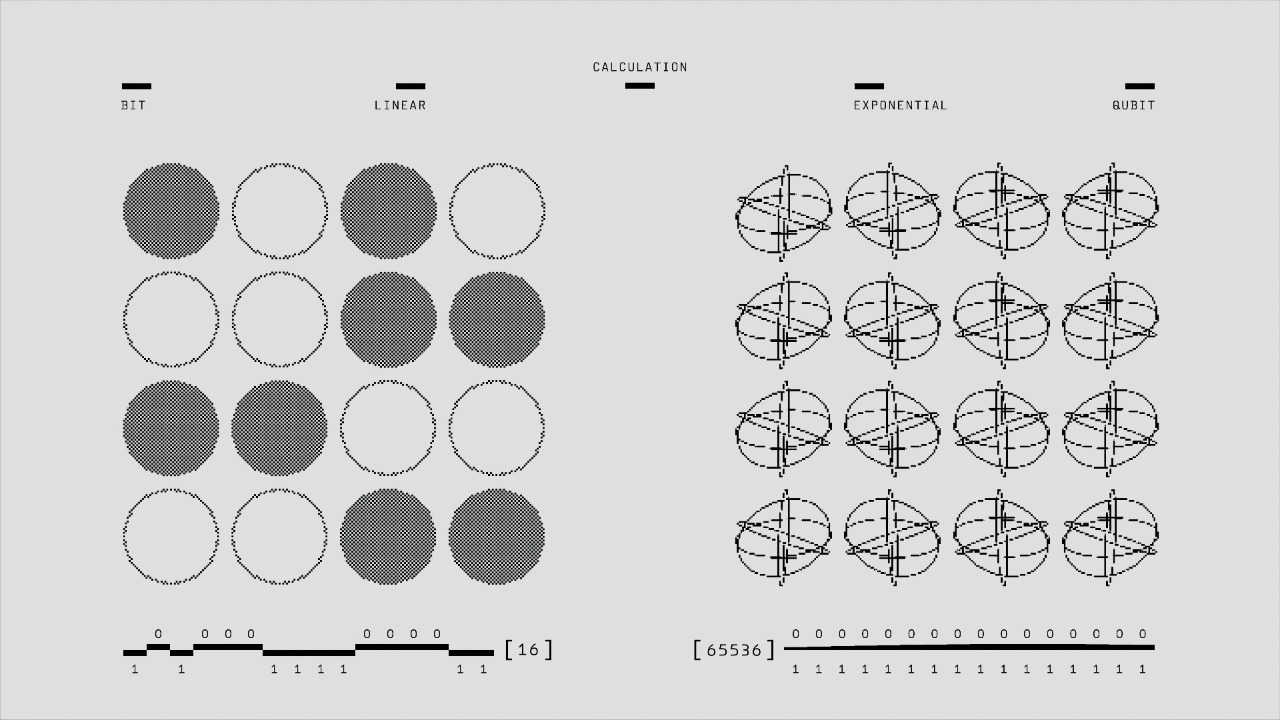
The lattice distortions observed in topological quantum materials have significant implications for quantum technologies. These distortions could enhance topological protection, potentially stabilizing Majorana modes, which are essential for quantum computing applications. The ability to control and manipulate these distortions could lead to more robust and efficient quantum devices [source].
However, challenges remain in material synthesis, particularly in developing doping strategies to control distortion levels in compounds like FeSe or related topological insulators. These challenges must be addressed to fully realize the potential of topological quantum materials in practical applications. Furthermore, the integration of these materials into devices, such as topological Josephson junctions, could improve coherence times and overall device performance, as noted in the Phys.org report [source].
