While the world is still grappling with the implications of 5G, Qualcomm is already setting its sights on the future. The tech giant has announced that it is preparing for the next generation of cellular technology, 6G, which it predicts will be ready by 2028. This bold prediction comes amidst Qualcomm’s ongoing efforts to outperform Intel with their Snapdragon X2 Elite CPU.
Qualcomm’s Vision for 6G

Qualcomm’s announcement about the arrival of 6G by 2028 has sent ripples through the tech industry. While details about the technology are still under wraps, the implications of 6G on the future of mobile and wireless technology are immense. The advent of 6G is expected to revolutionize the way we interact with technology, offering unprecedented speeds and connectivity.
6G is anticipated to be a game-changer, not just for individual users, but for industries and economies as a whole. It could potentially usher in a new era of technological advancements, enabling innovations that are currently beyond our imagination. However, it’s important to note that the transition to 6G will not be without its challenges, and the tech industry will need to prepare for the significant infrastructural and regulatory changes that it will bring.
Qualcomm’s Competition with Intel
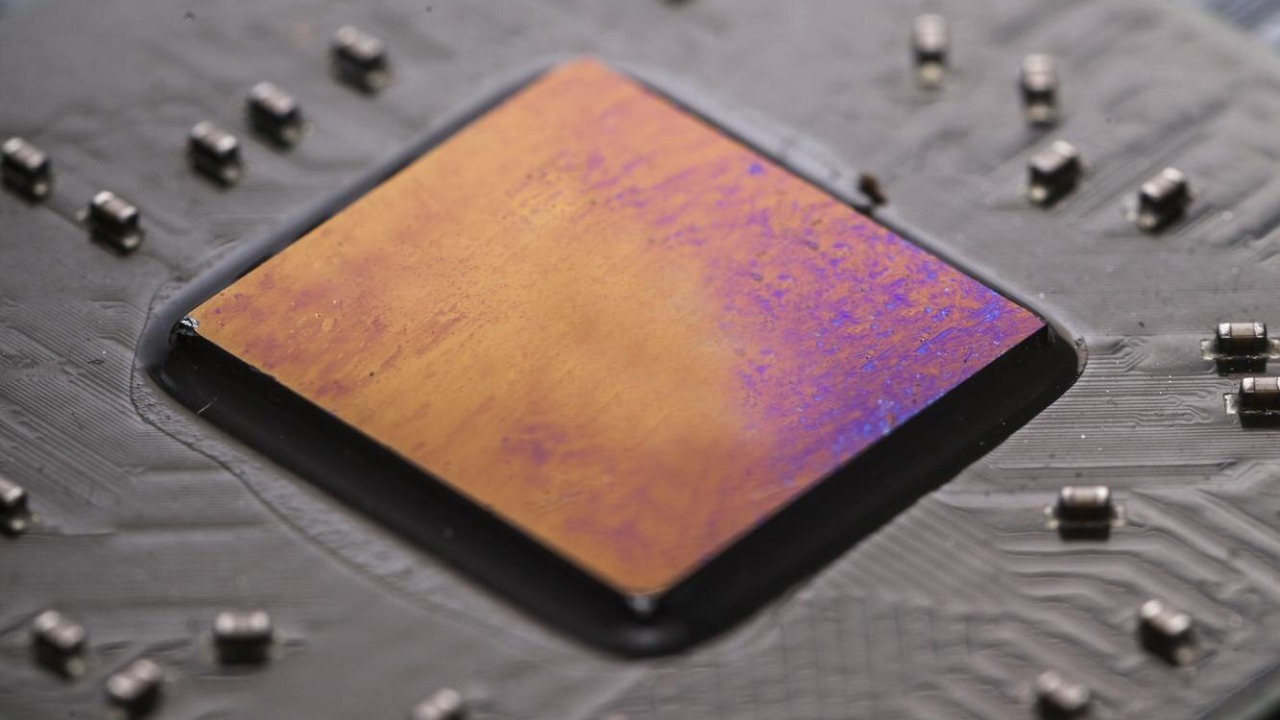
While Qualcomm is looking towards the future with 6G, it is also making waves in the present with its Snapdragon X2 Elite CPU. The company is attempting to surpass Intel in the CPU market, a move that could have significant implications for the broader tech industry. Qualcomm’s Snapdragon X2 Elite CPU is being hailed as a potential game-changer, with the potential to redefine performance standards in the industry.
The competition between Qualcomm and Intel is not just about market dominance, but also about shaping the future of technology. The advancements made by these tech giants will have far-reaching implications, influencing everything from consumer electronics to enterprise solutions. The outcome of this competition could very well determine the direction in which the tech industry moves in the coming years.
Concerns in the Tech Industry
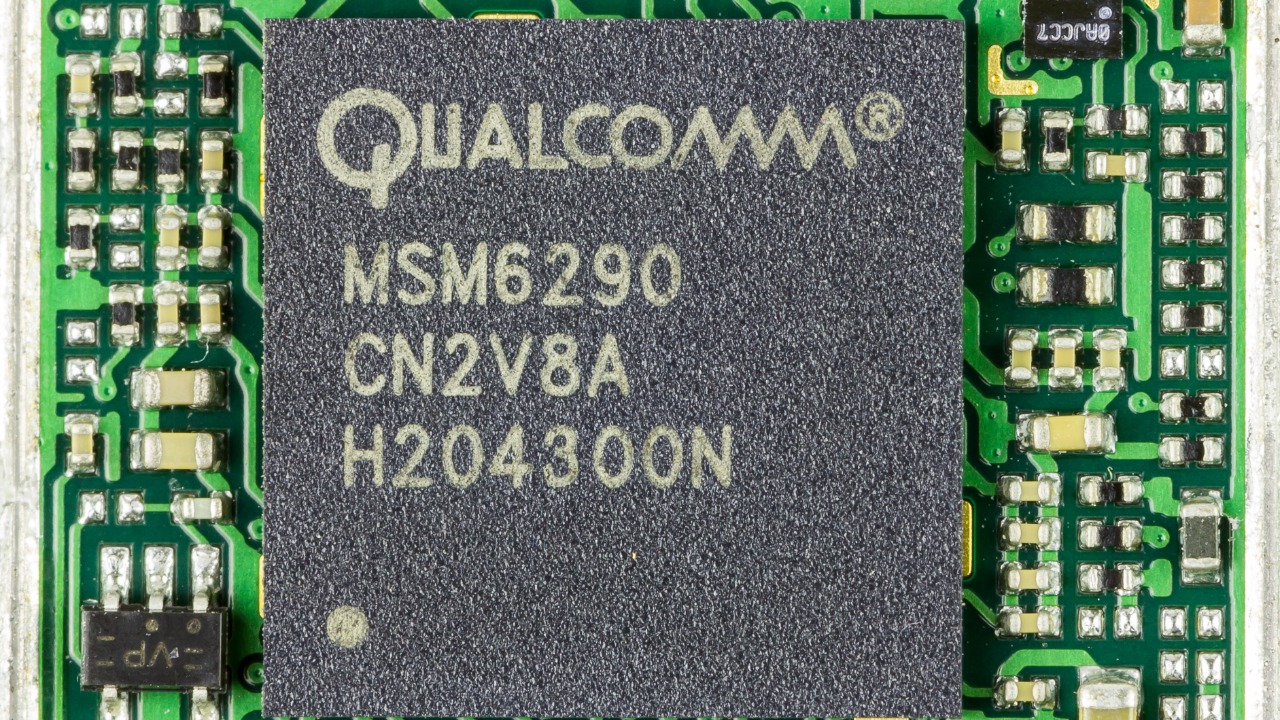
While the tech industry is abuzz with the promise of 6G and the competition between Qualcomm and Intel, there are also concerns being raised. Deutsche Bank has issued a warning about a potential AI bubble, cautioning that the rapid advancements in AI could lead to an unsustainable bubble that could burst with significant consequences.
Furthermore, as technology continues to evolve at a rapid pace, there are calls for Android to reconnect with its roots. As Android moves towards becoming a PC, there is a need for it to remember its roots and maintain its unique identity. This is particularly important in the context of rapid technological advancements, where the line between different platforms is becoming increasingly blurred.
