Recent discoveries of ancient writings have unveiled fascinating insights into the lives and labor of the builders of the Egyptian pyramids. These historical records, including papyri and inscriptions, shed light on the organization, logistics, and daily lives of the workers who constructed these monumental structures.
By examining these sources, we can better understand the human effort and ingenuity that went into creating some of the world’s most iconic monuments.
The Discovery of Ancient Texts
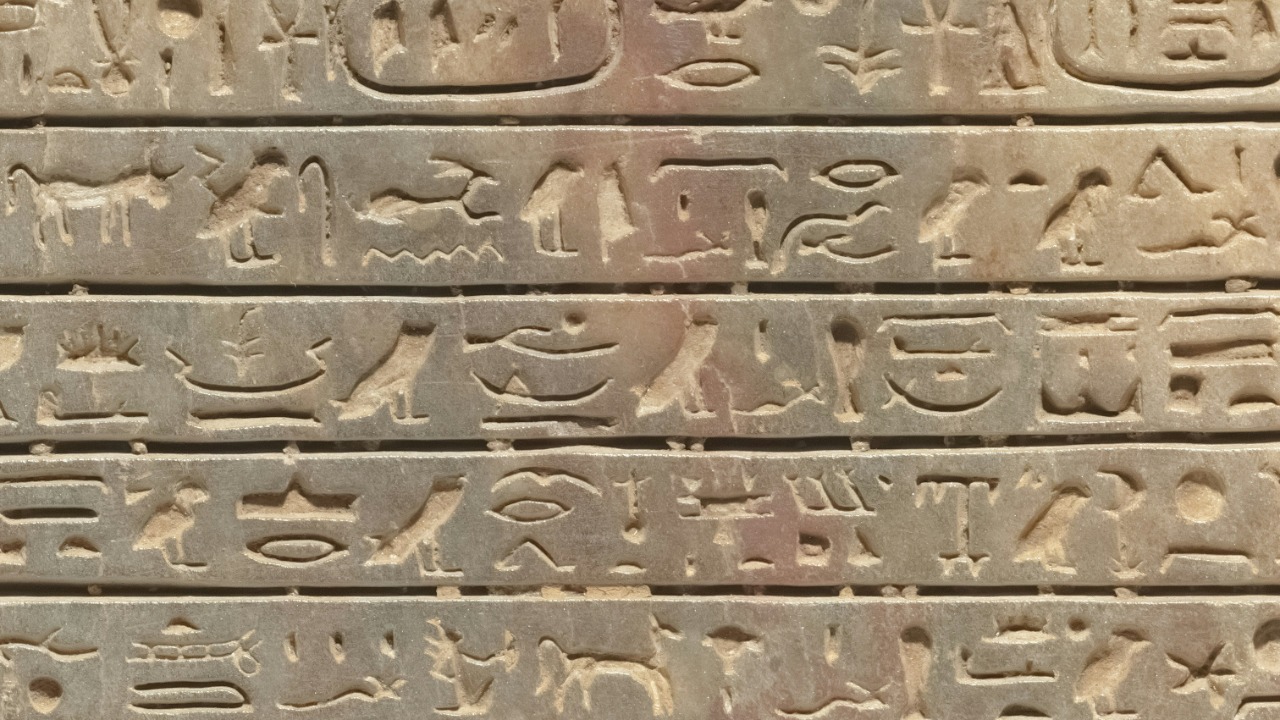
The recent archaeological discoveries of papyri and inscriptions provide a fresh perspective on pyramid construction. These findings, unearthed in various locations across Egypt, offer new understanding into how the pyramids were built, including details about the workforce and logistics. Notably, the oldest papyri ever found in Egypt, known as the Diary of Merer, detail the transportation of limestone blocks from Tura to Giza for the Great Pyramid of Khufu.
These texts were found in diverse environments, from the humid conditions near the Nile to the arid deserts. Such varied conditions posed significant challenges for preservation over the centuries. The discovery sites, including ancient port cities and worker settlements, required meticulous excavation to ensure the papyri survived intact. The conditions under which these texts were preserved highlight the remarkable efforts needed to maintain them through time.
The significance of these texts lies in their ability to paint a vivid picture of ancient Egyptian civilization. They reveal not only the logistical feats of pyramid construction but also offer insights into daily life and social organization. By studying these documents, historians and archaeologists gain a deeper understanding of the monumental effort required to build these iconic structures.
Who Were the Pyramid Builders?
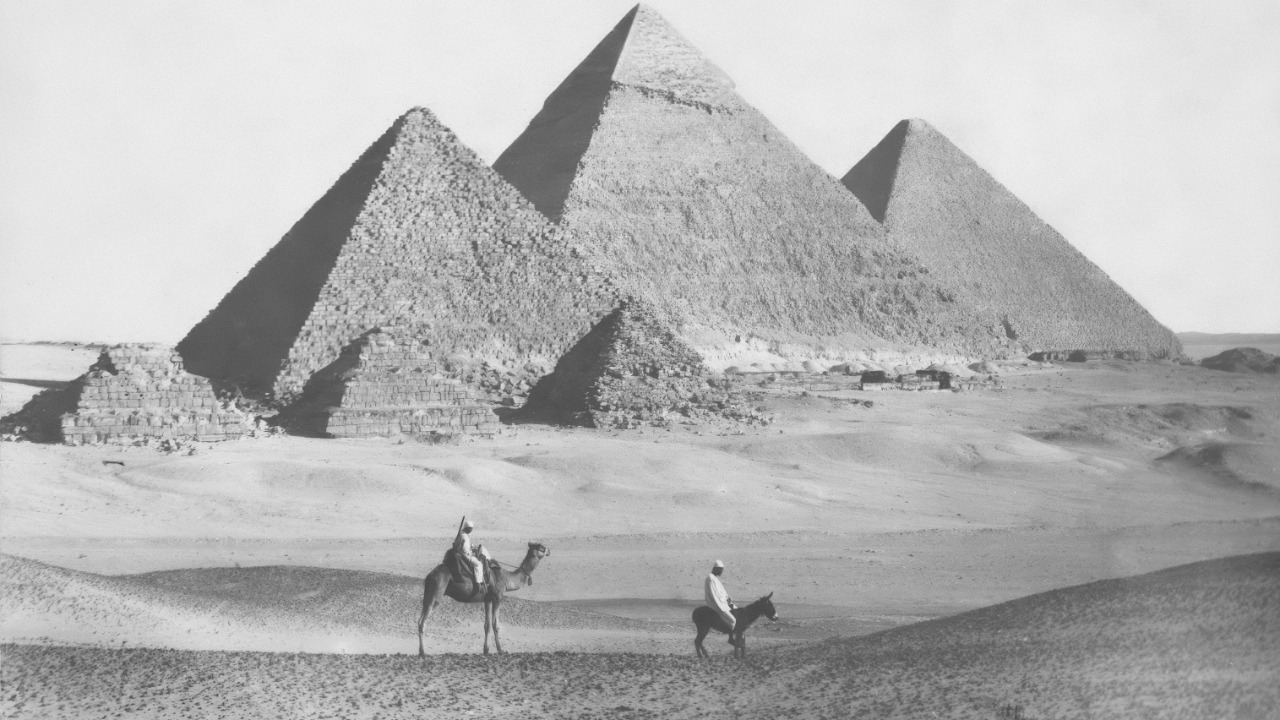
The social structure of the pyramid builders was complex and hierarchical. The workforce comprised various roles, from laborers to skilled craftsmen, each contributing crucial skills to the construction process. The detailed records suggest a well-organized system where workers were managed by overseers and divided into crews to optimize efficiency. These roles were essential to maintaining the smooth operation of such a grand endeavor.
Insights into the daily life of a pyramid builder have been gleaned from the ancient texts. Workers were provided with food, housing, and medical care, indicating a level of welfare provision by the state. Their diets consisted mainly of bread, beer, and occasionally meat, reflecting the staple foods of ancient Egyptian society. These details, found in the papyri, offer a rare glimpse into the routines and realities of life for those who built the pyramids.
The origins of the workforce were diverse, drawing from local populations and possibly from neighboring regions. Recruitment was likely a well-coordinated effort, requiring significant organization to assemble such a large labor force. The discovery of records detailing worker origins suggests a sophisticated system of labor management in ancient Egypt.
The Logistics of Pyramid Construction
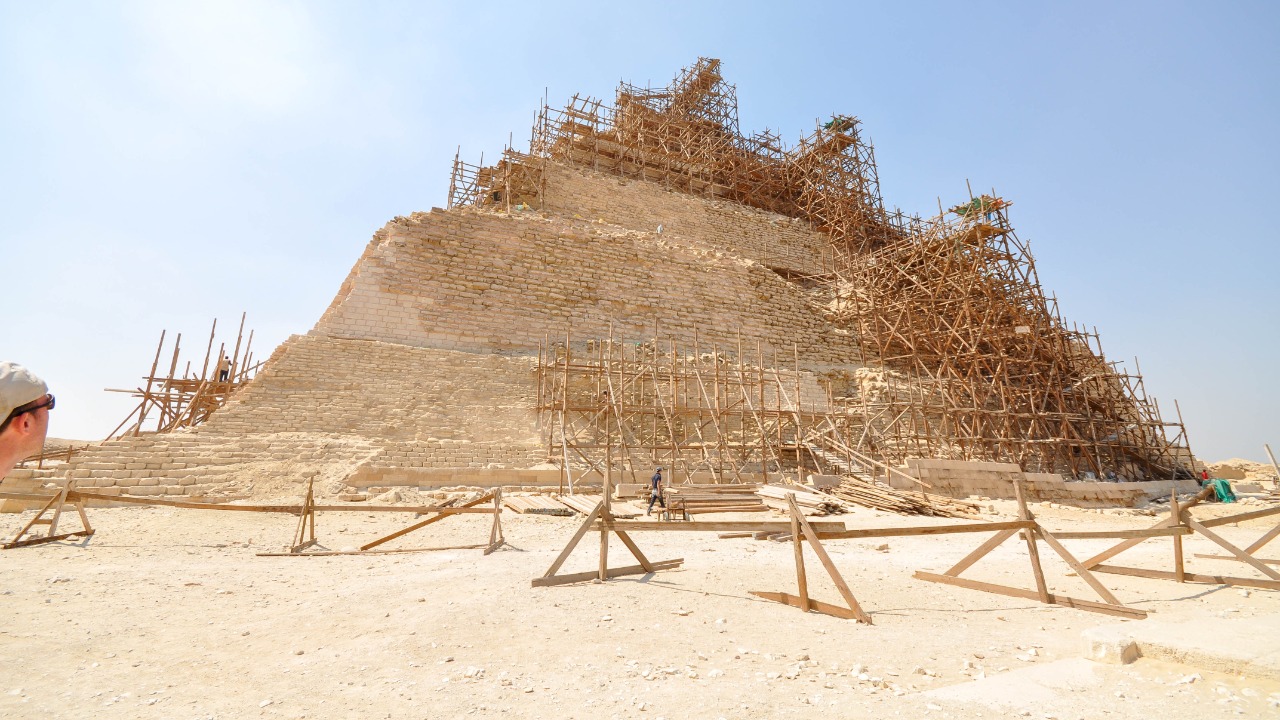
The planning and organization required for pyramid construction were monumental. The ancient Egyptians had to manage a massive labor force, coordinate the transportation of materials, and ensure the timely completion of each phase of construction. The papyri reveal details about how the workforce was organized into groups, each with specific tasks, highlighting the managerial acumen of the ancient builders.
Material sourcing and transportation were critical components of the construction process. Stones were quarried from sites like Tura and transported via the Nile River to Giza. This logistical feat was achieved through a combination of manpower and innovative engineering techniques, as documented in the ancient texts. The efficient movement of materials was a testament to the Egyptians’ ability to overcome logistical challenges.
Innovations and techniques used in pyramid construction were at the forefront of ancient engineering. The use of ramps, levers, and other tools facilitated the movement and placement of massive stone blocks. These engineering solutions, detailed in historical records, showcase the ingenuity and technical prowess of the pyramid builders. The discoveries continue to inform our understanding of ancient construction methodologies.
Cultural and Religious Significance
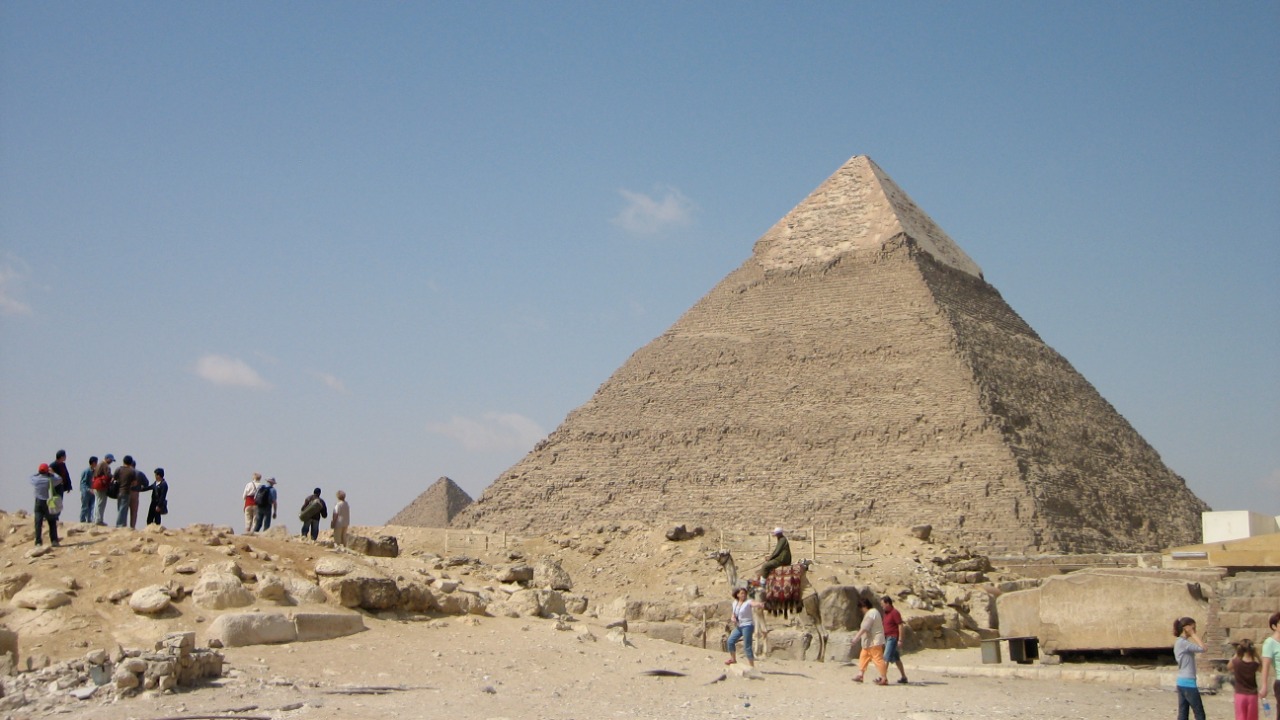
The construction of the pyramids was deeply rooted in religious beliefs. They served as elaborate tombs for pharaohs, meant to ensure their safe passage to the afterlife. The religious motivations behind these structures are evident in their design and the inscriptions that adorn them, reflecting the spiritual significance attributed to these monumental edifices.
Symbolism and design played crucial roles in pyramid construction. The shape of the pyramid, representing the primordial mound from which life emerged, held deep symbolic meaning. The orientation and dimensions of the pyramids were meticulously planned to align with celestial bodies, further emphasizing their spiritual and religious importance.
The pyramids also reinforced Egyptian cultural identity. They were not just architectural feats but symbols of the state’s power and the divine nature of the pharaohs. The construction and existence of the pyramids served to strengthen the cultural cohesion and identity of ancient Egypt, highlighting the civilization’s achievements and its reverence for the afterlife.
Modern Implications and Lessons
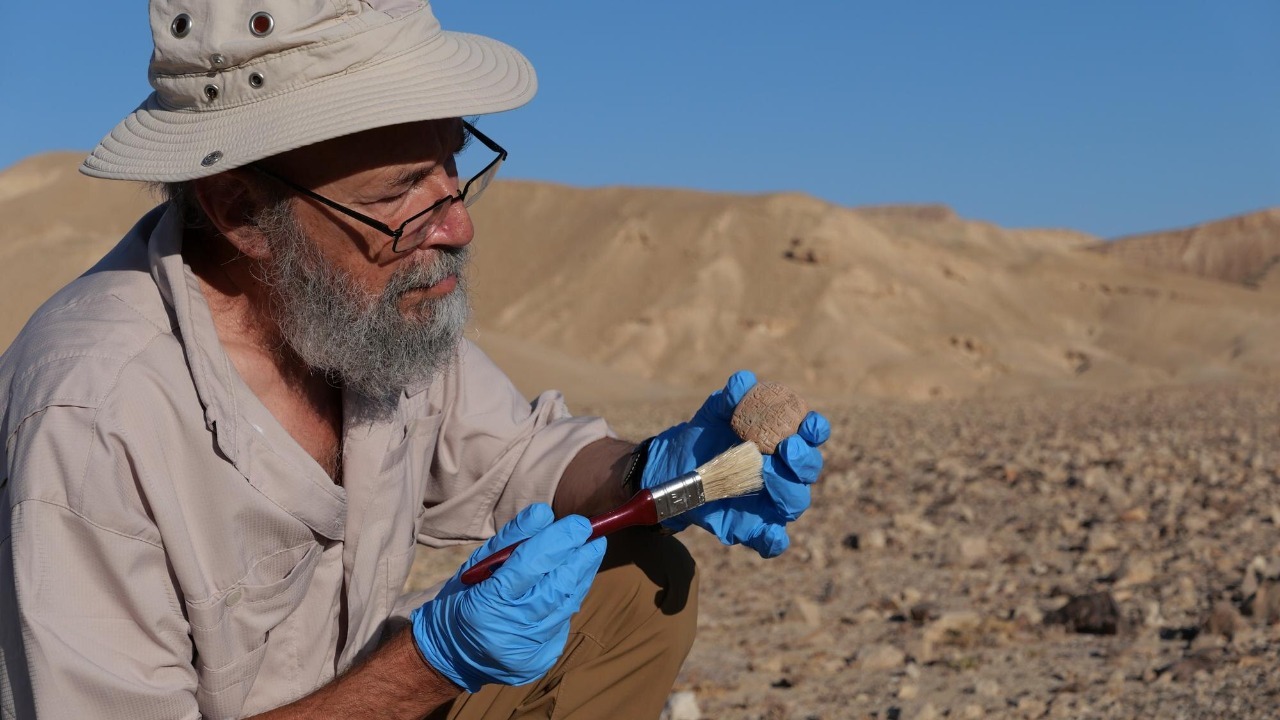
These discoveries have significant implications for modern archaeology. The insights gained from the ancient texts challenge and refine existing theories about pyramid construction and ancient Egyptian society. They provide a richer context for understanding the technological and organizational capabilities of ancient civilizations.
Lessons in project management can be drawn from the organizational skills demonstrated by the pyramid builders. Modern society can learn from their systematic approach to managing large-scale projects, including aspects of workforce management, resource allocation, and logistical coordination. The achievements of the ancient Egyptians in this regard continue to inspire contemporary project management practices.
Preserving history is paramount as these ancient writings and structures offer invaluable insights into human civilization. Efforts to protect and study these relics ensure that future generations can learn from the past. The ongoing work to preserve and interpret these texts is a testament to their enduring importance, as emphasized in archaeological research.
