With the escalating urgency for environmental sustainability, the advent of eco-zones has been witnessed in different corners of the globe. This development brings to light the possibility of banning polluting cars in these areas, the associated implications, and potential benefits.
The Concept of Eco-zones
Eco-zones, also known as environmental zones or green zones, are designated areas where specific environmental policies are applied to encourage sustainable practices and curb pollution. These zones aim to reduce carbon emissions, promote energy efficiency, and encourage the use of renewable resources. The surge in eco-zones can be attributed to the growing global recognition of the need for sustainable living. Countries such as Germany, France, and the United Kingdom have implemented eco-zones in their metropolitan areas, paving the way for cleaner cities.
Low Emission Zones: A Closer Look

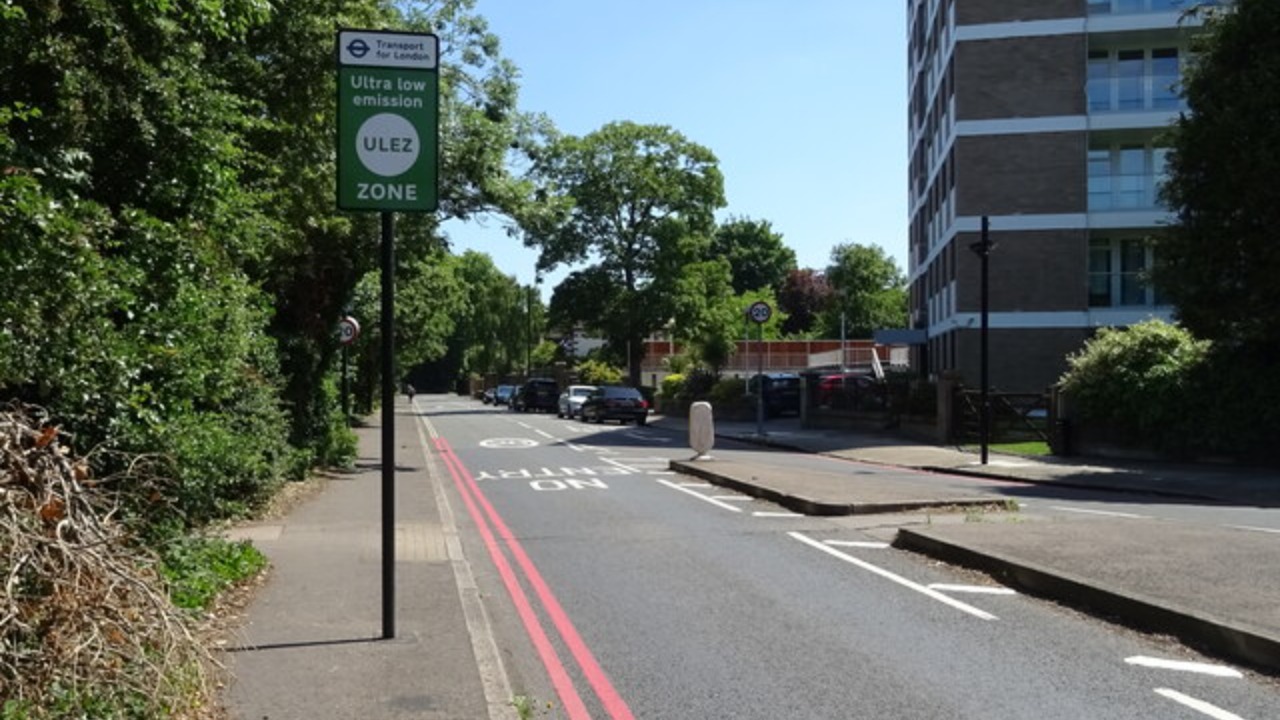
Low emission zones (LEZs) are significant components of eco-zones. They are areas where access by certain polluting vehicles is restricted or deterred to improve the air quality. The establishment of these zones plays a significant role in air pollution control. Kunak offers an in-depth look at the role of LEZs in curbing air pollution. The regulations and standards set for LEZs vary across countries and cities. For example, older diesel vehicles that emit more pollutants are often restricted in these zones.
The Impact of Cars on Air Quality
Automobiles are a significant contributor to air pollution, particularly those running on fossil fuels. They emit carbon monoxide, nitrogen dioxide, and particulate matter, which degrade air quality and have detrimental health effects. According to a study by Chalmers University of Technology, diesel cars emit more pollutants than petrol and hybrid cars.
The Move towards Banning Polluting Cars

Several countries and cities are taking strides towards banning polluting cars in eco-zones. Norway, for example, plans to ban all petrol and diesel cars by 2025. The rise in electric vehicles, coupled with growing awareness about environmental conservation, is driving this movement. These factors, combined with stringent environmental regulations, are pushing for a greener future.
Regulating Traffic in Eco-zones
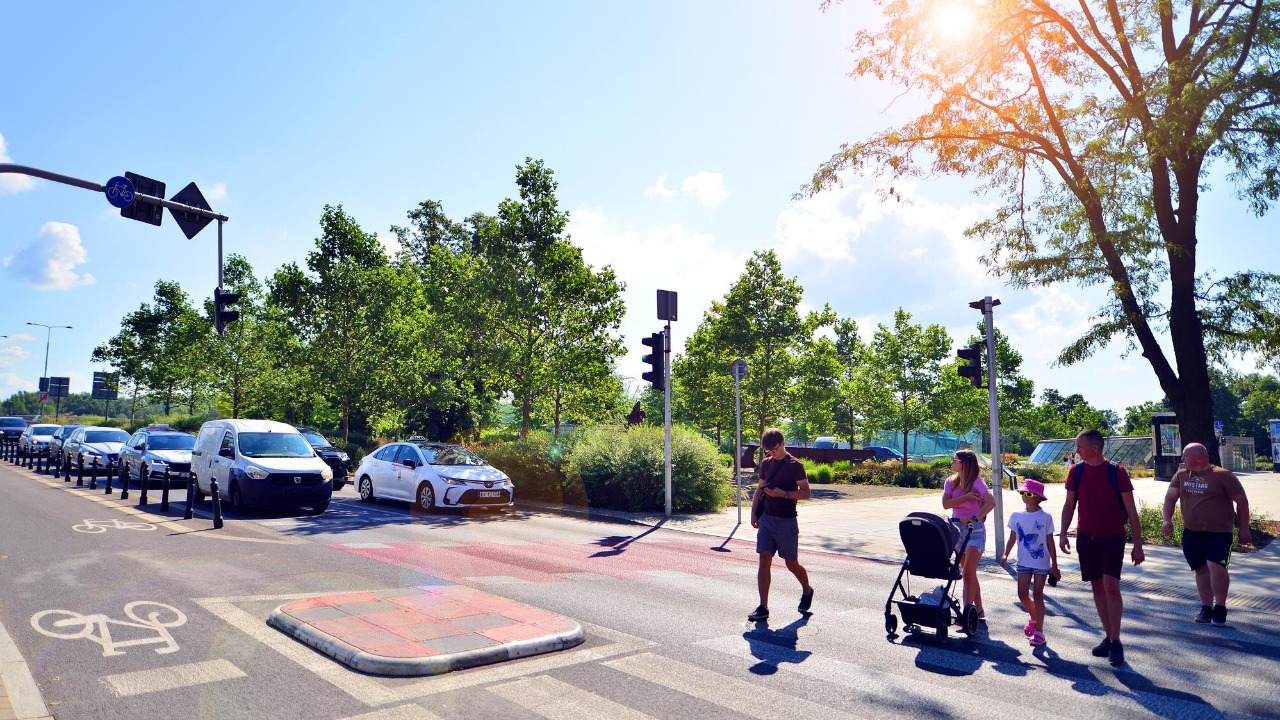
Effective traffic management in eco-zones is paramount to achieving the desired environmental outcomes. Strategies such as congestion pricing, where drivers are charged for entering certain parts of a city, have been implemented in places like London. Technology also plays a crucial role in enforcing bans and regulations. For instance, Automatic Number Plate Recognition (ANPR) is used to identify vehicles that do not comply with emission standards.
Challenges of Implementing Car Bans in Eco-zones

While car bans in eco-zones have numerous benefits, they also pose significant challenges. The economic impact, particularly on the automotive industry and related businesses, is a major concern. Furthermore, resistance from citizens, especially those who rely heavily on their cars, is another hurdle. According to a study published in the Journal of Public Economics, the success of these bans largely depends on public acceptance and the availability of alternative transport options.
Benefits of Car Bans in Eco-zones

The banning of polluting cars in eco-zones could lead to significant improvements in air quality. This could, in turn, lead to substantial health benefits, including a decrease in respiratory problems and other pollution-related illnesses. The potential for climate change mitigation is another vital benefit of these bans. A research in Renewable and Sustainable Energy Reviews indicates that reduced vehicle emissions can contribute to the mitigation of climate change.
Case Study: Successful Implementation of Car Bans

One city that has successfully implemented a ban on polluting cars is Madrid, Spain. The city’s Central Madrid plan, which restricts most vehicles from accessing the city center, has led to a significant reduction in nitrogen dioxide levels. The key lesson from Madrid’s experience is the effectiveness of a comprehensive approach that includes public awareness, robust public transportation, and stringent enforcement.
The Future of Transportation in Eco-zones

The future of transportation in eco-zones is likely to be dominated by eco-friendly modes of transportation. The rise of electric vehicles, bicycles, and public transport systems that run on renewable energy is set to reshape urban mobility. Looking ahead, we can anticipate more stringent policies and regulations aimed at promoting sustainable transportation and reducing carbon emissions.
