Recent research and scientific discourse have reignited interest in the enigmatic Planet X, a hypothetical celestial body lurking beyond Neptune. With new evidence and theories emerging, the astronomical community is abuzz with discussions on its potential existence and implications for our understanding of the solar system.
The Historical Quest for Planet X
The search for Planet X traces back to the early 20th century, driven by astronomers like Percival Lowell and Clyde Tombaugh. They theorized the existence of an unknown planet influencing the orbits of Uranus and Neptune. This quest led to the discovery of Pluto in 1930, initially believed to be the long-sought Planet X. However, as our understanding of Pluto grew, it became clear that its mass was insufficient to account for the observed gravitational disturbances.
Pluto’s reclassification as a dwarf planet in 2006 further fueled speculation about a larger, unseen body still waiting to be discovered. Advances in astronomical technology, such as more powerful telescopes and sophisticated computer models, have since renewed interest in the search for additional planets. These tools enable astronomers to explore the distant reaches of our solar system with unprecedented precision, keeping the hunt for Planet X very much alive.
Recent Theoretical Developments
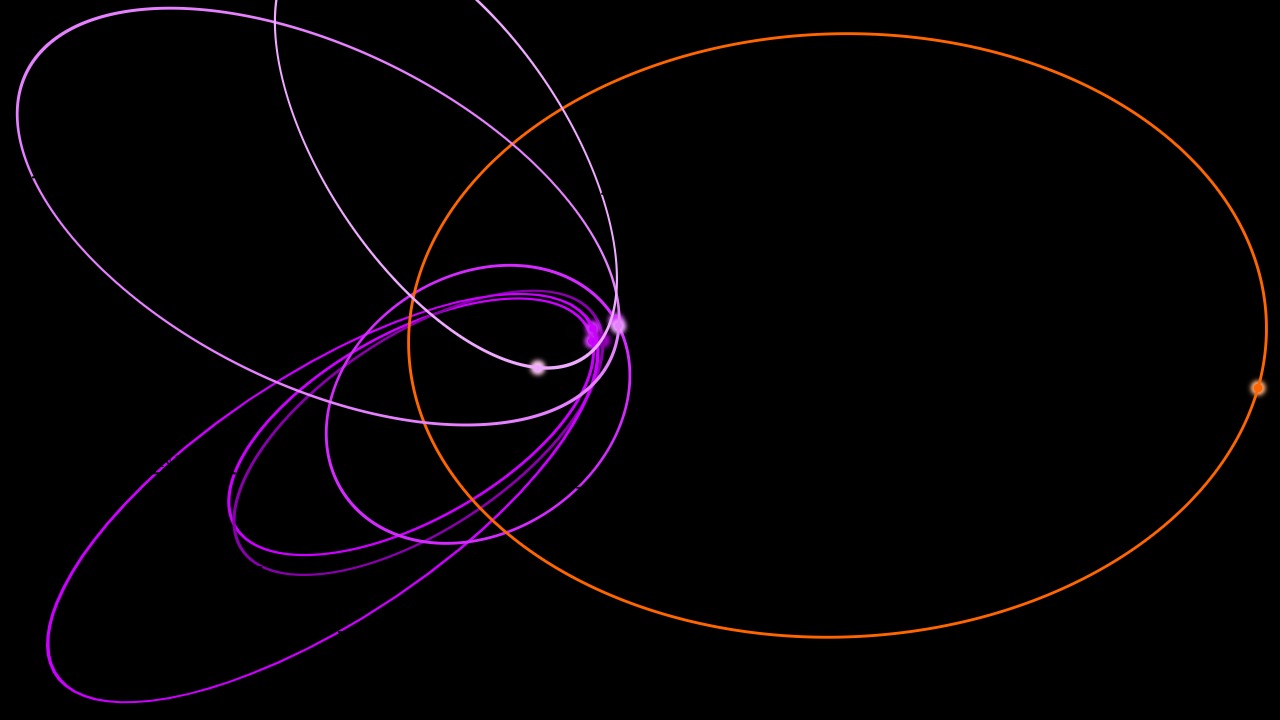
Recent studies have provided fresh momentum to the Planet X hypothesis, particularly a study published in The Astrophysical Journal. This research suggests that certain gravitational influences, such as unusual orbits of trans-Neptunian objects, could be explained by the presence of a massive, unseen planet. Such findings have reignited debates and research efforts across the astronomical community.
Mathematical models are at the forefront of these developments, offering predictions about the possible orbit and characteristics of Planet X. These models suggest that a ninth planet might have a highly elliptical orbit, taking thousands of years to complete a single revolution around the sun. Complementing these models, computer simulations have become invaluable in supporting the plausibility of a ninth planet, providing a virtual testing ground for various hypotheses.
Observational Evidence and Challenges

Observations from NASA and other space agencies continue to bolster the Planet X hypothesis. Instruments capable of examining the outer solar system have provided data that align with the predicted effects of an unseen planet. Despite this, the challenge of detecting Planet X remains significant due to its presumed distance and faint visibility. Identifying such a distant object is akin to finding a needle in a cosmic haystack.
The astronomers’ quest is set to benefit from next-generation telescopes and space missions, which promise to enhance our observational capabilities. These advancements are crucial for probing the outer reaches of our solar system, potentially offering the first glimpses of Planet X. However, until these technologies are fully operational, the mystery of Planet X persists, tantalizing scientists and enthusiasts alike.
Implications for Solar System Science
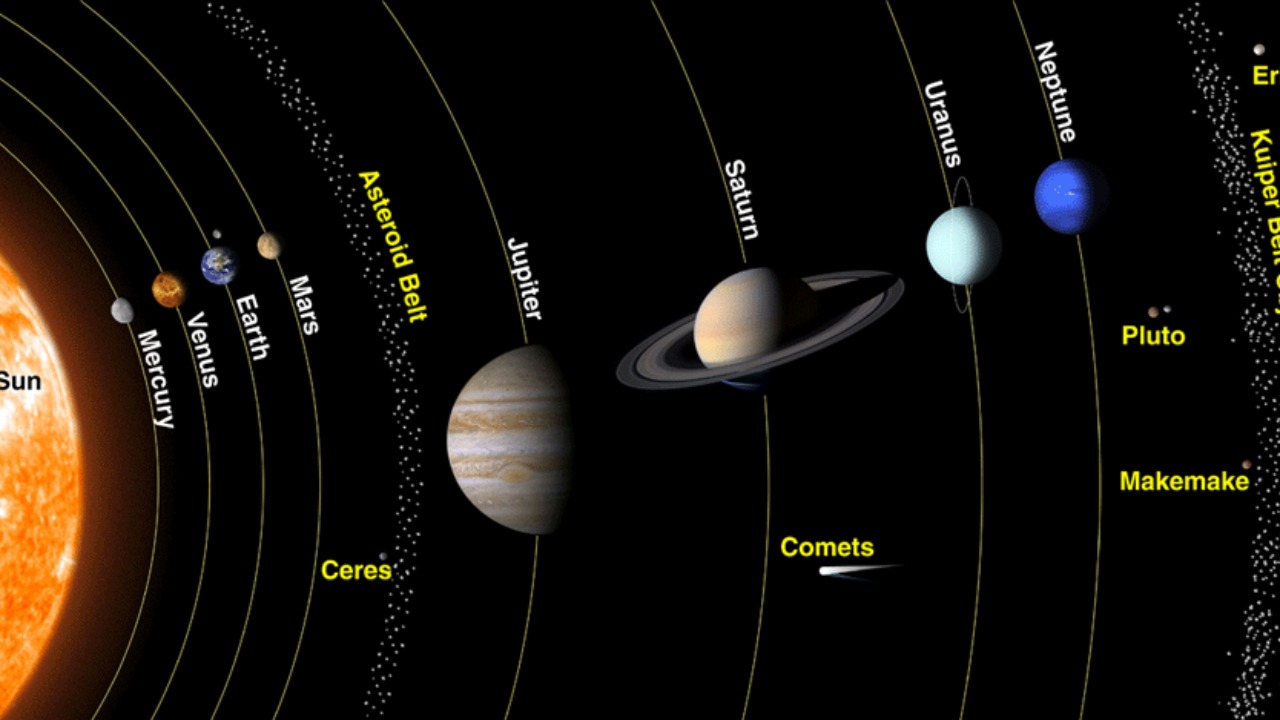
The discovery of Planet X could profoundly reshape our understanding of the solar system’s formation and evolution. It would prompt a reevaluation of existing planetary models and gravitational theories, offering new insights into the forces shaping our cosmic neighborhood. Such a discovery would not only answer longstanding questions but also pose new ones about the dynamic processes governing our solar system.
Beyond the immediate scientific implications, the existence of Planet X could broaden our understanding of planetary systems throughout the galaxy. Insights gained from studying its orbit and composition could inform the search for life and enhance our study of exoplanetary systems. In this context, Planet X serves as a link connecting our solar system to the broader universe.
Public Interest and Cultural Impact

Planet X has long held a place in popular culture, from science fiction tales to a host of conspiracy theories. Its allure lies in the mystery and the possibility of uncovering hidden truths about our universe. This fascination is mirrored in the media coverage it receives, which can significantly influence scientific research and funding. The narrative surrounding Planet X is a testament to the interplay between scientific inquiry and public curiosity.
Digital platforms play a crucial role in shaping the discourse around Planet X, spreading both information and misinformation. As studies like those mentioned in academic analyses suggest, the ease of sharing data online can fuel speculation while also democratizing access to scientific findings. As we continue to explore the cosmos, the story of Planet X illustrates the dynamic interface between science, culture, and technology.
