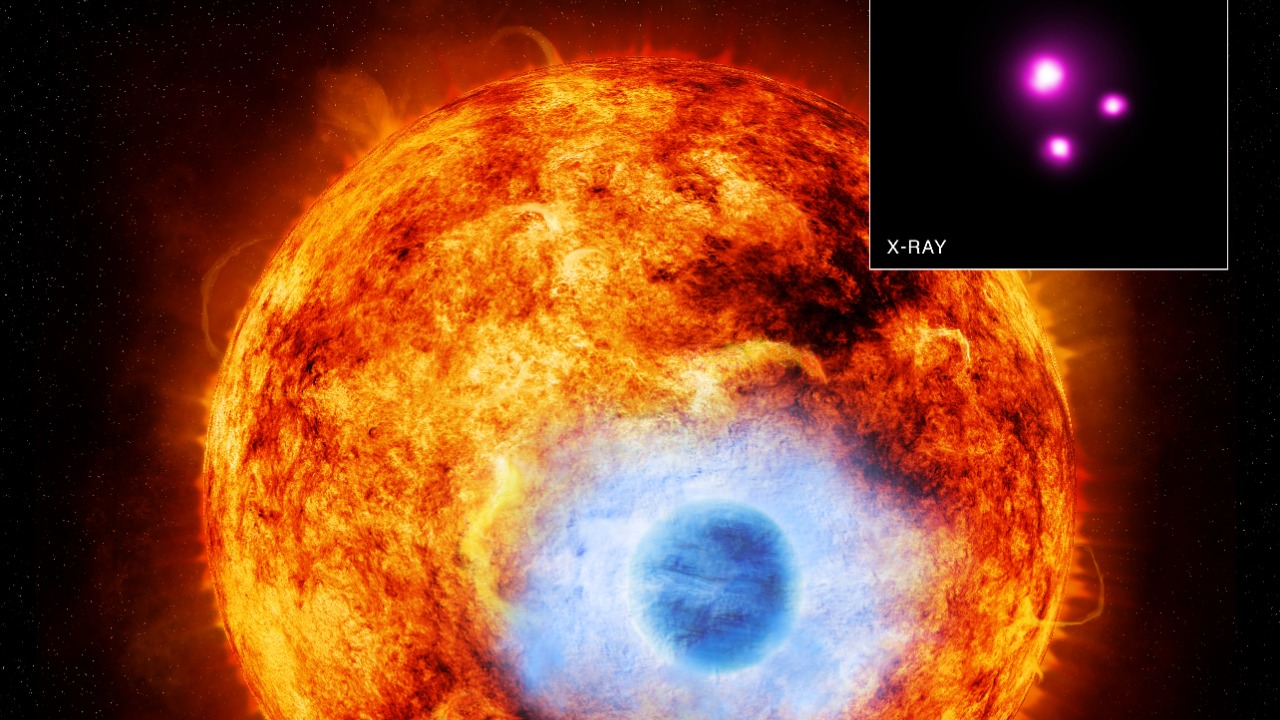
Astronomers have uncovered a fascinating exoplanet where the weather forecast predicts glass rain. This distant world, known as HD 189733b, challenges our understanding of planetary climates and atmospheric phenomena, captivating the scientific community and the public alike.
HD 189733b: An Overview
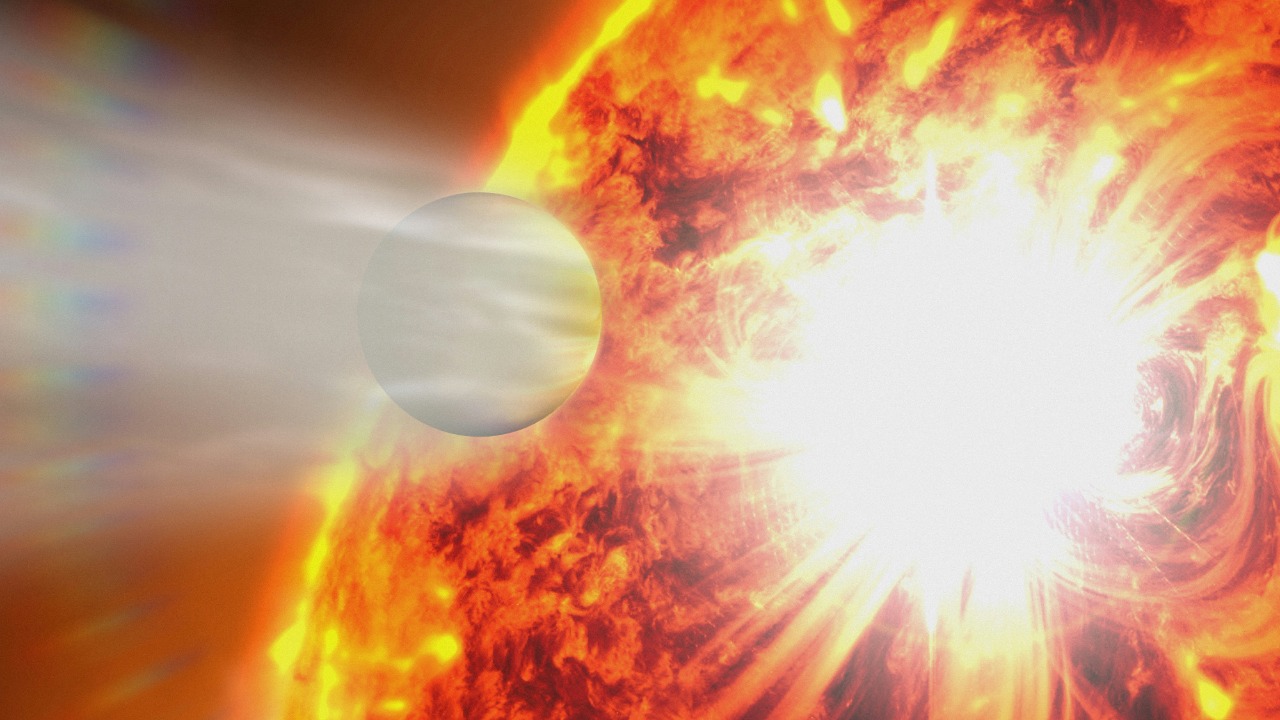
Situated in the Vulpecula constellation, HD 189733b was discovered in 2005 and quickly became one of the most well-studied exoplanets. This gas giant is positioned approximately 63 light-years from Earth, making it accessible enough for detailed study using current astronomical technologies. As one of the more prominent exoplanets, HD 189733b serves as a cornerstone in our understanding of planetary science beyond our solar system.
The characteristics of HD 189733b are as intriguing as its weather. Comparable in size to Jupiter, this massive planet orbits much closer to its host star than Jupiter does to the Sun. This proximity results in extreme atmospheric conditions, with temperatures soaring to over 1,700 degrees Fahrenheit. Such harsh conditions make HD 189733b an unlikely candidate for life as we know it, but a perfect laboratory for studying atmospheric dynamics under extreme heat.
The Science Behind Glass Rain
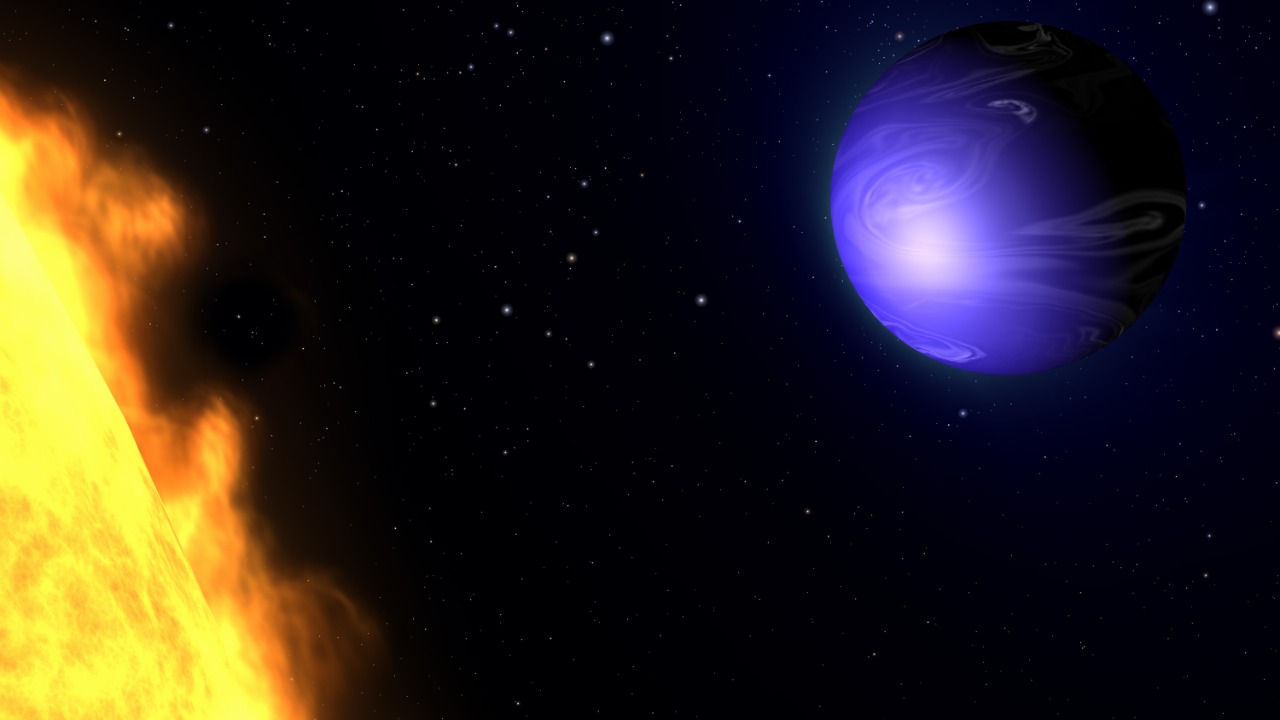
What sets HD 189733b apart is its extraordinary weather, particularly the phenomenon of glass rain. The atmosphere of this planet is rich in silicate particles. Due to the intense heat from its nearby star, these silicates condense into tiny glass particles. The unique composition of the atmosphere has been a subject of fascination, as it provides insights into how materials behave under extreme conditions.
The mechanism of glass rain on HD 189733b is both fascinating and perilous. Winds reaching speeds of up to 5,400 mph propel these glass particles sideways, creating an environment that is both dangerous and captivating. This rains of terror scenario is unlike anything we experience on Earth, offering a glimpse into the diverse and often hostile climates present on exoplanets.
Comparative Planetary Weather
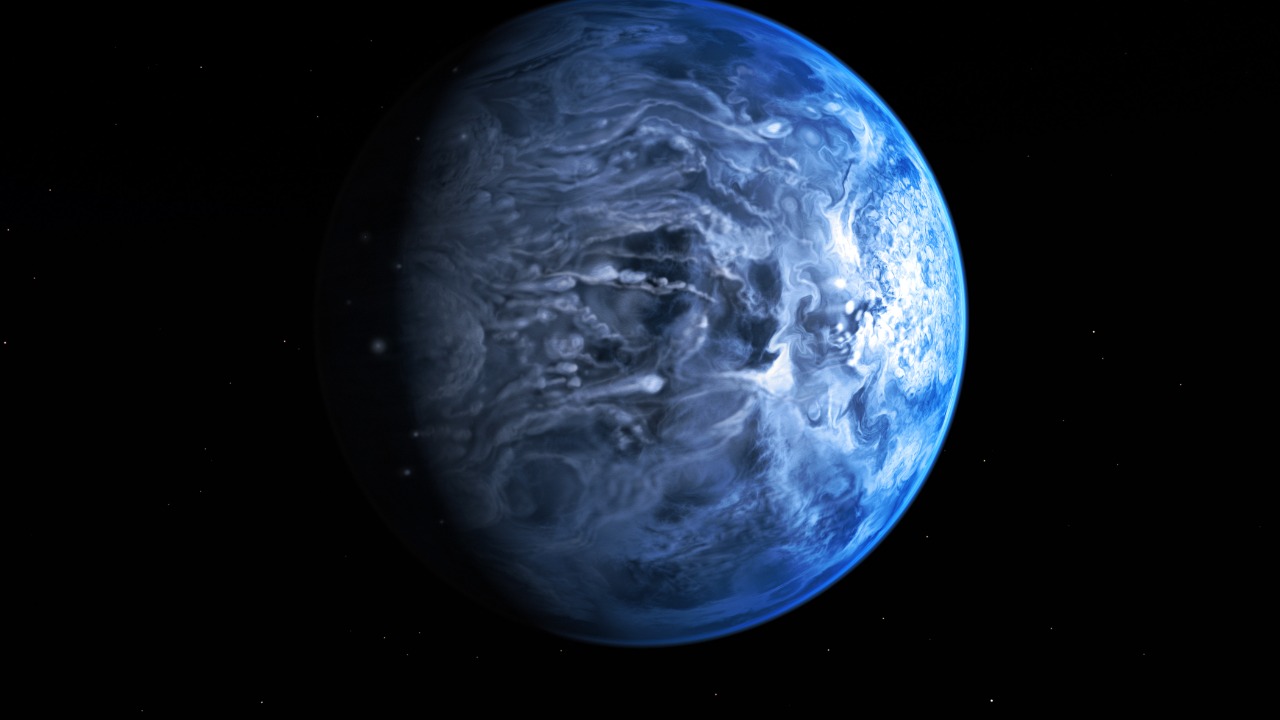
HD 189733b is not alone in hosting extreme weather phenomena. Other exoplanets and even some bodies within our own solar system exhibit bizarre weather patterns. For instance, Neptune and Saturn are thought to experience diamond rains, a result of carbon atoms compressing into diamonds under high-pressure conditions. These and other exotic weather patterns challenge our understanding of climatic processes across the universe.
In comparison, Earth’s weather can seem mundane, yet studying these extremes provides a valuable context. The insights gained from HD 189733b’s glass rain could help us understand the potential for weather extremes on Earth, particularly in the face of climate change. By examining such contrasting environments, scientists hope to unlock secrets that could benefit our comprehension of atmospheric processes and their implications for Earth’s future.
Technological Advances in Exoplanet Study
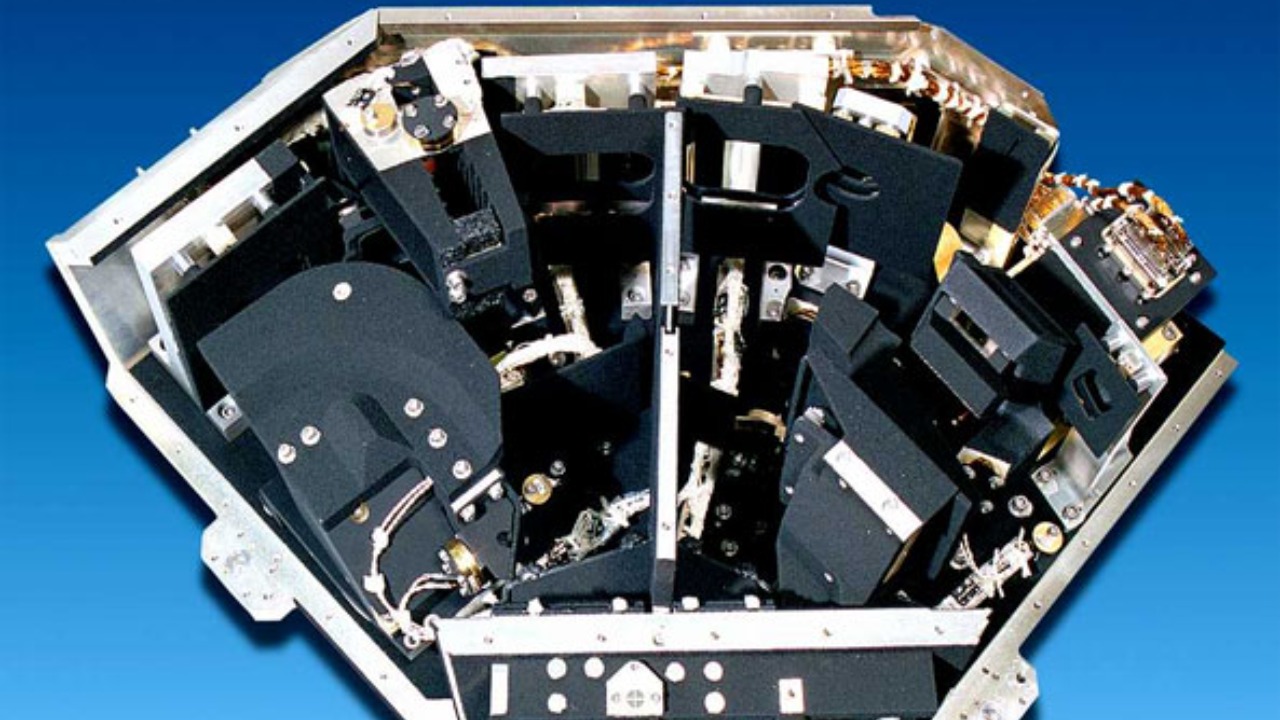
The study of HD 189733b and similar exoplanets has been made possible through significant advancements in detection and observation tools. Instruments like the Hubble and Spitzer Space Telescopes have played crucial roles in gathering data on these distant worlds. These technologies allow astronomers to analyze light from stars and detect subtle variations indicative of planetary bodies and their atmospheres.
Spectroscopy has been particularly instrumental in understanding the chemical compositions and weather patterns of exoplanets. By analyzing the light spectrum emitted or absorbed by a planet’s atmosphere, scientists can infer the presence of specific elements and compounds. This method has been vital in revealing the silicate-rich atmosphere of HD 189733b, offering a window into its violent weather patterns and glass rains. Such advancements continue to push the boundaries of what we know about the universe.
Implications for Future Research
The discovery of glass rain on HD 189733b opens up new avenues for research into exoplanetary climates and atmospheric dynamics. These findings present both challenges and opportunities for scientists seeking to understand the complexities of weather beyond our solar system. The knowledge gained from studying such extreme environments can inform models and predictions for other exoplanets, aiding in the search for potentially habitable worlds.
While HD 189733b itself is far from habitable, the study of its atmosphere and weather patterns could refine our criteria for habitability in other systems. Understanding the conditions under which glass rain occurs helps scientists set parameters for what makes a planet suitable for life. As we continue to explore the cosmos, these insights will be crucial in guiding future missions and expanding our understanding of the universe. For more on the processes driving planetary weather, a detailed exploration is available here.
