A group of physicists has raised alarms about a potential global catastrophe predicted for 2026, emphasizing the need for immediate global awareness and action. This warning, based on recent data analysis and projections, has sparked a significant response from both the scientific community and governmental bodies worldwide. The urgency of the situation calls for a thorough examination of the scientific predictions, potential impacts, and the steps necessary to mitigate the looming threat.
Scientific Predictions and Concerns

Physicists have issued warnings about a potential global catastrophe in 2026, drawing on recent data analysis and projections. The predictions are grounded in sophisticated scientific methods and models, which have been scrutinized for their accuracy and reliability. These models incorporate a range of variables and scenarios to forecast potential outcomes, highlighting the importance of understanding the underlying science to grasp the severity of the situation. The physicists’ warnings are not merely speculative; they are based on concrete scientific evidence that demands attention and action from the global community.
The specific scientific methods used in these predictions involve complex simulations and data modeling techniques. These methods allow scientists to explore various scenarios and assess the likelihood of different outcomes. By analyzing patterns and trends in environmental and technological data, physicists can make informed predictions about future events. This rigorous approach underscores the credibility of the warnings and the necessity for a coordinated response to address the potential catastrophe. The scientific community is actively engaged in refining these models to ensure they accurately reflect the latest data and insights.
Potential Global Impact

The predicted catastrophe could have widespread effects on global infrastructure and economies, posing significant challenges for nations worldwide. The potential impact on infrastructure includes disruptions to transportation networks, energy systems, and communication channels, which are critical for maintaining societal functions. Economically, the catastrophe could lead to severe financial losses, affecting industries and markets on a global scale. The interconnected nature of the global economy means that disruptions in one region could have cascading effects elsewhere, amplifying the overall impact.
Different regions may face varying degrees of impact depending on their geographic location, economic resilience, and existing infrastructure. For instance, coastal areas might experience more severe consequences due to their vulnerability to environmental changes. Similarly, developing countries with limited resources may struggle to cope with the aftermath, exacerbating existing inequalities. Understanding these potential scenarios is crucial for developing targeted strategies to mitigate the effects and support affected communities. The global nature of the threat necessitates a collaborative approach to ensure that all regions are adequately prepared and equipped to respond.
Response from the Scientific Community
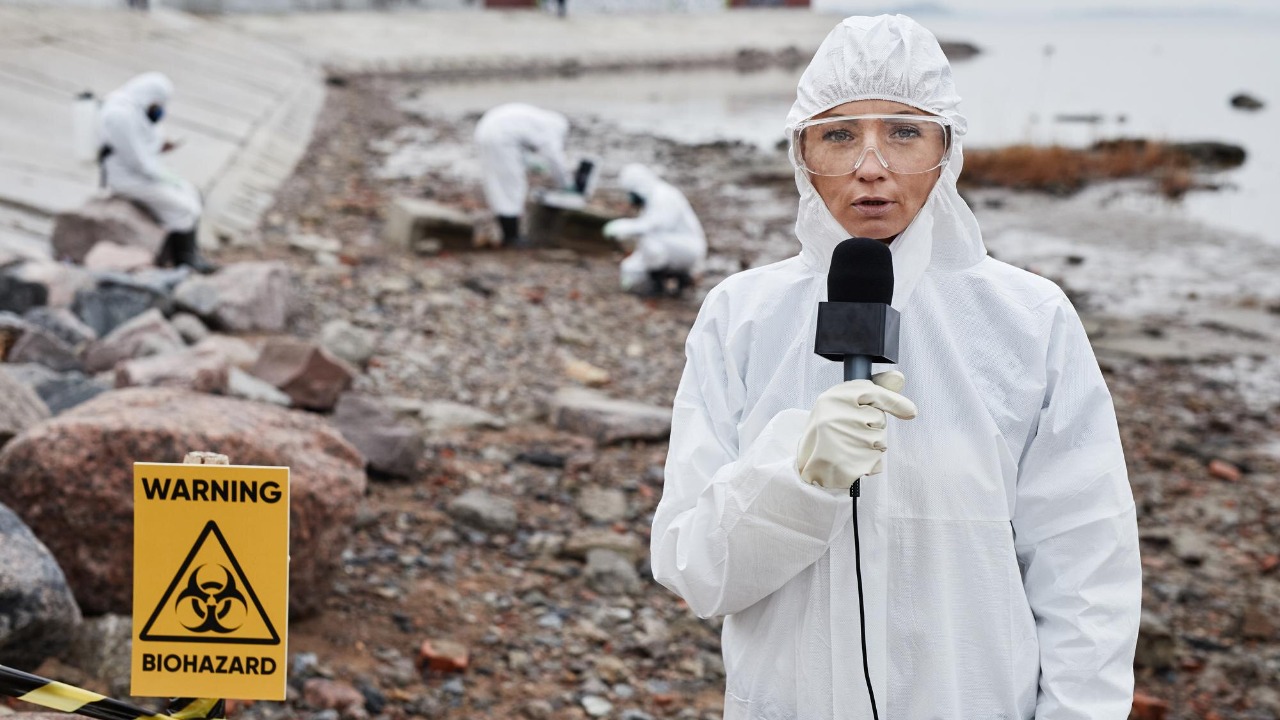
The broader scientific community is actively responding to the physicists’ warnings, with many researchers and institutions proposing actions to address the potential threat. This response includes calls for increased research funding, enhanced data collection efforts, and the development of new technologies to monitor and mitigate the predicted catastrophe. Scientists are also engaging in public outreach to raise awareness and educate the public about the importance of taking proactive measures. This collaborative effort reflects the scientific community’s commitment to addressing global challenges through evidence-based solutions.
Despite the consensus on the need for action, there are debates within the scientific community regarding the specifics of the predictions and the best course of action. Some scientists argue for more conservative approaches, emphasizing the need for further research to refine the models and predictions. Others advocate for immediate, decisive action to prevent potential disasters. These differing opinions highlight the complexity of the issue and the importance of ongoing dialogue and collaboration among scientists, policymakers, and stakeholders. By fostering an open exchange of ideas, the scientific community can develop comprehensive strategies to address the potential catastrophe effectively.
Governmental and Public Reactions
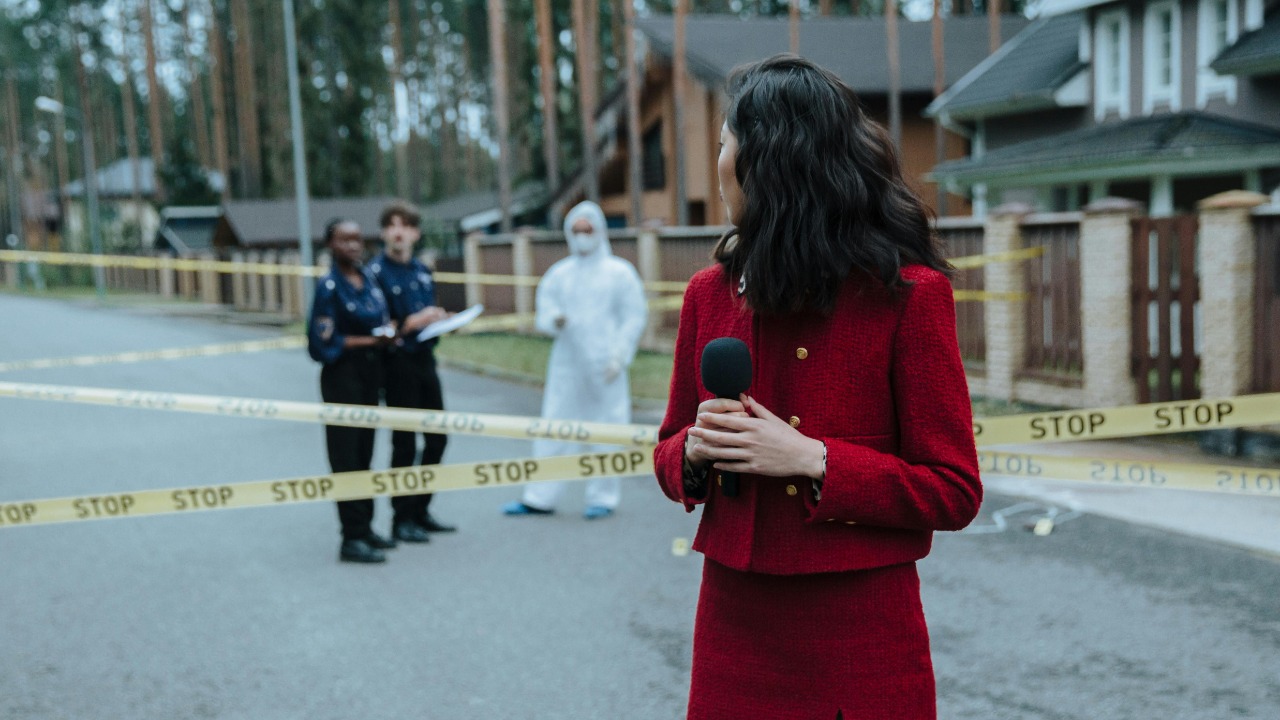
Governments worldwide are beginning to respond to the physicists’ warnings, with some considering policy changes to address the potential threat. These responses vary depending on the perceived level of risk and the resources available to implement preventive measures. In some cases, governments are investing in infrastructure improvements and disaster preparedness initiatives to enhance resilience. Others are focusing on international cooperation to develop coordinated strategies for addressing the global nature of the threat. These efforts reflect a growing recognition of the need for proactive measures to safeguard against potential disasters.
Public perception and media coverage of the potential 2026 catastrophe play a crucial role in shaping governmental responses. Media outlets have reported on the physicists’ warnings, raising awareness and prompting discussions about the implications of the predictions. Public interest in the issue has led to increased scrutiny of governmental actions and policies, with citizens demanding transparency and accountability. This heightened awareness underscores the importance of effective communication and engagement with the public to build trust and foster a collective commitment to addressing the potential threat.
Steps Toward Prevention and Mitigation

Proposed measures and strategies to prevent or mitigate the impact of the predicted global catastrophe include a range of initiatives aimed at enhancing resilience and preparedness. These measures involve investments in infrastructure, research and development, and international cooperation. By strengthening critical systems and developing innovative technologies, nations can reduce their vulnerability to potential disasters and improve their ability to respond effectively. Collaboration among countries and global organizations is essential to ensure a coordinated and comprehensive approach to addressing the threat.
International cooperation plays a vital role in addressing the potential catastrophe, as the global nature of the threat requires a unified response. Global organizations, such as the United Nations and the World Health Organization, are well-positioned to facilitate collaboration and coordinate efforts among nations. By leveraging their expertise and resources, these organizations can support the development and implementation of effective strategies to mitigate the impact of the predicted catastrophe. The involvement of diverse stakeholders, including governments, scientists, and the private sector, is crucial for building a resilient and sustainable future.
For more information on the physicists’ warnings and the potential global catastrophe, you can read the full report on MSN.
