
In 2019, the LIGO and Virgo observatories detected a gravitational wave signal known as GW190521, which was believed to originate from the merger of two black holes. However, recent scientific analysis suggests this signal may not be a typical black hole merger but could indicate a wormhole connecting our universe to a parallel one. The event’s unusual energy release and lack of an optical counterpart have fueled speculation that the signal passed through a wormhole, challenging conventional models of general relativity.
The Detection of GW190521
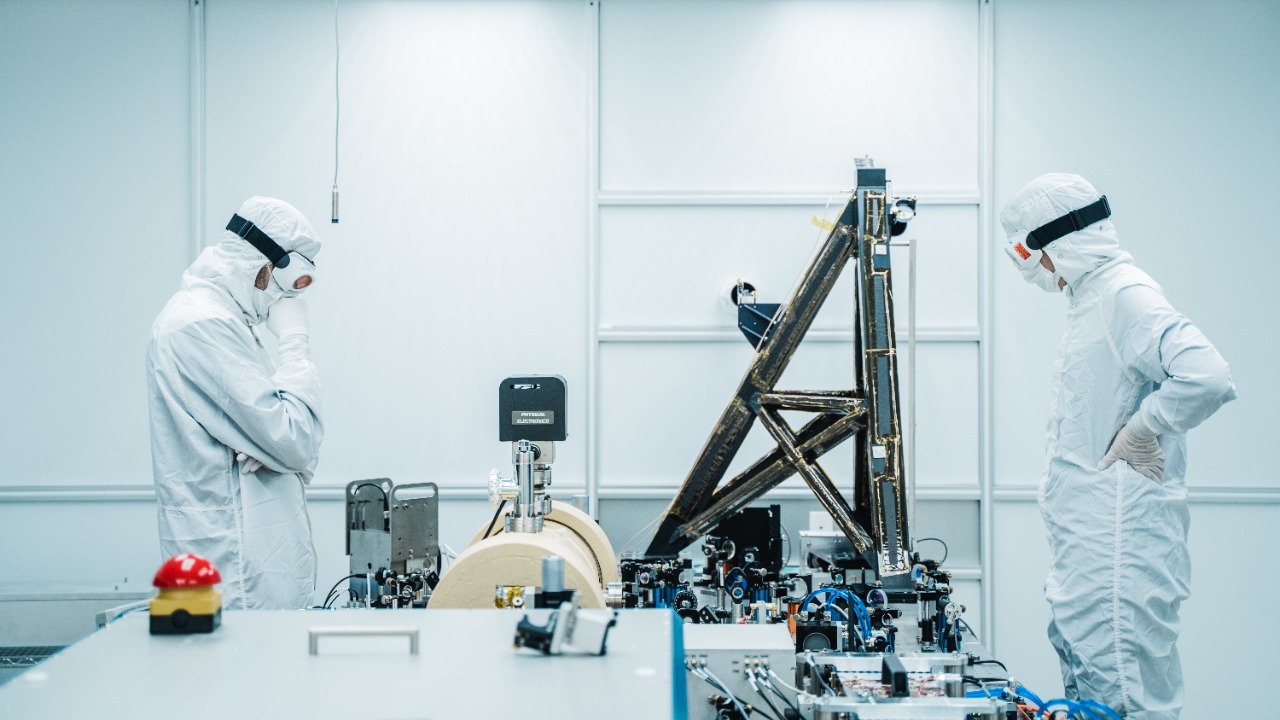
The signal was captured by the LIGO Hanford, LIGO Livingston, and Virgo detectors. Its peak luminosity was equivalent to 8.6 times the combined light of all stars in the observable universe, a testament to the immense energy involved in the event1. The signal’s duration was approximately 0.1 seconds, and its frequency range started at 30 Hz. These characteristics initially fit the profile of a binary black hole merger, but the resulting black hole’s mass exceeded the pair-instability limit, raising questions about the nature of the event2.
The source of the signal was estimated to be 17 billion light-years away in the direction of the constellation Hercules. This immense distance further adds to the intrigue surrounding GW190521, as it suggests the event occurred in a distant galaxy3.
Unusual Features of the Signal
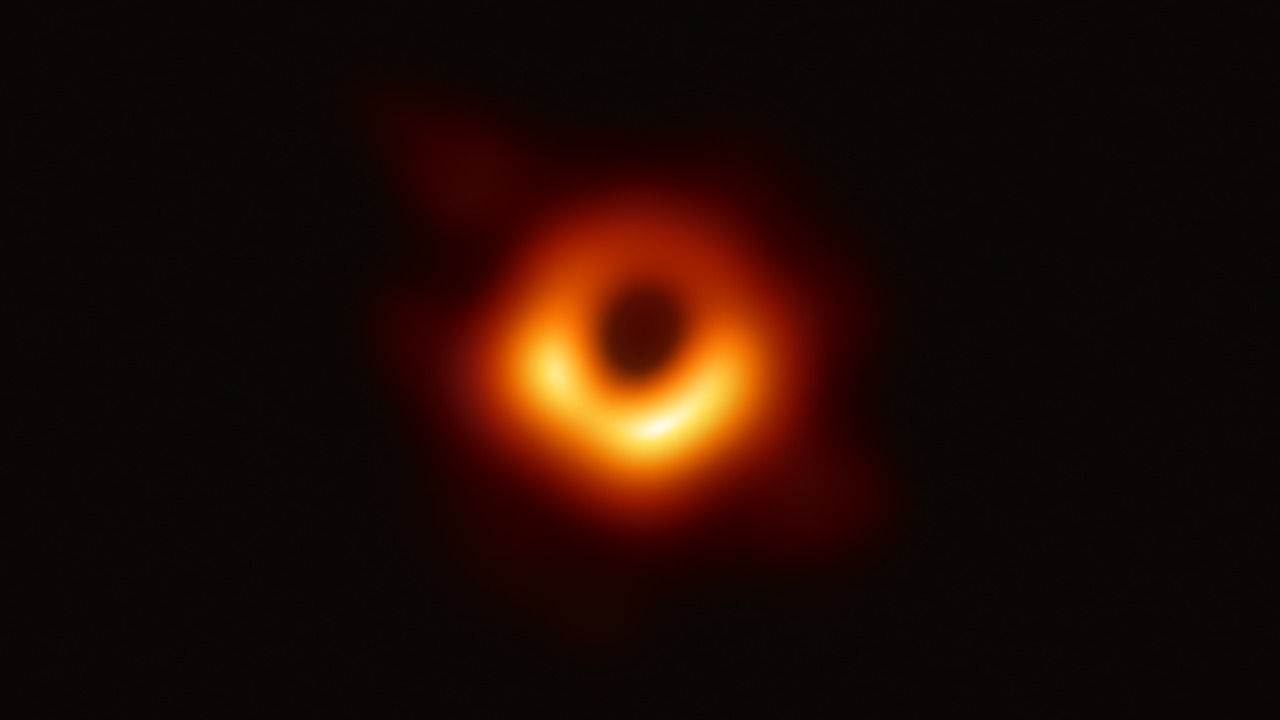
Unlike many other gravitational wave events, GW190521 did not have an electromagnetic counterpart, such as gamma rays or light. This absence suggests that the signal might not originate from standard astrophysical processes4. Furthermore, the final black hole’s mass of 142 solar masses falls into the theoretical “forbidden” zone where stars should not form such remnants due to pair-instability supernovae5.
Another intriguing aspect of the signal is its ringdown phase, where the merged object’s vibrations did not perfectly match predictions from general relativity. This discrepancy hints at possible deviations from expected black hole behavior, further fueling speculation about the nature of the event1.
Wormhole Theories in Astrophysics
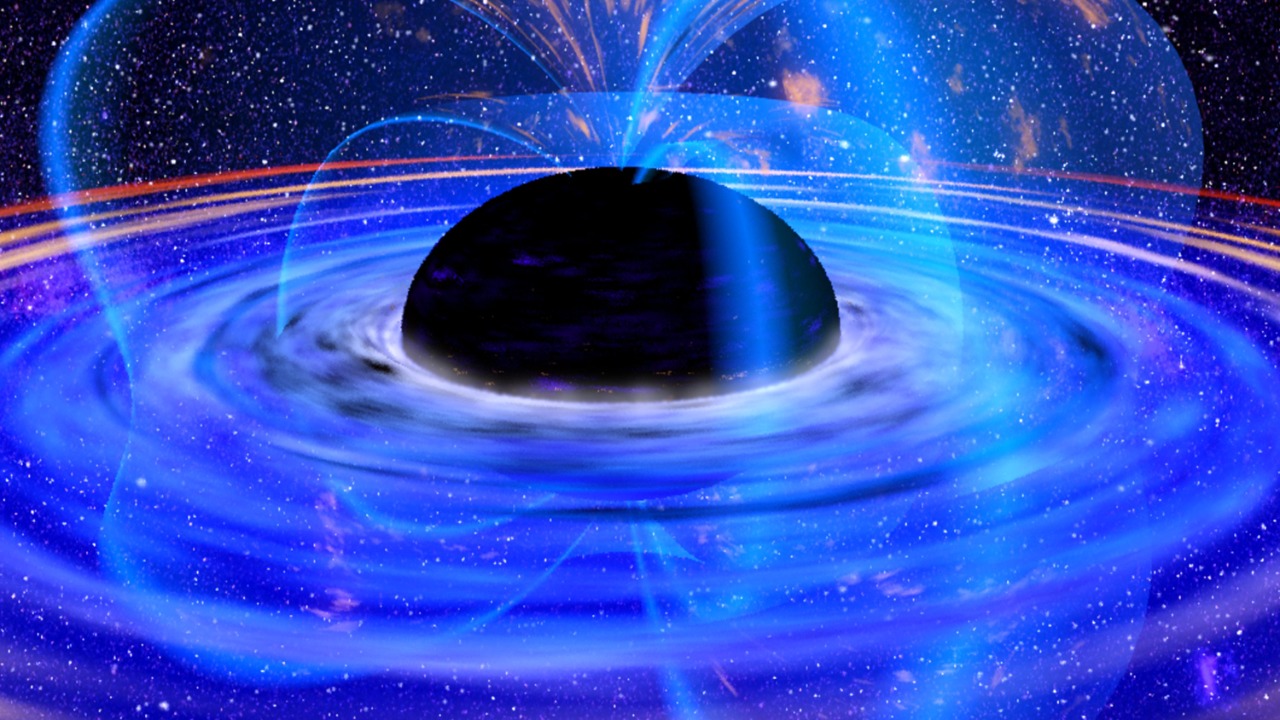
Traversable wormholes, as predicted by Einstein-Rosen bridges in general relativity, have been a topic of interest in astrophysics. Recent models propose that these wormholes could transmit gravitational waves without collapsing2. A wormhole merger with a black hole could produce GW190521-like signals, with the throat of the wormhole mimicking the merger’s waveform3.
Theoretical work by physicists like Juan Maldacena has linked wormholes in anti-de Sitter space to quantum entanglement and potential signals from other realms. This research provides a theoretical framework for understanding the possible origins of GW1905211.
Links to Parallel Universes
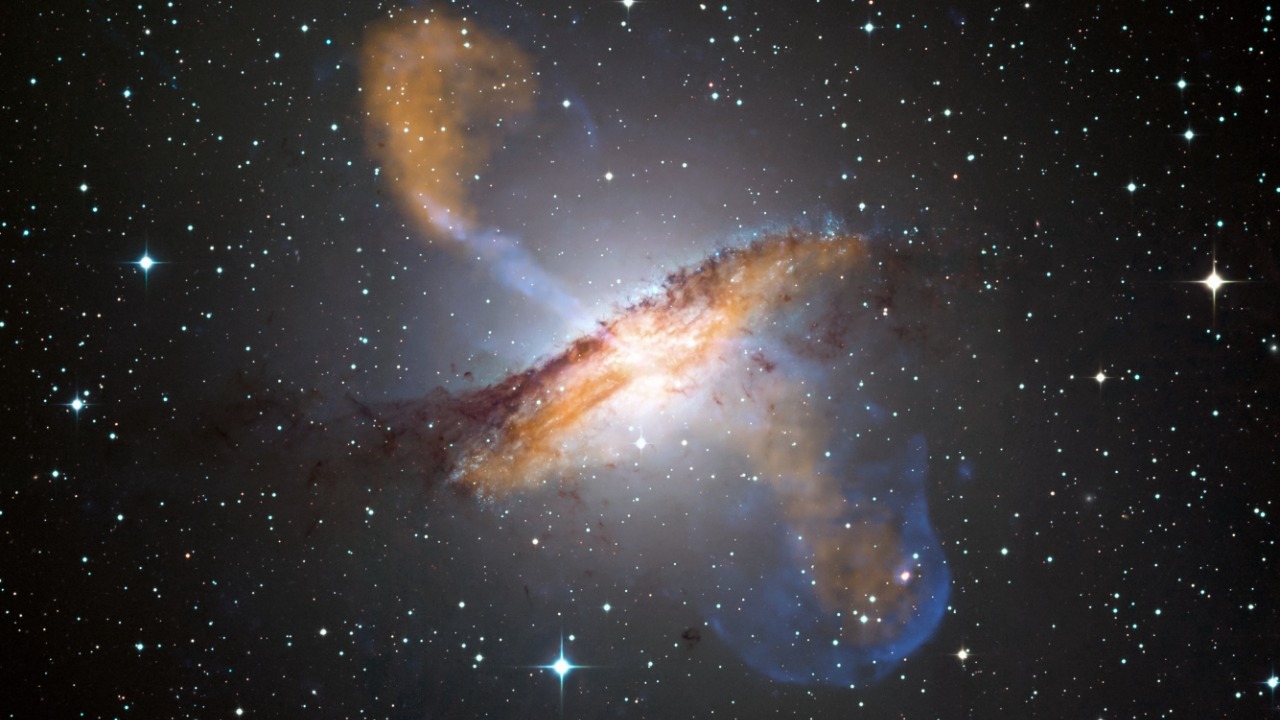
The anomalies in the GW190521 signal align with multiverse theories, where a wormhole could connect our universe to a parallel one, allowing gravitational information to leak through4. Some researchers suggest that the 142-solar-mass object might be an echo from a parallel universe’s black hole event, rather than a local merger5.
Quantum mechanics plays a significant role in parallel universe models, such as the many-worlds interpretation. The peculiarities of GW190521 could provide empirical hints of branching realities, offering a tantalizing glimpse into the nature of our universe and possible others3.
Scientific Skepticism and Alternatives
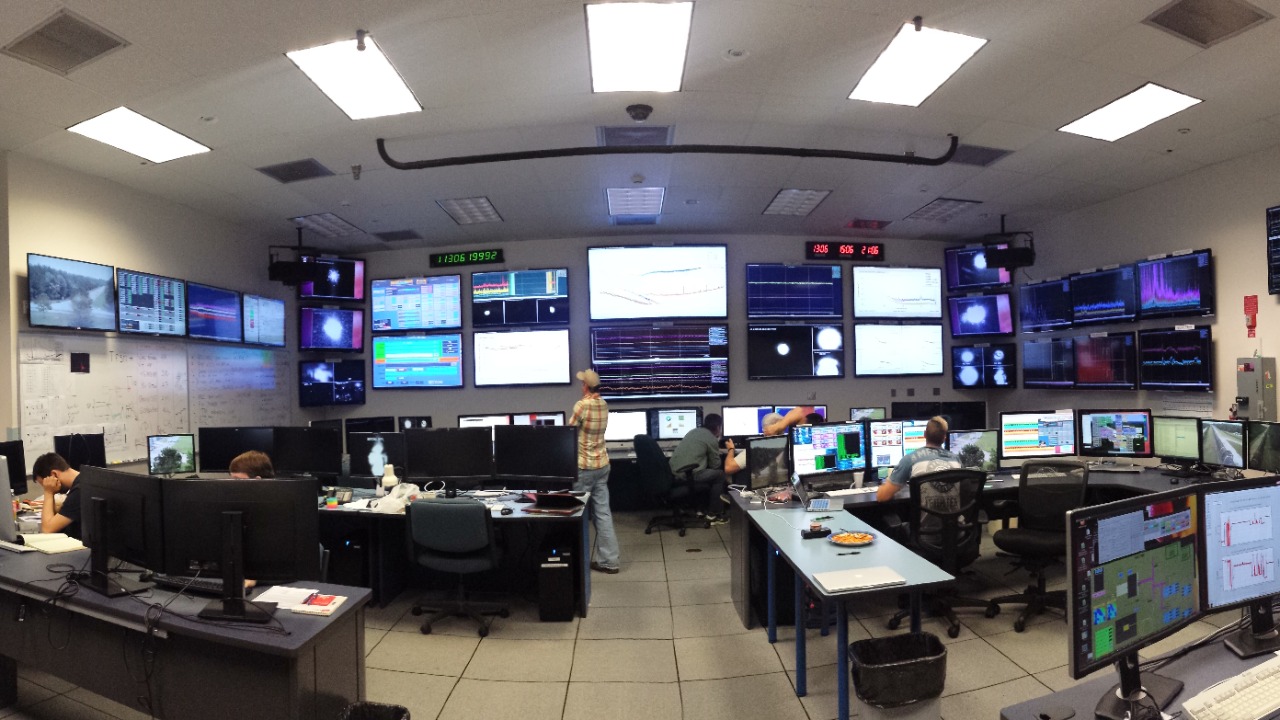
Despite the intriguing possibilities, there is skepticism within the scientific community. The LIGO collaboration classified GW190521 as a confident black hole merger, attributing the event’s peculiarities to detector noise or modeling limitations1. Alternative explanations, such as hierarchical mergers of smaller black holes in dense clusters, could produce intermediate-mass objects without invoking exotic physics2.
Further verification is needed, including reanalysis of data from subsequent observing runs to check for similar signals. This ongoing research will help determine whether GW190521 is a standard black hole merger or something more exotic4.
Implications for Future Discoveries
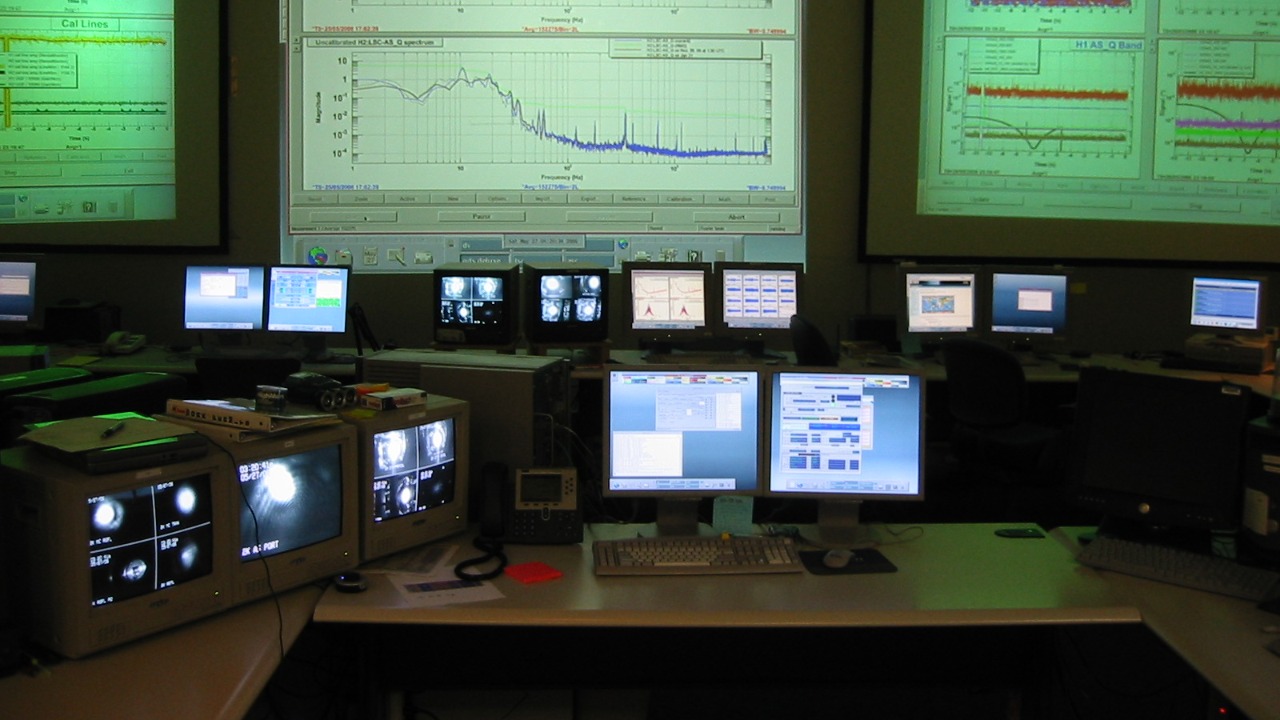
Confirming a wormhole signal could revolutionize our understanding of spacetime, potentially enabling tests of string theory or quantum gravity5. Upgrades to LIGO and Virgo, including increased sensitivity in future runs like O4 starting in 2023, could detect more such anomalous events2.
These discoveries could also have interdisciplinary impacts. Collaborations with particle physicists could simulate wormhole signals in labs using analog gravity experiments, providing further insights into the nature of these mysterious phenomena1.
