The recent find of a Pacific tablet etched with star maps dating back 5,000 years has captivated the attention of both archaeologists and astronomers. This ancient relic offers a potential glimpse into our forebears’ sophisticated comprehension of the cosmos and may shed light on historical occurrences.
1. Discovery and Description of the Pacific Tablet
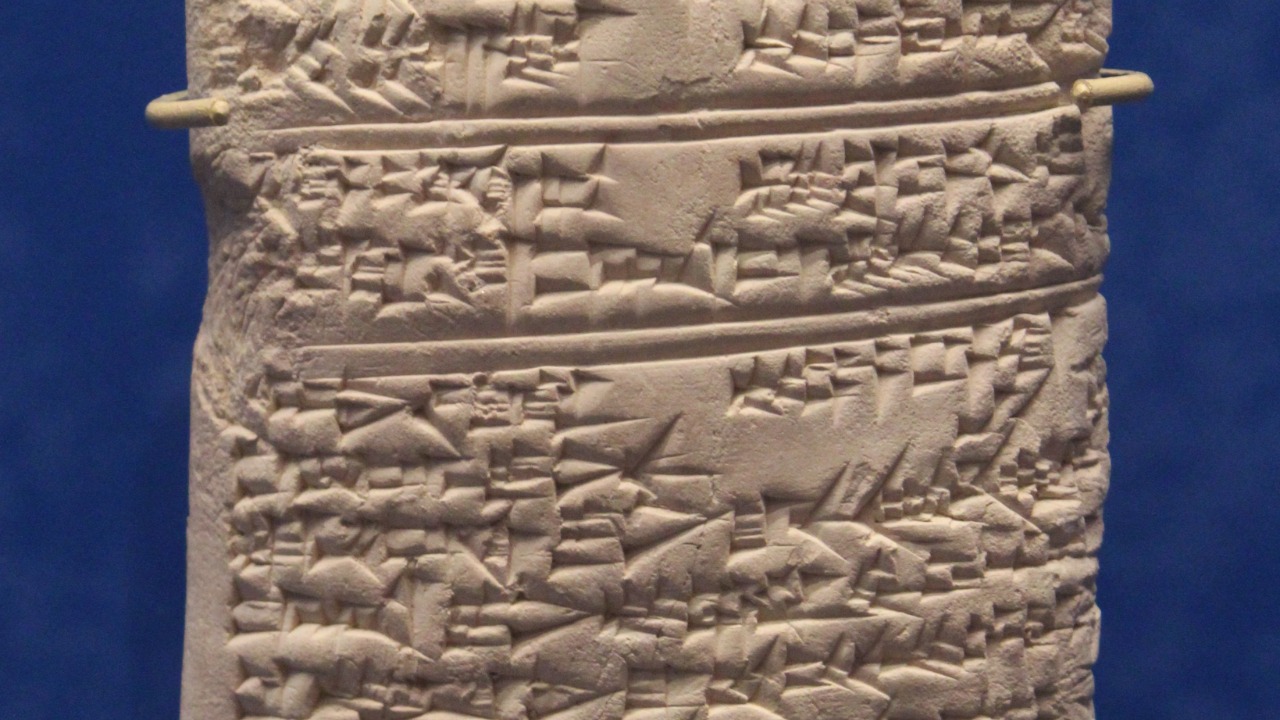
The Pacific tablet was unearthed during an archaeological excavation on one of the islands in the South Pacific. The discovery, made by a team of international archaeologists, occurred during a routine survey of the island’s ancient settlement sites. The tablet was found in remarkably good condition, considering its age, providing a clear view of the intricate markings etched onto its surface.
The tablet itself is made from a type of dense, volcanic stone common to the region. It measures roughly sixty centimeters in length and thirty centimeters in width, with a thickness of approximately five centimeters. The tablet’s surface is adorned with a series of intricate carvings that depict a complex network of lines and symbols, which researchers believe represent a star map. The detail and precision of the markings suggest that the creators had a comprehensive understanding of celestial bodies and their movements.
2. Interpretation of the Star Maps
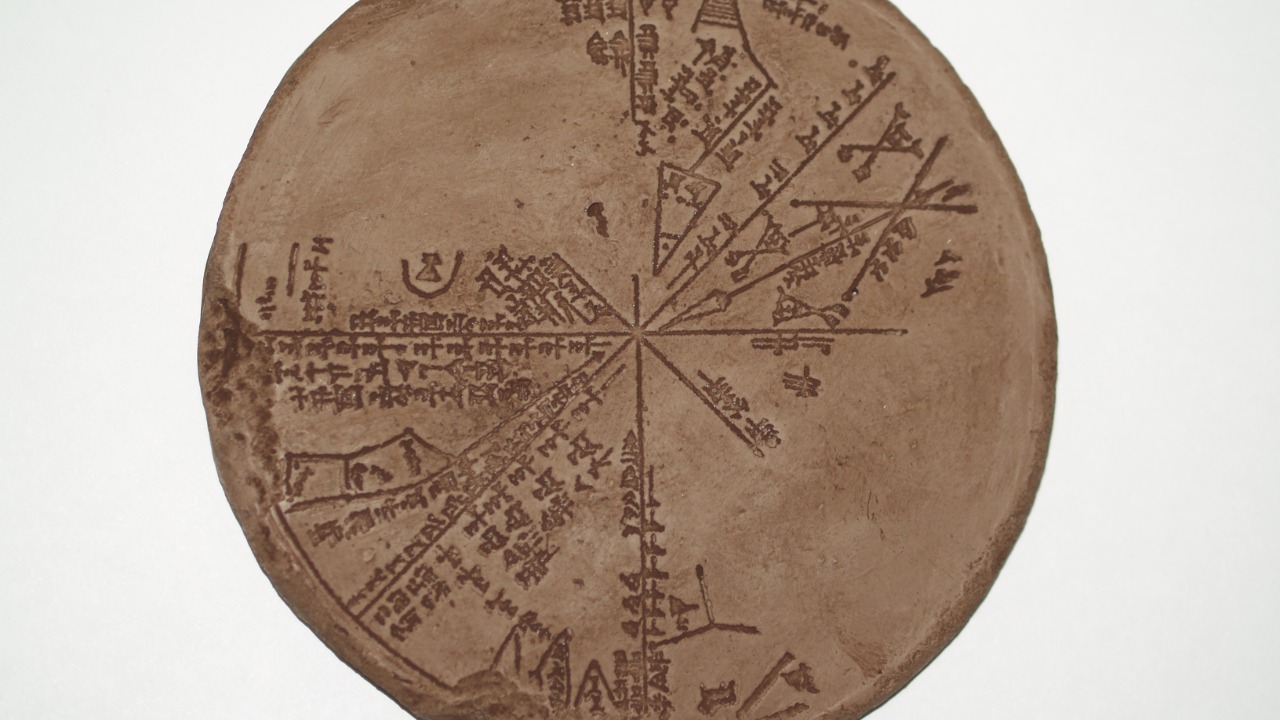
After an in-depth analysis of the symbols and patterns on the tablet, astronomers and archaeologists have concluded that they represent constellations and other celestial bodies. The lines between the symbols seem to denote the connections between different stars in a constellation. Some larger symbols, distinguished by their unique patterns, may represent prominent celestial bodies like the sun and the moon.
The layout of the star map and the identification of specific constellations suggest that the ancient people who created the tablet had a sophisticated understanding of the night sky. They might have used these star maps for navigation, time-keeping, or religious rituals. More research is needed, however, to fully understand the extent of their astronomical knowledge and how they used it in their daily lives. Similar ancient star maps have revealed fascinating insights into past civilizations and their understanding of the cosmos.
3. Historical Context and Importance
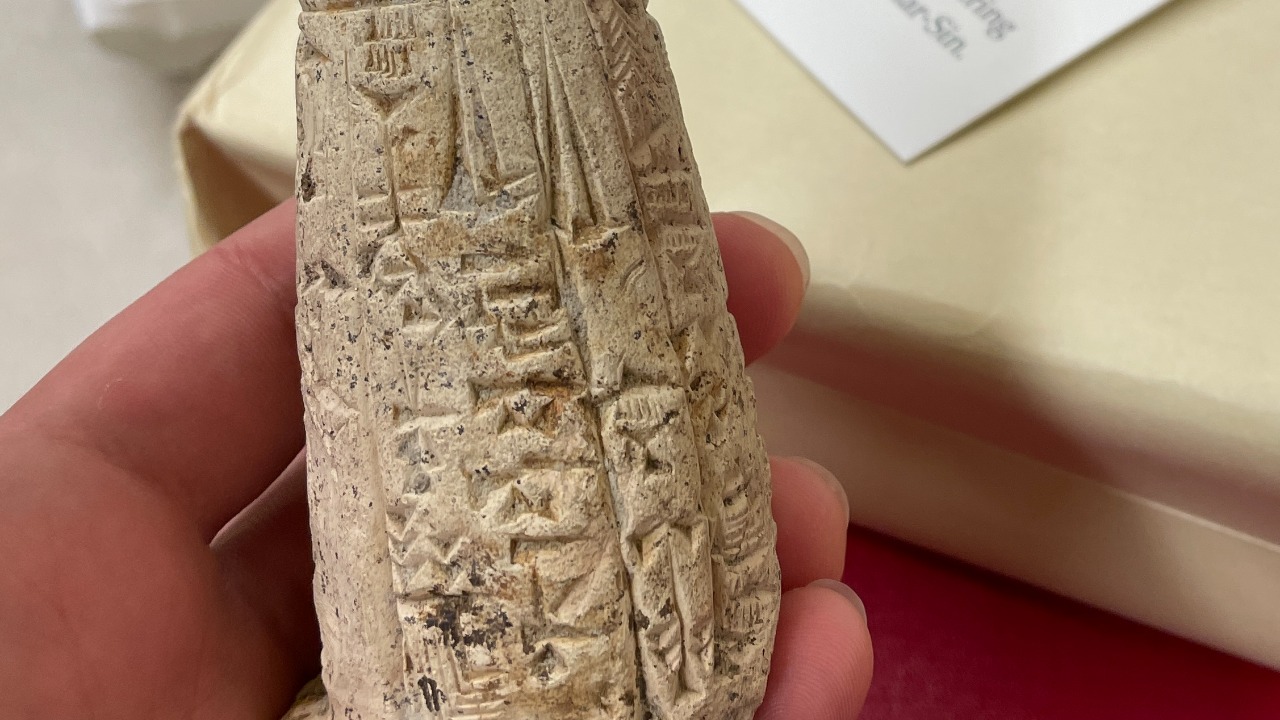
The period in which the Pacific tablet was created can be traced back to around 3000 BCE. This era, known as the Early Bronze Age, was a time of significant advancements in many areas, including astronomy. The civilization responsible for the creation of the tablet would have been part of a seafaring culture, relying heavily on the stars for navigation. Hence, the tablet’s significance extends beyond its historical value, providing a tangible link to our ancestors’ understanding of the cosmos.
As a relic of an ancient civilization’s astronomical knowledge, the tablet provides a unique perspective on the history of human understanding of the cosmos. It stands as a testament to the fact that even thousands of years ago, our ancestors had a sophisticated understanding of the night sky and its patterns. The Pacific tablet is thus an essential artifact in the history of astronomy.
4. Comparisons with Other Ancient Star Maps
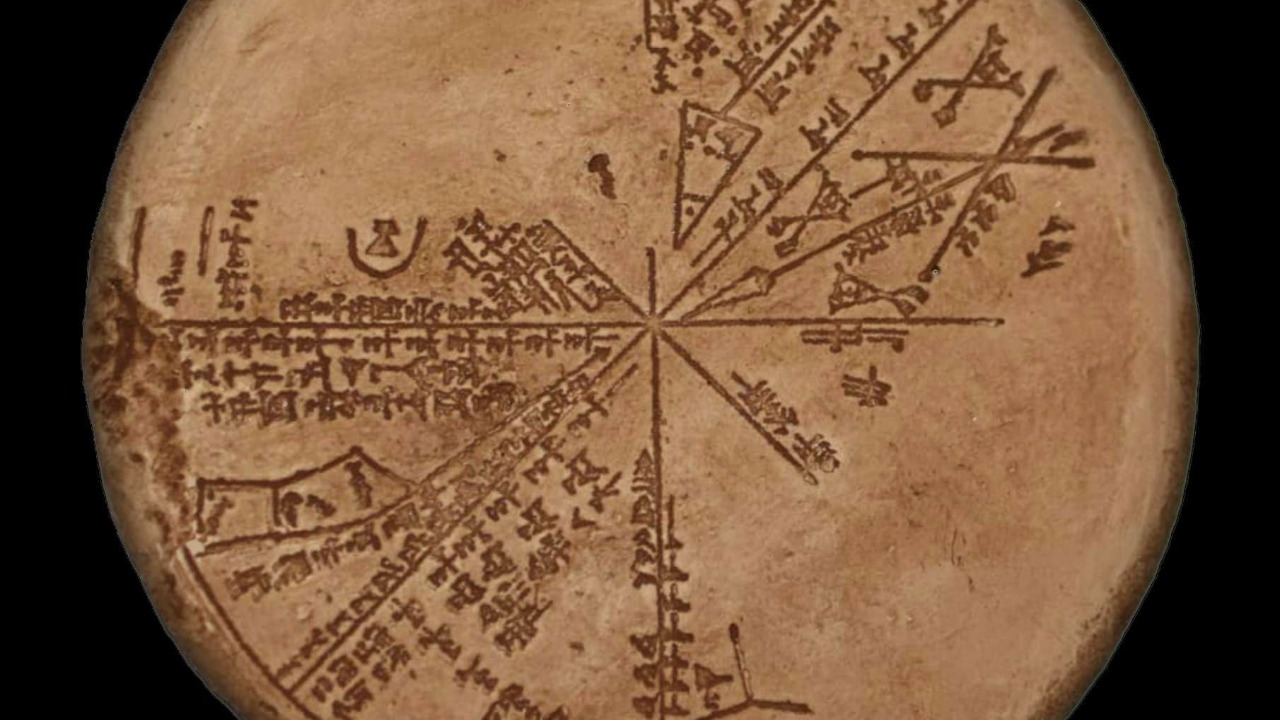
Looking at other known ancient star maps, such as the Sumerian star maps, reveals interesting parallels and differences. Both the Pacific and Sumerian maps depict the night sky’s major constellations, demonstrating an advanced understanding of astronomy. However, the Pacific tablet differs in its representations of certain celestial patterns, suggesting regional variations in astronomical knowledge and interpretation.
These comparisons allow for a better understanding of the spread and development of astronomical knowledge in ancient times. The similarities and differences between these maps can provide insights into how different cultures interacted with and interpreted the cosmos, offering a fascinating glimpse into the past.
5. Controversies and Unresolved Questions

Despite the excitement surrounding the discovery of the Pacific tablet, there are differing opinions among experts about the interpretation and significance of the star maps. Some argue that the tablet might not be a star map, but rather a form of ancient art or religious symbolism. Others question whether the creators of the tablet had a comprehensive understanding of astronomy or if they were merely copying patterns they observed in the night sky.
Several mysteries related to the tablet remain unresolved. For instance, the purpose of the tablet – whether it was used for navigation, religious rituals, or simply as a record of observed celestial patterns – is still unclear. The ongoing research aims to answer these questions and shed more light on this fascinating artifact. For those interested in delving deeper into the subject, this book provides an in-depth examination of ancient star maps, including those found on the Pacific tablet.
