Paleontologists have made a groundbreaking discovery of over 70,000 fossils at an unexpected location—a garbage dump. This remarkable find includes invaluable primate fossils, transforming the site into a significant paleontological hotspot. The October 2025 discovery offers new insights into prehistoric ecosystems, highlighting the potential of urban areas as repositories of ancient life.
The Discovery Process
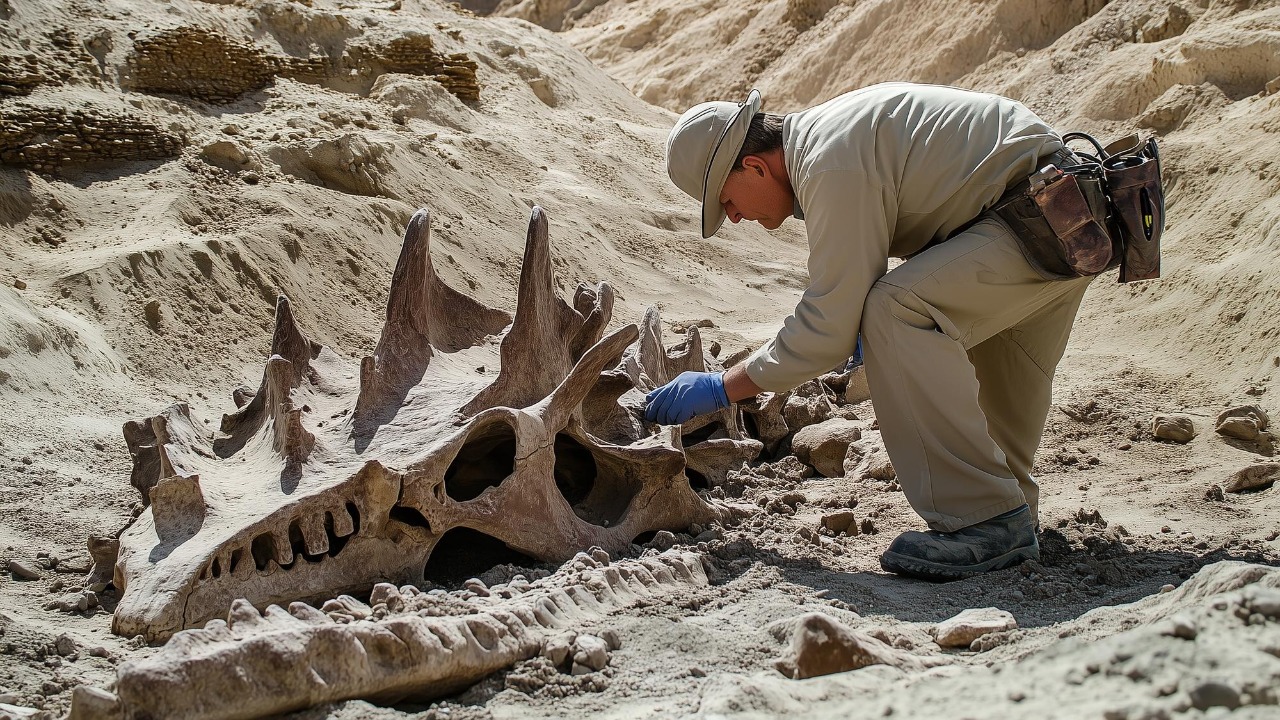
The initial surveys at the garbage dump site revealed a treasure trove of fossils, leading to systematic excavation efforts that unearthed over 70,000 specimens. This discovery was not only surprising due to the sheer volume of fossils but also because of the location itself, which was previously considered unlikely for such finds. The process began with paleontologists conducting detailed surveys, which quickly indicated the presence of significant fossil deposits. As the excavation progressed, the team identified a variety of fossils, including those of primates, which are considered particularly valuable for understanding evolutionary history (Daily Galaxy).
Upon identifying the primate fossils early in the dig, the team expanded their operations to catalog the full extent of the deposit. This expansion was crucial in ensuring that the site was thoroughly examined and that all potential fossils were documented. The fieldwork, which began in October 2025, involved meticulous documentation of the site’s layers to trace the deposition of fossils over time. This methodical approach allowed researchers to piece together the historical context of the fossils, providing a clearer picture of the prehistoric environment (National Geographic).
Key Fossils and Their Variety
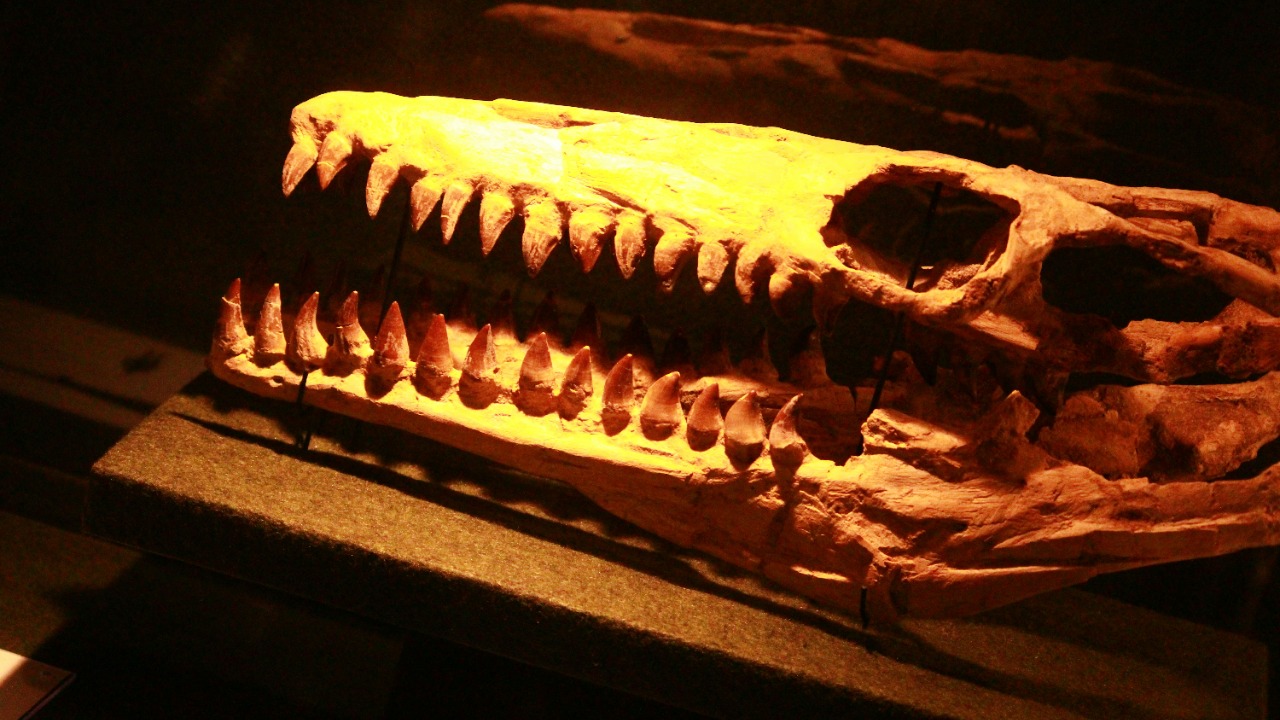
The discovery at the garbage dump includes a diverse array of fossils, underscoring the site’s role as an accidental preservation site. Among the over 70,000 fossils found, the primate fossils stand out due to their rarity and the potential insights they offer into evolutionary studies. These fossils are invaluable for researchers aiming to fill gaps in the understanding of primate evolution and, by extension, human ancestry. The presence of such fossils in a garbage dump challenges traditional assumptions about where significant paleontological finds can occur (Daily Galaxy).
In addition to primate fossils, the site yielded a wide variety of vertebrate and invertebrate specimens. Each of these fossils requires specialized analysis to determine their age and origin, contributing to a broader understanding of the prehistoric ecosystem. The diversity of the fossils found at the site provides a unique opportunity for paleontologists to study a wide range of species and their interactions within their environment. This variety also highlights the importance of interdisciplinary approaches in paleontology, as researchers must draw on expertise from multiple fields to fully understand the implications of their findings (National Geographic).
Challenges of Excavating a Dump Site
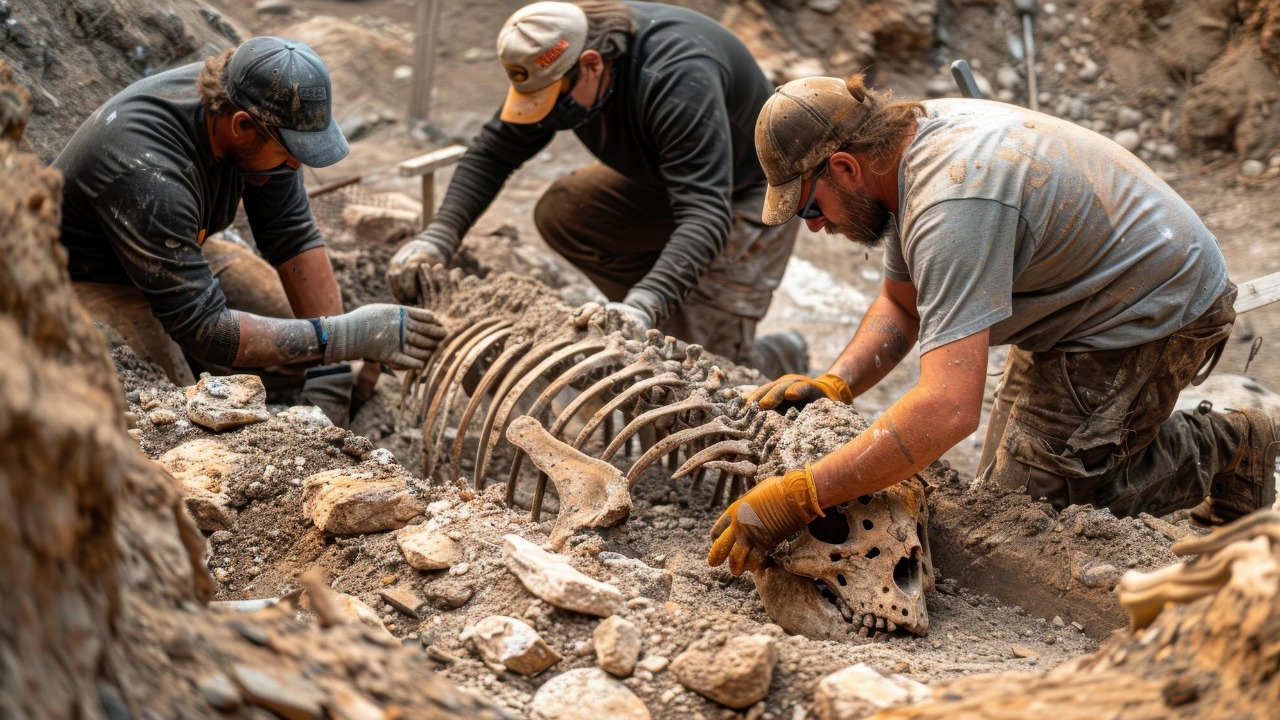
Excavating fossils from a garbage dump presents unique challenges, primarily due to the modern waste contamination and unstable terrain. The presence of contemporary debris complicates the recovery process, requiring careful sifting techniques to separate ancient remains from the accumulated waste. This meticulous process is essential to ensure that the fossils are not damaged or overlooked during excavation. The sheer volume of over 70,000 fossils necessitated a systematic approach to excavation, with teams employing advanced techniques to manage the complex environment (Daily Galaxy).
Particularly delicate were the primate fossils, which required on-site conservation efforts to prevent damage from exposure. These fossils, due to their fragility and scientific importance, demanded immediate attention to preserve their integrity. The October 2025 operations highlighted the need for specialized conservation techniques in challenging environments, ensuring that these priceless artifacts could be studied in detail. The successful recovery and preservation of these fossils underscore the importance of adaptive strategies in paleontological excavations, especially in unconventional sites (National Geographic).
Implications for Paleontology
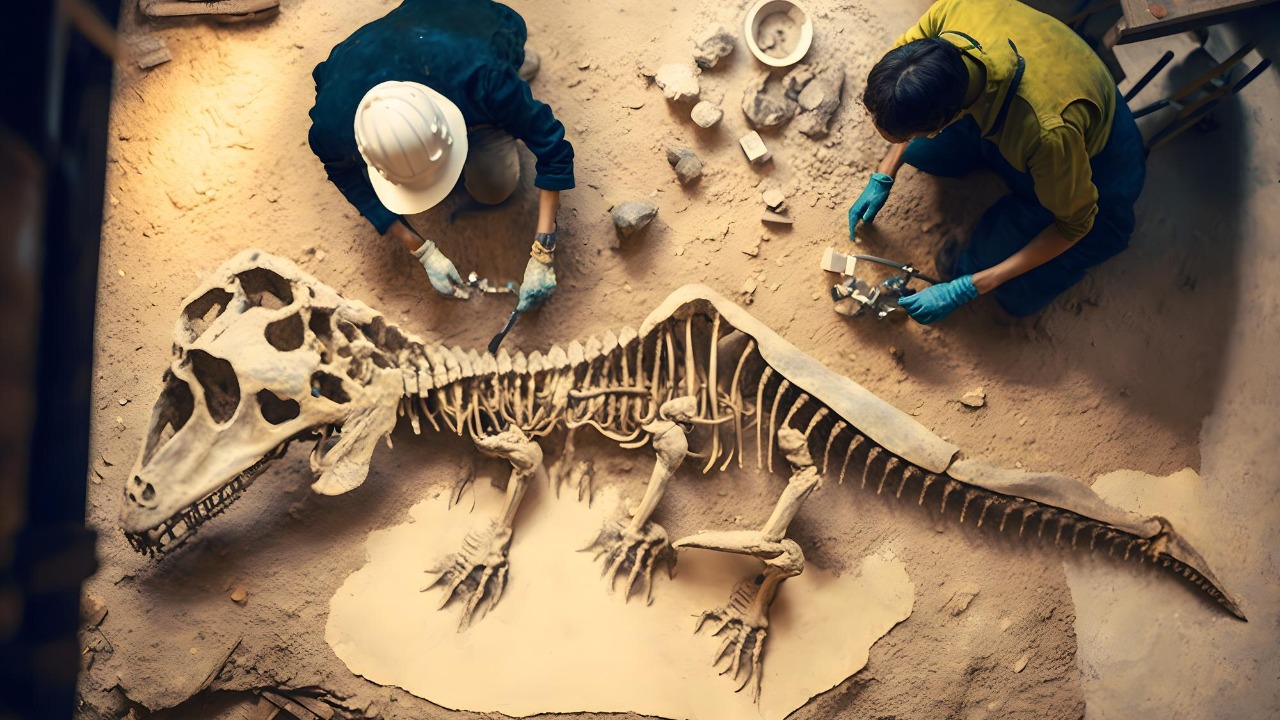
The discovery of over 70,000 fossils in a garbage dump redefines urban sites as potential fossil repositories, challenging traditional notions of where significant paleontological finds can occur. This revelation encourages paleontologists to consider urban environments as viable locations for future digs, potentially uncovering new insights into prehistoric life. The implications of this discovery extend beyond paleontology, as it prompts a reevaluation of how modern waste management practices can intersect with archaeological and paleontological research (Daily Galaxy).
The primate fossils, in particular, could bridge gaps in human ancestry research, offering new data on evolutionary timelines. These fossils provide a rare opportunity to study primate evolution in detail, potentially yielding insights into the development of traits that are shared with humans. The findings from this site may lead to a deeper understanding of the evolutionary processes that shaped modern primates and, by extension, human beings. This underscores the broader significance of the discovery, as it contributes to the ongoing quest to unravel the complexities of human evolution (National Geographic).
The October 2025 findings also encourage interdisciplinary approaches, combining archaeology with waste management studies for future digs. This collaboration could lead to innovative methods for identifying and preserving fossils in urban environments, enhancing the ability of researchers to uncover and study ancient life. By integrating expertise from multiple fields, paleontologists can develop more effective strategies for exploring and understanding the rich history preserved beneath modern landscapes (Daily Galaxy).
