The solar system’s asteroid belt, a region teeming with over 1.9 million large rocks, is slowly disappearing. This gradual depletion, as detailed in recent astronomical observations, underscores the dynamic processes at play in our solar system.
Understanding the Asteroid Belt
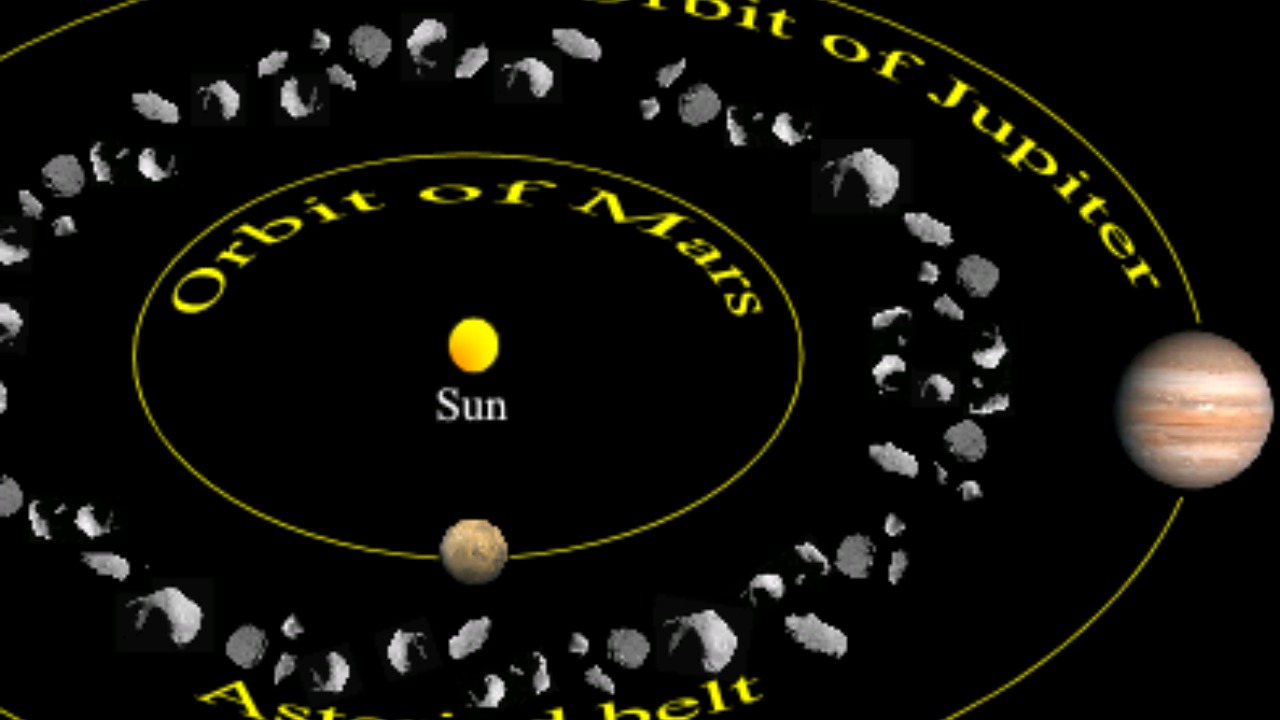
The asteroid belt is a region in the solar system situated between Mars and Jupiter. It serves as a reservoir of rocky remnants from the early solar system’s formation. This vast collection of space debris provides invaluable insights into planetary formation and holds potential resources for future space exploration. Interesting Engineering reports that the belt currently houses over 1.9 million large rocks, a key metric of its current inventory.
According to Interesting Engineering, the asteroid belt is not just a simple ring of rocks, but a complex and dynamic environment. The asteroids within the belt are in constant motion, orbiting the sun at different speeds and in different directions. This constant motion, combined with the gravitational influences of nearby planets, leads to frequent collisions and interactions between asteroids. These interactions can cause asteroids to change their orbits, break apart, or even be ejected from the belt entirely.
The asteroid belt also plays a crucial role in the overall structure and balance of the solar system. The gravitational interactions between the asteroids and the planets help to stabilize the orbits of the planets and prevent them from drifting too far from their current positions. Additionally, the asteroid belt acts as a sort of buffer zone, helping to prevent collisions between the inner and outer planets.
Evidence of the Disappearing Belt
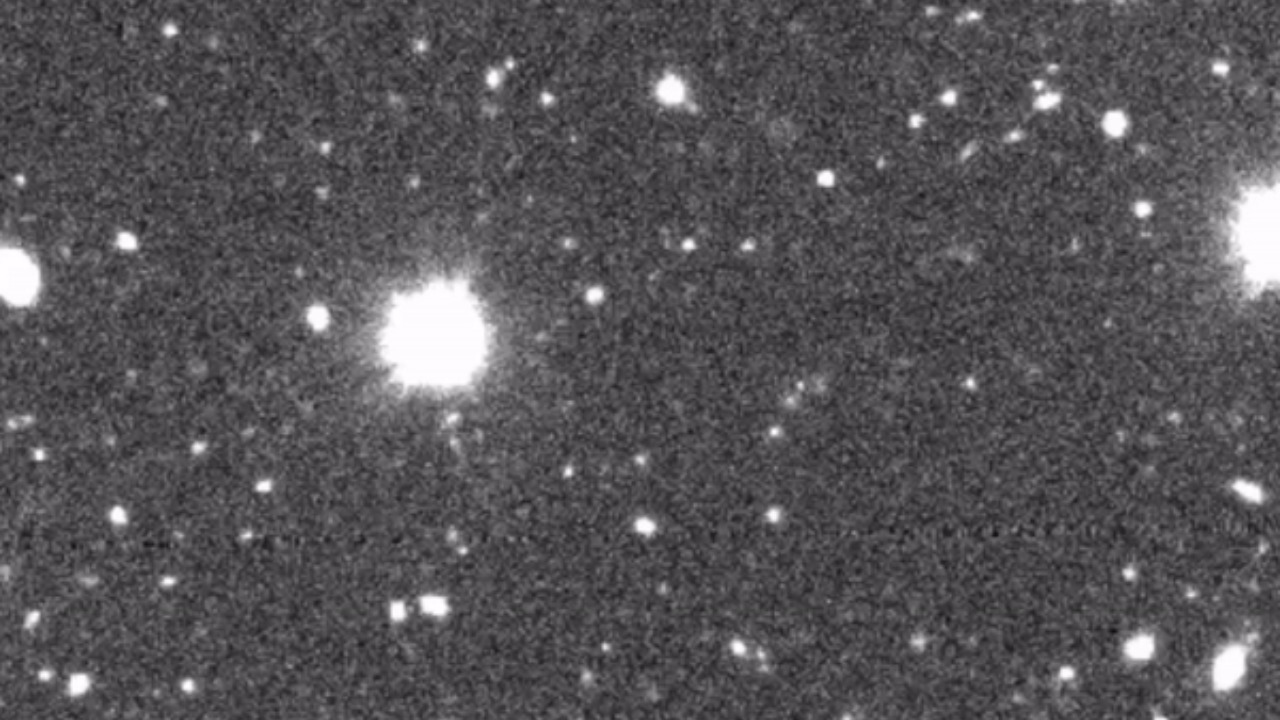
Observational data shows that the asteroid belt is slowly disappearing. This is primarily due to gravitational influences and collisions among the asteroids themselves. Tracking methods, such as telescope surveys, have confirmed the ongoing loss of material over time. The latest confirmation of this trend was reported on October 3, 2025.
Researchers have been observing the asteroid belt for decades, and over that time, they have noticed a gradual decrease in the number of large asteroids. This is not due to a lack of new asteroids being formed, but rather to the fact that existing asteroids are being slowly eroded away. The Interesting Engineering article explains that this erosion is caused by a combination of factors, including collisions between asteroids, the gravitational pull of nearby planets, and the effects of solar radiation.
These observations have been confirmed by multiple methods, including both ground-based and space-based telescopes. These tools allow astronomers to track the positions and sizes of individual asteroids over time, providing a detailed picture of the belt’s slow disappearance. The data collected by these observations is then used to create models and simulations of the asteroid belt, helping to improve our understanding of this complex and dynamic environment.
Composition and Scale of Asteroids
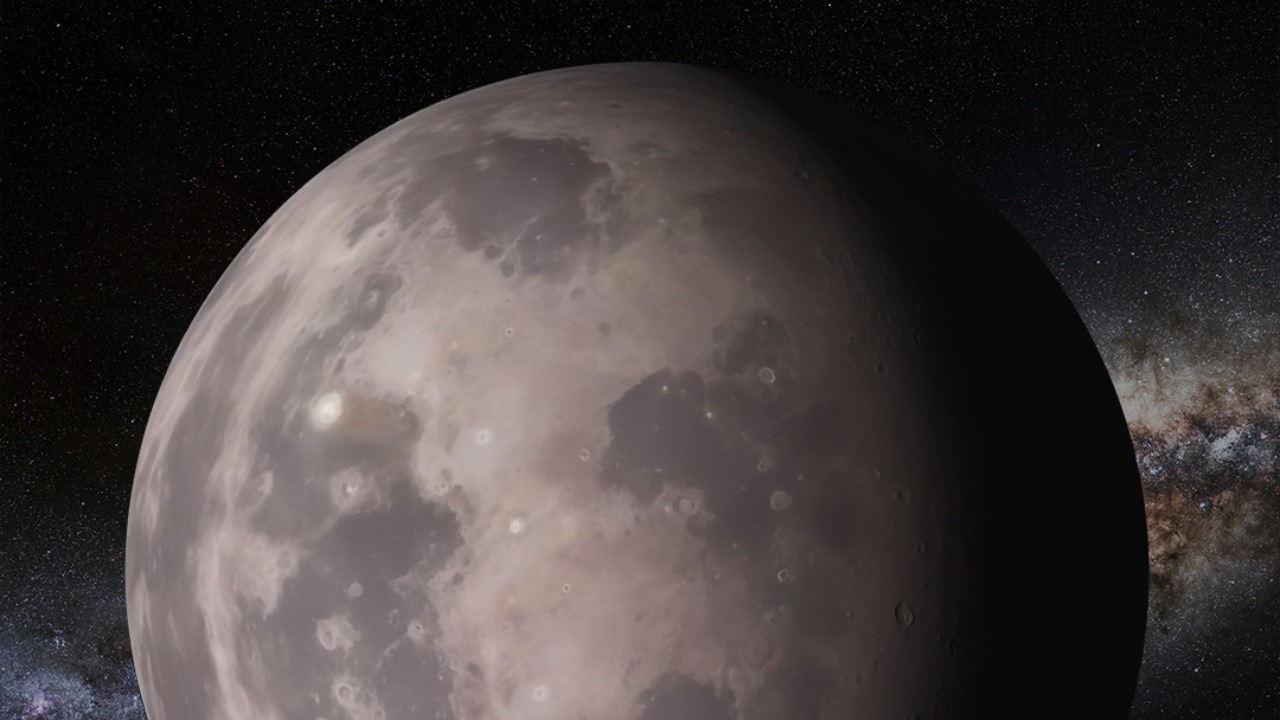
The over 1.9 million large rocks in the asteroid belt are primarily composed of metals, silicates, and carbonaceous materials. The size classifications focus on asteroids larger than 1 kilometer, which contribute to the 1.9 million count. Despite the belt’s slow disappearance, this vast number underscores its density.
The asteroids in the belt are incredibly diverse in terms of their composition. According to Interesting Engineering, some asteroids are primarily composed of metal, while others are made up of silicate rock or carbonaceous material. This diversity is a reflection of the conditions that were present in the early solar system, when these asteroids were first formed. The different types of asteroids can provide valuable clues about the processes that led to the formation of the planets and other bodies in the solar system.
Despite the large number of asteroids in the belt, the total mass of all the asteroids combined is actually quite small compared to the planets. Even so, the sheer number of asteroids, combined with their diverse compositions, makes the asteroid belt a rich source of scientific data. The study of these asteroids can provide valuable insights into the history and evolution of our solar system.
Causes Behind the Depletion
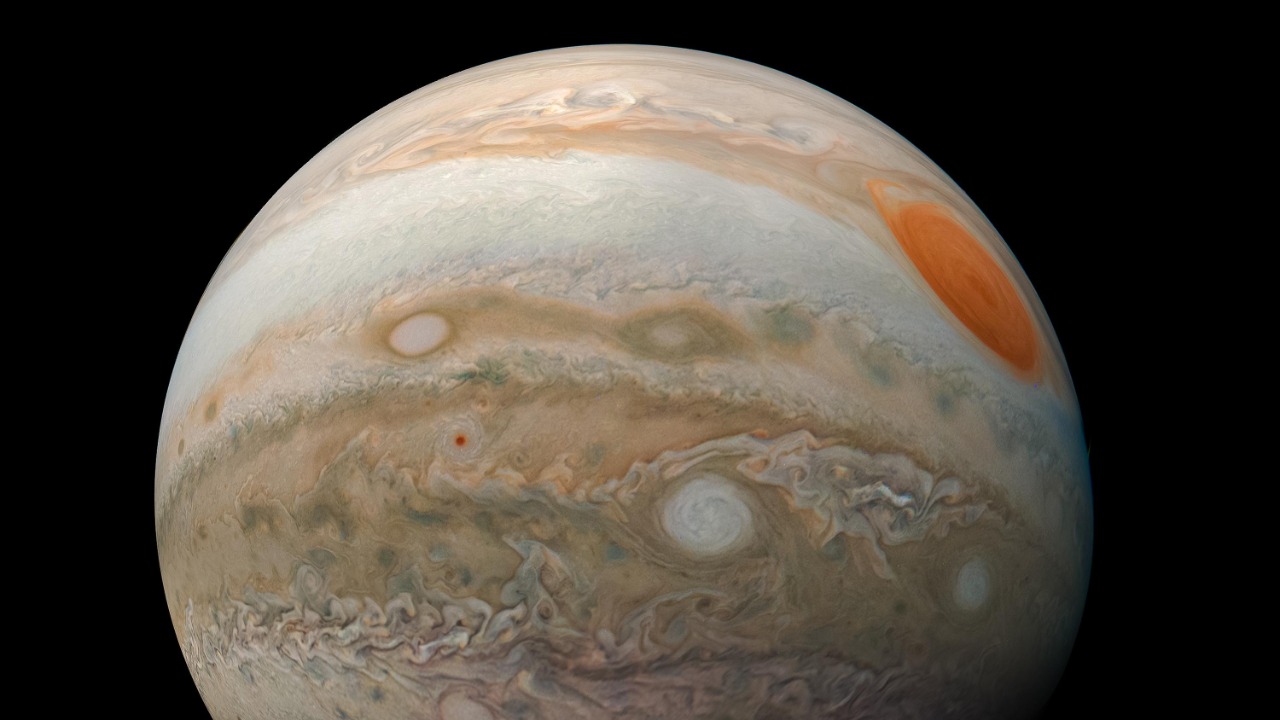
Jupiter’s gravitational pull is a primary factor accelerating the slow disappearance of the asteroid belt. Internal collisions among the over 1.9 million large rocks also contribute to the depletion, as these collisions fragment and eject material from the belt. Over time, these processes can lead to a significant reduction in the number of large asteroids in the belt. The Interesting Engineering article explains that other factors, such as solar radiation and the Yarkovsky effect, also play a role in the belt’s disappearance.
The Yarkovsky effect is a subtle force that can alter the orbits of small bodies in space. It is caused by the uneven heating and cooling of an asteroid’s surface, which can create a small but persistent thrust. Over time, this thrust can cause an asteroid to drift out of its original orbit, potentially leading to a collision with another asteroid or even with a planet.
Implications for Solar System Evolution
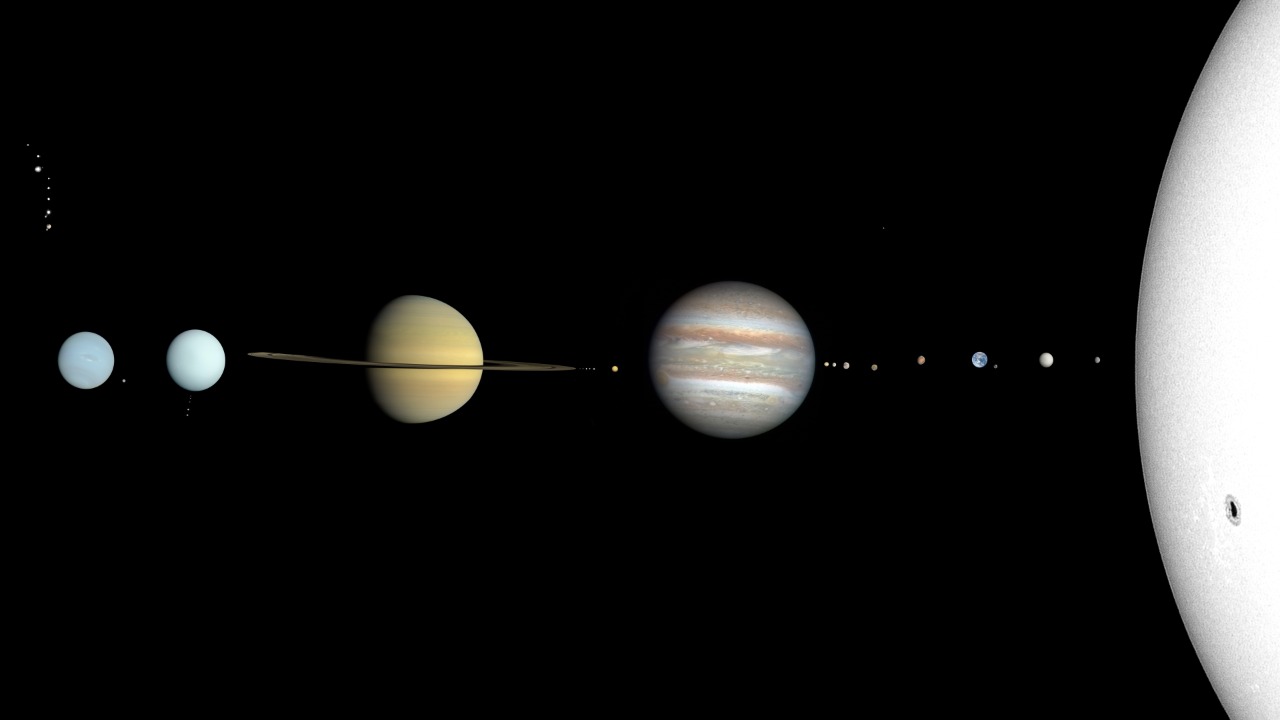
The slow disappearance of the asteroid belt affects the delivery of volatiles and metals to the inner planets. This has potential impacts on Earth’s history, including past bombardment events tied to the belt’s over 1.9 million large rocks. Long-term scenarios suggest that continued depletion could alter orbital dynamics in the solar system.
The gradual disappearance of the asteroid belt has significant implications for the evolution of our solar system. As the number of asteroids decreases, the amount of material available for the formation of new planets and other bodies also decreases. This could potentially alter the future development of the solar system, leading to a different arrangement of planets and other bodies than what we see today. The Interesting Engineering article explains that the depletion of the asteroid belt could also affect the delivery of volatiles and metals to the inner planets, potentially impacting their composition and climate.
Furthermore, the disappearance of the asteroid belt could have implications for the stability of the solar system. The gravitational interactions between the asteroids and the planets help to stabilize the orbits of the planets, so a decrease in the number of asteroids could potentially lead to increased orbital instability. This could result in changes to the orbits of the planets, potentially leading to increased chances of collisions between planets or other catastrophic events.
Current Research and Monitoring
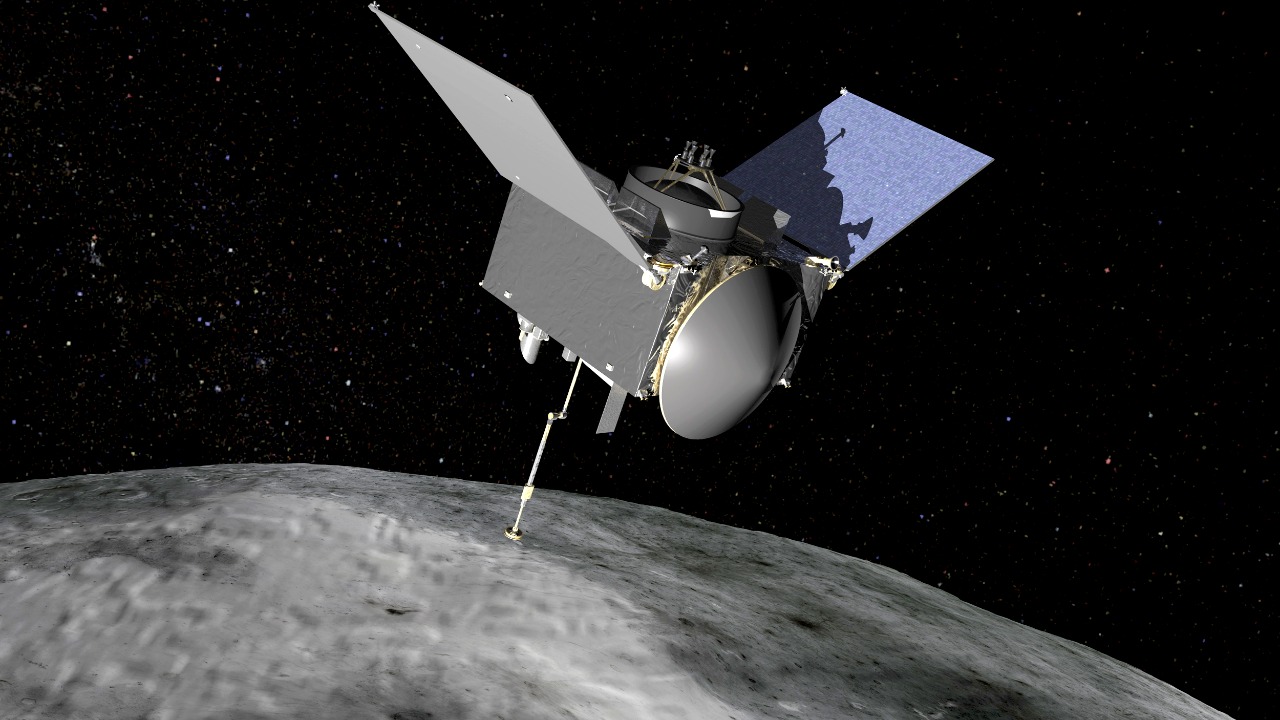
There are currently several ongoing missions aimed at studying the asteroids in the belt. These include NASA’s OSIRIS-REx mission and Japan’s Hayabusa2 mission, both of which are designed to collect samples from asteroids and return them to Earth for analysis. These missions will provide valuable data on the composition and structure of asteroids, helping to improve our understanding of the asteroid belt and its role in the solar system. The Interesting Engineering article also mentions the use of ground-based and space-based telescopes to monitor the belt’s slow disappearance.
In addition to these missions, there are also several databases and catalogues that track the positions and sizes of asteroids in the belt. These resources are invaluable for researchers studying the asteroid belt, as they provide a comprehensive overview of the belt’s current state. By comparing this data with historical records, researchers can track the belt’s slow disappearance and gain insights into the processes driving this phenomenon.
