OpenAI and Nvidia have recently entered into a colossal $100 billion partnership. However, this ambitious venture faces a significant hurdle: the extensive power access required to operate data centers for AI technology.
Details of the OpenAI and Nvidia Deal

The $100 billion deal between OpenAI and Nvidia is a landmark in the tech industry. This partnership represents a strategic move by Nvidia to further its influence in the AI sector. The deal’s intricacies reveal a well-crafted strategy aimed at leveraging the strengths of both entities to drive AI technology forward source.
Nvidia’s decision to invest heavily in AI, as evidenced by this deal, is a testament to the company’s commitment to shaping the future of technology. The partnership with OpenAI is not just about financial investment; it’s about creating a synergy that will propel AI technology to new heights source.
OpenAI’s expertise in AI research and development, combined with Nvidia’s prowess in hardware and software solutions, forms the backbone of this partnership. The collaboration is expected to accelerate the development of AI technologies, with Nvidia’s advanced GPUs playing a crucial role in OpenAI’s research initiatives source.
Furthermore, the deal also includes a commitment from Nvidia to provide OpenAI with the necessary infrastructure for AI development. This includes high-performance computing resources, which are essential for the complex computations required in AI research and development source.
Access to Power: The Major Challenge
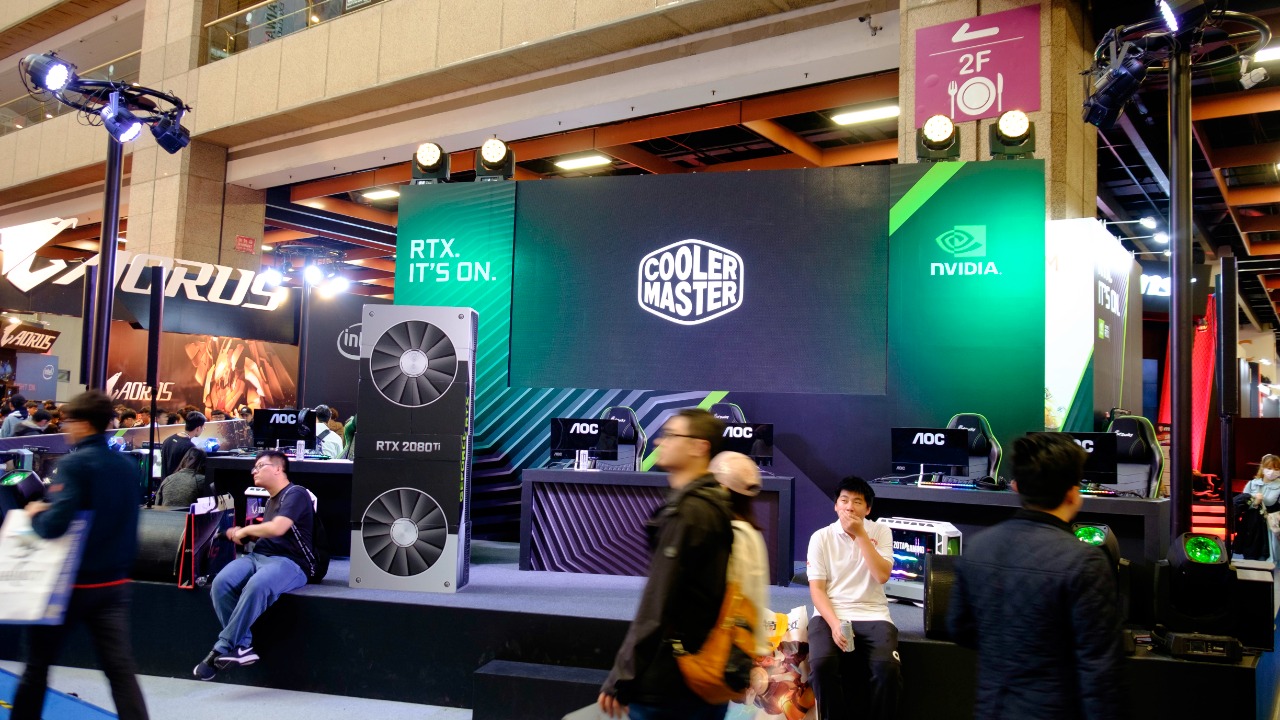
Despite the potential benefits of this partnership, a significant challenge lies ahead. The operation of data centers for AI technology requires extensive energy, posing a considerable obstacle to the OpenAI and Nvidia deal source. The scale of power requirements is highlighted by Nvidia’s large-scale investments in AI, including the OpenAI deal, during a significant week for the tech industry source.
The energy demands of AI data centers are not a challenge exclusive to Nvidia and OpenAI. It’s a broader issue that the tech industry must address as AI technology continues to evolve and expand. The solution to this challenge will not only determine the success of the OpenAI and Nvidia partnership but also set the course for future large-scale AI projects.
Implications of the Deal

The OpenAI and Nvidia partnership has the potential to significantly impact the development of AI technology. The $100 billion deal represents a significant investment in AI’s future and could lead to groundbreaking advancements in the field source.
However, the power access challenges associated with this deal could have far-reaching implications. The feasibility and future of large-scale AI projects like the OpenAI and Nvidia partnership could be significantly affected by these challenges. The tech industry will be watching closely to see how these two giants navigate this issue, as it could set a precedent for future AI projects source.
As a result of this partnership, Nvidia and OpenAI are expected to push the boundaries of AI technology. The collaboration could lead to advancements in areas such as machine learning, natural language processing, and robotics. These developments could have far-reaching effects, potentially transforming various sectors including healthcare, finance, and transportation source.
On the other hand, the power access issue underscores the environmental implications of large-scale AI projects. The tech industry will need to find sustainable solutions to meet the energy demands of AI data centers. The way Nvidia and OpenAI address this issue could influence environmental policies and practices within the tech industry source.
