
In the rapidly evolving automotive industry, the recent introduction of the OP Mini-Engine has created a significant buzz. This innovative technology has left electric vehicles (EVs) struggling to keep up, challenging the notion that EVs are the ultimate solution to sustainable transportation. The OP Mini-Engine’s groundbreaking features and impact on the future of automotive technology are worth exploring.
The Rise of the OP Mini-Engine
Technology and Design Innovations
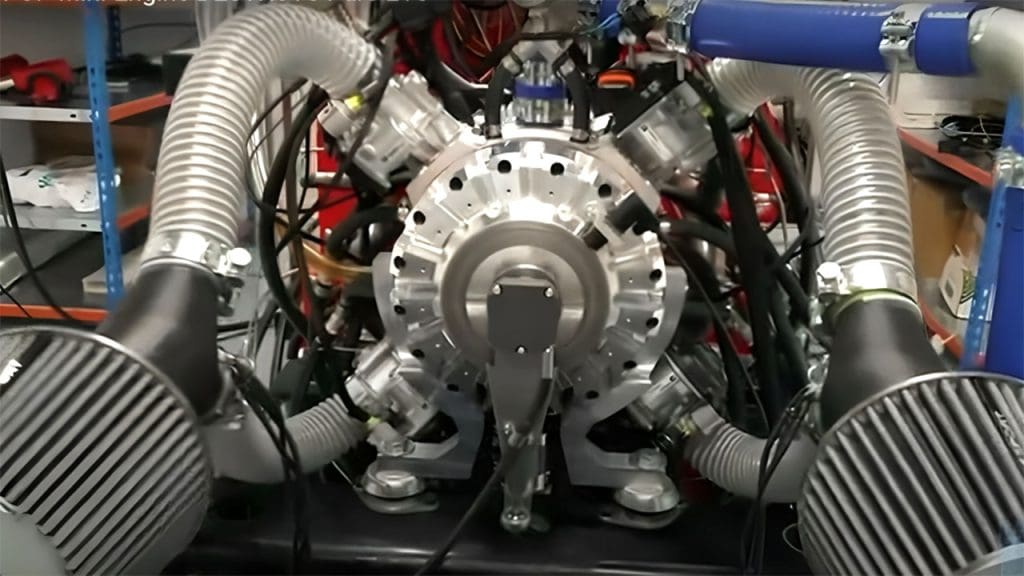
The OP Mini-Engine represents a leap forward in engine design and technology. Its compact size, combined with advanced engineering, allows it to deliver impressive power while maintaining high levels of efficiency. The engine incorporates state-of-the-art materials that reduce weight without compromising durability, making it an attractive option for automakers looking to enhance vehicle performance while meeting stringent emissions standards.
This innovative engine design integrates cutting-edge technology such as variable valve timing and turbocharging, which optimize combustion and increase power output. These advancements not only make the OP Mini-Engine a game-changer in the automotive industry but also set a new benchmark for what internal combustion engines can achieve in terms of performance and efficiency.
Performance and Efficiency
When it comes to performance, the OP Mini-Engine stands out among its competitors. It delivers power akin to larger traditional engines while maintaining superior fuel efficiency. For instance, in recent tests, vehicles equipped with this engine demonstrated a significant reduction in fuel consumption compared to both traditional internal combustion engines and electric vehicles.
The efficiency gains of the OP Mini-Engine translate to potential cost savings for consumers. With lower fuel consumption and decreased maintenance requirements, drivers can enjoy reduced operational costs over the vehicle’s lifetime. This economic advantage is crucial in a market where consumers are increasingly concerned about the total cost of ownership.
Challenges Faced by Electric Vehicles
Infrastructure and Range Limitations
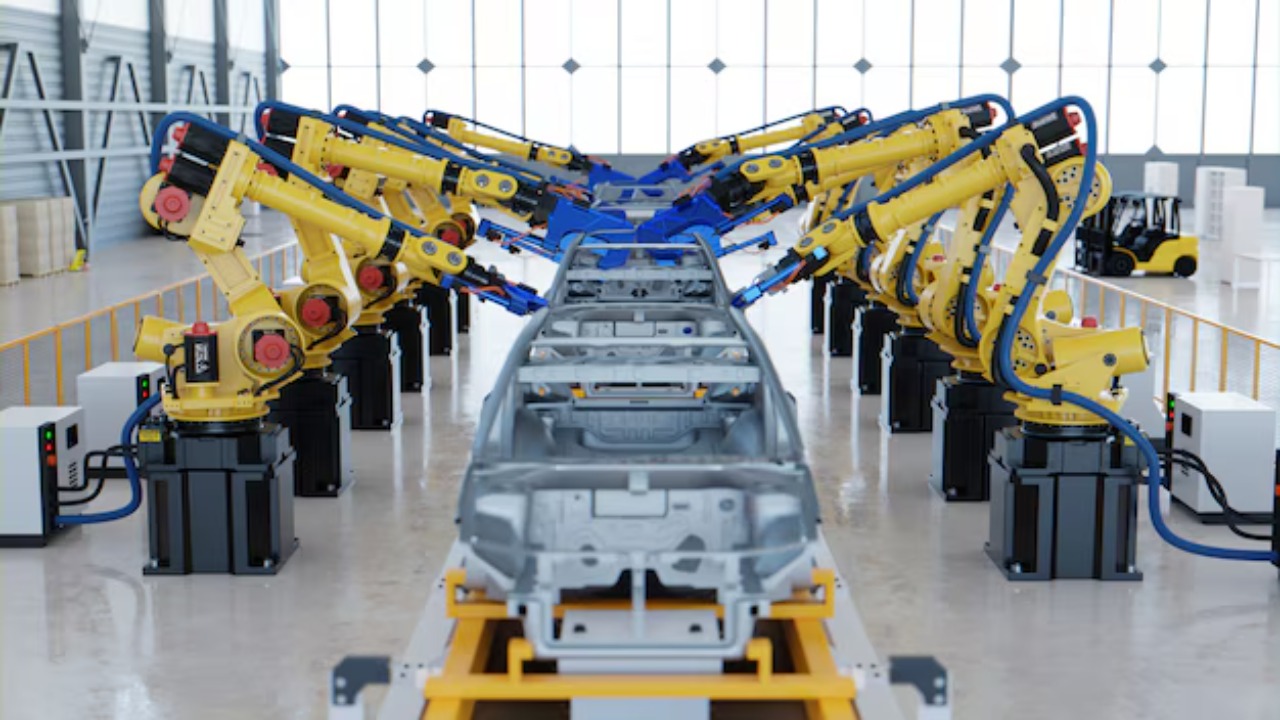
Despite the growing popularity of electric vehicles, several challenges hinder their widespread adoption. One of the most pressing issues is the inadequacy of charging infrastructure. While major urban areas may offer a reasonable number of charging stations, rural and suburban regions often lack sufficient facilities, posing a significant barrier to EV adoption.
Range anxiety remains another concern for potential EV buyers. Although advancements in battery technology have increased the range of electric vehicles, many consumers are hesitant to switch due to fears of being stranded without a charging station nearby. This limitation continues to impact consumer confidence and slows down the transition to electric mobility.
Environmental and Resource Concerns
The environmental impact of electric vehicles is not limited to their zero-emission operation. The production and disposal of EV batteries pose significant ecological challenges. The extraction and processing of raw materials such as lithium and cobalt are resource-intensive and raise concerns about sustainability and environmental degradation.
Moreover, the reliance on finite resources for battery production is a critical issue for the future of electric vehicles. As demand for EVs grows, so does the strain on these resources, leading to potential supply chain constraints and increased production costs. This reality underscores the need for alternative solutions in the pursuit of sustainable transportation.
The Impact on Automotive Industry Dynamics

Shifts in Market Trends
The introduction of the OP Mini-Engine is already influencing consumer preferences and market demand. As consumers become more aware of the engine’s benefits, there is a noticeable shift towards vehicles that offer both performance and efficiency without compromising on sustainability. This trend could result in a reevaluation of investment and research focus within the automotive industry, with more resources allocated to developing similar innovations.
The potential shift in market trends is also evident in the way automakers are adjusting their strategies. Companies that have traditionally focused on electric vehicles may need to reconsider their approach to incorporate hybrid or alternative powertrain technologies. The OP Mini-Engine’s success could lead to a more diversified market, where consumers have a wider array of choices that better meet their needs and preferences.
Competitive Landscape
Traditional automakers and EV companies are closely monitoring the developments surrounding the OP Mini-Engine. Some manufacturers are exploring partnerships to integrate this technology into their vehicle lineups, while others are ramping up research efforts to develop competitive alternatives. The competitive landscape is likely to become more dynamic as companies strive to stay ahead in the race for innovation.
Potential rivalries may also emerge as firms compete for market share. For instance, companies that have heavily invested in electric vehicle technology may find themselves at a crossroads, deciding whether to pivot towards hybrid solutions or double down on their current strategies. The evolving landscape promises to reshape the industry and redefine the future of automotive technology.
The Future of Sustainable Transportation
Hybrid Solutions and Innovations
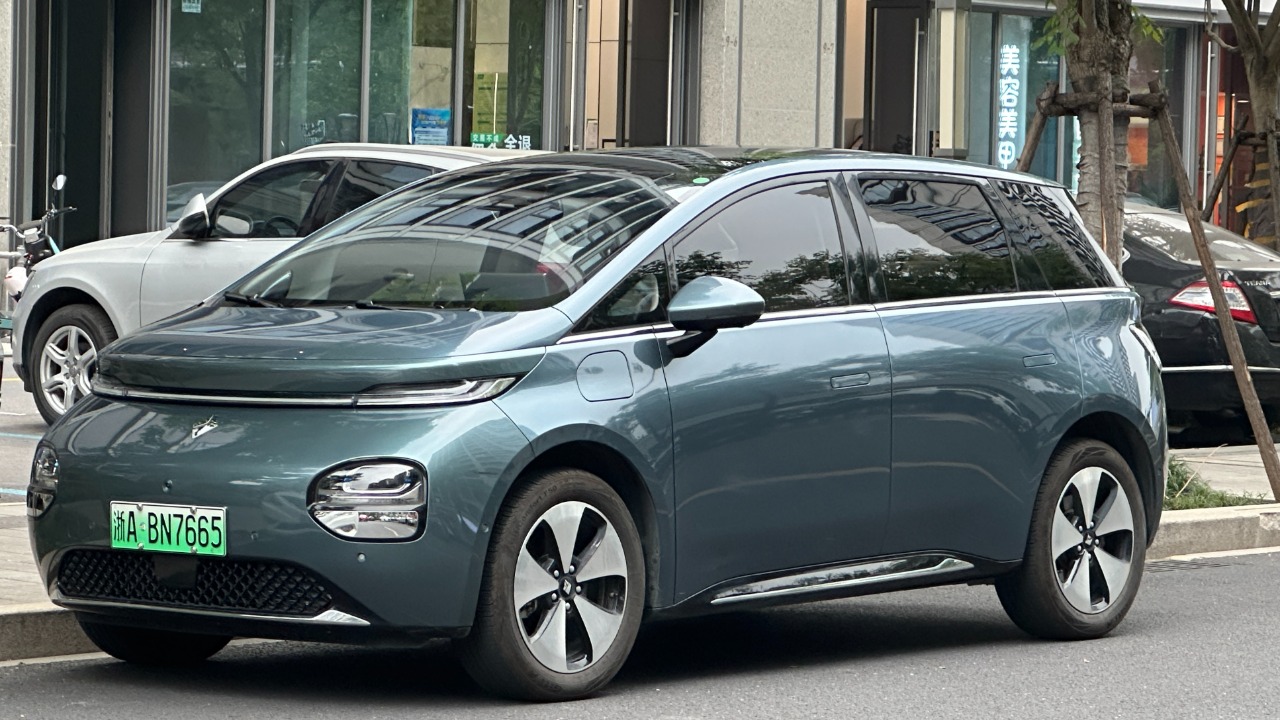
Hybrid vehicles could play a crucial role in bridging the gap between traditional engines and electric vehicles. The OP Mini-Engine, with its compact design and high efficiency, is well-suited for hybrid applications, offering a balanced approach to sustainable transportation. By combining the best attributes of both powertrains, hybrid vehicles can provide consumers with the performance and range they desire while minimizing environmental impact.
Innovative hybrid technologies are emerging that complement the capabilities of the OP Mini-Engine. For example, regenerative braking systems and advanced energy management software can enhance overall vehicle efficiency and performance. These innovations are essential for creating hybrid solutions that meet the demands of modern drivers and contribute to a more sustainable automotive landscape.
Policy and Regulatory Considerations
Government policies play a pivotal role in shaping the adoption of new automotive technologies. As the OP Mini-Engine gains traction, regulatory bodies must consider how to integrate this innovation into existing frameworks. Policies that incentivize the development and adoption of efficient engine technologies can accelerate the transition to more sustainable transportation solutions.
However, regulatory challenges remain, particularly in balancing the interests of various stakeholders. Policymakers must address concerns related to emissions standards, resource consumption, and environmental impact while fostering innovation. The success of the OP Mini-Engine and similar technologies will depend on a supportive regulatory environment that encourages progress without compromising sustainability goals.
Consumer Perspectives and Adoption

Public Perception and Acceptance
Consumer attitudes towards the OP Mini-Engine are generally positive, with many viewing it as a viable alternative to traditional and electric powertrains. The engine’s perceived benefits, such as improved efficiency and performance, resonate with consumers who prioritize both cost savings and environmental responsibility. However, widespread adoption will depend on continued awareness and education efforts that highlight the advantages of this technology.
Factors driving consumer adoption include the desire for greater vehicle performance, lower fuel costs, and reduced environmental impact. As more consumers experience the benefits of the OP Mini-Engine firsthand, its acceptance is likely to grow, further solidifying its position in the market.
Cost and Accessibility
The cost implications of adopting OP Mini-Engine technology are an important consideration for potential buyers. While the initial purchase price may be higher than that of traditional engines, the long-term savings in fuel and maintenance costs make it an attractive option for cost-conscious consumers. Additionally, as production scales and technology advances, the price of vehicles equipped with the OP Mini-Engine is expected to decrease, improving accessibility.
Accessibility and affordability will play a critical role in determining the market penetration and success of the OP Mini-Engine. As automakers continue to refine and expand their offerings, consumers can expect a wider range of options that cater to different budgets and preferences. This increased accessibility will be key to the OP Mini-Engine’s ability to compete with electric vehicles and secure a place in the future of sustainable transportation.
