Archaeologists have recently accomplished an extraordinary feat by reconstructing an ancient Roman fresco, described as the “world’s most difficult jigsaw puzzle.” This complex task required assembling thousands of fragments from a Roman villa, ultimately shedding light on ancient art and daily life.
The Discovery of the Ancient Fragments
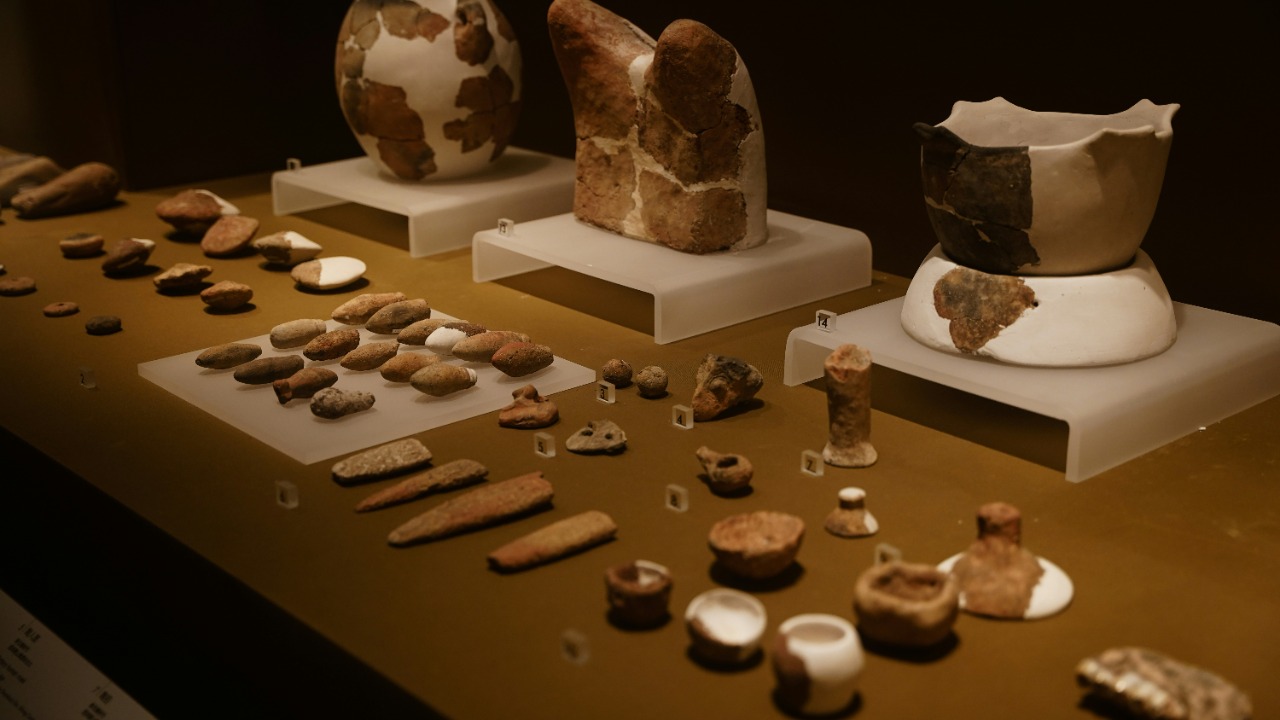
The initial discovery of these ancient fragments occurred during an excavation of a Roman villa, where archaeologists stumbled upon a vast array of small and seemingly insignificant pieces. This find posed an intriguing challenge: determining the significance and origin of each fragment. The fragments were scattered and buried, which made their initial extraction painstaking and time-consuming. Despite this, the team was committed to uncovering their historical importance.
Unraveling the mystery of these fragments required meticulous effort and advanced technology. The use of digital cataloging systems was essential in preserving the fragile pieces for future study. High-resolution imaging and detailed databases allowed researchers to organize and understand the fragments more efficiently, ensuring that each piece was documented and preserved with the utmost care.
Understanding the Complexity of the Puzzle

Why is this fresco considered the “world’s most difficult jigsaw puzzle”? The answer lies in the sheer number and complexity of the fragments involved. The fresco originally adorned the walls of a Roman villa, and over time, it had shattered into thousands of pieces. Each fragment varied in shape and size, making the reconstruction not only a test of patience but also of skill.
The deteriorated condition of the pieces added another layer of complexity. Many fragments were eroded or faded, challenging the restoration team to reconstruct not just the physical image but also the colors and textures that had once existed. These conditions required innovative techniques to restore the fresco to its former glory, despite the absence of some vital elements.
The Reconstruction Process

The reconstruction of the fresco was an intricate process involving multiple disciplines. The team of archaeologists, art historians, and technologists worked together to piece the fresco back together. Initially, experts meticulously cleaned and prepared each fragment, categorizing them based on color, texture, and shape. Then, they began the painstaking task of arranging these pieces, often relying on intuition and expertise to find matches.
Modern technology played a pivotal role in this effort. Tools such as 3D modeling and AI were employed to simulate potential configurations and identify piece placements that might not have been immediately obvious. These digital tools allowed the team to visualize the fresco in new ways, testing various arrangements before committing to the final assembly.
Insights Gained from the Reconstructed Fresco
The reconstructed fresco offers a window into Roman art and culture during the period. The imagery and themes depicted provide valuable insights into the aesthetic preferences and social norms of the time. The fresco showcases intricate designs and vibrant colors, reflecting the artistic sophistication of the Roman world.
Beyond its artistic value, the fresco also provides new historical narratives. The scenes depicted may tell stories of daily life, societal hierarchy, and cultural practices in ancient Roman villas. This newfound knowledge enriches our understanding of Roman history, revealing nuances that were previously unknown.
The Impact on Archaeological Practices

This project sets a new benchmark for future archaeological reconstructions. The techniques developed and refined during this process have the potential to be applied to other ancient artifacts and sites. As technology continues to advance, the methods used here can serve as a blueprint for similar restoration efforts around the world.
Moreover, the educational and cultural significance of reconstructing such ancient artworks cannot be overstated. These projects not only preserve history but also make it accessible to the public, allowing people to connect with the past in a tangible way. The reconstructed fresco stands as a testament to the dedication and ingenuity of modern archaeology.
Public Engagement and Future Prospects

Efforts are underway to display the reconstructed fresco to the public, ensuring that its historical value is shared with a wider audience. Museums and cultural institutions are keen to feature the fresco in exhibitions, offering visitors a chance to engage with a piece of ancient history firsthand.
The role of digital media is crucial in spreading the story of this remarkable reconstruction. Online platforms provide an avenue for sharing the fresco with a global audience, fostering appreciation and understanding of ancient Roman art and culture. As researchers continue their quest to uncover more such ancient puzzles, the lessons learned from this project will undoubtedly inspire and inform future endeavors.
