
A discovery in South America has reshaped our understanding of early human migration. A 15,000-year-old human footprint found in Chile provides compelling evidence of ancient human presence in the region. The implications of this find significantly impact the narrative of human history, offering new insights into how early humans may have traveled and lived.
The Discovery of the Footprint
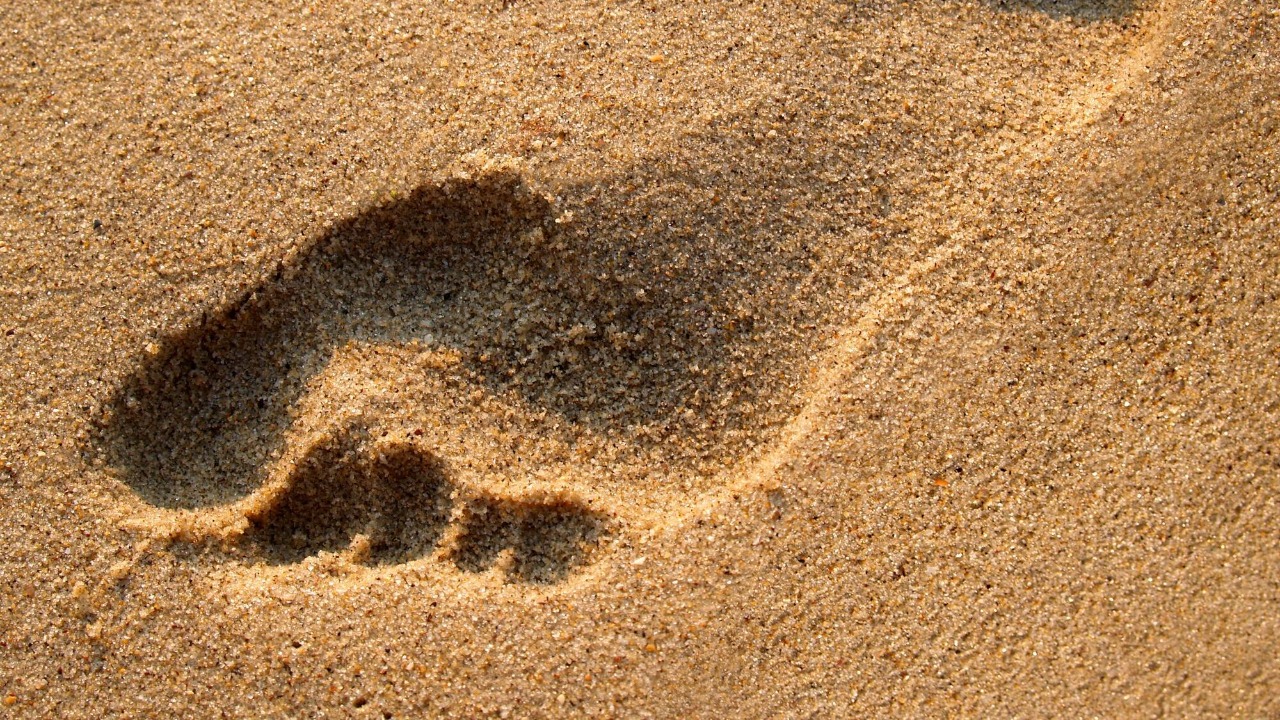
The ancient footprint was found in Pilauco, Chile, an area already known for its archaeological richness. Unearthed from a sediment layer, the footprint was well-preserved, allowing for detailed study. The initial analysis revealed that the size, depth, and clarity of the print indicated it belonged to a barefoot adult, suggesting a thriving human presence in the region during that period.
An archaeological team from the Austral University of Chile spearheaded this groundbreaking find. Employing meticulous excavation techniques, the team focused on preserving the integrity of the site while extracting valuable data. Their methodologies included both traditional excavation tools and modern imaging technology to capture the footprint’s intricate details.
The significance of this footprint lies not only in its age but also in its exceptional state of preservation. The clarity with which the toes and heel are visible provides researchers with a rare glimpse into the physical characteristics of early humans in South America.
Dating and Verification Techniques

To accurately date the footprint, researchers employed radiocarbon dating of organic material found in the same sediment layer. This method, combined with stratigraphic analysis, helped establish a timeline for when the footprint was made. Stratigraphic analysis involved studying the different layers of sediment to understand the sequence of events that led to the footprint’s preservation.
Verifying the age and authenticity of the footprint presented several challenges. Factors such as soil composition, climate, and potential contamination required careful consideration. Despite these hurdles, the consistency of results from multiple dating methods provided a strong case for the footprint’s authenticity.
Comparing this footprint with other ancient footprints found worldwide, such as those in South Africa, highlights both differences and similarities in early human migration patterns. Such comparisons are crucial in piecing together the broader story of human evolution and dispersal.
Implications for Human Migration Theories
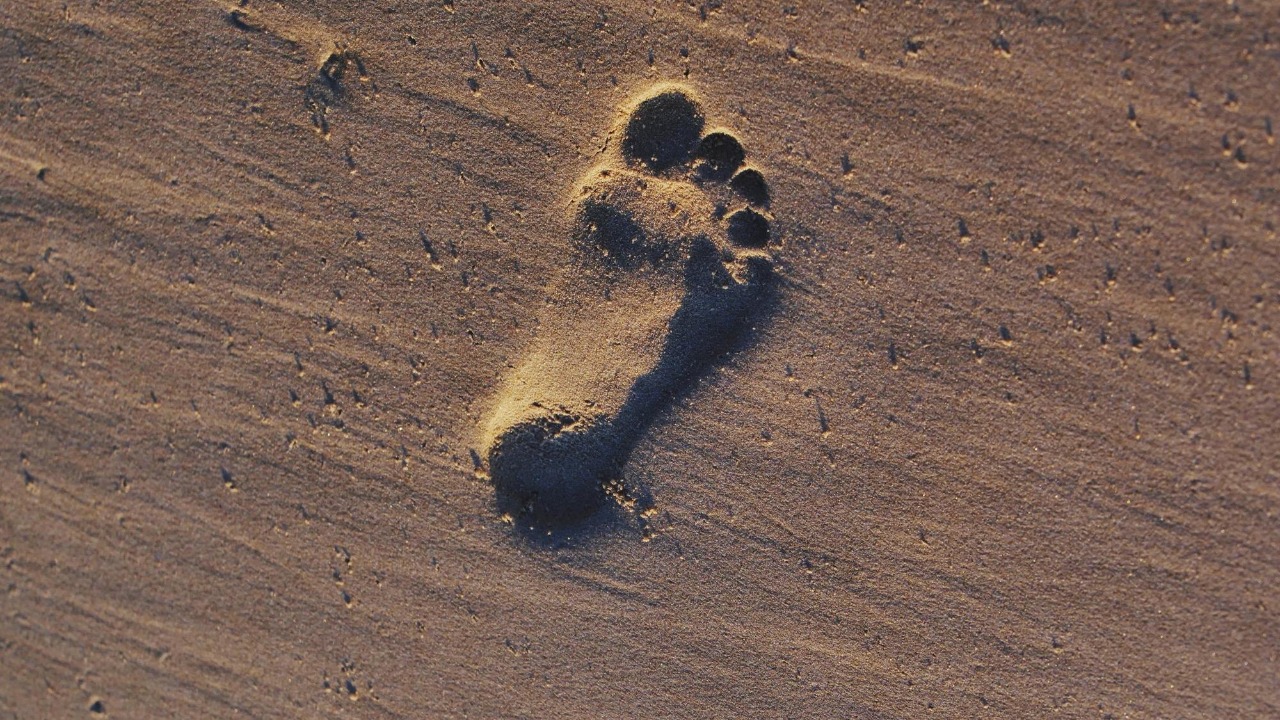
This discovery has the potential to challenge existing theories about human migration into the Americas. Traditionally, the Bering Land Bridge hypothesis has been the dominant explanation, suggesting humans migrated from Asia to North America via a land bridge. However, the Chilean footprint supports alternative theories, such as coastal migration routes, where early humans traveled by sea along the Pacific coastline.
The Pilauco footprint also offers insights into the lifestyle and environment of early South American inhabitants. The presence of human activity in this area 15,000 years ago suggests they adapted well to varied environments, from coastal regions to dense forests. Such adaptability could have been essential for their survival and eventual spread across the continent.
Cultural and Historical Context

The footprint holds significant value within the broader context of South American indigenous history. It serves as a tangible connection to the region’s prehistoric cultures, potentially shedding light on the origins and movements of early peoples. The footprint may also relate to known prehistoric cultures, offering clues about their daily lives, social structures, and interactions with the environment.
This discovery contributes to our understanding of human adaptation and survival. It underscores the resilience of early humans as they navigated diverse landscapes and climates. By studying such artifacts, researchers can reconstruct aspects of prehistoric life, enhancing our knowledge of ancestral human behavior and cultural development.
Scientific and Public Reactions

The scientific community has reacted with enthusiasm and intrigue to the discovery. Experts recognize the footprint’s potential to reshape longstanding theories about human migration. The find has sparked discussions and debates, encouraging further research and exploration in the region.
Public interest in the discovery has been significant, with media coverage highlighting the footprint’s historical importance. Articles from outlets like CNN have brought attention to this remarkable find, fostering a greater appreciation for archaeological and anthropological research.
Such discoveries play a crucial role in promoting scientific inquiry and understanding. They remind us of the enduring mysteries of human history and the ongoing quest to uncover our past.
Future Research and Exploration
The Pilauco footprint opens the door to further discoveries in the region and beyond. Researchers are optimistic about finding additional evidence of early human activity in South America. Unexplored areas hold the potential to reveal more about our ancestors’ movements and interactions with their environments.
Technological advancements continue to aid in the search for ancient human evidence. Tools like ground-penetrating radar and advanced imaging techniques enhance the ability to detect and analyze archaeological sites without disturbing them. These innovations are vital for uncovering new findings and preserving our shared heritage.
Interdisciplinary collaboration remains essential in unraveling the complexities of human history. By combining expertise from fields such as archaeology, anthropology, and geology, researchers can develop a comprehensive understanding of early human life and migration patterns. The Pilauco footprint is a testament to the power of such collaborative efforts in advancing our knowledge of the past.
