Bioluminescent Jellyfish
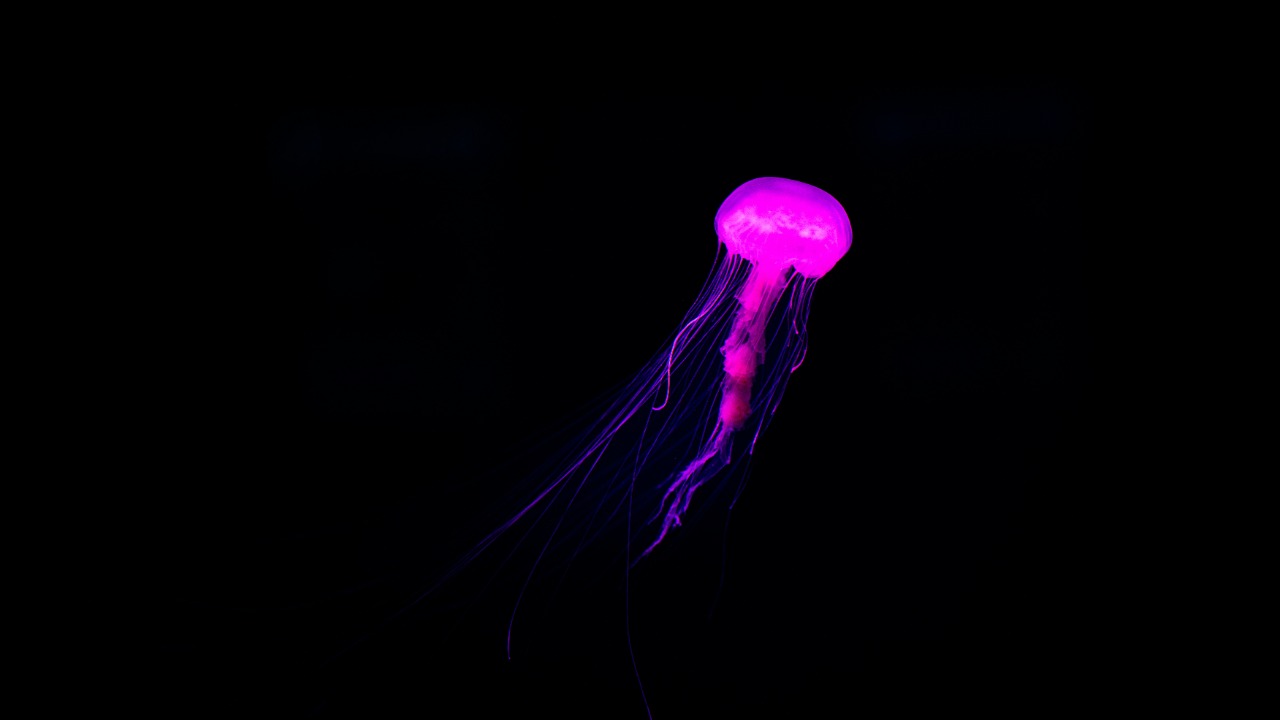
The bioluminescent jellyfish is a dazzling spectacle in the dark oceanic depths. This jellyfish possesses the incredible ability to emit light, a trait that serves both as a defense mechanism and a means of communication. The luminescence is produced through a chemical reaction within its body, creating a mesmerizing glow that attracts prey and confuses predators.
These jellyfish are not only captivating but also play a crucial role in the marine ecosystem. Their bioluminescence can be a useful tool for scientists studying deep-sea environments, providing insight into the complex interactions of life in the ocean trenches.
Transparent Sea Cucumber
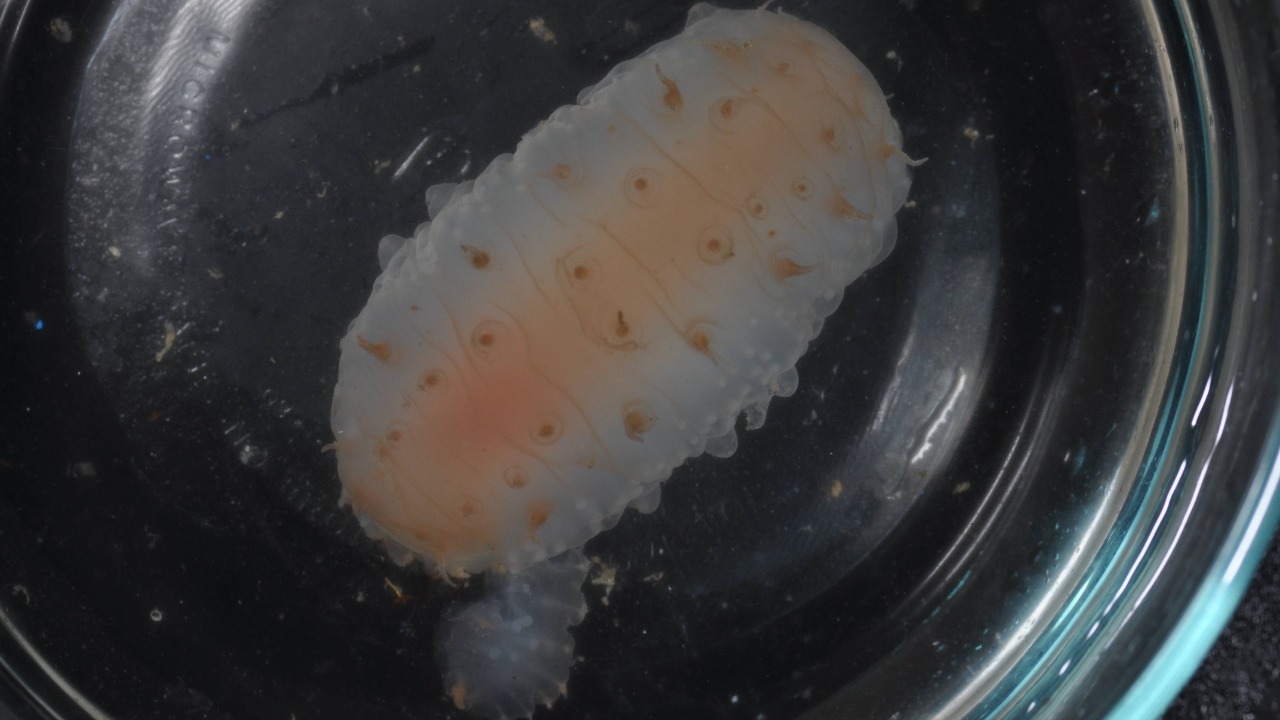
The transparent sea cucumber is a fascinating creature that seems to defy logic. Its body is nearly see-through, allowing it to blend seamlessly with its surroundings and avoid predators. This unique adaptation is essential for survival in the competitive environment of the ocean floor.
As a member of the echinoderm family, the transparent sea cucumber contributes significantly to ocean floor ecology by recycling nutrients. Its transparency offers researchers a unique opportunity to observe internal processes in real-time, enhancing our understanding of marine biology.
Deep-Sea Anglerfish
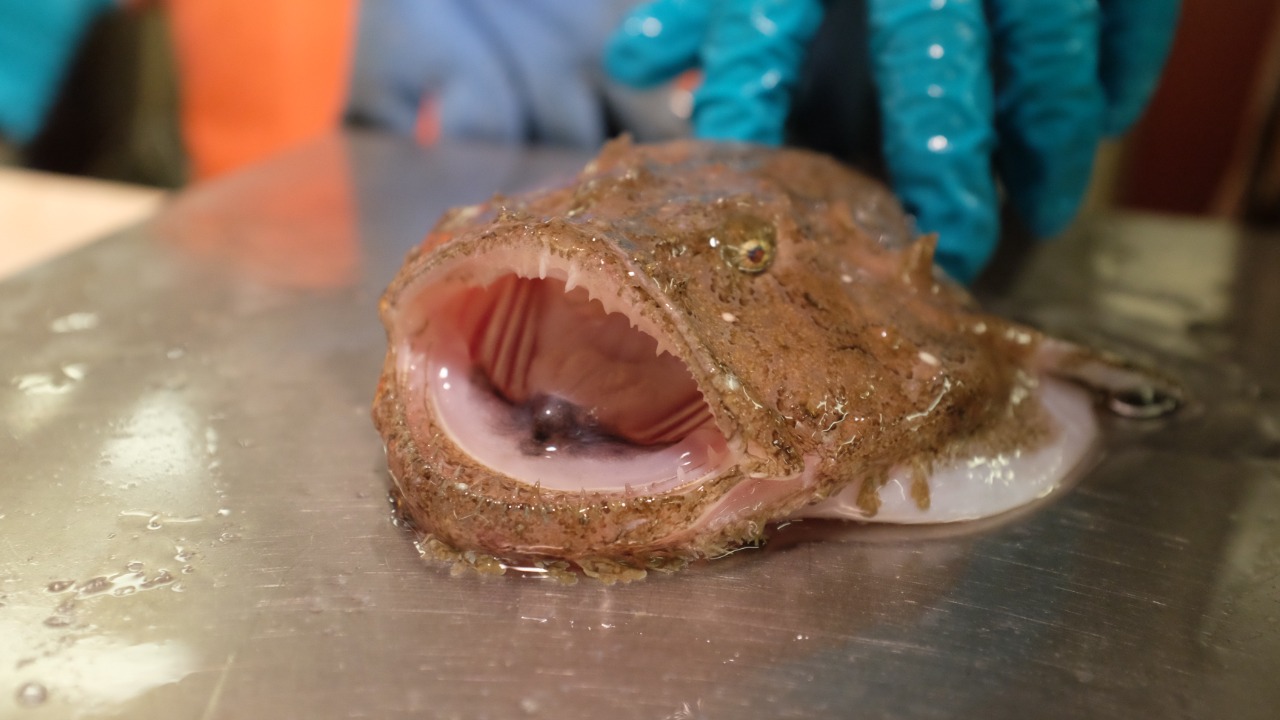
The deep-sea anglerfish is notorious for its eerie appearance and remarkable hunting technique. It uses a bioluminescent lure that dangles in front of its mouth to attract unsuspecting prey. This adaptation is particularly advantageous in the pitch-black environment of the deep ocean.
With its sharp teeth and unique reproductive strategy, where males fuse with females, the anglerfish exemplifies the bizarre adaptations needed to survive in harsh conditions. Its discovery continues to intrigue scientists, offering insights into the evolutionary pressures of the deep sea.
Ghost Octopus
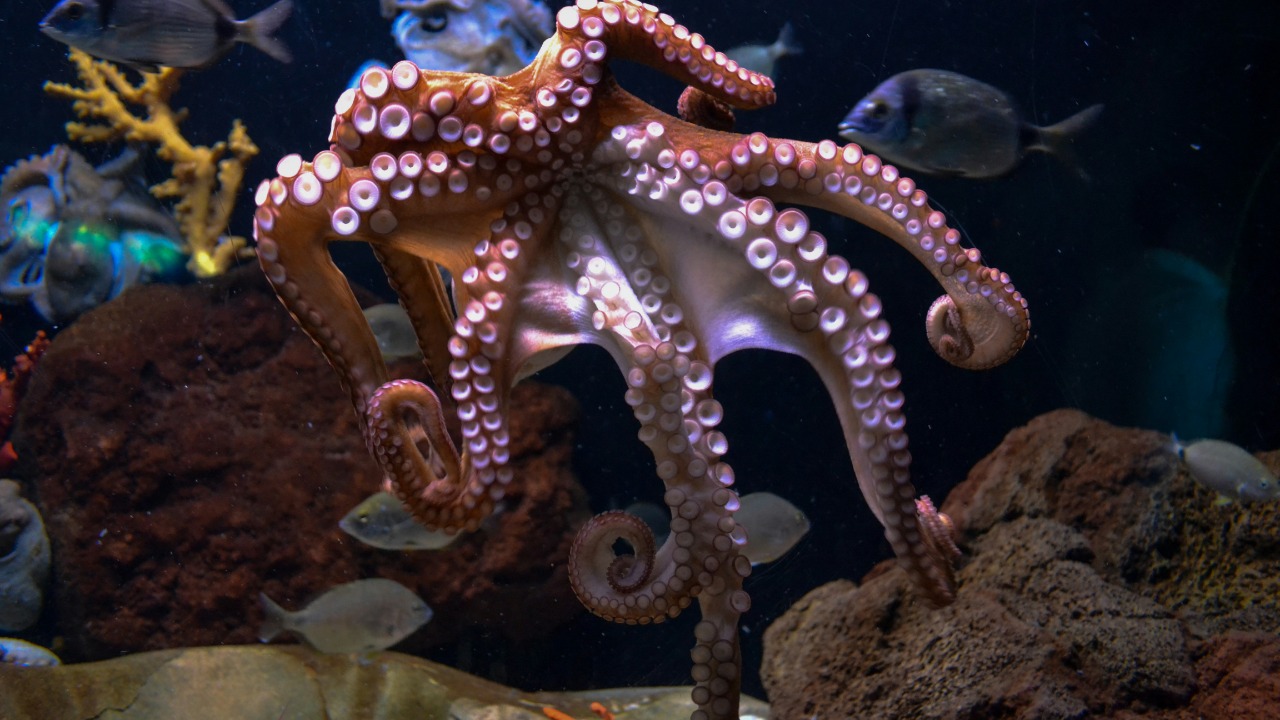
Often referred to as the “ghost octopus” due to its pale, almost translucent appearance, this cephalopod is a recent discovery in the ocean’s depths. Its ghostly hue provides effective camouflage against predators lurking in the dark waters.
The ghost octopus is a marvel of evolutionary adaptation, showcasing how life can thrive in seemingly inhospitable environments. Research into this creature can help scientists understand more about cephalopod behavior and adaptation strategies in the deep sea.
Six-Gilled Shark
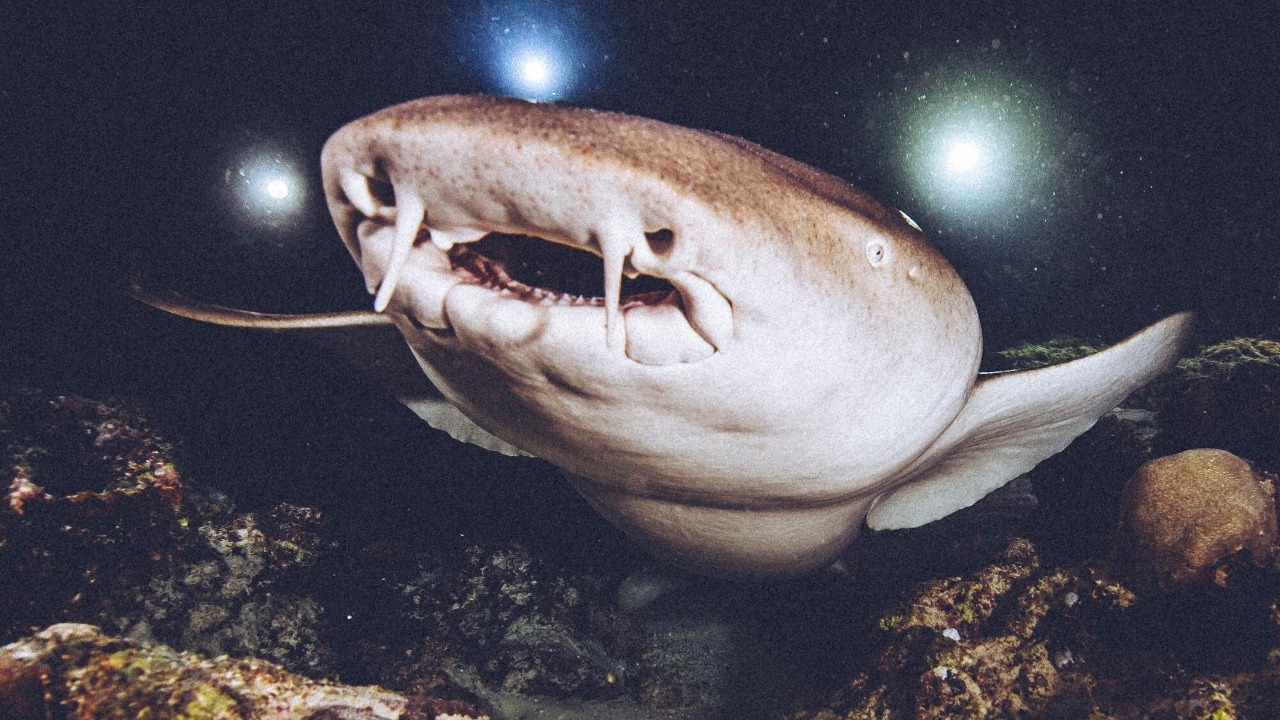
The six-gilled shark is a prehistoric-looking predator that roams the lower depths of the ocean. Unlike their surface-dwelling counterparts, these sharks possess unique adaptations such as extra gill slits, which aid in breathing in low-oxygen environments.
These sharks play a crucial role in the deep-sea ecosystem as apex predators, helping maintain the balance of marine life. Their ancient lineage offers a glimpse into the evolutionary history of sharks, having changed little over millions of years.
Yeti Crab
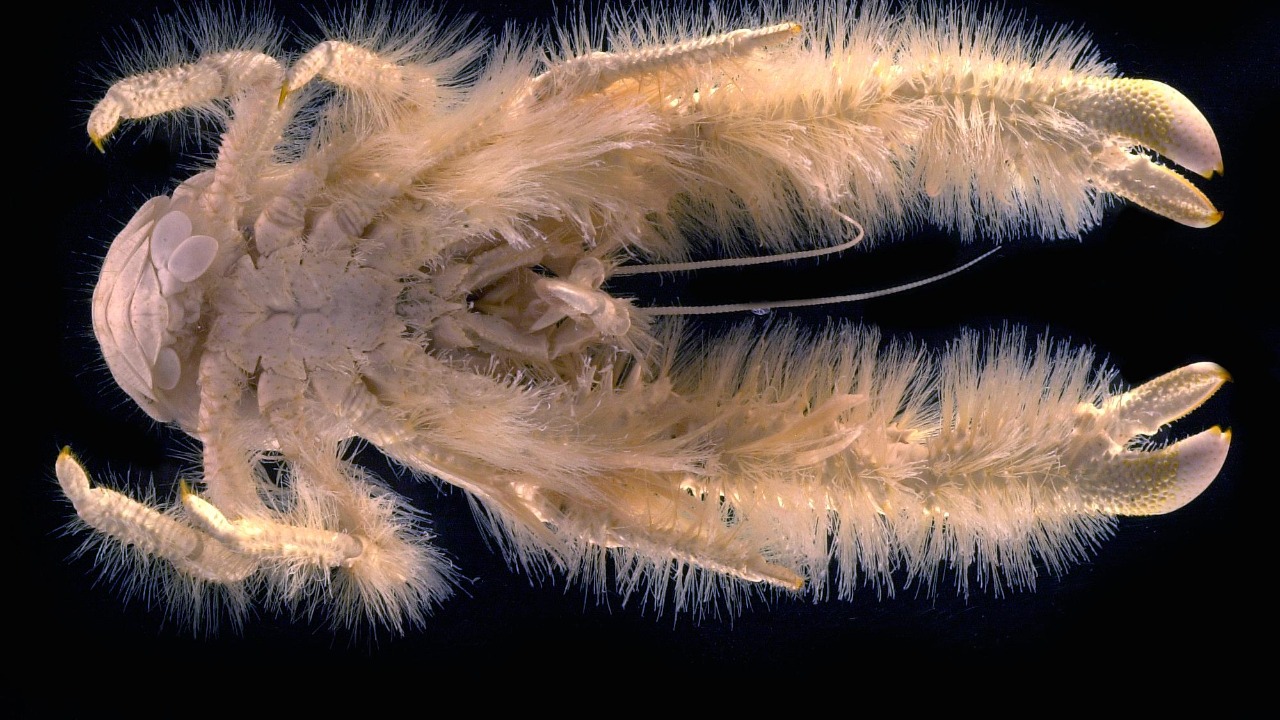
The yeti crab, distinguished by its hairy pincers, is an intriguing addition to the roster of deep-sea discoveries. These crabs reside near hydrothermal vents, where they harvest bacteria from their hairy arms for nourishment—a fascinating example of symbiosis.
This creature’s unique habitat and feeding habits provide valuable insights into life forms that thrive in extreme conditions. The yeti crab’s discovery continues to challenge our understanding of the adaptability and diversity of life in the ocean depths.
Glass Squid
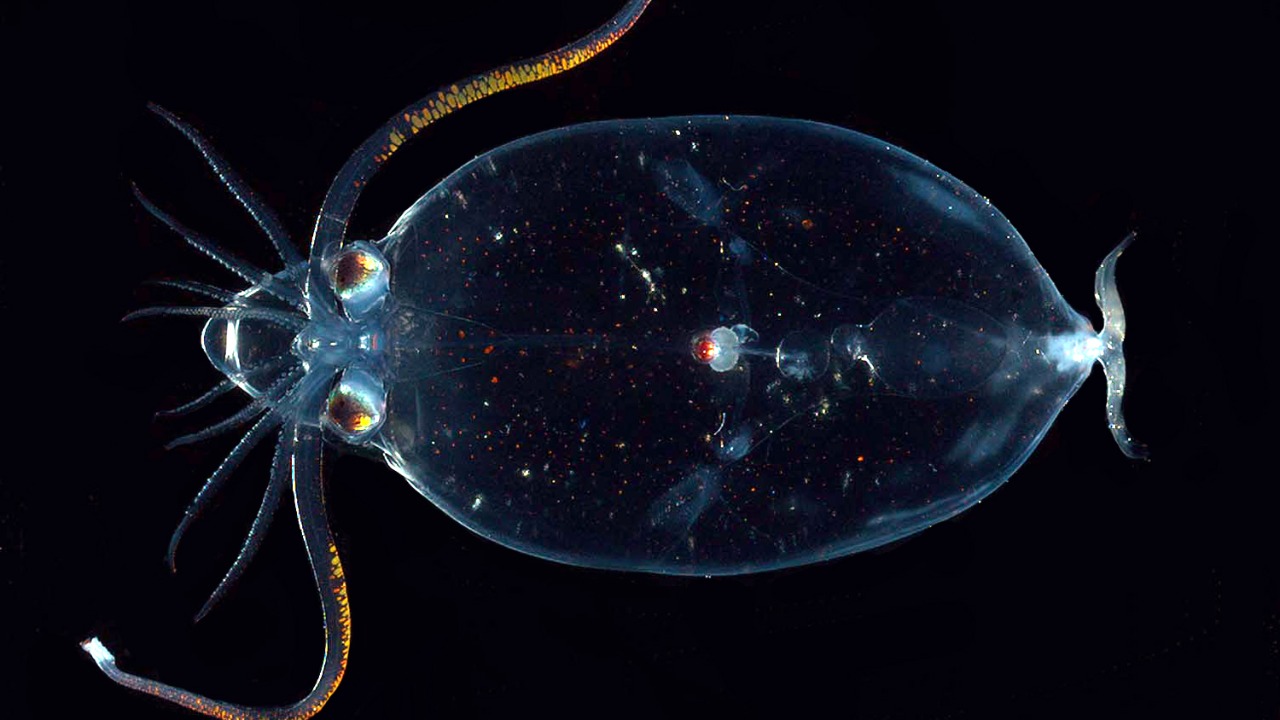
The glass squid, aptly named for its translucent body, is another remarkable inhabitant of the ocean trench. Its transparency helps it evade predators, while its ability to control its buoyancy allows it to navigate the ocean depths efficiently.
This squid’s unique adaptations make it a subject of great interest to marine biologists. By studying creatures like the glass squid, scientists can gain a better understanding of the biodiversity and environmental pressures present in these deep-sea ecosystems.
