
A newly discovered interstellar object is racing toward our solar system, capturing the attention of scientists worldwide. Unlike other known celestial bodies, this object appears to be emitting its own light, raising questions and sparking debates about its origin and nature. As researchers scramble to understand this enigmatic visitor, the scientific community is abuzz with discussions and theories.
The Discovery of the Mysterious Object
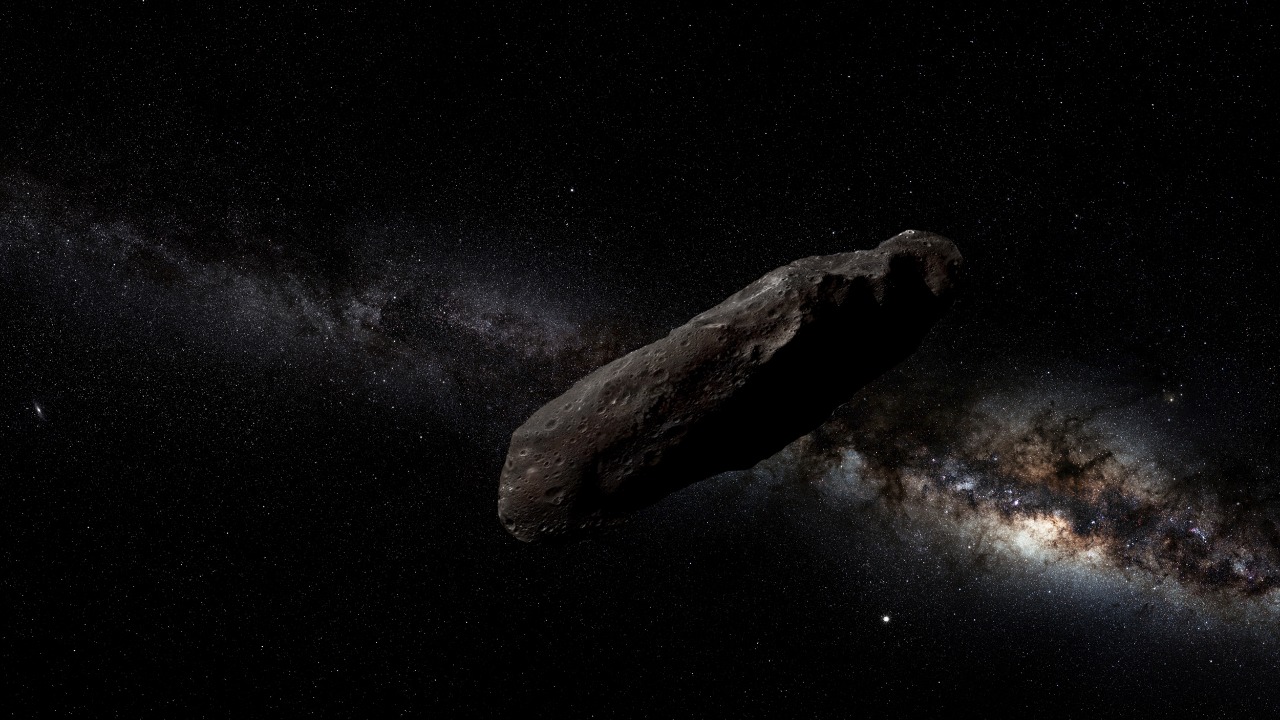
On a clear night, astronomers using advanced telescopic technology first detected an unusual object speeding through the cosmos. This object, unlike any previously observed, was found to be traveling at a remarkable speed and from a trajectory that suggests it came from beyond our solar system. Its detection was initially made possible by the use of high-powered telescopes equipped with cutting-edge sensors specifically designed to spot faint and fast-moving objects in the vastness of space.
The object’s characteristics have fascinated scientists: it is moving at a velocity that far exceeds that of typical celestial bodies within our solar system, and its path indicates a steep entry from interstellar space. As it races toward us, astronomers are meticulously tracking its course, attempting to predict its closest approach and potential impact on the solar system. This discovery draws inevitable comparisons to previous interstellar visitors such as ‘Oumuamua, which sparked its own set of debates and scientific investigations upon its discovery.
The Phenomenon of Self-Emitted Light
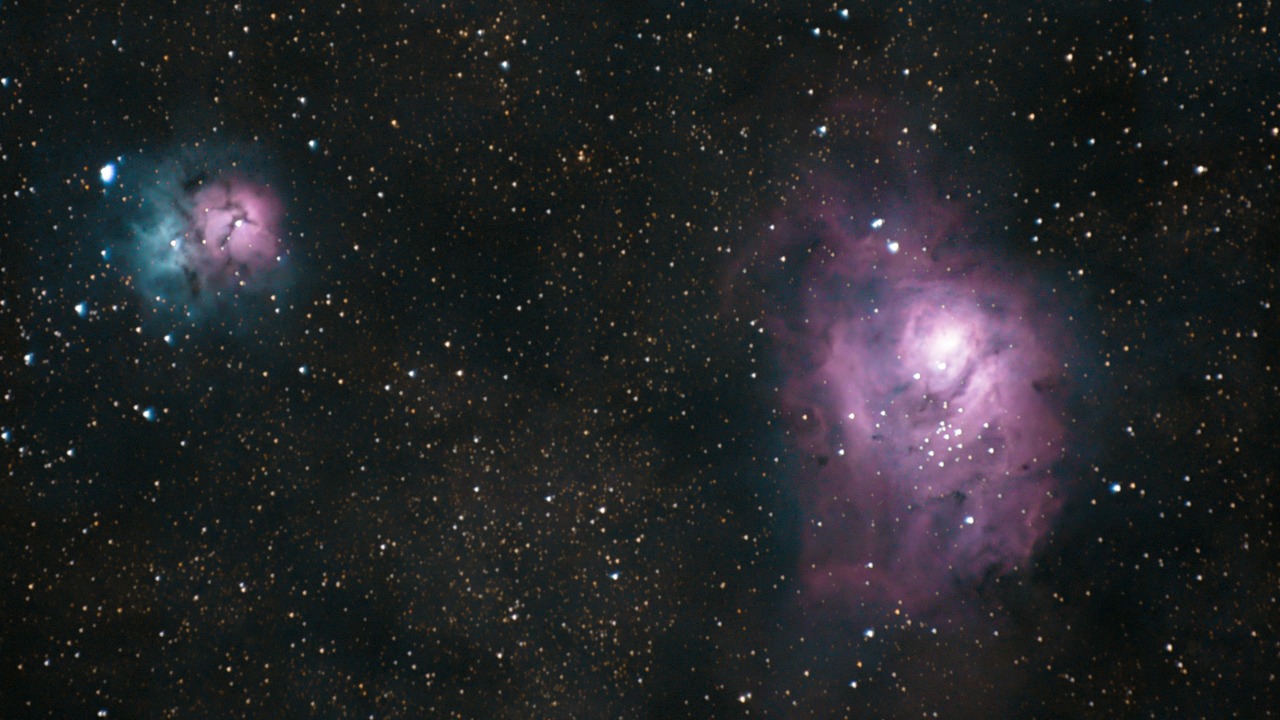
One of the most intriguing aspects of this object is its apparent ability to emit light on its own. This phenomenon has led scientists to propose various theories, ranging from natural explanations such as reflection of sunlight off icy surfaces to more exotic possibilities including self-illumination due to unknown processes. Some researchers even entertain the notion of artificial light, speculating about the potential of alien technology.
Studying this distant object presents numerous observational challenges. Its rapid movement across the sky, combined with its faint luminosity, requires astronomers to employ sophisticated techniques to gather data. Instruments must be finely tuned, and observations meticulously planned to garner any meaningful insights into the object’s properties. Understanding why this object emits light could significantly enhance our knowledge of interstellar phenomena, challenging existing models and potentially leading to groundbreaking discoveries.
The Debate on Alien Technology

The notion that this object might be an alien spacecraft has captivated the public’s imagination, fueling speculation and controversy. Proponents of this theory argue that the object’s speed and light emission are consistent with an advanced technological origin. They point to the possibility that it could be a probe sent by an intelligent civilization, designed to explore distant star systems.
However, many experts caution against jumping to conclusions, emphasizing the need for empirical evidence. Leading astronomers and astrophysicists weigh in on the debate, urging a cautious approach. They highlight historical instances where natural phenomena were initially misinterpreted as signs of alien technology, only to be later explained by more mundane processes. Despite this skepticism, the allure of discovering extraterrestrial life ensures that the debate remains lively and ongoing.
Implications for Astronomy and Space Exploration
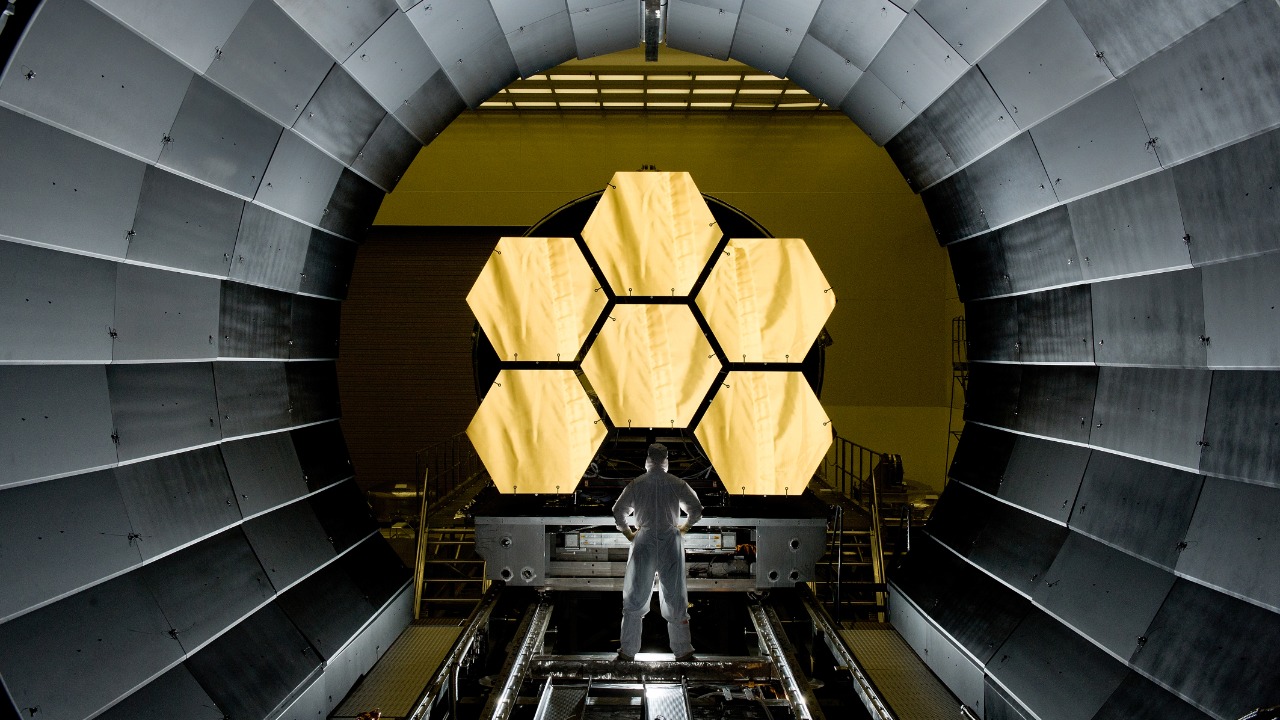
The discovery of this interstellar object is likely to have far-reaching implications for the field of astronomy. It underscores the need for continued advancements in detection technology, as scientists strive to develop more sophisticated tools capable of identifying and studying such objects. Improved telescopes and sensors could enable future discoveries, allowing us to explore the universe with unprecedented clarity and detail.
The potential influence on future space missions is also significant. As space agencies and private companies plan their next steps, the presence of interstellar objects could shape exploration objectives and priorities. Missions designed to study these visitors up close might be on the horizon, offering invaluable insights into the nature of our cosmic neighborhood. Furthermore, studying these mysterious travelers could contribute to our broader scientific understanding of the universe, helping to answer fundamental questions about its origins and evolution.
Public Fascination and Cultural Impact

The discovery of an interstellar object emitting its own light has captured the public’s imagination, leading to widespread media coverage and intense interest. Headlines speculate about the object’s origin, fueling curiosity and wonder. As the story unfolds, it continues to resonate with audiences worldwide, reflecting our enduring fascination with the mysteries of space.
This event has also inspired creatives in the science fiction genre, providing rich material for writers and filmmakers. The idea of a mysterious object hurtling toward Earth from the depths of space is a compelling narrative that has captivated audiences for generations. As this real-world event unfolds, it offers new opportunities for storytelling, sparking the imagination of creators and audiences alike.
Educational institutions are seizing the moment to engage students and the public in astronomy and STEM fields. The intrigue surrounding this object serves as a powerful tool to inspire curiosity and interest in science, encouraging the next generation to explore the wonders of the universe. By leveraging this event, educators aim to foster a deeper appreciation for the scientific pursuit of understanding our place in the cosmos.
