Norway is embarking on an ambitious engineering project to construct the world’s deepest and longest underwater road tunnel. With an estimated cost of $2 billion, this tunnel will allow vehicles to drive 1,300 feet beneath the sea, revolutionizing travel and connectivity in the region.
The Vision Behind the Tunnel

The primary purpose of this groundbreaking project is to enhance connectivity between various parts of Norway, particularly in the western region. By providing a direct route beneath the sea, the tunnel aims to reduce travel time significantly, offering a faster and more reliable alternative to existing ferry services. This improvement in connectivity is expected to have substantial economic benefits, facilitating smoother logistics and boosting local businesses.
Strategically, the tunnel is a core component of Norway’s broader transportation and infrastructure goals. As the country seeks to modernize its transport network, this tunnel represents a step towards integrating remote areas with urban centers. This initiative aligns with Norway’s long-term vision of sustainable regional development, where infrastructure projects not only serve immediate logistical needs but also contribute to balanced economic growth across the nation.
Engineering Feats and Challenges
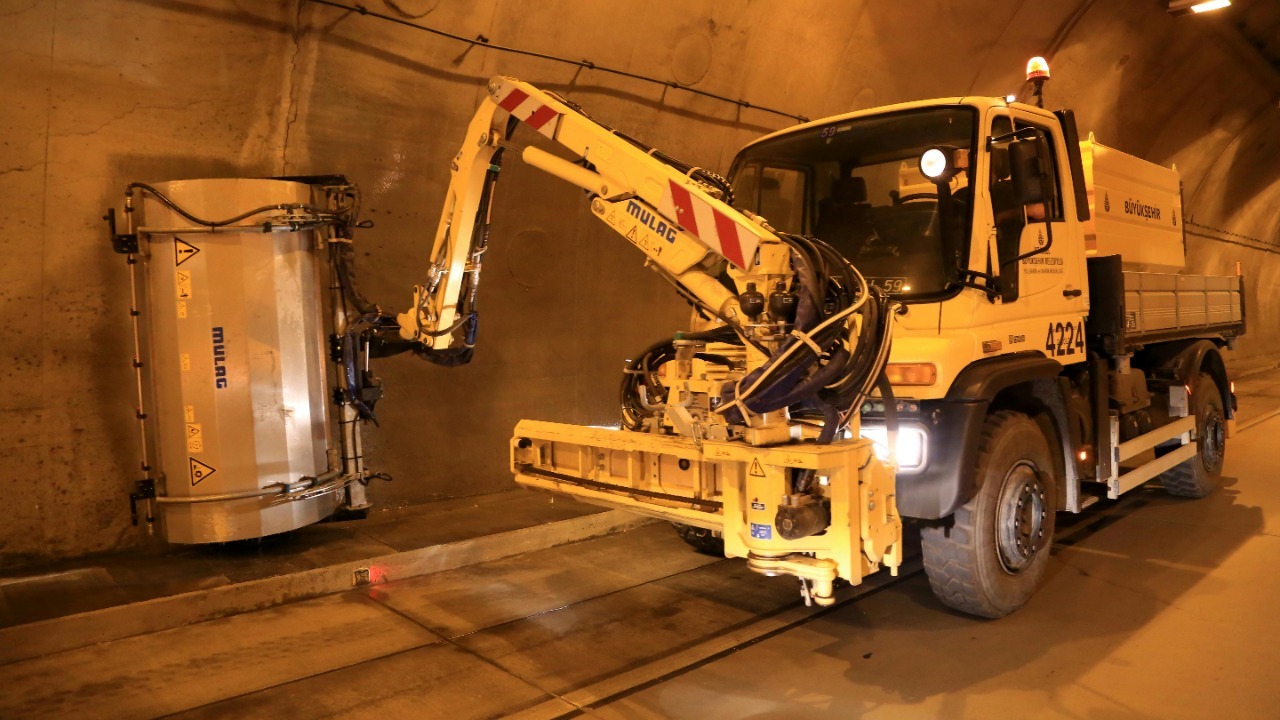
The design and construction of the tunnel involve cutting-edge engineering techniques. Engineers are utilizing advanced materials and construction methods to ensure the tunnel can withstand both the immense pressure of the surrounding sea and the geological challenges posed by the seabed. The tunnel’s structure is designed to be both resilient and safe, incorporating state-of-the-art safety features to protect travelers.
One of the significant challenges of this project is overcoming natural obstacles such as varying geological formations and potential seismic activity. Engineers have conducted extensive geological surveys to understand these challenges and develop solutions to address them. By employing innovative construction techniques, such as the use of tunnel-boring machines capable of handling different rock types, the project aims to mitigate these risks effectively.
Economic and Social Impacts
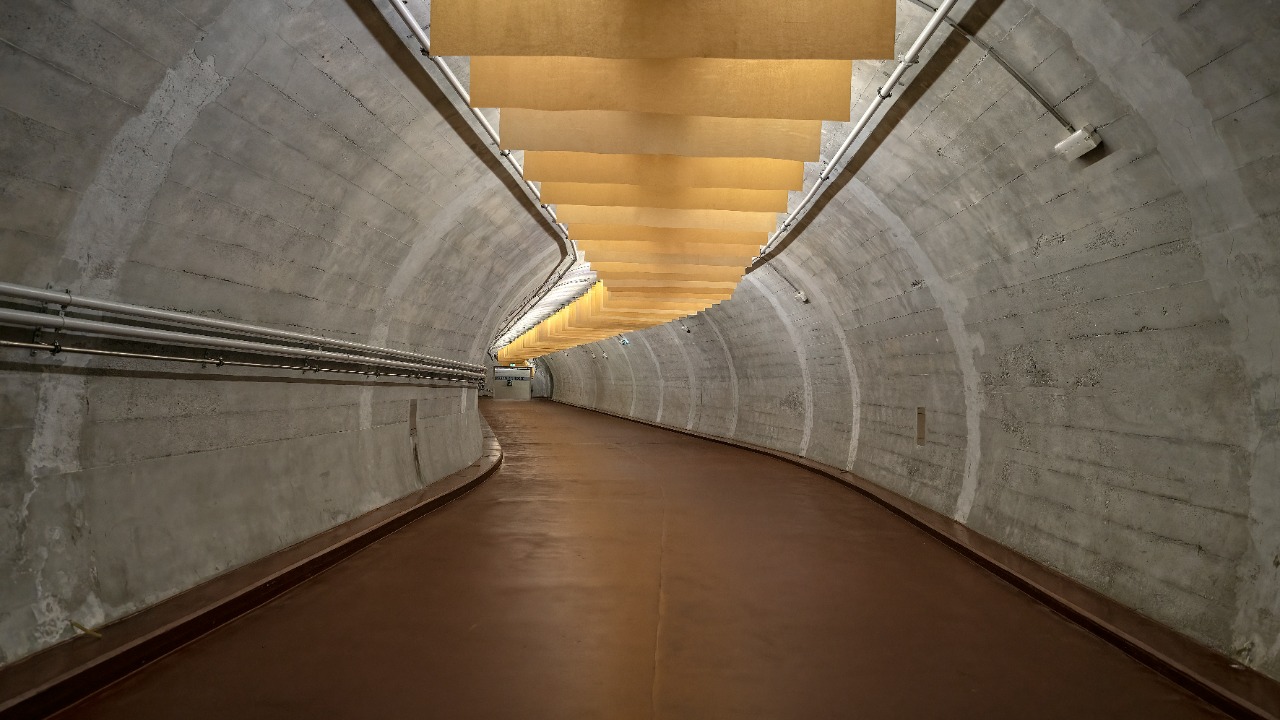
The economic impact of the tunnel is expected to be substantial, with benefits extending beyond immediate logistical improvements. By enhancing accessibility to previously isolated regions, the tunnel is poised to attract increased tourism, fostering new business opportunities and stimulating local economies. This influx of visitors and businesses is anticipated to create jobs and support sustainable economic development in the surrounding areas.
For daily commuters, the tunnel will significantly transform travel experiences, reducing journey times and providing a more reliable transportation option. This improvement is likely to encourage more people to live and work in the region, contributing to regional development and addressing demographic challenges faced by rural communities. The tunnel is more than just an infrastructure project; it is a catalyst for social and economic change.
Environmental Considerations
Environmental sustainability is a crucial aspect of the tunnel’s construction. The project incorporates eco-friendly practices aimed at minimizing the environmental footprint during the construction phase. Measures such as the careful management of construction waste, the use of sustainable materials, and the implementation of energy-efficient construction methods are integral to the project’s development.
Once operational, the tunnel’s long-term environmental impact will be closely monitored and managed. Efforts to reduce carbon emissions by promoting electric vehicles and integrating renewable energy sources into the tunnel’s operation are part of Norway’s commitment to sustainable development. By prioritizing environmental considerations, the project sets a benchmark for future infrastructure initiatives.
Global Significance and Future Prospects

This ambitious project sets a new standard in the realm of underwater tunnel construction. As the world’s deepest and longest underwater road tunnel, it serves as a model for similar infrastructure projects globally. The knowledge and expertise gained from this endeavor are likely to inspire future developments, offering valuable insights into overcoming the challenges of constructing underwater tunnels.
Looking ahead, the success of this project could pave the way for further advancements in underwater tunnel technology. As nations around the world seek innovative solutions to improve connectivity and infrastructure, projects like Norway’s tunnel could become increasingly common. By demonstrating the feasibility and benefits of such constructions, Norway is setting the stage for a new era of transport infrastructure.
