The forthcoming generation of aircraft is under development with an aim to rule the airspace for many forthcoming decades. These technologically superior planes have the potential to redefine the dimensions of aerial combat and commercial flying, setting new benchmarks for speed, maneuverability, and overall efficiency.
Next-gen Planes: The Future of Aerial Dominance
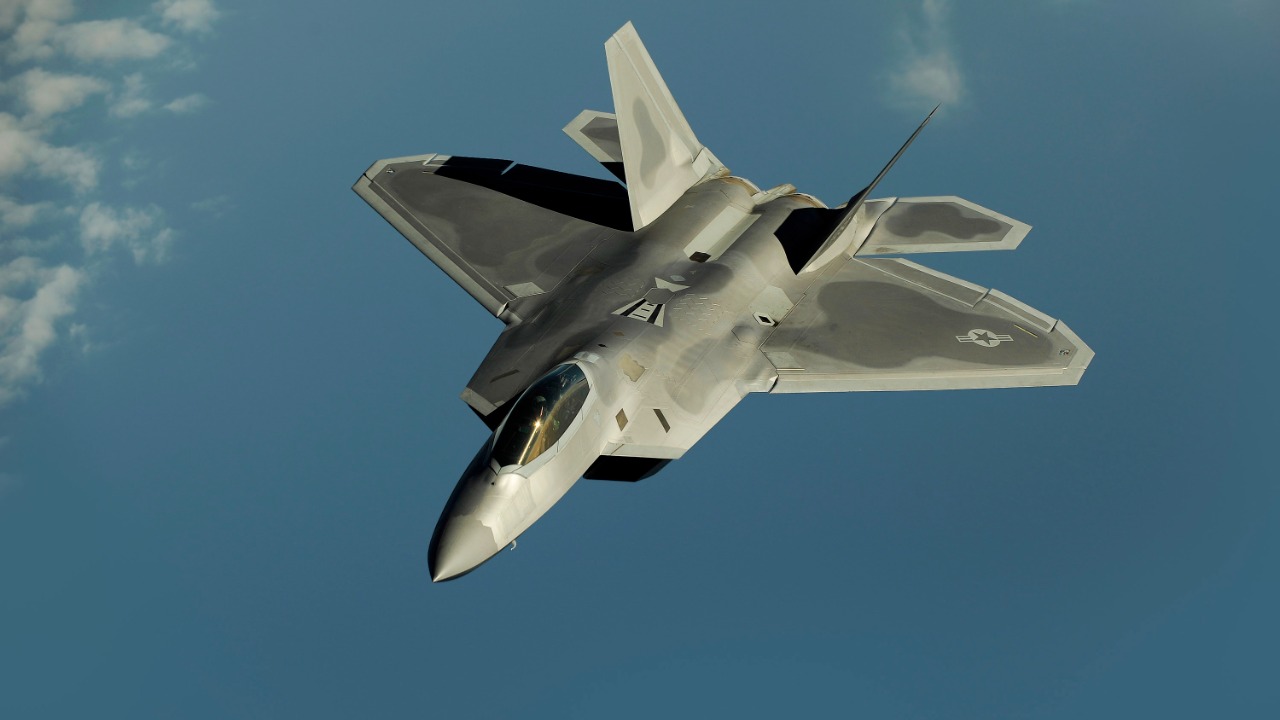
Air superiority has become a critical factor in modern warfare and commercial operations. The ability to control the skies can significantly influence the outcome of battles and economic activities. Next-gen planes, with their advanced features, are set to play a pivotal role in this scenario. Unlike their predecessors, these aircraft are designed with enhanced speed, maneuverability, and fuel efficiency, enabling them to perform longer missions with fewer resources.
The use of advanced materials in their construction, coupled with innovative aerodynamic designs, makes these planes lighter yet stronger. Meanwhile, the integration of cutting-edge avionics systems enhances their operational capabilities, making them more responsive and reliable in a variety of situations.
Technological Advancements Driving Next-gen Planes
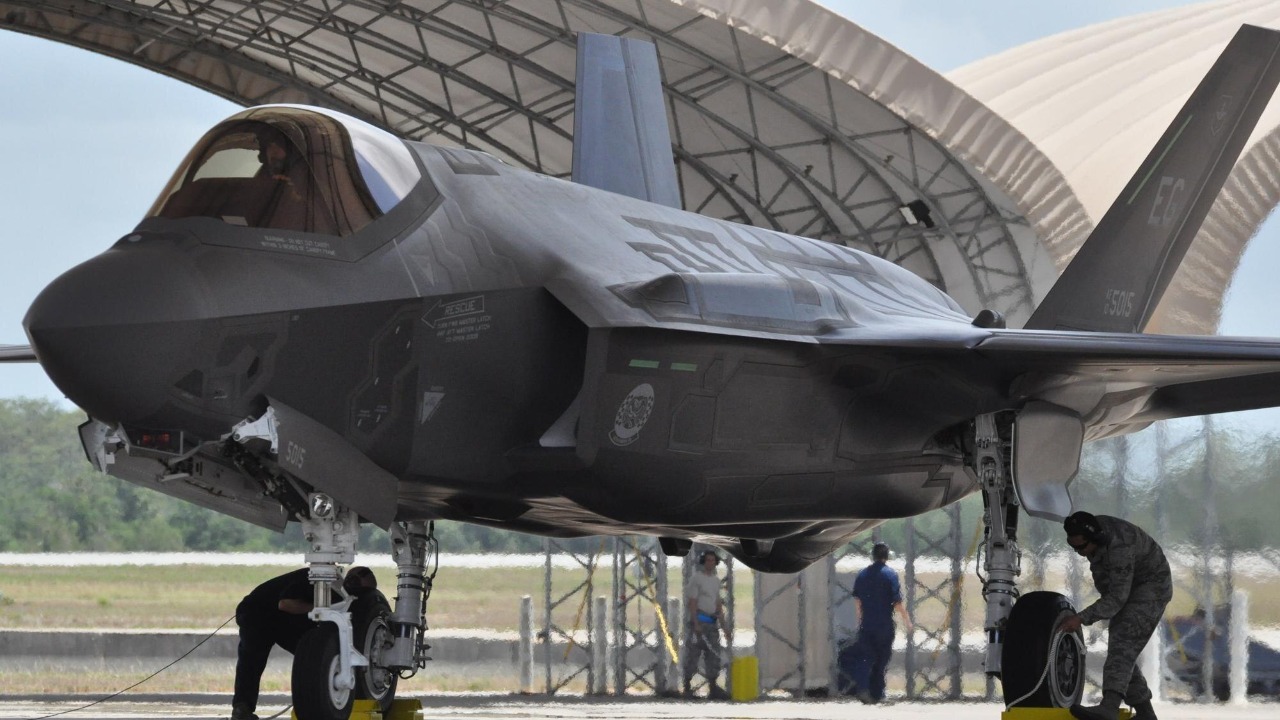
The development of next-gen planes has been fueled by numerous technological advancements. The rise of artificial intelligence (AI) and machine learning, in particular, has been instrumental in the evolution of these new-age aircraft. AI has found application in various aspects of next-gen planes, from design and manufacturing to operations and maintenance.
For instance, AI can help optimize aerodynamic performance, resulting in more fuel-efficient planes. Machine learning algorithms, on the other hand, can assist in predicting potential mechanical issues, enabling proactive maintenance and thus reducing downtime. The integration of these technologies in next-gen planes is expected to revolutionize the way we perceive air travel and warfare. For more insights on this topic, you can refer to this study.
Examples of Next-gen Planes in Development
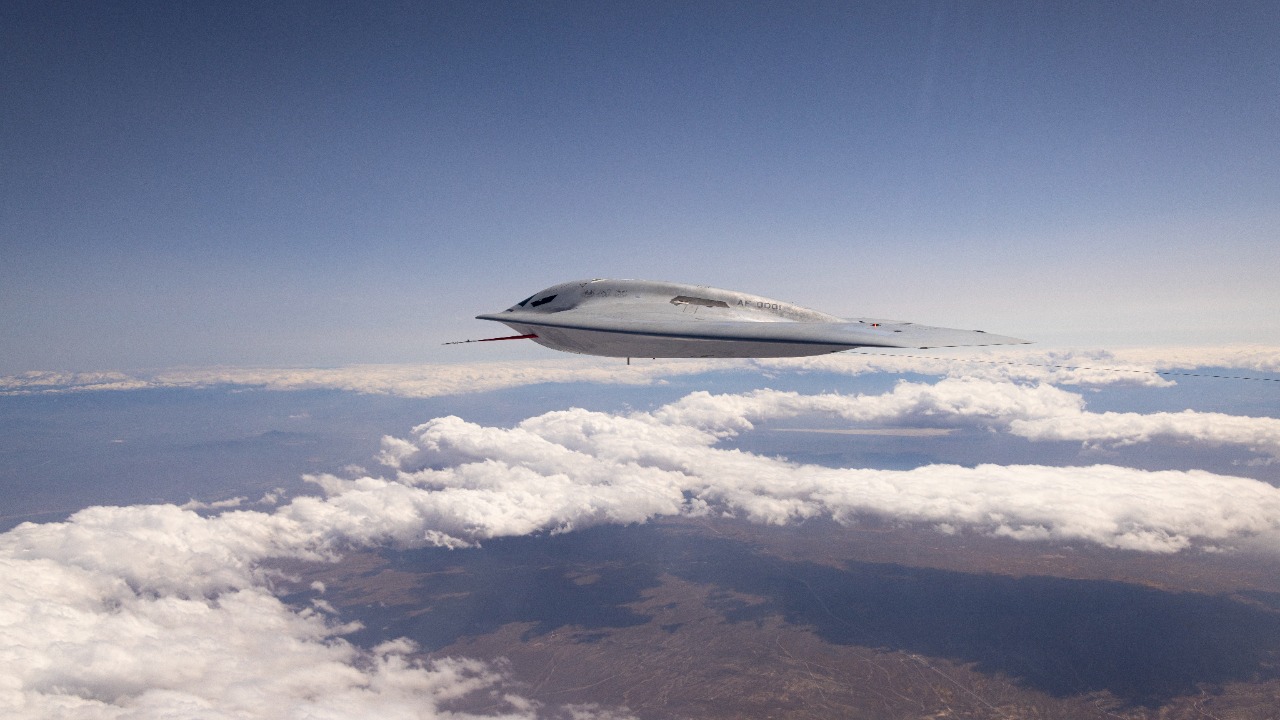
Several next-gen planes are currently under development, particularly within the US Air Force. One notable example is the upgraded F-22 Raptor, which is being redesigned to extend its operational life into the 2060s. This fifth-generation fighter jet is being equipped with new mission systems and avionics, further enhancing its combat capabilities.
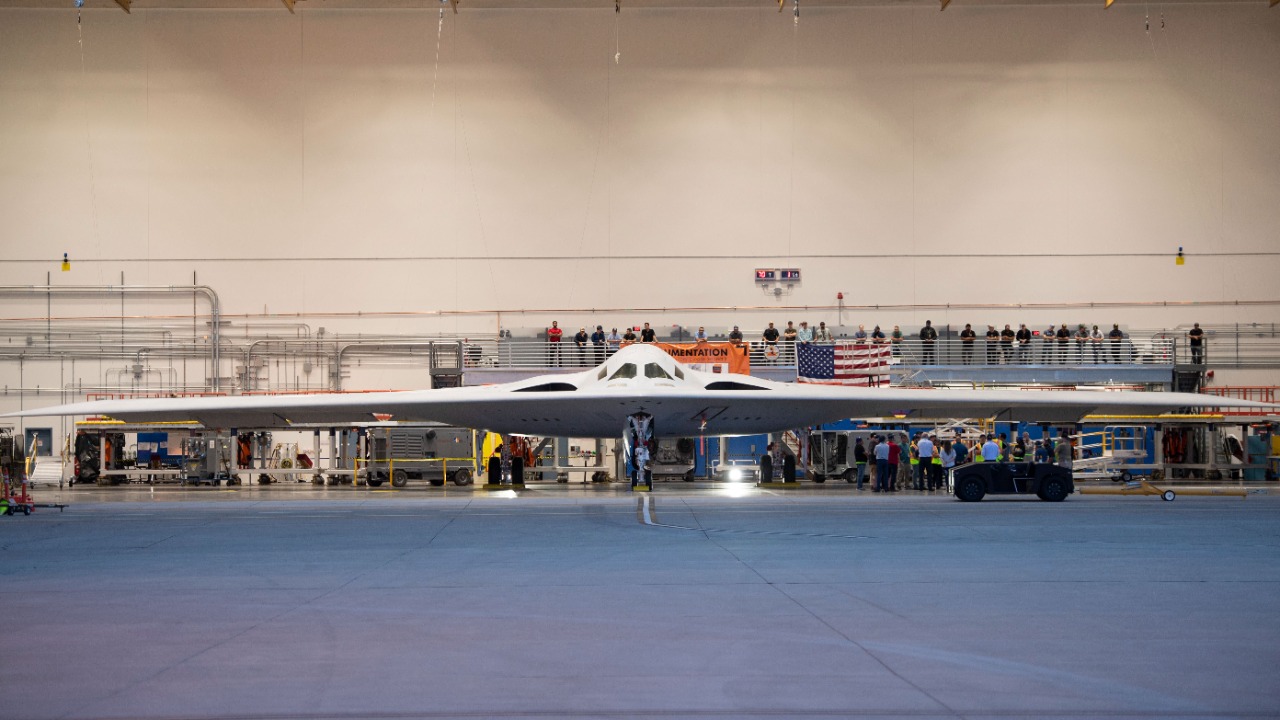
Another example is the B-21 Raider, a long-range stealth bomber designed to penetrate modern air defenses. With its advanced stealth and electronic warfare capabilities, the B-21 represents a significant leap forward in technology. For more information on these and other next-gen planes in development, you can check out this article.
Challenges and Considerations in Next-gen Plane Development
Developing next-gen planes is not without its challenges. The high cost of research and development, coupled with the technical complexities involved in integrating advanced technologies, can be significant hurdles. Additionally, the use of AI and machine learning raises ethical and safety issues. For instance, the use of autonomous systems in warfare could potentially lead to loss of human control over lethal actions, raising profound ethical questions.
There are also safety concerns related to the use of AI in commercial aviation. While AI can improve efficiency and reduce human error, it also introduces new types of risks, including vulnerabilities to cyberattacks. Therefore, it’s crucial to strike a balance between leveraging advanced technologies and maintaining safety and ethical standards. You can find a detailed discussion on these issues in this paper.
Longevity and Sustainability of Next-gen Planes
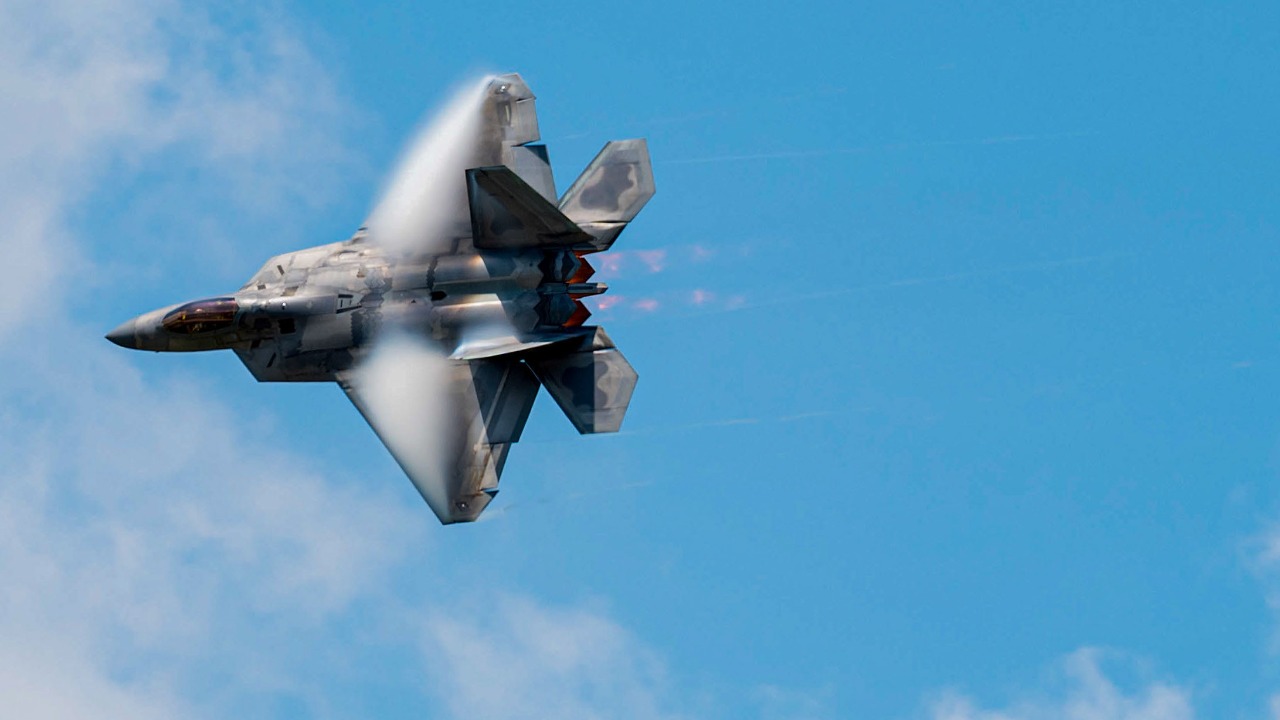
Next-gen planes are designed with a long operational lifespan in mind, allowing them to dominate the skies for decades. This is achieved through the use of durable materials and modular designs, making it easier to upgrade systems and extend the plane’s life cycle. Furthermore, these planes are also designed with sustainability in mind.
Many next-gen planes feature more fuel-efficient engines and aerodynamic designs, helping to reduce CO2 emissions and other environmental impacts. Moreover, the use of AI and machine learning can further optimize fuel consumption and reduce waste, contributing to the sustainability of these aircraft.
The Economic Impact of Next-gen Planes
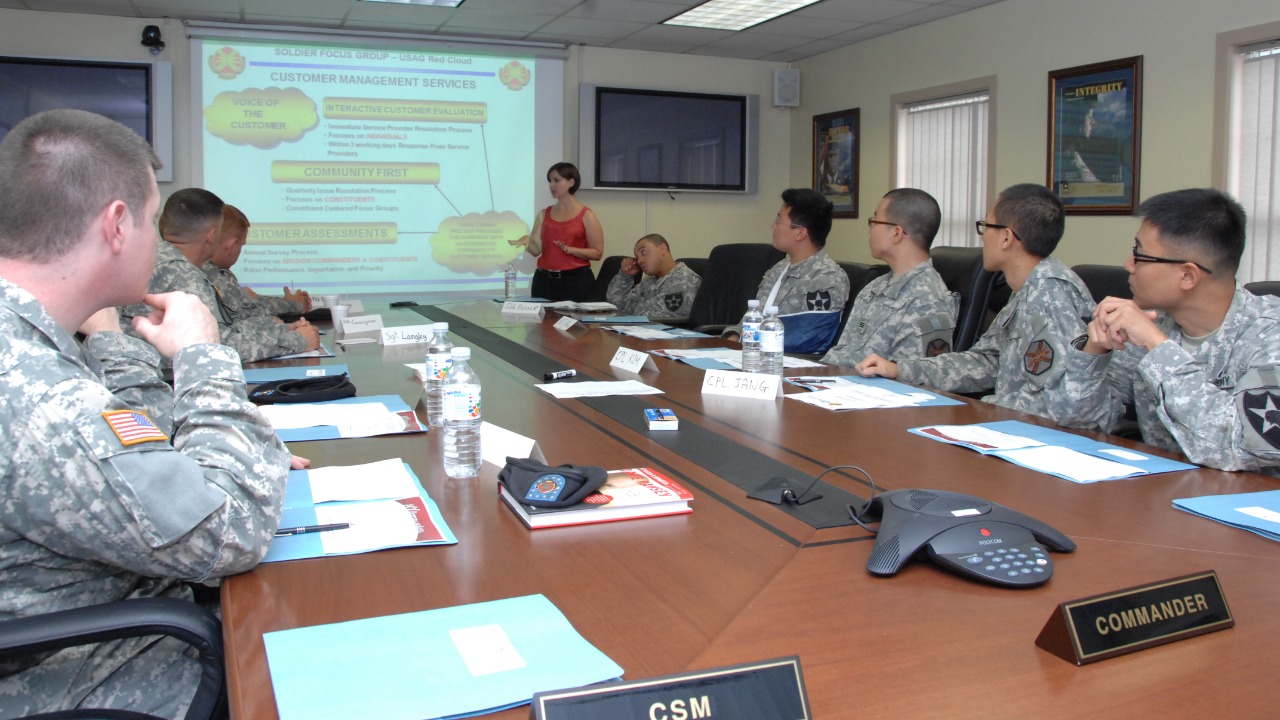
The introduction of next-gen planes is expected to have a significant economic impact. These aircraft can potentially reshape the aviation industry and related sectors, bringing about significant economic benefits. The development and operation of next-gen planes could lead to job creation in various fields, including engineering, manufacturing, and maintenance.
Moreover, the efficiency improvements brought about by these planes could lead to cost savings for airlines and military operations, potentially leading to economic growth. However, it’s important to consider that these benefits could be offset by the high initial costs of developing and procuring these advanced aircraft. For a comprehensive analysis of the economic impact of next-gen planes, you can refer to this research.
