Recent developments in theoretical physics have sparked renewed interest in wormholes, with a new theory stunning physicists worldwide. Drawing from cutting-edge research, this theory suggests that wormholes could potentially be more than just a science fiction staple, presenting opportunities for groundbreaking advancements in our understanding of the universe.
Understanding the Basics of Wormholes
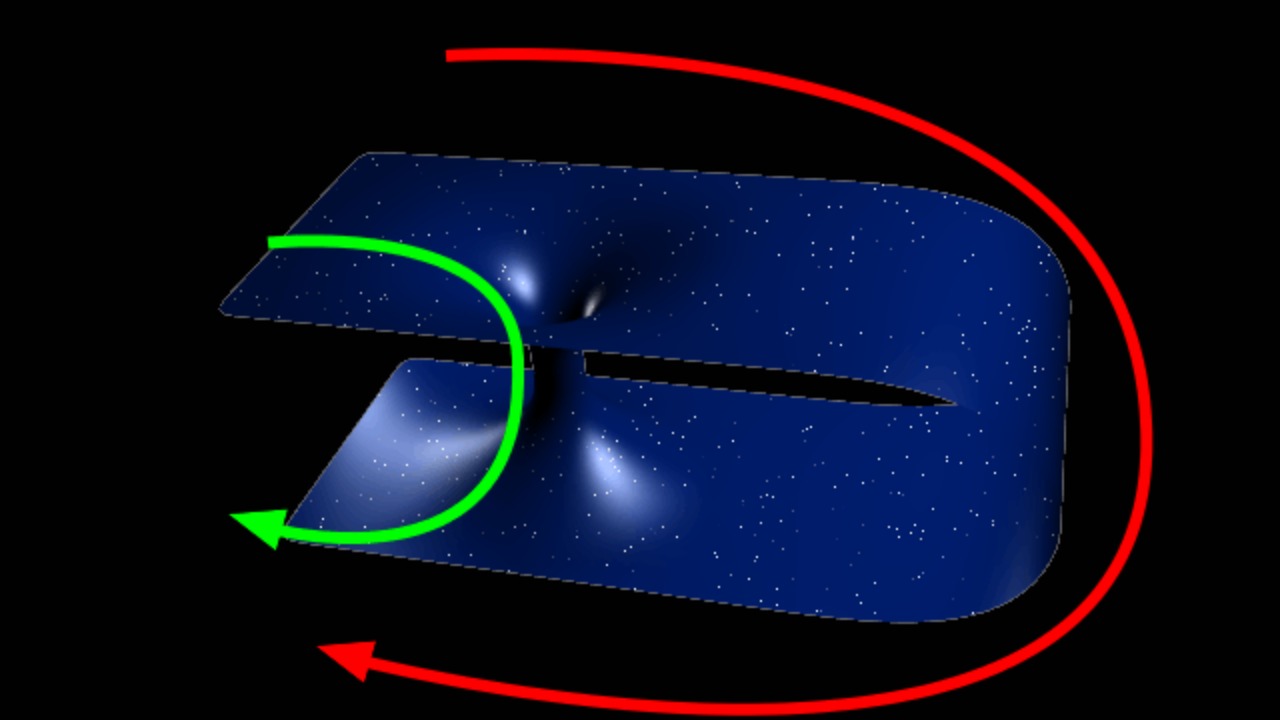
Wormholes are theoretical passages through space-time that connect disparate points in the universe. The concept of wormholes originated from the equations of Einstein’s theory of relativity, where they are also known as “Einstein-Rosen bridges.” These theoretical constructs have fascinated scientists and the public alike, offering tantalizing possibilities for shortcuts through space and time.
Previous theoretical models of wormholes, while intriguing, have faced significant limitations. Most notably, earlier models often required exotic matter with negative energy density to keep the wormhole open, a condition that remains speculative and unproven. Despite these challenges, wormholes continue to captivate physicists due to their profound implications for understanding the universe, potentially even offering insights into the nature of time and space.
The allure of wormholes extends beyond their scientific implications. Philosophically, they raise questions about the fabric of reality and the potential for time travel. These captivating ideas ensure that wormholes remain a topic of intense interest and debate within the scientific community.
The New Theory: What’s Different?
The recent study that has caught the attention of physicists introduces a novel approach to the concept of wormholes. This new theory suggests that wormholes could be stabilized without the need for exotic matter, a significant departure from previous models. By revisiting the fundamental equations of general relativity, researchers have proposed alternative mechanisms that could theoretically allow for stable wormholes.
Key differences from previous models include a revised understanding of the conditions required for wormhole stability. This theory challenges the long-held belief that exotic matter is essential, potentially opening new avenues for practical applications. The study also presents mathematical evidence suggesting that wormholes could exist naturally in the universe, a claim that, if proven, could revolutionize our understanding of space-time.
The implications of this new theory for theoretical physics are profound. It not only challenges existing frameworks but also suggests new pathways for integrating wormholes into the broader landscape of space-time physics. As researchers continue to explore these ideas, the potential for paradigm-shifting discoveries remains high.
Potential Applications and Impacts
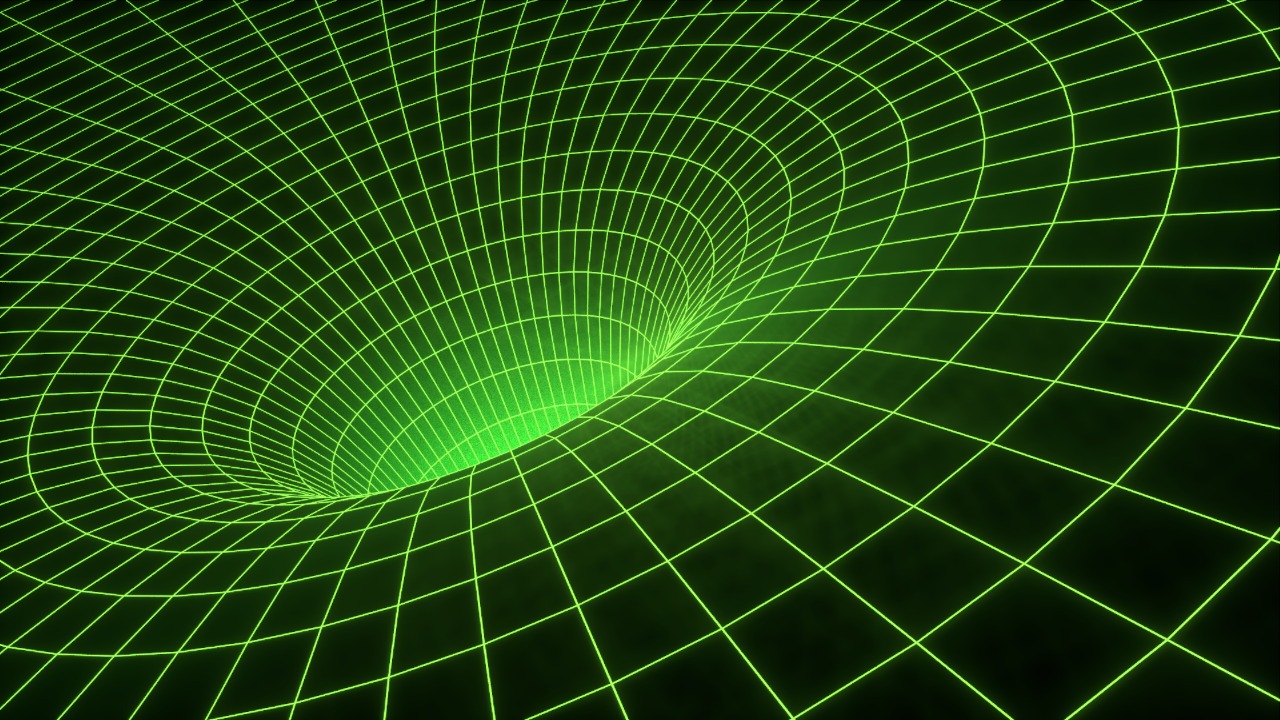
One of the most exciting prospects of the new wormhole theory is its potential application in space travel and exploration. If wormholes can be stabilized and harnessed, they could theoretically enable rapid interstellar travel, drastically reducing the time required to traverse vast cosmic distances. This possibility has profound implications for humanity’s long-term exploration of the universe.
Beyond space travel, the new theory could also influence advances in quantum mechanics. The study’s findings might provide new insights into the behavior of particles at the quantum level, potentially bridging the gap between quantum mechanics and general relativity, two pillars of modern physics that have remained largely incompatible.
Moreover, the quest for a unified theory that combines general relativity and quantum mechanics could benefit significantly from this research. Wormholes might play a crucial role in such efforts, offering a unique perspective on the fundamental nature of the universe and the interconnectedness of its various forces.
Skepticism and Critiques
Despite the excitement surrounding the new wormhole theory, it has also faced skepticism from the scientific community. Some physicists argue that the theory’s reliance on revised mathematical models may not be sufficient to overcome the practical challenges of stabilizing wormholes. Critics also point out that many aspects of the theory remain speculative and unproven.
One of the primary hurdles in wormhole research is the challenge of experimental validation. Proving the existence and practical utility of wormholes requires technological advancements and observational data that are currently beyond our reach. As a result, some scientists remain cautious about the feasibility of the new theory.
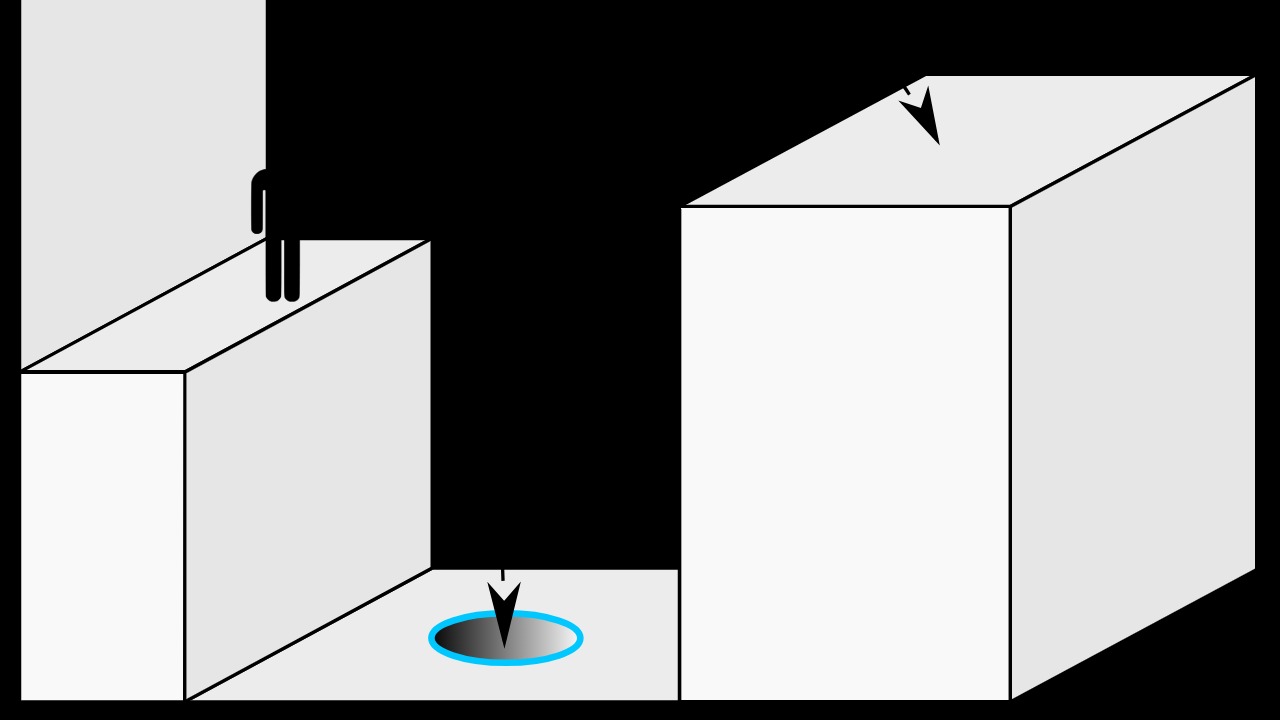
Addressing common misconceptions about wormholes is also crucial. Popular media often portrays wormholes as simple tunnels through space, but their theoretical complexity and the challenges involved in their study highlight a far more intricate picture. Clarifying these misunderstandings is essential for fostering a more accurate public understanding of wormhole research.
The Future of Wormhole Research
Looking ahead, the future of wormhole research appears promising, with numerous studies and experiments planned to explore the new theory’s predictions. Researchers are working on developing more sophisticated models and simulations to test the theory’s viability, with the ultimate goal of observing wormhole-like phenomena in the universe.
Interdisciplinary collaborations will be essential in advancing wormhole research. Physicists, mathematicians, and other scientists must work together to tackle the complex challenges posed by these theoretical constructs. Such collaborations could lead to breakthroughs that transcend traditional disciplinary boundaries.
In the long term, wormhole theories may play a pivotal role in advancing our understanding of the cosmos. As our knowledge of the universe deepens, wormholes could provide key insights into the nature of space-time, paving the way for new scientific paradigms and technological innovations.
