A groundbreaking U.S.-made hydrogen car featuring a fuel cell lifespan of over 200,000 hours promises to revolutionize the clean energy vehicle market, as demonstrated by a recent breakthrough at UCLA. The innovative hydrogen fuel cell shows only a 1.1% power loss after enduring 90,000 cycles, underscoring its durability and efficiency. This advancement marks a significant step forward in the quest for sustainable transportation solutions.
The Technological Breakthrough
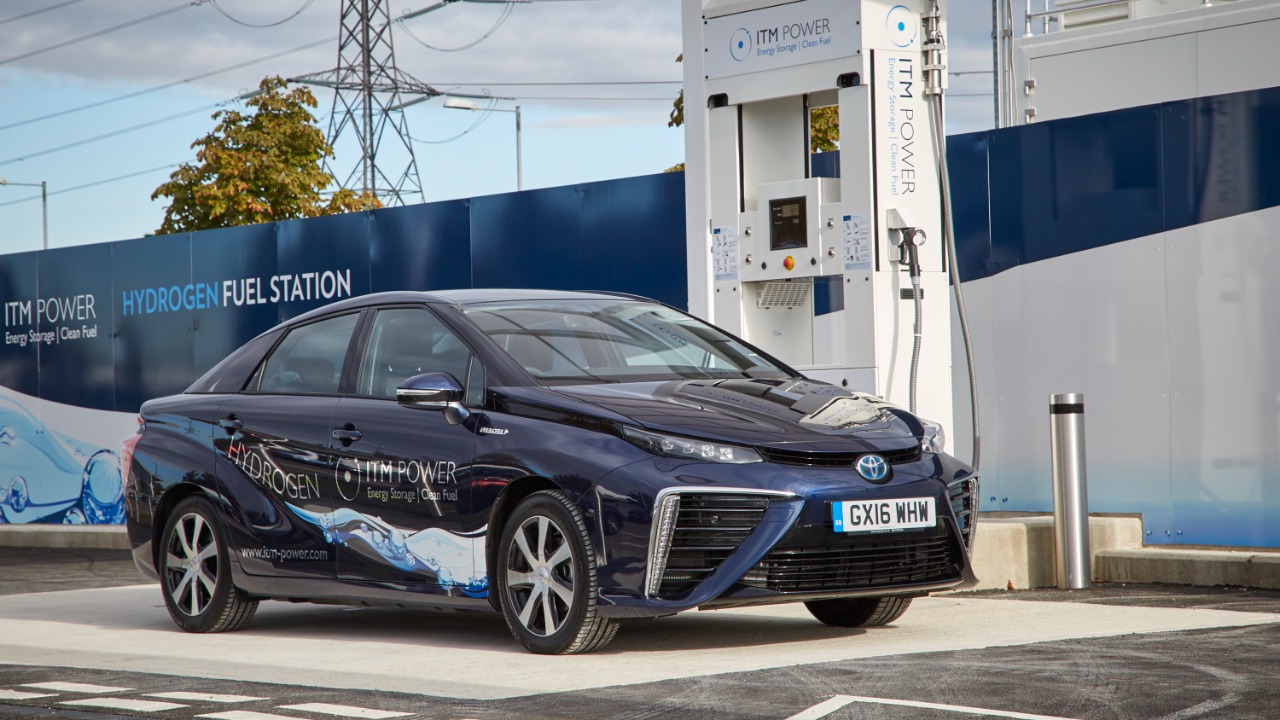
The recent breakthrough at UCLA has extended the lifespan of hydrogen fuel cells beyond 200,000 hours, a milestone that could transform the automotive industry. This achievement is the result of extensive research and development efforts aimed at enhancing the durability and efficiency of hydrogen fuel cells. By significantly increasing the operational lifespan of these cells, the UCLA team has addressed one of the major limitations that have historically hindered the widespread adoption of hydrogen-powered vehicles. This technological advancement not only promises to improve the longevity of hydrogen cars but also enhances their viability as a sustainable alternative to traditional fossil fuel-powered vehicles (source).
One of the most remarkable aspects of this breakthrough is the minimal power loss observed after extensive use. The hydrogen fuel cell developed at UCLA exhibits only a 1.1% power loss after 90,000 cycles, a testament to its robustness and efficiency. This low degradation rate is crucial for maintaining vehicle performance over time, ensuring that hydrogen cars can deliver consistent power output throughout their extended lifespan. Such durability not only reduces the need for frequent replacements but also enhances the overall cost-effectiveness of hydrogen vehicles, making them a more attractive option for consumers and businesses alike (source).
In addition to its impressive lifespan, the UCLA-developed hydrogen fuel cell utilizes advanced materials that enhance its performance and durability. The team employed a novel catalyst design that reduces the degradation of the cell’s components, thereby maintaining its efficiency over prolonged use. This innovation is crucial for ensuring that the fuel cells can withstand the rigorous demands of daily vehicle operation without significant loss of power or efficiency. By focusing on the molecular structure of the catalyst, researchers have been able to optimize the chemical reactions that occur within the cell, leading to a more stable and reliable energy output (source).
Implications for the Automotive Industry
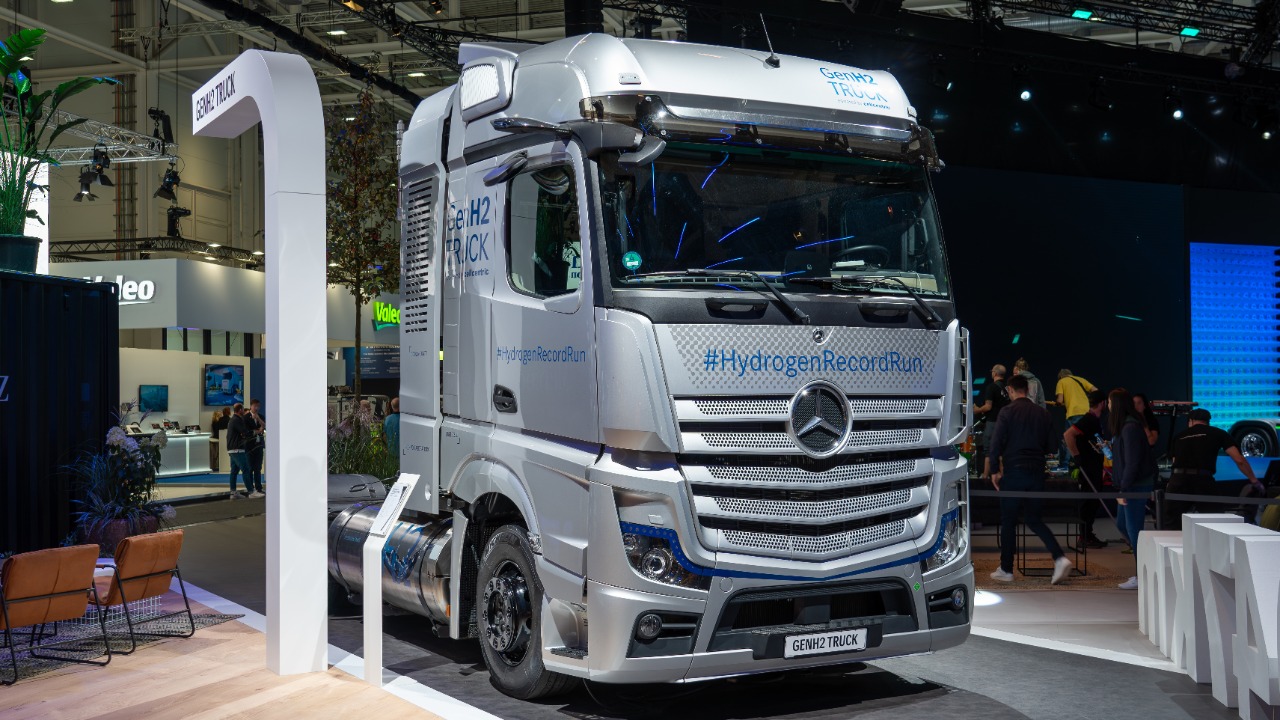
The extended lifespan of hydrogen fuel cells has profound implications for the automotive industry, particularly in the realm of long-haul trucking. With the ability to operate for over 200,000 hours, these fuel cells offer a reliable and sustainable power source for trucks that cover vast distances. This development could significantly reduce the carbon footprint of the trucking industry, which is a major contributor to greenhouse gas emissions. By transitioning to hydrogen-powered trucks, companies can not only meet stringent environmental regulations but also benefit from lower operational costs due to the reduced need for fuel cell replacements (source).
Beyond long-haul trucking, the broader automotive industry stands to gain from this technological advancement. The increased efficiency and durability of hydrogen fuel cells could lead to more widespread adoption of hydrogen vehicles across various segments, including passenger cars and public transportation. This shift could drive down costs associated with vehicle maintenance and fuel consumption, making hydrogen cars a more economically viable option for consumers. Additionally, the environmental benefits of reduced emissions align with global efforts to combat climate change, positioning hydrogen vehicles as a key component of a sustainable transportation future.
The potential impact of this breakthrough extends beyond just the vehicles themselves. The supply chain and manufacturing processes associated with hydrogen fuel cells are also set to benefit from increased efficiency and reduced costs. As the technology becomes more widespread, economies of scale could lead to lower production costs, making hydrogen vehicles more accessible to a broader range of consumers. This could spur further innovation and competition within the automotive industry, driving advancements in related technologies such as hydrogen storage and refueling infrastructure. Moreover, the shift towards hydrogen could stimulate job creation in sectors related to renewable energy and green technology, contributing to economic growth and sustainability (source).
Challenges and Considerations
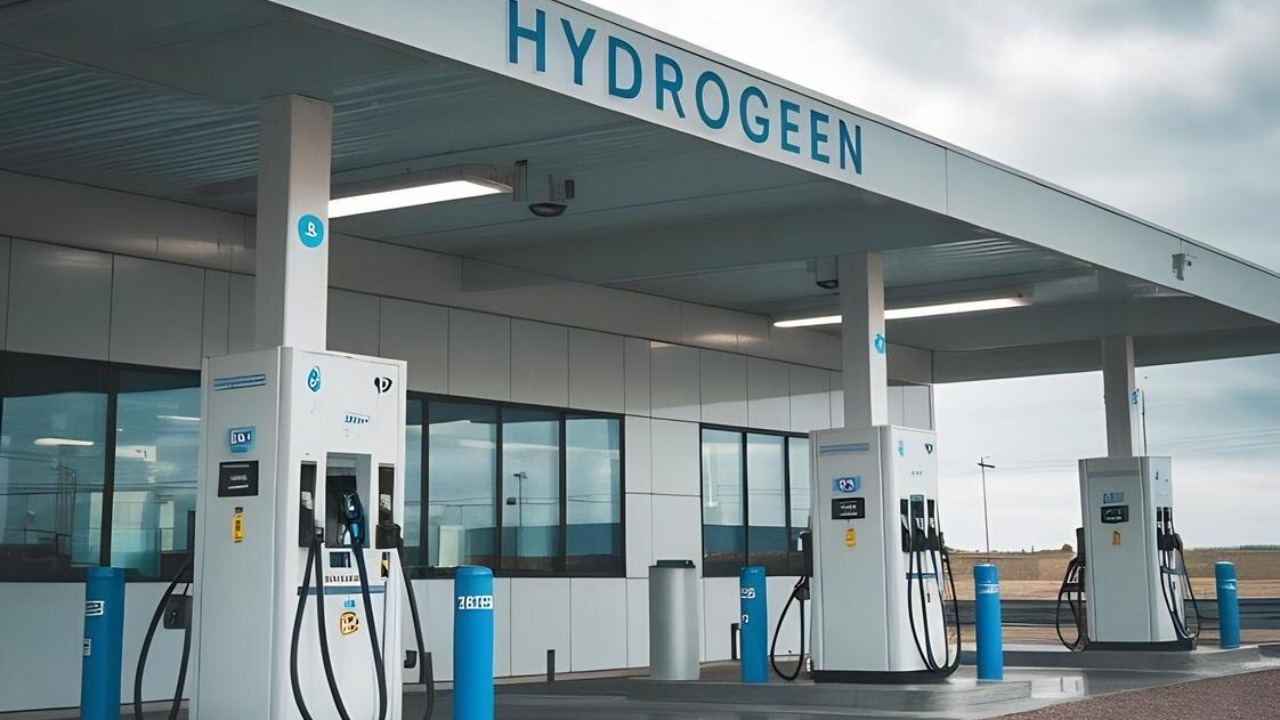
Despite the promising potential of this new fuel cell technology, several challenges must be addressed to facilitate its mass production and adoption. One of the primary hurdles is the development of a robust infrastructure for hydrogen production and distribution. Establishing a widespread network of hydrogen refueling stations is essential to support the growing fleet of hydrogen vehicles. Additionally, the production of hydrogen itself must be environmentally sustainable to ensure that the overall carbon footprint of hydrogen vehicles remains low. This requires advancements in renewable energy sources and efficient hydrogen extraction methods.
Economic considerations also play a critical role in the adoption of hydrogen fuel cell technology. The initial costs associated with developing and deploying hydrogen infrastructure can be substantial, potentially deterring investment from both public and private sectors. However, the long-term benefits of reduced emissions and operational costs could outweigh these initial expenses, making hydrogen a competitive alternative to traditional fuels. Policymakers and industry leaders must collaborate to create incentives and support mechanisms that encourage the transition to hydrogen-powered transportation.
Another significant challenge is public perception and acceptance of hydrogen as a safe and reliable energy source. Educating consumers about the benefits and safety of hydrogen technology is essential for its widespread adoption. This includes addressing concerns about the storage and handling of hydrogen, which, despite being highly flammable, can be managed safely with proper technology and protocols. Public awareness campaigns and demonstrations of hydrogen’s safety and efficacy could play a pivotal role in overcoming these barriers. Additionally, collaboration between governments, industry stakeholders, and research institutions will be vital in developing comprehensive safety standards and regulations that ensure the secure deployment of hydrogen technologies (source).
Future Prospects
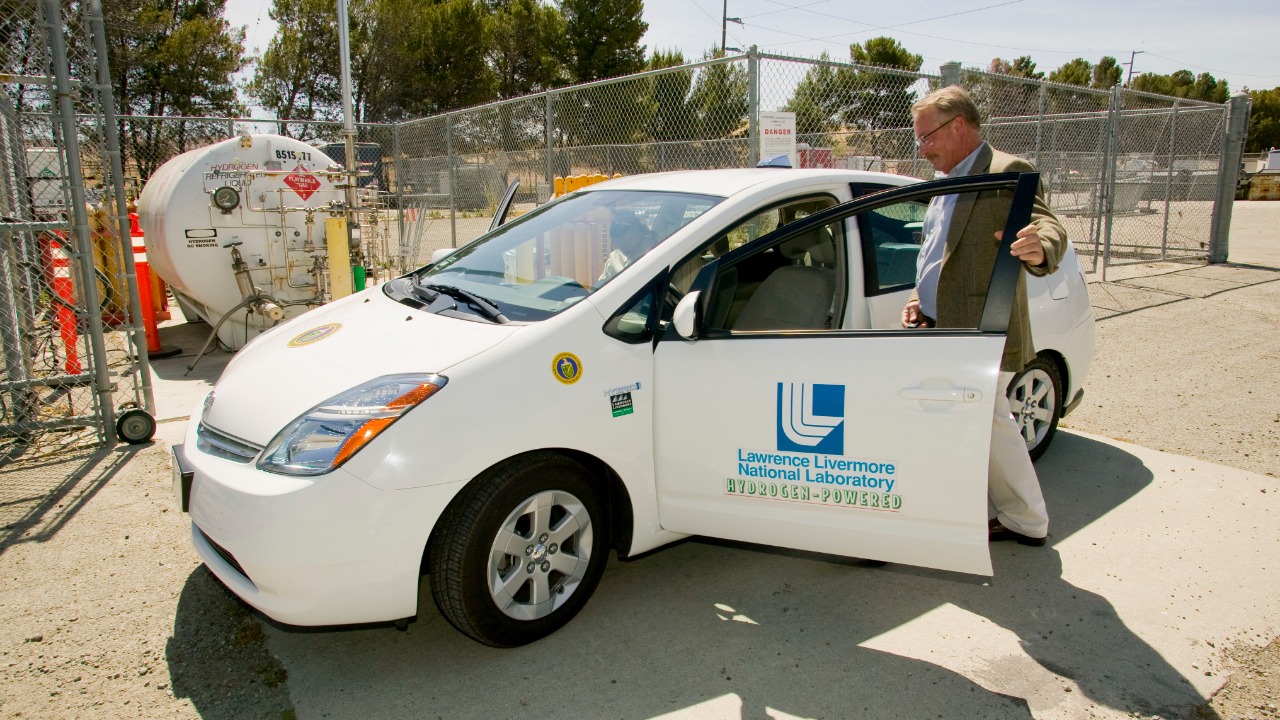
The role of hydrogen vehicles in reducing carbon emissions is poised to become increasingly significant as the world shifts towards cleaner energy solutions. With the extended lifespan and improved efficiency of hydrogen fuel cells, these vehicles offer a viable path to achieving global sustainability goals. As research and development efforts continue, further advancements in hydrogen technology could enhance its competitiveness and accessibility, paving the way for broader adoption across various sectors.
Looking ahead, the breakthrough at UCLA opens up new avenues for research and innovation in the field of hydrogen energy. Continued exploration of materials and technologies that enhance the performance and sustainability of hydrogen fuel cells will be crucial in driving the industry forward. By building on this foundation, scientists and engineers can develop even more efficient and cost-effective solutions, solidifying hydrogen’s place in the future of clean energy transportation (source).
