
The dawn of artificial intelligence (AI) has brought with it a host of boons and banes, one such being the phenomenon of ‘deepfakes’. Deepfakes, using AI technology, manipulate or fabricate visual and audio content to the point that it becomes incredibly difficult to distinguish from reality. Now, a new tool has emerged that can detect these deepfake videos automatically, bringing with it a whole new dimension to the realms of journalism and societal interactions.
Understanding Deepfakes

Deepfakes, a term that combines “deep learning” and “fake”, first surfaced around 2017. They utilize machine learning and artificial intelligence to create fake videos or audio recordings that look and sound just like the real thing. It’s a technological advancement that has the potential to upend societies by spreading misinformation and sowing discord.
The creation of deepfakes relies heavily on deep learning, a subset of AI, where algorithms modelled on the human brain learn from large amounts of data. By feeding an AI system thousands of photos and videos, it can begin to understand how to mimic the subject, creating a convincing fake. However, with the potential to create realistic fake videos of politicians making inflammatory statements or celebrities in compromising situations, the potential risks and impacts of deepfakes on society cannot be underestimated.
The Science Behind Deepfake Detection

The detection of deepfakes, while challenging, rests on the principle that even the most advanced AI can’t perfectly mimic human behavior and appearance. The new tool uses several factors to identify deepfake videos, such as inconsistencies in the lighting, unnatural blinking patterns, and slight distortions in the background.
Under the hood, the tool uses a type of AI called a convolutional neural network (CNN) to analyze each frame of a video. The CNN is trained on a dataset of real and deepfake videos to recognize the subtle cues that distinguish a fake. While the technology isn’t perfect, it’s a significant step forward in the fight against deepfakes.
Effectiveness and Limitations of the New Tool
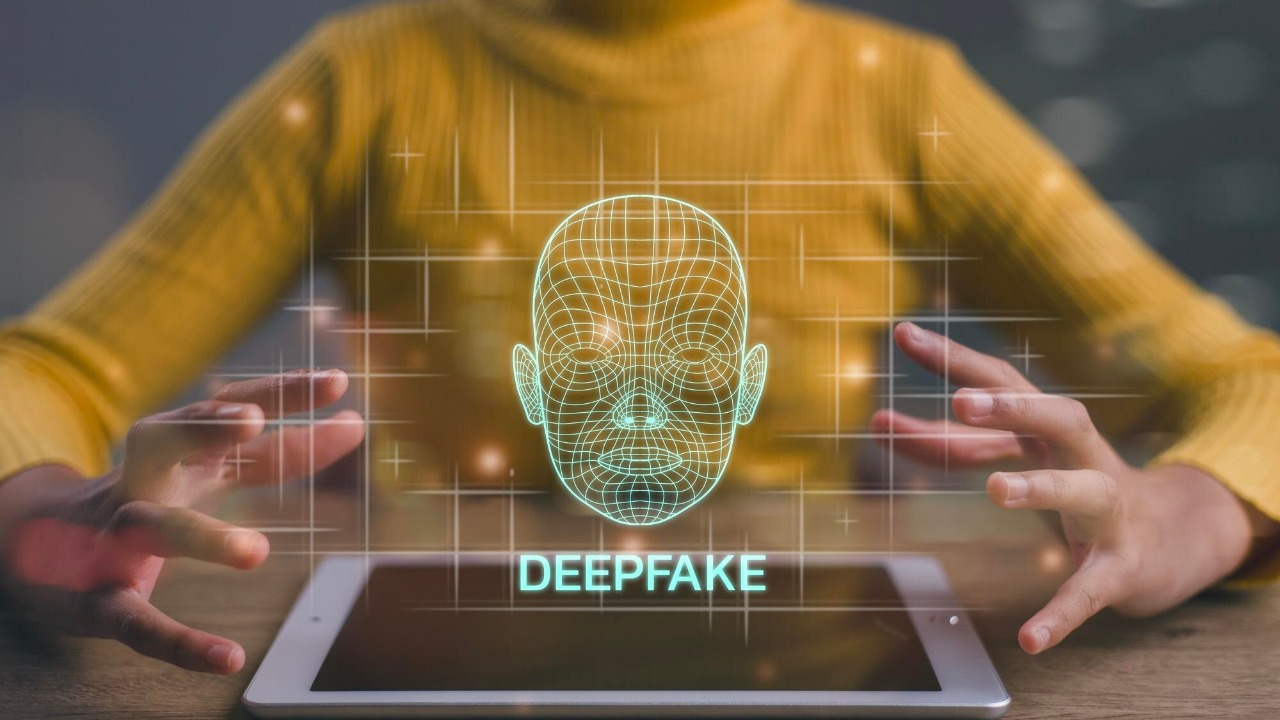
Initial testing of the deepfake detection tool has shown promise, with a high success rate in identifying manipulated videos. However, it’s important to note that the tool, like any technology, isn’t infallible. As deepfake technology continues to advance, the tool will need to keep pace.
One potential limitation is that the tool currently requires high-quality videos for accurate detection. Poorly lit or low-resolution videos may not provide enough detail for the tool to make a confident determination. Despite these challenges, the tool represents a crucial step in the ongoing effort to combat the spread of fake news and misinformation.
Deepfake Detection and Journalism

Deepfake detection tools carry immense significance within the journalism industry. In an era where ‘fake news’ has become a buzzword, ensuring the authenticity of multimedia content is paramount. Journalists often act as gatekeepers of information, making it crucial that they can discern between real and fake content.
The new tool can assist journalists in debunking deepfakes, providing them with a technological ally in the fight against misinformation. By leveraging this tool, journalists can more confidently report on video content, knowing they have a system in place to verify its authenticity.
Implications on Society and Future Directions
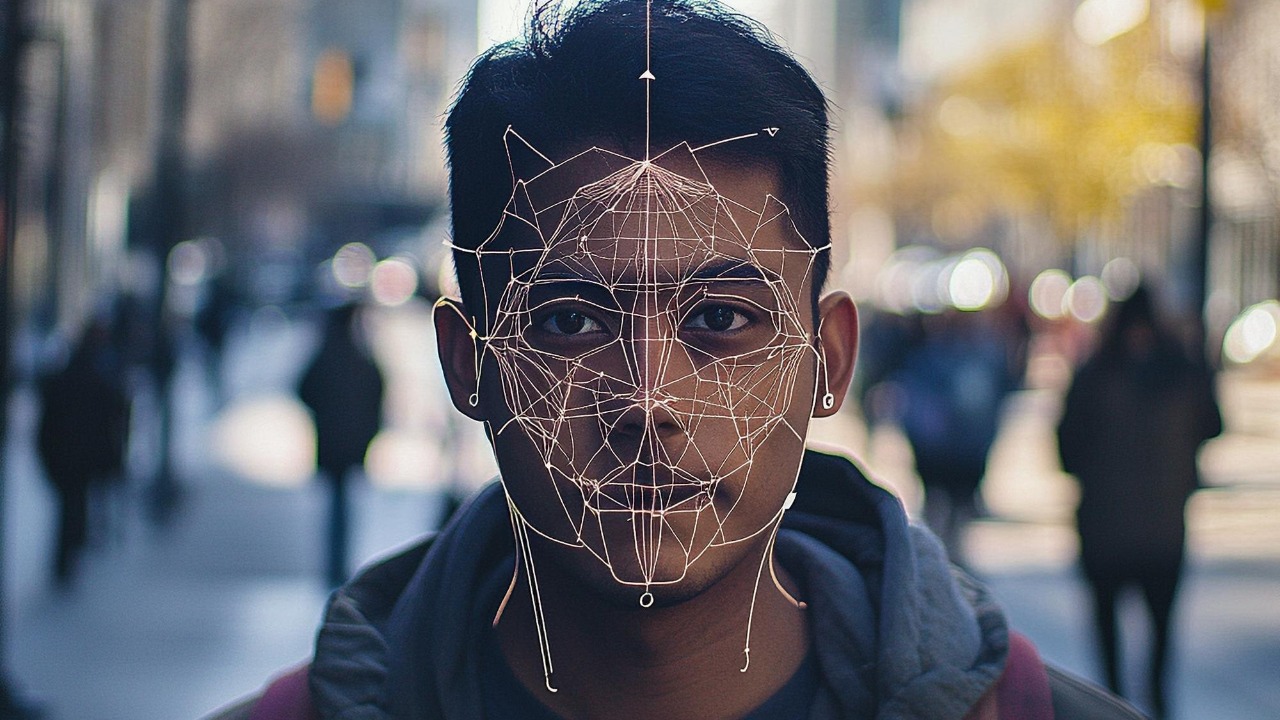
The new deepfake detection tool has the potential to be a game-changer in combating misinformation. By automatically detecting deepfake videos, it can help to prevent the spread of fake news, and by extension, protect the integrity of public discourse. This tool could reshape the future of content validation and credibility, fostering a more informed and discerning public.
However, public awareness about deepfakes and detection tools is equally important. As deepfakes become more sophisticated, it is crucial that society at large understands not only the potential threat they pose but also how to detect them. The fight against deepfakes is not just a technological battle, but an educational one as well, requiring concerted efforts from all sectors of society.
