As the demand for efficient and sustainable energy storage solutions grows, new thermal energy storage technologies are emerging as promising alternatives to traditional lithium-ion batteries. These innovations not only offer enhanced performance but also address some of the critical limitations associated with lithium batteries, such as resource scarcity and environmental impact.
The Rise of Thermal Energy Storage Technologies
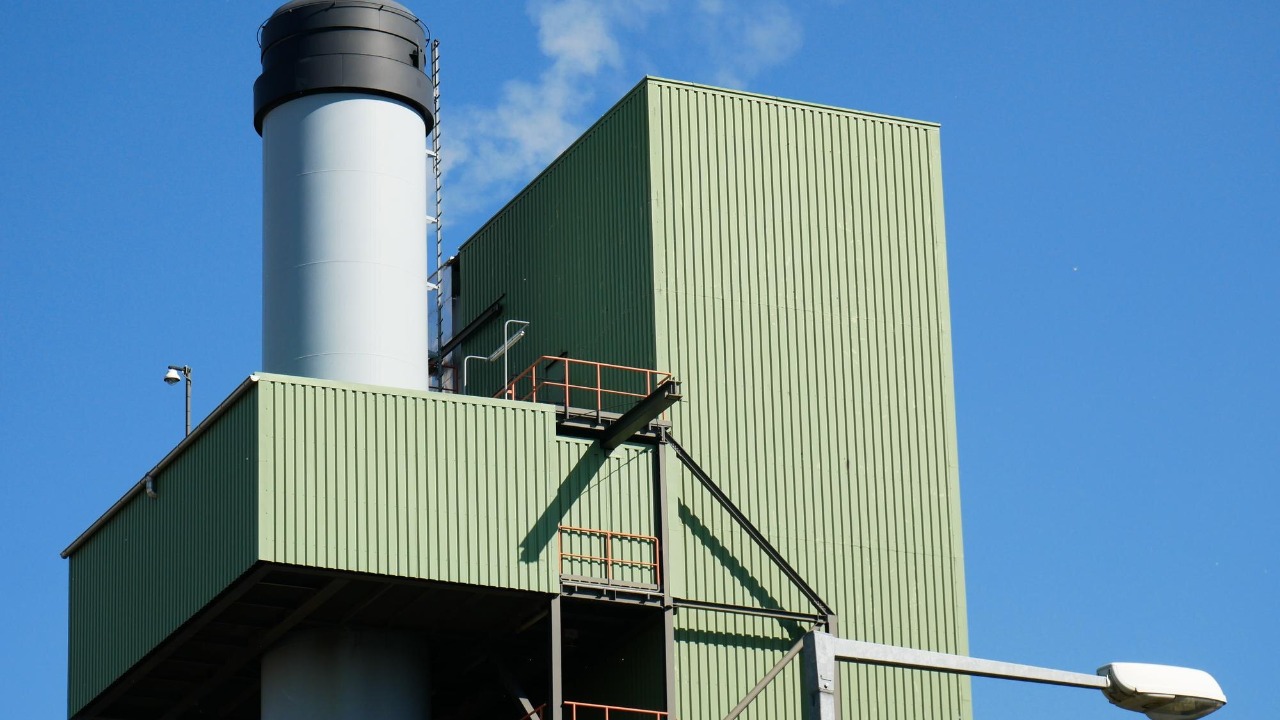
Thermal energy storage systems are a fascinating innovation in the energy sector, capturing and releasing energy through the manipulation of heat. These systems operate by storing thermal energy when there is an abundance of it, such as during periods of low electricity demand or when renewable sources like solar and wind are generating excess power. The stored heat can then be released when needed, converting it back into electricity or using it directly for heating applications.
The materials used in thermal energy storage are diverse, ranging from simple water tanks in sensible heat systems to advanced phase-change materials that absorb and release heat at specific temperatures. Some systems even utilize thermochemical materials, which undergo chemical reactions to store and release heat. These diverse approaches allow thermal energy storage systems to tailor their capabilities to different applications, offering advantages over conventional lithium-ion batteries.
One of the significant advantages of thermal energy storage systems over lithium-ion batteries is their improved energy density and efficiency. Thermal systems can achieve higher energy densities by leveraging materials that store heat more effectively than the electrochemical processes in lithium batteries. Moreover, they provide environmental and resource availability benefits, as they often rely on abundant and less environmentally damaging materials, reducing the overall ecological footprint.
Environmental and Economic Considerations
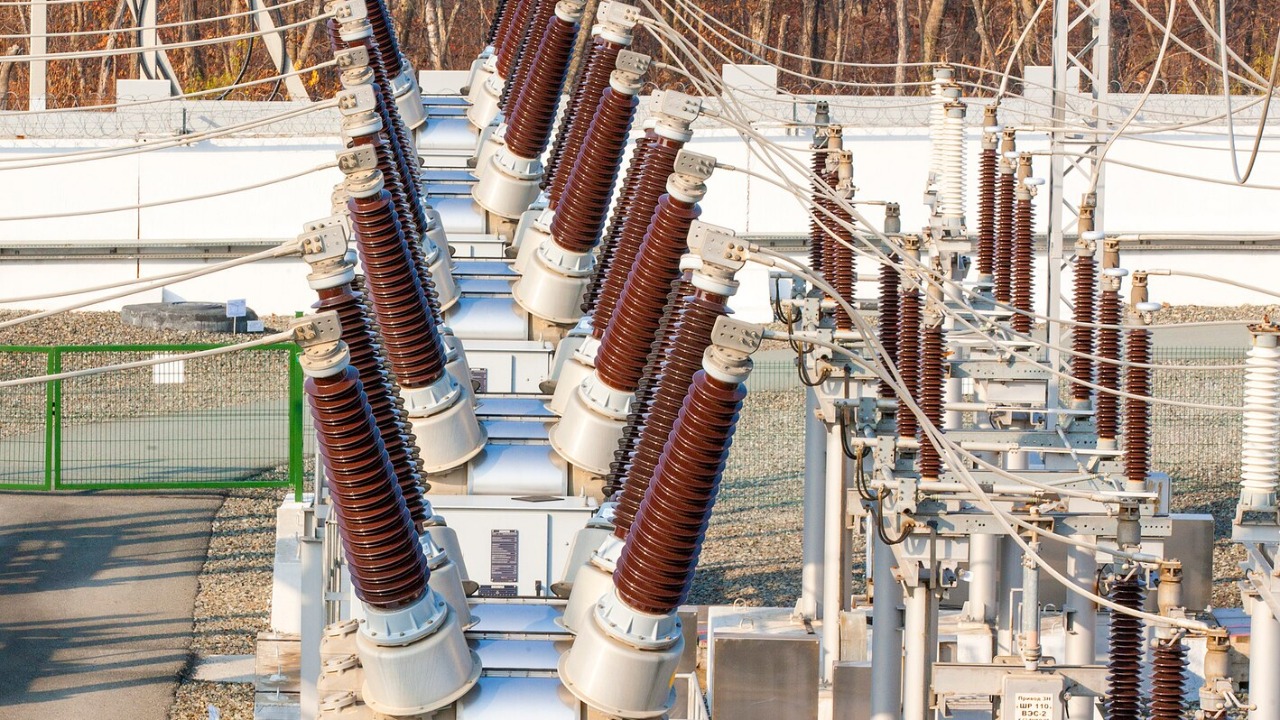
Thermal energy storage technologies present a significant opportunity to reduce environmental impact, primarily by decreasing reliance on rare earth materials commonly used in lithium-ion batteries. The production and disposal of lithium batteries involve substantial carbon emissions, whereas thermal storage systems often use more sustainable materials, resulting in a lower carbon footprint throughout their lifecycle.
From an economic standpoint, thermal energy storage systems offer a compelling case for cost-effectiveness and market potential. While the initial investment in thermal storage infrastructure might be higher, the long-term savings in energy costs and maintenance can outweigh these upfront expenses. Market trends indicate a growing interest in thermal storage solutions, with projections suggesting increased adoption as businesses and governments seek more sustainable energy alternatives. A recent study highlighted the potential of these systems to revolutionize energy storage, making them a viable contender in the market.
Challenges and Future Prospects
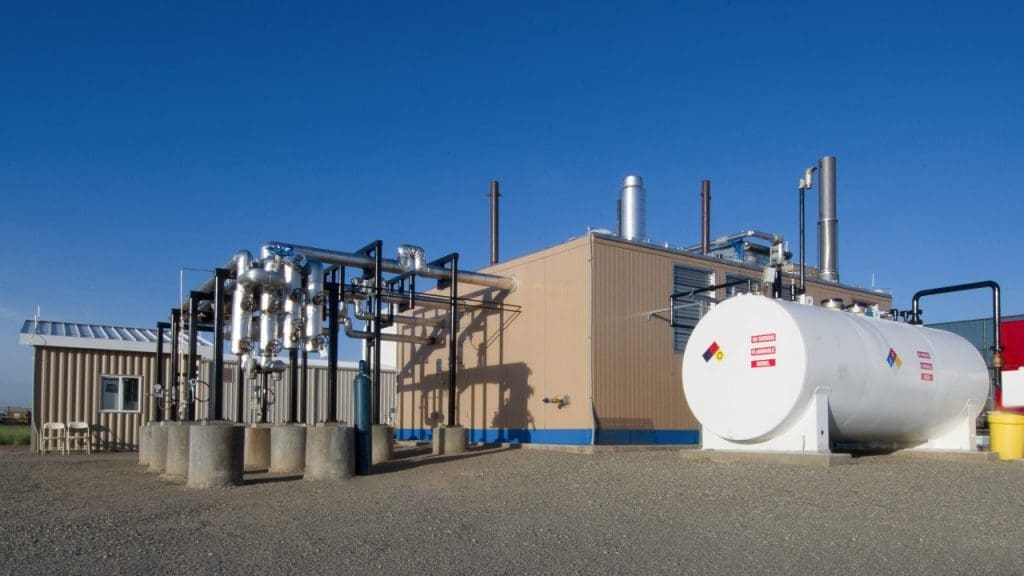
Despite their advantages, thermal energy storage systems face several challenges and technological hurdles that need addressing. One of the primary challenges is achieving energy densities comparable to those of traditional batteries. While advances in materials science are gradually improving this aspect, further research and development are necessary to make thermal storage a mainstream solution.
Infrastructure and technological maturity also pose significant barriers to widespread adoption. Many thermal storage technologies are still in the early stages of development and require substantial investment to scale up. However, ongoing innovations in materials science and engineering hold promise for overcoming these obstacles. Emerging research efforts are focused on optimizing materials and enhancing system efficiency, paving the way for breakthroughs that could transform the energy storage landscape.
Real-World Applications and Case Studies
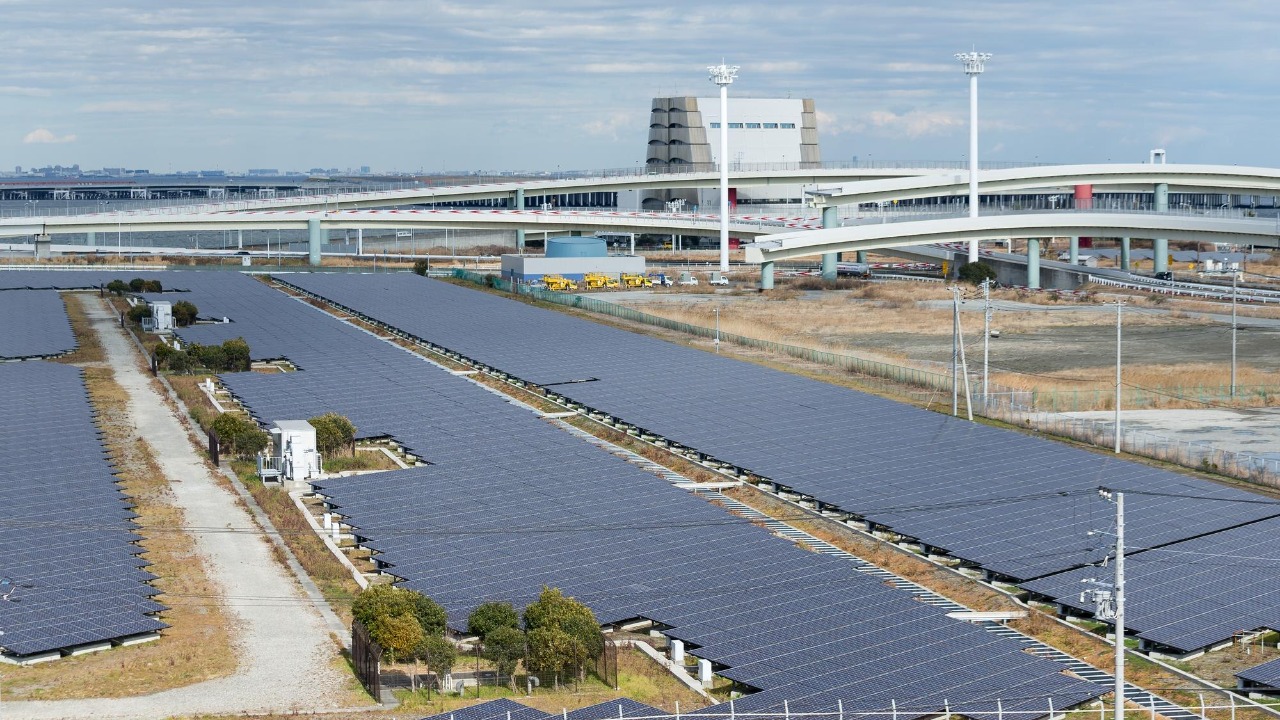
Several successful implementations of thermal energy storage showcase the technology’s potential. For instance, in Australia, a solar thermal plant utilizes molten salt to store energy, providing a reliable power supply even when the sun isn’t shining. This example demonstrates the technology’s ability to support renewable energy integration and improve grid reliability.
In the industrial sector, companies are increasingly turning to thermal energy storage to optimize their energy use. Industries such as manufacturing and food processing benefit from the ability to store excess heat, reducing energy costs and enhancing operational efficiency. A recent analysis highlighted the successful deployment of thermal storage in various industries, emphasizing its versatility and effectiveness.
Looking to the future, thermal energy storage has the potential to play a pivotal role in supporting renewable energy systems. By providing a stable and reliable energy source, it can enhance the resilience of solar and wind systems, ensuring a consistent power supply even in fluctuating weather conditions. As the global energy landscape continues to evolve, thermal storage is poised to become a key player in the transition to a more sustainable and efficient energy future.
