The scientific community is abuzz with the recent revelations made by the James Webb Space Telescope. This revolutionary instrument has discovered galaxies that are far older than previously thought, challenging our understanding of the universe’s age and evolution.
The James Webb Space Telescope: A Revolutionary Tool
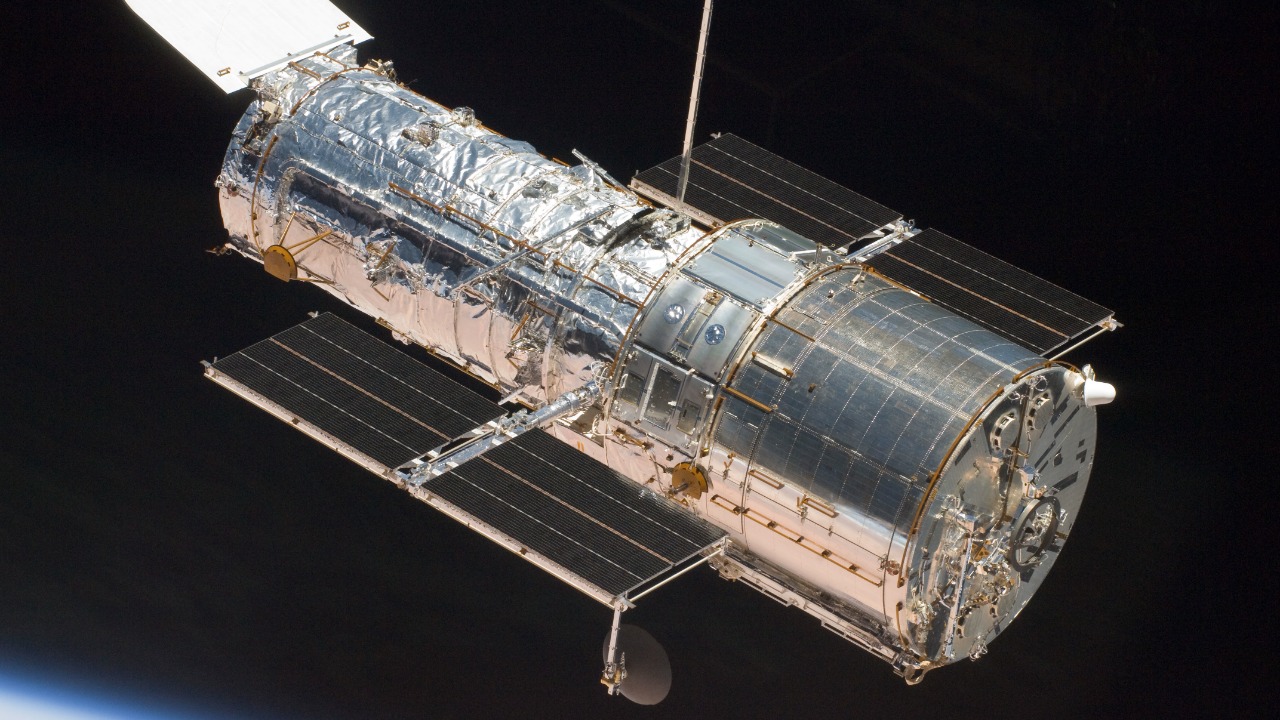
The James Webb Space Telescope, often referred to as the successor to the Hubble Space Telescope, has expanded our cosmic horizons with its unique capabilities. Unlike its predecessor, Webb boasts advanced infrared capabilities that allow it to see through dust clouds, uncovering celestial bodies previously hidden from view. This allows it to detect galaxies at the very edge of the observable universe.
Furthermore, Webb’s sensitivity to heat radiation makes it ideal for studying the early universe. It’s this capability that has led to the groundbreaking discovery of galaxies that are significantly older than previously estimated, opening up new chapters in the study of the cosmos.
The Discovery of Older Galaxies

In a surprising revelation, the James Webb Space Telescope detected the presence of galaxies that are older than what current theories had proposed. These galaxies, located at unfathomable distances, exhibit characteristics that suggest they are relics from the early universe. The details about their age, distance and other unique traits have astounded astronomers worldwide.
The discovery of these galaxies was made possible by Webb’s advanced infrared capabilities, which allowed it to detect these celestial bodies despite their extreme distance and faintness. This discovery is a testament to the telescope’s groundbreaking ability to peer into the universe’s distant past.
The Implications for our Understanding of the Universe
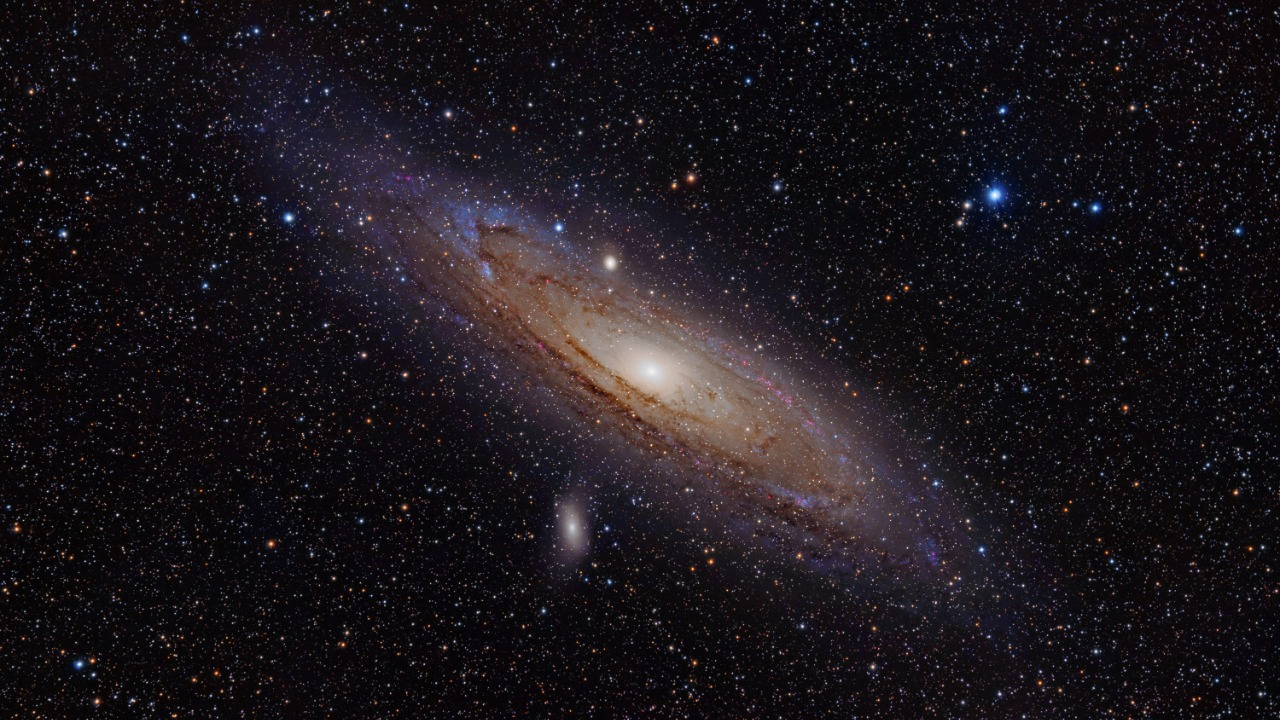
The identification of galaxies older than what was previously believed has had a profound impact on our understanding of the universe. It challenges the existing theories about the age of the universe, suggesting that it may be much older than currently estimated. This raises questions about the evolutionary timeline of galaxies and the universe itself.
Such discoveries also influence our understanding of galaxy formation. The existence of these ancient galaxies suggests that galaxy formation began much earlier than previously thought. This could potentially redefine our theories about the early universe and the formation of galaxies, leading to new insights into the universe’s history.
The Role of Cosmic Miracles
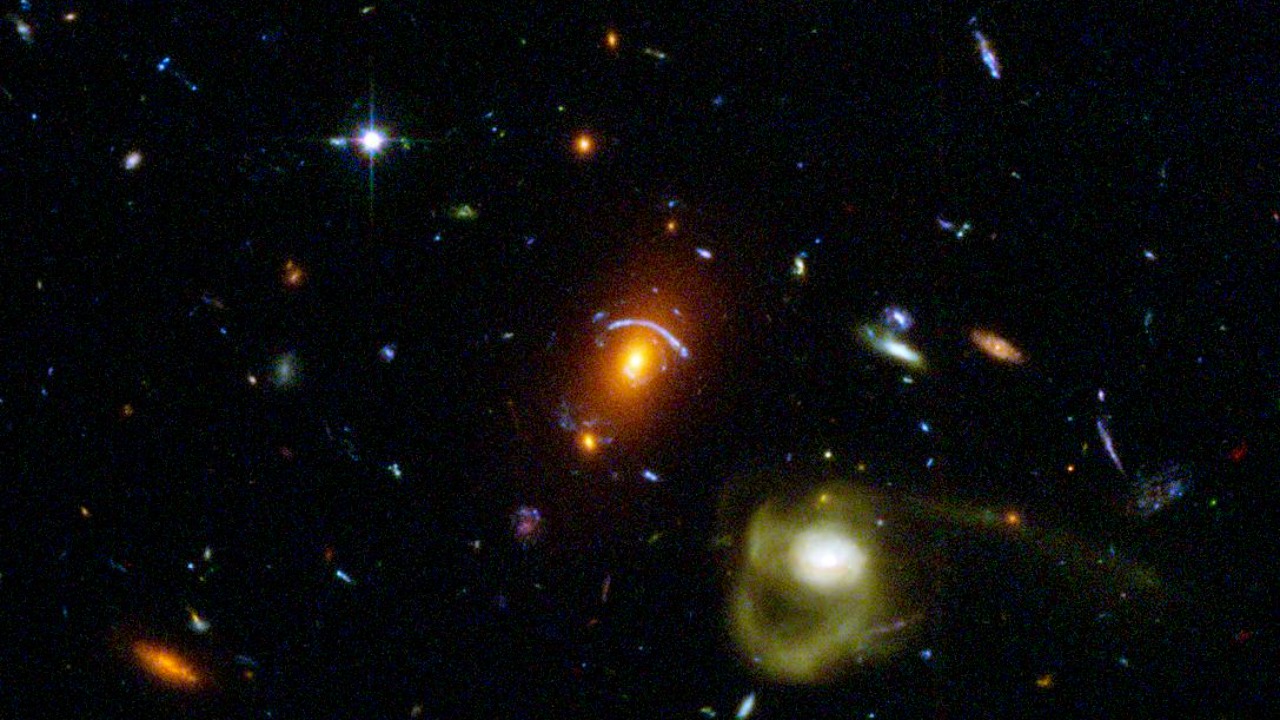
The concept of cosmic miracles, or gravitational lensing, played a crucial role in the detection of these ancient galaxies. This phenomenon, which involves the bending of light from distant galaxies by the gravitational pull of intervening objects, allows telescopes like Webb to see further back in time than ever before.
By amplifying the light from these ancient galaxies, cosmic miracles have allowed us to uncover celestial bodies that would otherwise have remained hidden. The discovery of these older galaxies is a perfect example of how cosmic miracles have broadened our understanding of the cosmos.
The Future of Astronomical Research
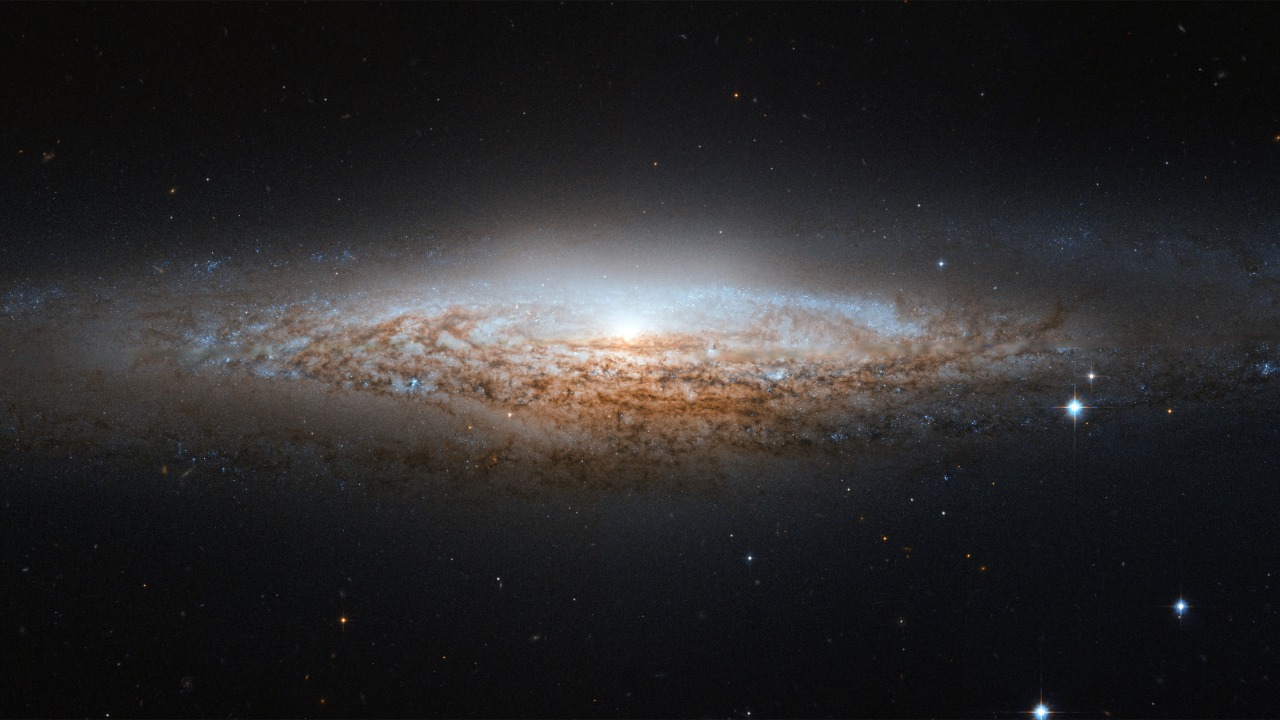
This groundbreaking discovery has profound implications for the future of astronomical research. The existence of these ancient galaxies opens up new areas of study and raises new questions about the universe’s age and the process of galaxy formation. It also underscores the importance of telescopes like Webb in advancing our understanding of the universe.
Astronomers worldwide are eager to further explore these ancient galaxies and to uncover more of their secrets. The coming years are likely to see a surge of research into these celestial bodies, shedding light on the mysteries of the early universe.
The Death of Galaxies: An Unresolved Mystery
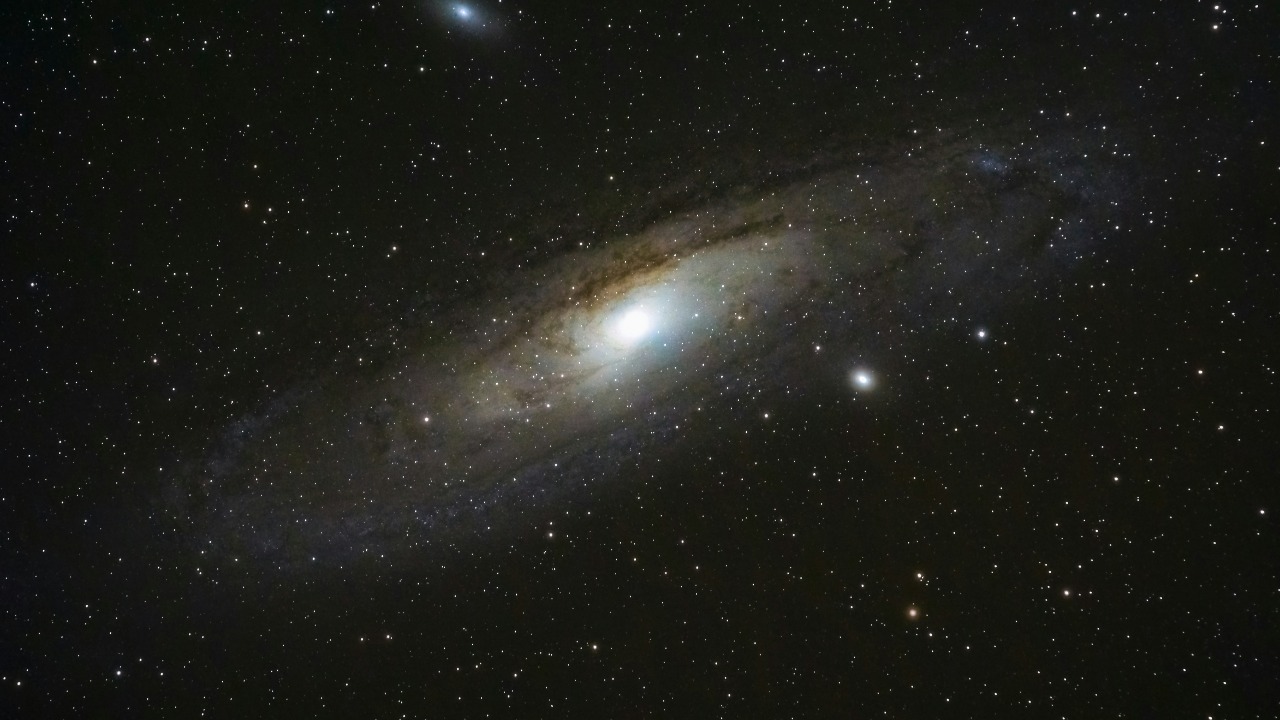
While the discovery of these ancient galaxies has provided invaluable insights into the early universe, it also raises questions about the death of galaxies. Understanding why galaxies die remains one of the most profound mysteries in astronomy. The discovery of extremely old galaxies could offer critical clues in this ongoing research.
As we delve deeper into these ancient galaxies, we may uncover new insights into the life cycles of galaxies and the factors that contribute to their demise. These findings could potentially revolutionize our understanding of galaxy death and the evolution of the universe itself.
This discovery has set the stage for a new era of astronomical research, promising exciting discoveries and profound insights into the cosmos. As we continue to unravel the mysteries of the universe, we are reminded of the vastness of our cosmos and our continuing quest to understand it.
