The mysteries of the universe never cease to amaze and intrigue scientists. In a recent development, a novel telescope has identified a peculiar “heartbeat” from far-off galaxies. This discovery opens up a new avenue of fascinating celestial phenomena for astronomers to delve into.
The Unusual Detection of a Cosmic “Heartbeat”
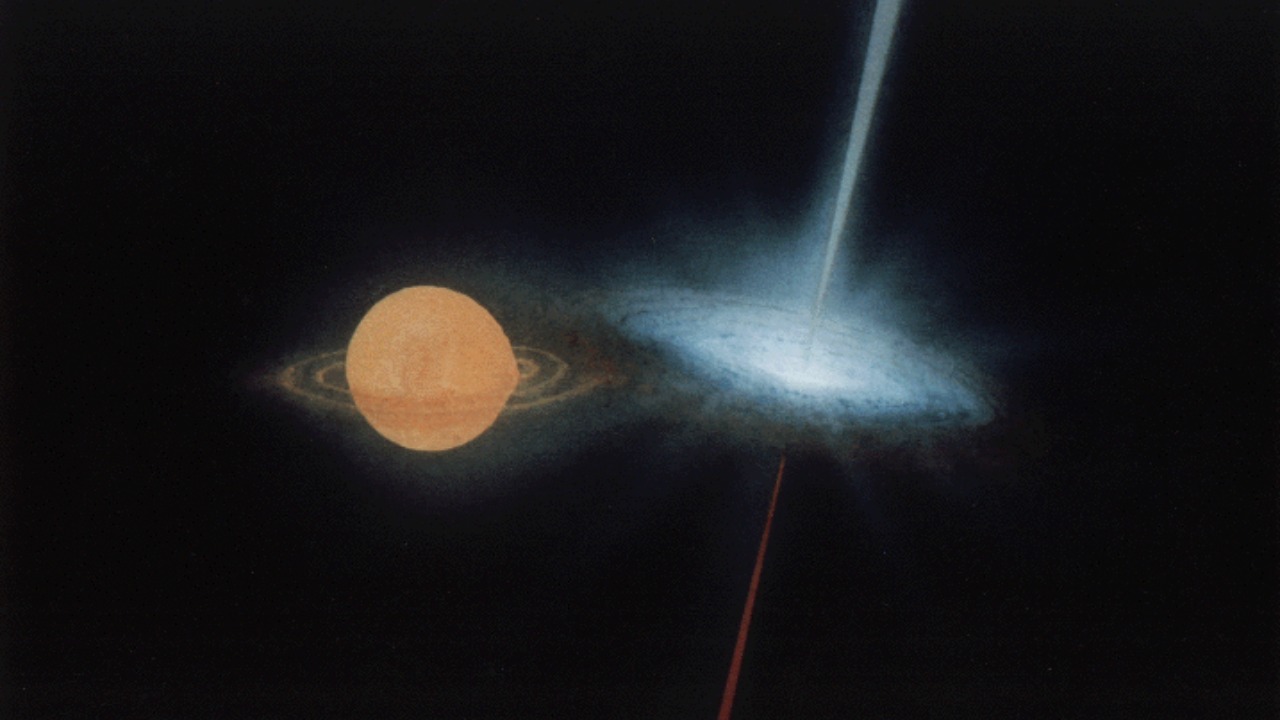
The so-called “heartbeat” is a rhythmic pattern of radio signals detected from distant galaxies. This pattern is reminiscent of a heartbeat on an electrocardiogram, hence the moniker. The newly developed telescope, equipped with advanced signal detection technology, was able to pick up these subtle, regular pulsations from across the cosmos.
The telescope in question is a marvel of modern astronomy, featuring an array of high sensitivity antennas and advanced digital signal processors. Its unique design allows it to scan a wide field of view, making it capable of detecting weak signals like the “heartbeat” from galaxies billions of light-years away.
The Science Behind the “Heartbeat”
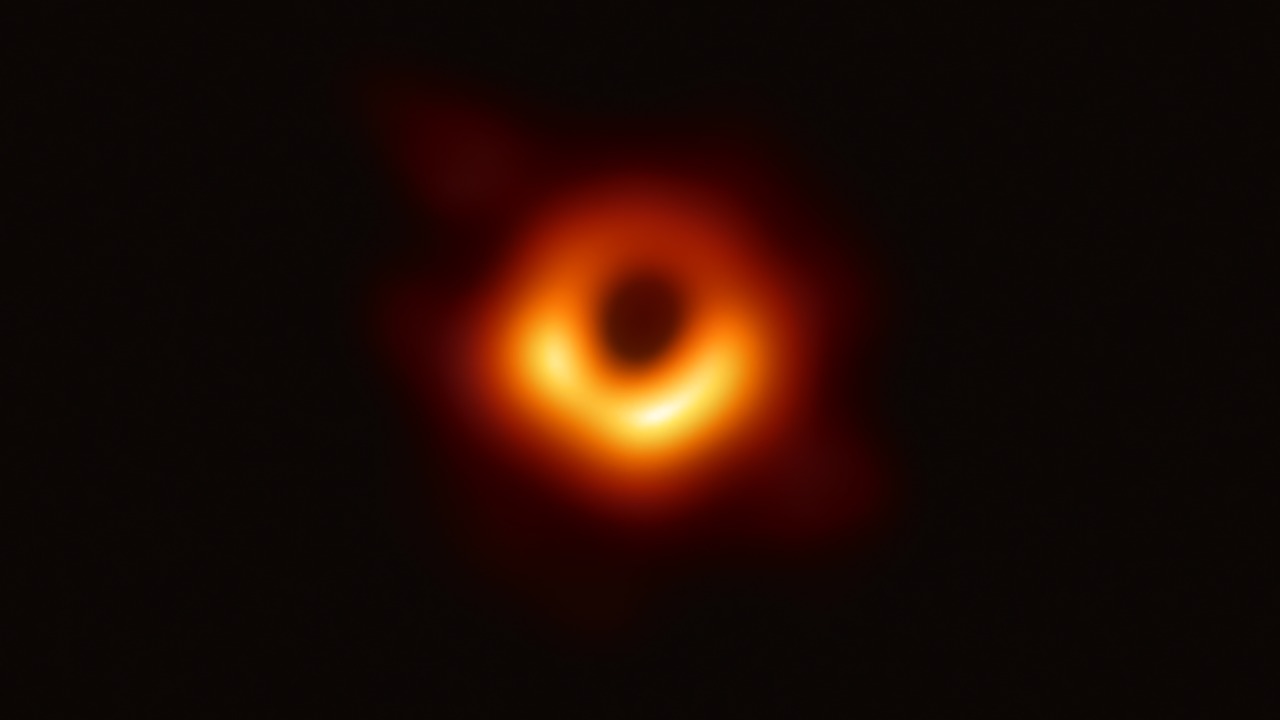
These “heartbeat” signals offer tantalizing clues about the nature of distant galaxies. Some scientists speculate that they may be related to the activity of supermassive black holes at the center of these galaxies. Other theories suggest the signals could be a product of neutron star collisions or other high-energy cosmic events. The scientific community is still deliberating on the most likely explanation.
Understanding these signals could offer valuable insights into the dynamics of galactic evolution and the behavior of cosmic bodies under extreme conditions. The “heartbeat” phenomenon presents yet another intriguing puzzle for researchers to solve in the vast, intricate cosmos.
Previous Observations and Discoveries
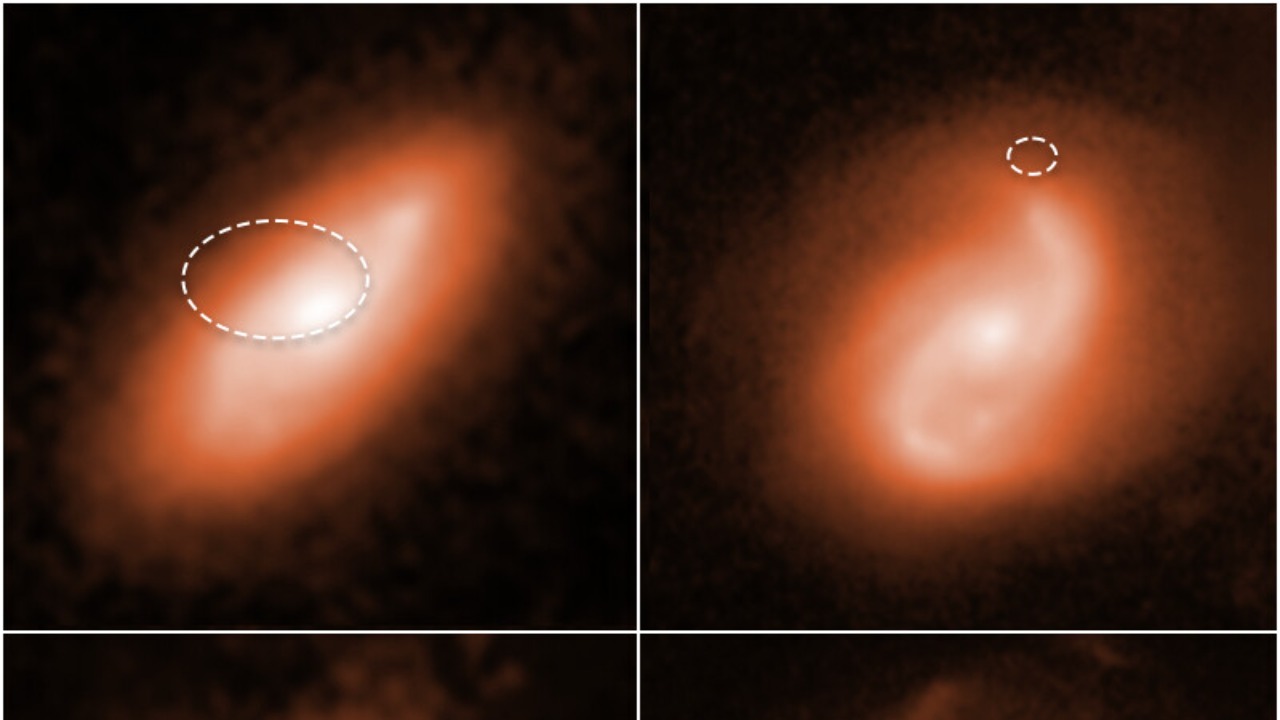
The detection of the “heartbeat” is not the first instance of astronomers picking up unexpected radio signals from space. A notable example is the discovery of Fast Radio Bursts (FRBs), brief flashes of radio waves from deep space, first observed in 2007. These signals, while similar in their unusual nature, exhibit a different pattern from the rhythmic “heartbeat.”
Comparatively, the “heartbeat” signals appear more regular and sustained, unlike the sporadic bursts of FRBs. This difference suggests a unique origin for the “heartbeat” and adds another layer of mystery to the cosmos.
The Implications for Astronomical Research

This discovery could have far-reaching implications for astronomical research. Understanding the origin and nature of the “heartbeat” might shed light on the inner workings of galaxies and the extreme events that occur within them. It could also potentially impact our understanding of fundamental physics, as these signals could provide evidence for theories that are hard to test on Earth.
The discovery also underscores the importance of developing advanced observational tools in astronomy. The telescope that detected the “heartbeat” is a testament to the power of technological innovation in probing the secrets of the universe.
Next Steps in the Cosmic “Heartbeat” Investigation
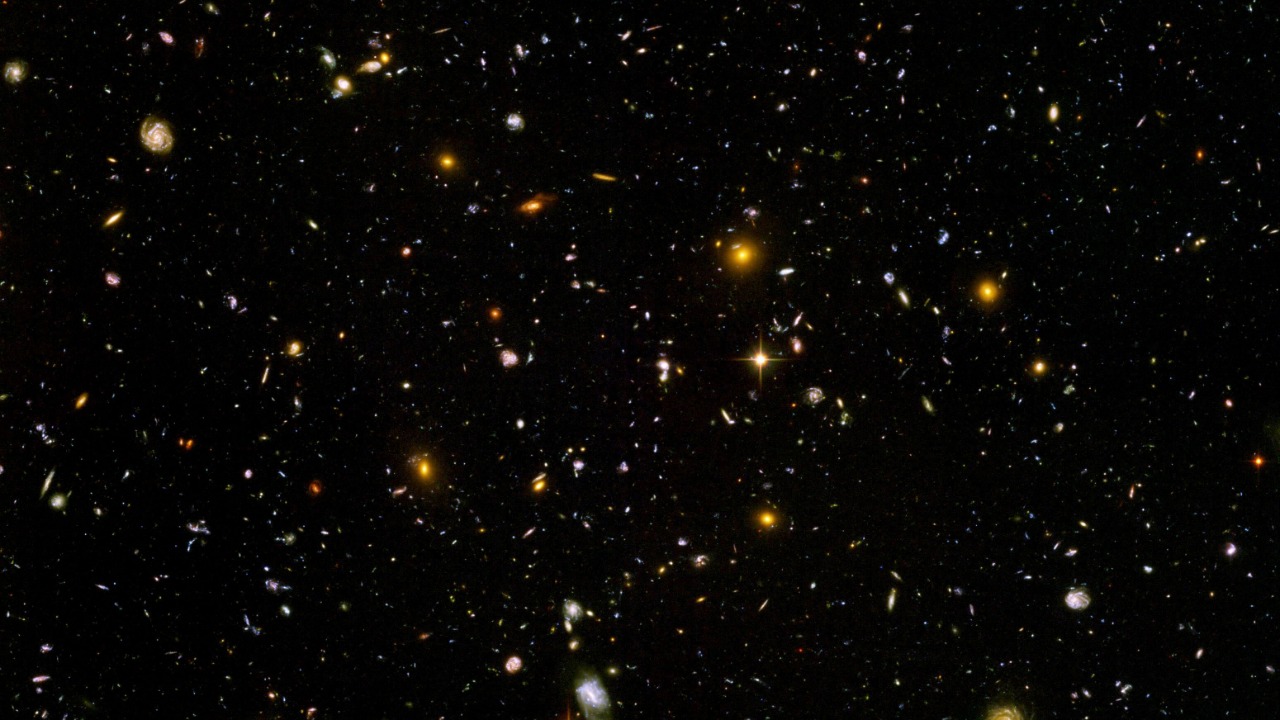
Following this discovery, plans are underway for further observations and research projects. Scientists hope to detect more “heartbeat” signals from other galaxies, which could help corroborate current theories or inspire new ones.
The investigation into these signals is still in its infancy, and there is much more to discover. As researchers continue to study the “heartbeat,” they hope to glean more information about the nature of these signals and, in the process, unravel new secrets of the cosmos. Check out this article for more details on their exciting work.
