In a groundbreaking discovery, scientists have found that camel tears possess the remarkable ability to neutralize venom from 26 different species of snakes. This surprising finding opens new avenues for anti-venom research and potential medical applications, offering hope to regions plagued by venomous snakebites.
The Science Behind Camel Tears

Camel tears are composed of a unique blend of enzymes and proteins that contribute to their venom-neutralizing properties. Researchers have identified specific proteins that appear to interact with snake venom, neutralizing its toxic effects. These proteins work by binding with venom molecules, rendering them inactive and preventing them from causing harm to the body.
The mechanism by which camel tears neutralize snake venom is a subject of intense study. At a molecular level, the active components in camel tears disrupt the enzymatic activity of the venom, which is crucial for its toxic effects. This process is markedly different from traditional anti-venom treatments, which typically involve injecting antibodies derived from animals. Camel tears present a more natural and potentially safer alternative, with initial studies suggesting higher efficacy and fewer side effects.
The Discovery Process
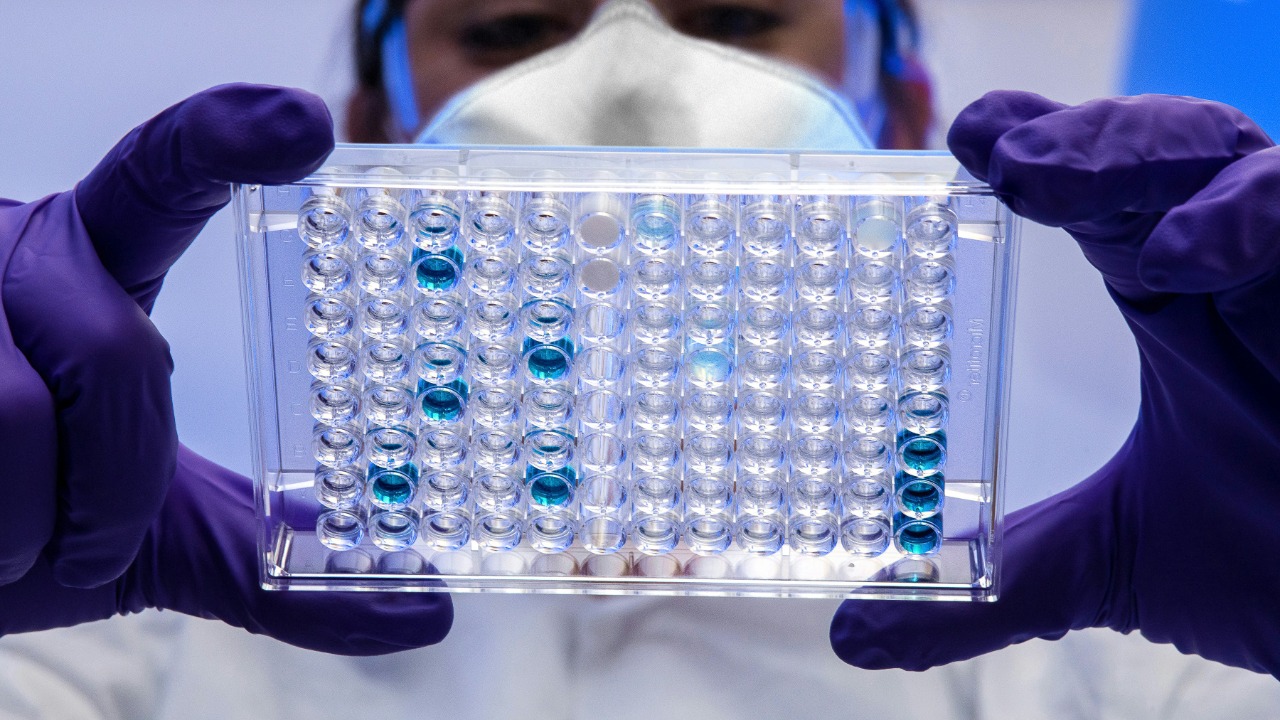
The discovery of camel tears’ venom-neutralizing ability began with initial observations by researchers who noticed a peculiar reaction when camel tears came into contact with snake venom. To verify these observations, scientists conducted a series of experiments using various snake venoms and camel tear samples, meticulously documenting the results and confirming the tears’ neutralizing effect.
This groundbreaking research was made possible through collaborations between several research institutions and scientists across the globe. Institutions contributed their expertise and resources, allowing for a comprehensive exploration of camel tears’ properties. The collaborative effort culminated in a significant scientific breakthrough, paving the way for future studies and potential applications.
Implications for Medical Science
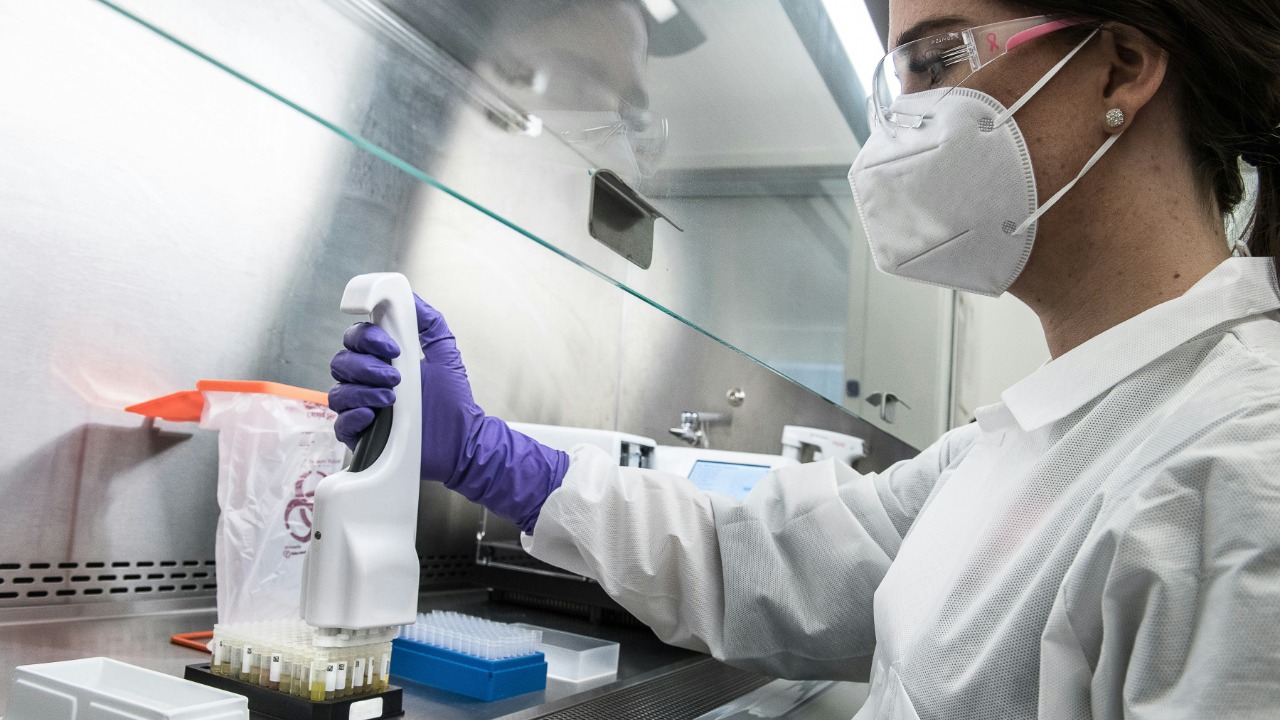
The potential for new anti-venom therapies based on camel tears is immense. With the ability to neutralize venom from 26 snake species, camel tears could revolutionize the treatment of snakebites, particularly in regions where effective anti-venom is scarce. Developing camel tear-based therapies could significantly reduce the mortality and morbidity associated with snakebites worldwide.
This discovery is particularly relevant for regions and populations that are most affected by venomous snakes. In many developing countries, access to traditional anti-venom is limited, leading to severe health challenges. Camel tears offer a promising alternative that could address these challenges effectively. Future research will focus on optimizing the extraction and application of camel tears, with scientists planning to delve deeper into understanding their full potential and limitations.
Cultural and Economic Impact
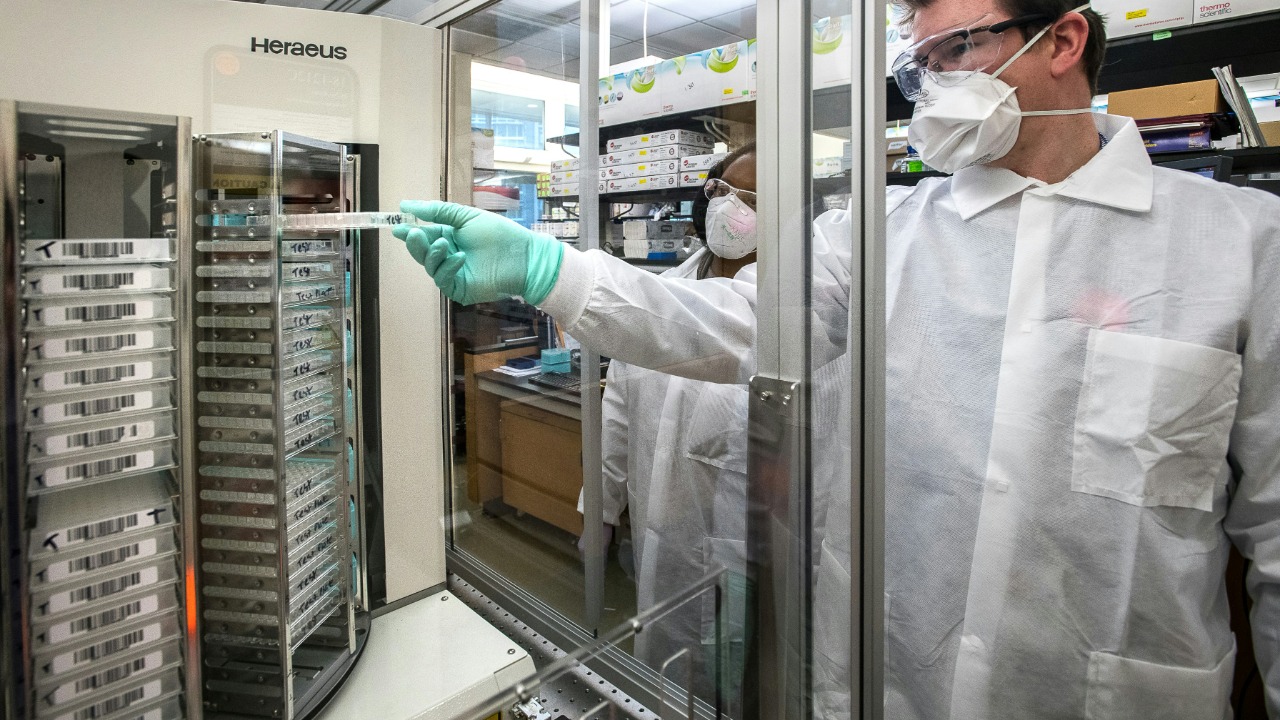
The significance of camel tears extends beyond the scientific realm, particularly in regions where camels are prevalent. In these areas, camels are not only integral to the local culture but also present economic opportunities. The potential commercialization of camel tear-based anti-venoms could provide a new source of income for local communities, enhancing their economic stability.
However, the commercialization of camel tears also raises ethical considerations. Ensuring the sustainable and humane harvesting of camel tears is crucial to prevent exploitation and harm to these animals. Balancing economic interests with ethical practices will be key to developing a viable camel tear market.
Challenges and Controversies

Despite the promising findings, the scientific community remains cautious. Some researchers express skepticism about the broad applicability of camel tears, questioning the robustness of the experimental methods used. Addressing these doubts requires further studies and peer-reviewed publications to validate the initial results.
Logistical challenges also pose significant hurdles. Collecting and processing camel tears in sufficient quantities for widespread use is a complex task. Additionally, navigating the legal and regulatory landscape to gain approval for new treatments will require careful planning and cooperation with health authorities worldwide.
Public Reception and Media Coverage

The discovery of camel tears’ anti-venom properties has generated considerable media attention. News outlets and social media platforms have widely reported on the findings, sparking public interest and debate. The response has been largely positive, with many expressing hope for the potential medical breakthroughs this discovery could entail.
Social media plays a significant role in spreading awareness about this discovery, influencing public opinion and encouraging discussions among stakeholders. Platforms like Facebook and Instagram have become key channels for disseminating information and engaging with communities curious about the implications of camel tears for both science and society.
