As humanity ventures further into space, creating sustainable living conditions is becoming increasingly important. Recent advancements in space station technology have led to the development of modules designed to simulate artificial gravity. These groundbreaking innovations have the potential to significantly impact the future of space exploration.
The Need for Artificial Gravity in Space Exploration
Health Challenges in Microgravity
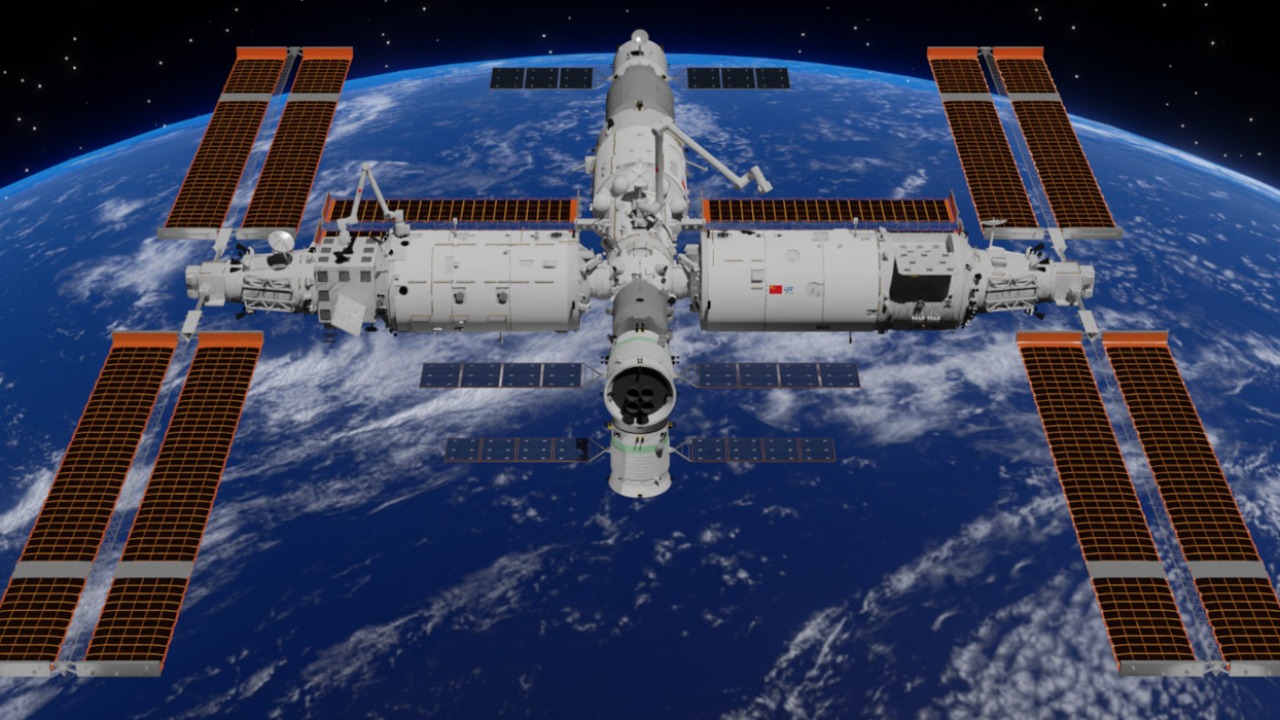
The physiological effects of prolonged exposure to microgravity pose significant challenges for astronauts. When living in a microgravity environment, astronauts often experience muscle atrophy and a noticeable loss in bone density. These conditions arise because the lack of gravitational force means muscles and bones do not have to work as hard as they do on Earth. To address these health challenges, the introduction of artificial gravity could provide a much-needed solution, allowing astronauts to maintain their physical health during long-duration missions.
Artificial gravity could prove essential in mitigating these issues. By simulating Earth-like gravitational forces, astronauts can engage in exercises and daily activities that mimic those on Earth, thereby reducing the risk of muscle and bone deterioration. This is crucial for missions to Mars and beyond, where the journey itself could last several months.
Enhancing Crew Well-being
Beyond physical health, the psychological well-being of astronauts is a key concern during extended missions. Microgravity environments can disrupt sleep patterns and lead to mental fatigue. By introducing artificial gravity, astronauts may experience improved sleep cycles, which in turn enhances their overall mental health and cognitive function. The psychological benefits are significant, as maintaining a healthy mind is essential for the success of complex missions.
The inclusion of artificial gravity could also foster a more Earth-like environment, helping astronauts feel more at home while far from their planet. This can reduce feelings of isolation and boost morale, contributing positively to the overall mission performance.
Innovative Designs and Technologies
Airbus’s Contribution
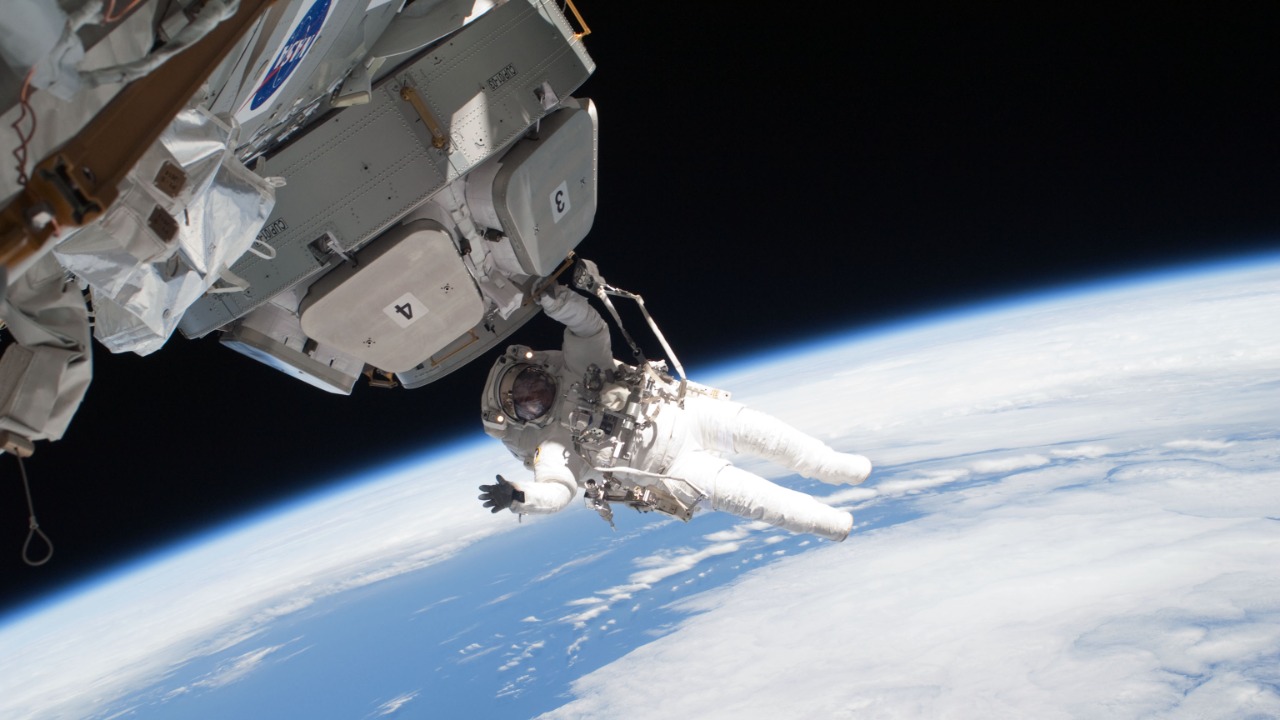
One of the companies leading the charge in this field is Airbus. The aerospace giant is working on designing space station modules specifically equipped with artificial gravity capabilities. Airbus’s designs incorporate unique features that aim to replicate gravitational pull, such as rotating modules that create centrifugal force.
This innovative approach not only showcases Airbus’s commitment to advancing space technology but also sets a precedent for future designs. The company’s expertise in aerospace engineering is being put to good use as they tackle the complex challenges associated with creating a viable artificial gravity system.
Collaborations in Space Technology
Partnerships between aerospace companies and space agencies are instrumental in advancing the development of artificial gravity systems. Collaborations provide a platform for sharing technological advancements and pooling resources, which is essential for overcoming the technical challenges involved.
For instance, the collaboration between Starlab and various engineering firms highlights the growing trend of interdisciplinary cooperation. These partnerships not only accelerate the pace of innovation but also ensure that the resulting technologies are robust and reliable.
Potential Impacts on Future Missions
Extended Space Missions
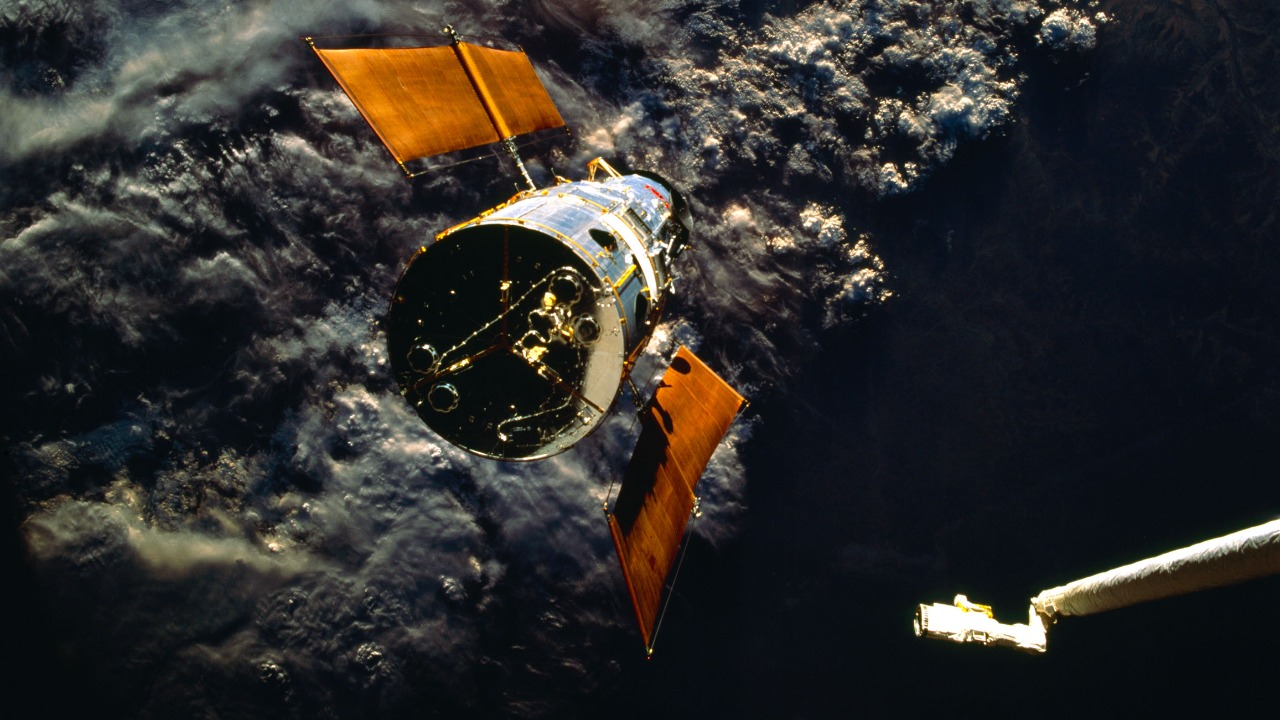
The introduction of artificial gravity could fundamentally change the way space missions are conducted. By providing more Earth-like living conditions, these modules enable missions of greater duration, such as those aimed at Mars or beyond. A study on mission design demonstrates how artificial gravity can reduce the physiological risks associated with long-term space travel, making it a promising tool for future exploration.
As humanity sets its sights on more distant destinations, the ability to create sustainable living conditions in space becomes vital. Artificial gravity could bridge the gap between short-term missions and permanent human presence in space.
Commercialization and Space Tourism
The implications of artificial gravity extend beyond scientific missions. The burgeoning space tourism industry stands to benefit significantly from these technological advancements. Space hotels equipped with artificial gravity modules could provide tourists with a more comfortable and familiar environment, paving the way for a new era of space travel.
One ambitious project is the development of a space hotel capable of accommodating 400 people. This venture highlights the potential for commercialization in space, offering a glimpse into a future where space travel becomes a commonplace luxury.
Challenges and Considerations
Technical and Engineering Hurdles
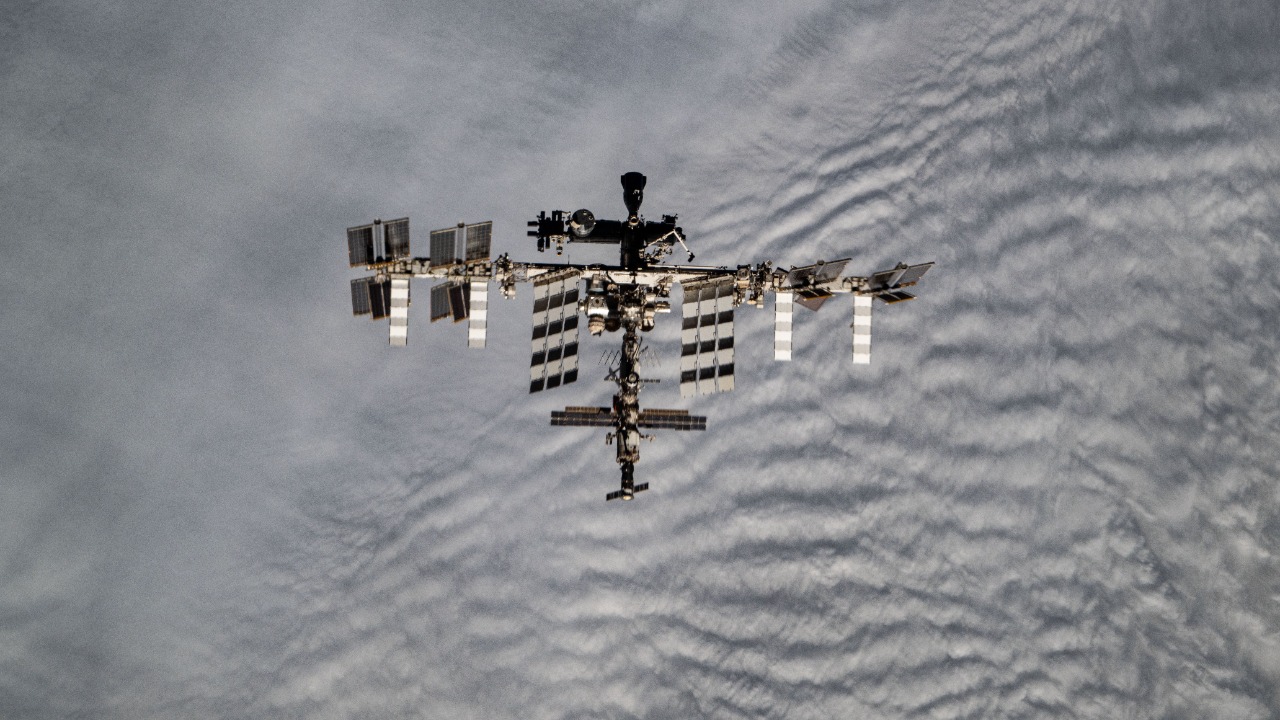
Despite the exciting prospects, creating artificial gravity is not without its challenges. Engineers must address complex issues such as rotation dynamics and structural integrity. The need to create a rotating structure that can withstand the forces involved without compromising safety is a significant engineering hurdle.
To overcome these challenges, engineers are employing cutting-edge materials and design techniques. Advanced simulations and prototypes are being developed to test the feasibility of various designs, ensuring that the final product is both safe and effective.
Cost and Feasibility
The financial aspects of implementing artificial gravity in space stations are another consideration. The investment required for developing these technologies is substantial, and the cost-benefit ratio must be carefully evaluated. However, the potential returns, in terms of extended mission capabilities and commercial opportunities, make it a worthwhile venture.
As the technology matures, economies of scale and increased interest from private investors could help drive down costs, making artificial gravity a more feasible option for future missions and commercial endeavors.
Future Prospects and Vision
Path to Permanent Habitation
Looking towards the future, artificial gravity holds the promise of enabling permanent human settlements in space. By providing a sustainable living environment, these technologies could be a cornerstone in the colonization of other planets. The ability to simulate Earth’s gravity could make long-term habitation on the Moon or Mars a reality.
Such advancements would represent a significant leap forward in humanity’s quest to become a multi-planetary species, opening up new frontiers for exploration and habitation.
Role in Space Exploration Strategy
Artificial gravity modules are set to play a crucial role in the broader strategy for space exploration and habitation. By offering a solution to the challenges of living in space, they could change how missions are planned and executed.
As part of a comprehensive space strategy, these modules could facilitate more ambitious missions, enabling humanity to explore the cosmos in ways previously thought impossible. The integration of artificial gravity into future space stations marks a significant step forward in our journey into the final frontier.
