
A new probe promises to detect space tornadoes 40% sooner, enhancing our ability to monitor these solar phenomena. Recent studies underscore the threat of invisible solar tornadoes to Earth’s technology, highlighting the need for improved detection systems. These developments were detailed in articles published on October 7, 2025, emphasizing the urgency of this technological advancement (Daily Galaxy, SSB Crack).
What Are Space Tornadoes?
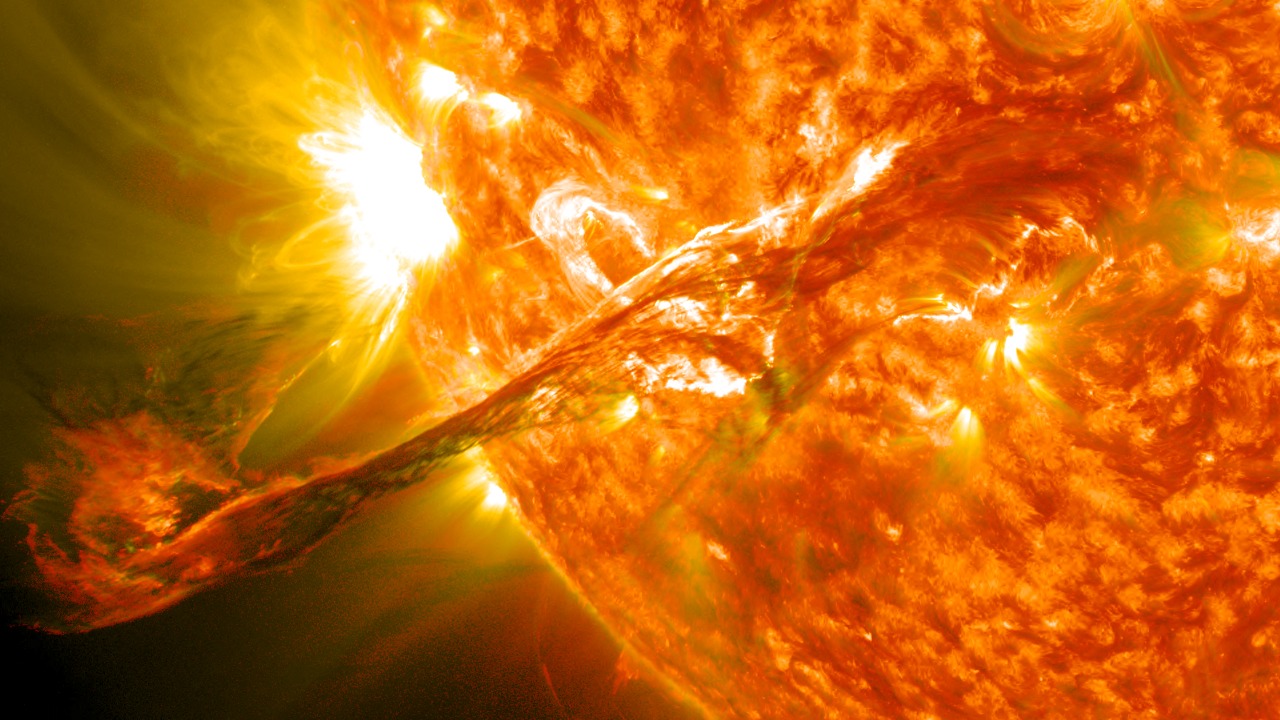
Space tornadoes are dynamic structures in the sun’s corona, resembling atmospheric tornadoes but occurring in a solar context. These phenomena are not visible to the naked eye, requiring specialized probes for detection. According to a recent study, these tornadoes form near the sun’s surface and have the potential to disrupt space weather patterns, posing significant risks to Earth’s technological infrastructure (SSB Crack).
The invisible nature of space tornadoes makes them particularly challenging to monitor. Unlike their terrestrial counterparts, these solar phenomena require advanced technology to be detected and studied. The study published on October 7, 2025, warns of the potential threats these invisible tornadoes pose, emphasizing the importance of developing new detection methods to safeguard our technology-dependent world (SSB Crack).
The New Probe’s Detection Capabilities
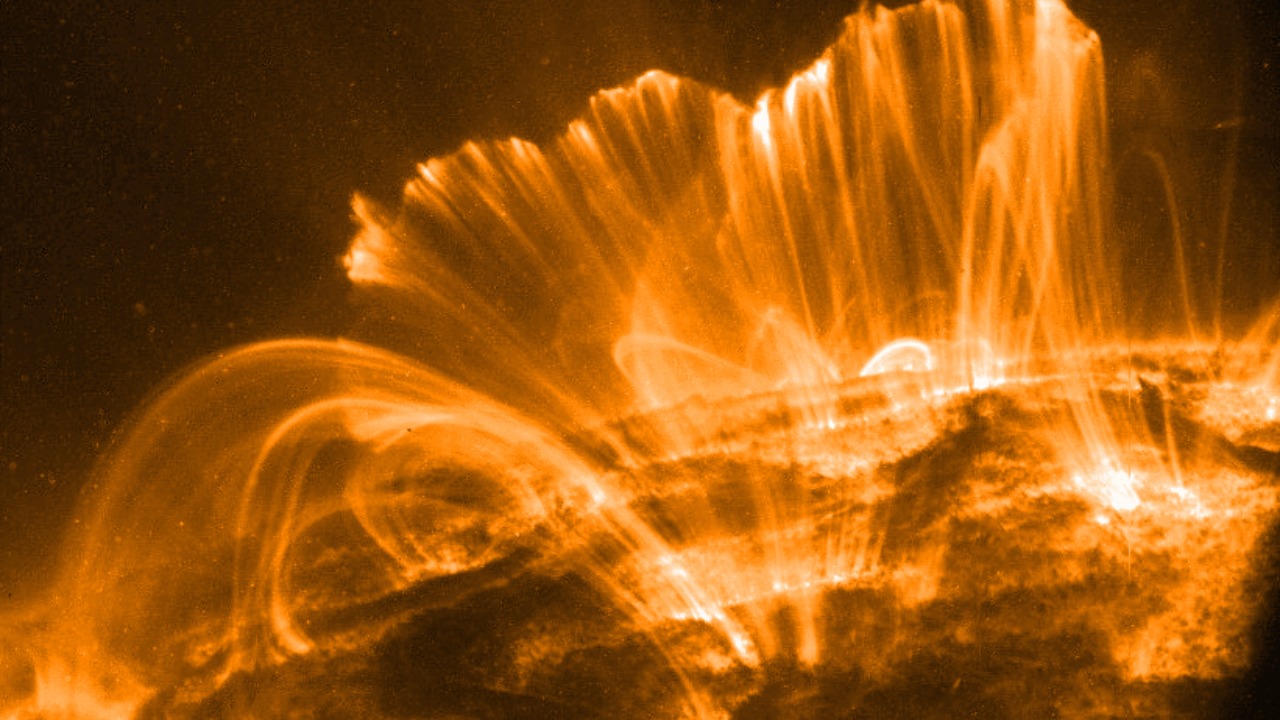
The new probe represents a significant advancement in the early detection of space tornadoes, enabling scientists to spot these phenomena 40% sooner than current technologies allow. This improvement is crucial for enhancing early warning systems and mitigating the potential impacts of solar activity on Earth. The probe’s technical features include enhanced sensors designed for real-time solar monitoring, offering a more comprehensive view of solar dynamics (Daily Galaxy).
Simulations and prototypes of the new probe demonstrate its ability to reduce detection times by 40%, marking a key advancement in space weather forecasting. This capability is essential for providing timely warnings and protecting critical infrastructure from the adverse effects of space weather events (Daily Galaxy).
In addition to its enhanced sensors, the new probe is equipped with cutting-edge imaging technology that allows for high-resolution observation of solar phenomena. This capability is crucial for identifying the early stages of space tornado formation, providing scientists with valuable data to analyze their development and potential impact. The probe’s ability to operate in extreme solar conditions ensures continuous monitoring, which is vital for maintaining the accuracy and reliability of space weather forecasts (Daily Galaxy).
Moreover, the probe’s integration with existing satellite networks enhances its data-sharing capabilities, allowing for real-time dissemination of information to global monitoring stations. This interconnected approach not only improves the speed of data analysis but also facilitates international collaboration in space weather research. By leveraging these advanced technologies, the probe significantly contributes to our understanding of solar dynamics and their effects on Earth (Daily Galaxy).
Threats from Invisible Solar Tornadoes
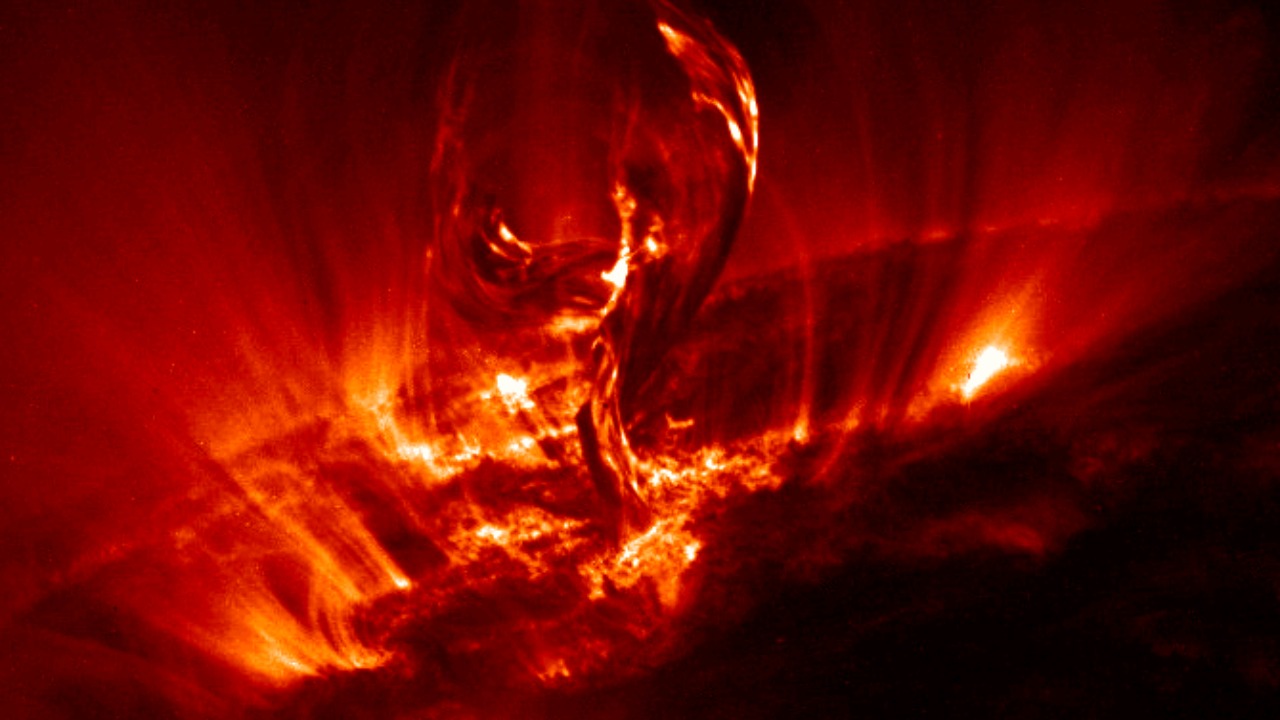
Invisible solar tornadoes can trigger geomagnetic storms that pose significant threats to Earth’s technology, including power grids and satellites. These storms can disrupt communication systems and aviation, as highlighted in a recent study. The study warns of the specific risks associated with these phenomena, emphasizing the need for improved detection and monitoring systems to mitigate their impact (SSB Crack).
Past events have demonstrated the potential for solar tornadoes to cause technological disruptions, underscoring the importance of proactive detection measures. By understanding the mechanisms behind these phenomena, scientists can better predict and prepare for their effects, reducing the likelihood of widespread technological failures (SSB Crack).
The potential for invisible solar tornadoes to disrupt technological systems is not limited to immediate physical damage. These phenomena can also induce long-term degradation of satellite components, leading to increased maintenance costs and reduced operational lifespans. The cascading effects of such disruptions can extend to global navigation systems, affecting everything from aviation to maritime operations. The study highlights the importance of understanding these broader implications to develop comprehensive mitigation strategies (SSB Crack).
Furthermore, the unpredictable nature of these solar events poses challenges for forecasting models, necessitating continuous advancements in detection technology. By improving our ability to predict these events, we can better prepare for their potential impacts, ensuring the resilience of critical infrastructure. This proactive approach is essential for minimizing the risks associated with solar tornadoes and maintaining the integrity of global technological networks (SSB Crack).
Implications for Global Technology Protection
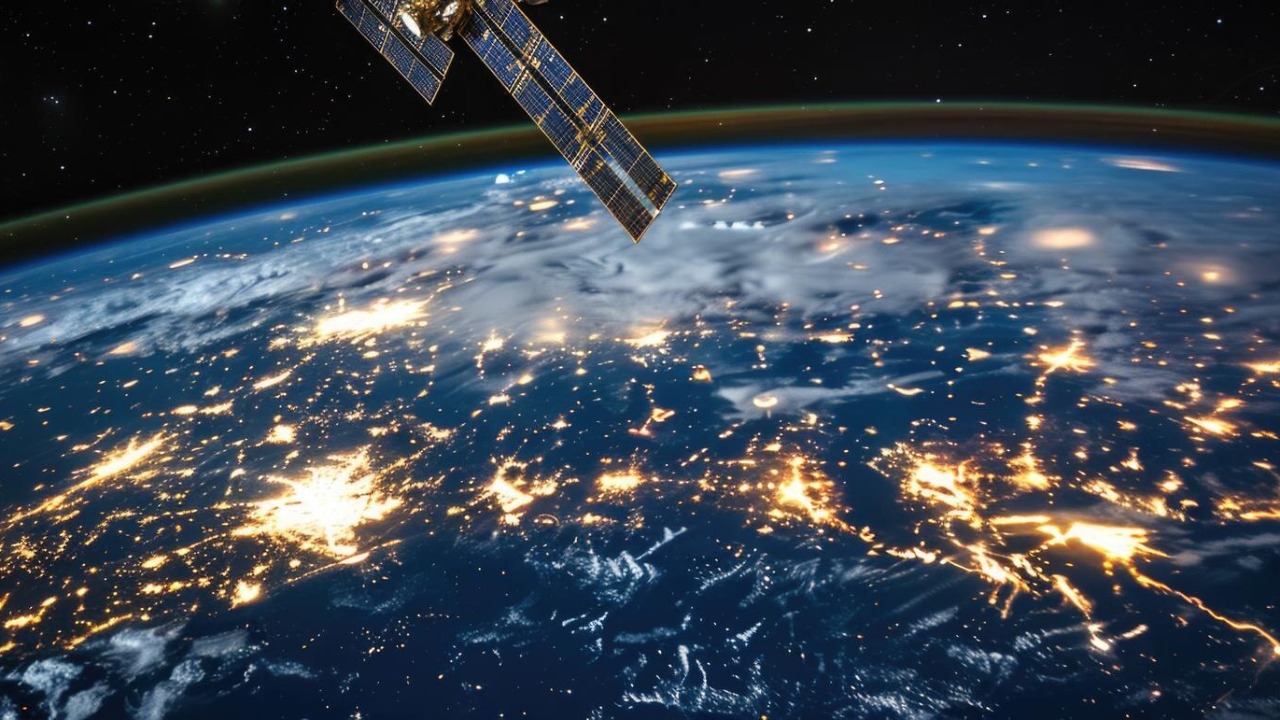
The earlier detection capabilities provided by the new probe could mitigate 40% more risks from space tornadoes, offering significant protection for Earth’s infrastructure. This advancement is crucial for safeguarding power grids, satellites, and other critical systems from the adverse effects of solar activity. The new study urges international collaboration on solar monitoring to enhance global preparedness and response strategies (SSB Crack).
Economically, the ability to provide advanced warnings could reduce downtime for satellites and energy systems, minimizing the financial impact of solar storms. By investing in improved detection technologies, nations can protect their technological assets and ensure the continued functionality of essential services (Daily Galaxy).
International cooperation is vital in addressing the challenges posed by space tornadoes. By sharing data and resources, countries can develop a unified response to solar threats, enhancing the effectiveness of global monitoring systems. This collaborative effort can lead to the establishment of standardized protocols for space weather forecasting, ensuring that all nations benefit from the latest technological advancements. The study advocates for increased investment in joint research initiatives to foster innovation and improve our collective ability to protect technological infrastructure (SSB Crack).
Additionally, the economic implications of improved detection capabilities extend beyond immediate cost savings. By preventing disruptions to critical services, nations can maintain economic stability and support continued growth in technology-dependent sectors. The ability to anticipate and mitigate the effects of solar activity is a strategic advantage, positioning countries to better manage the risks associated with space weather events. This foresight is crucial for ensuring the long-term sustainability of technological advancements and the protection of global infrastructure (Daily Galaxy).
