Earthquakes, often unpredictable and devastating, have long been a challenge for scientists to forecast accurately. However, a groundbreaking development in sensor technology now offers a glimmer of hope. This new invention can detect seismic activities 10 seconds before they occur, a significant advancement that could save numerous lives and mitigate extensive damage.
Understanding the New Earthquake Sensor
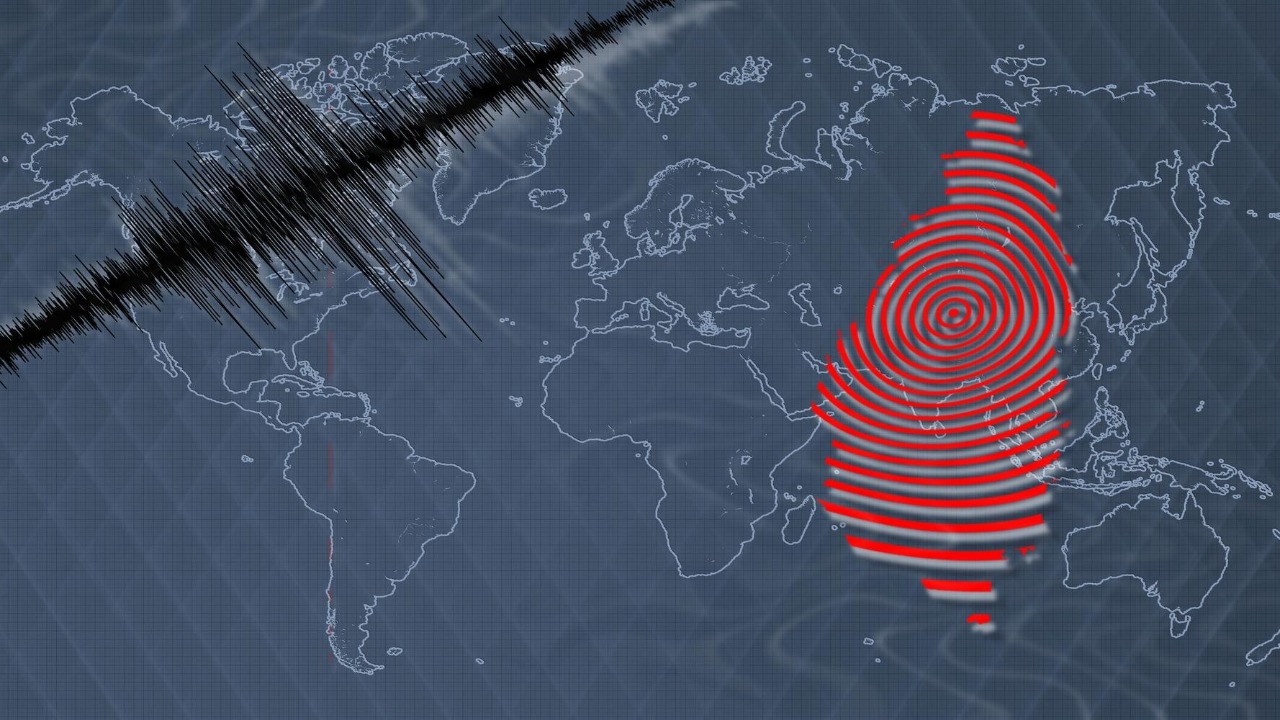
The new sensor works by detecting P-waves, the first waves that an earthquake generates, which travel faster than the destructive S-waves. The sensor is designed to identify these P-waves quickly, providing an early warning about the impending quake. This research underlines the sensor’s unique ability to detect seismic activity 10 seconds earlier than conventional mechanisms. The extra time can be instrumental in activating safety protocols and minimizing the impact of the quake.
However, the technology is not without its limitations. The sensor’s effectiveness can be influenced by several factors like the distance from the epicenter and the quake’s magnitude. Further improvements and research are necessary to refine the technology and maximize its benefits.
Role of Advanced Technology in Earthquake Detection

Historically, earthquake detection has relied on seismographs and other instruments to monitor earth’s vibrations. These methods, although effective, typically provide warnings only a few seconds before a quake. The advent of advanced technology like artificial intelligence and machine learning has revolutionized this field. These technologies analyze seismic data more efficiently, leading to improved detection and forecasting.
Compared to traditional methods, the new sensor technology offers a significant advantage. As mentioned earlier, it can provide warnings 10 seconds earlier, which can make a big difference in emergency situations. This report explains more about how the technology surpasses conventional mechanisms in predicting seismic activities.
The Global Impact of Early Earthquake Detection

The potential global implications of this sensor technology are immense. If implemented worldwide, it could alter the way we respond to seismic events, significantly reducing casualties and property damage.
Consider past seismic events like the 2010 earthquake in Haiti or the 2011 Tohoku earthquake in Japan. Had the early detection technology been available, it could have drastically altered the outcomes by providing extra time to evacuate and initiate safety measures. Moreover, in earthquake-prone regions and areas with inadequate infrastructure, this technology could be a game-changer, providing critical advance warnings to prevent loss of life and property.
Incorporation of Technology into Everyday Devices

Google’s Android Earthquake Alerts system is a testament to the potential of incorporating sensor technology into common devices. This system, launched in 2025, uses sensors in Android phones to detect seismic activity. The information is then used to send alerts to users who might be affected, offering potentially life-saving warnings. This Google blog post provides a detailed overview of how the system works.
However, integrating this technology into everyday life is not without challenges. It requires extensive collaboration between tech companies, government agencies, and scientific institutions. Moreover, privacy concerns and the potential for false alarms are issues that need to be addressed.
Future of Earthquake Detection and Preparedness
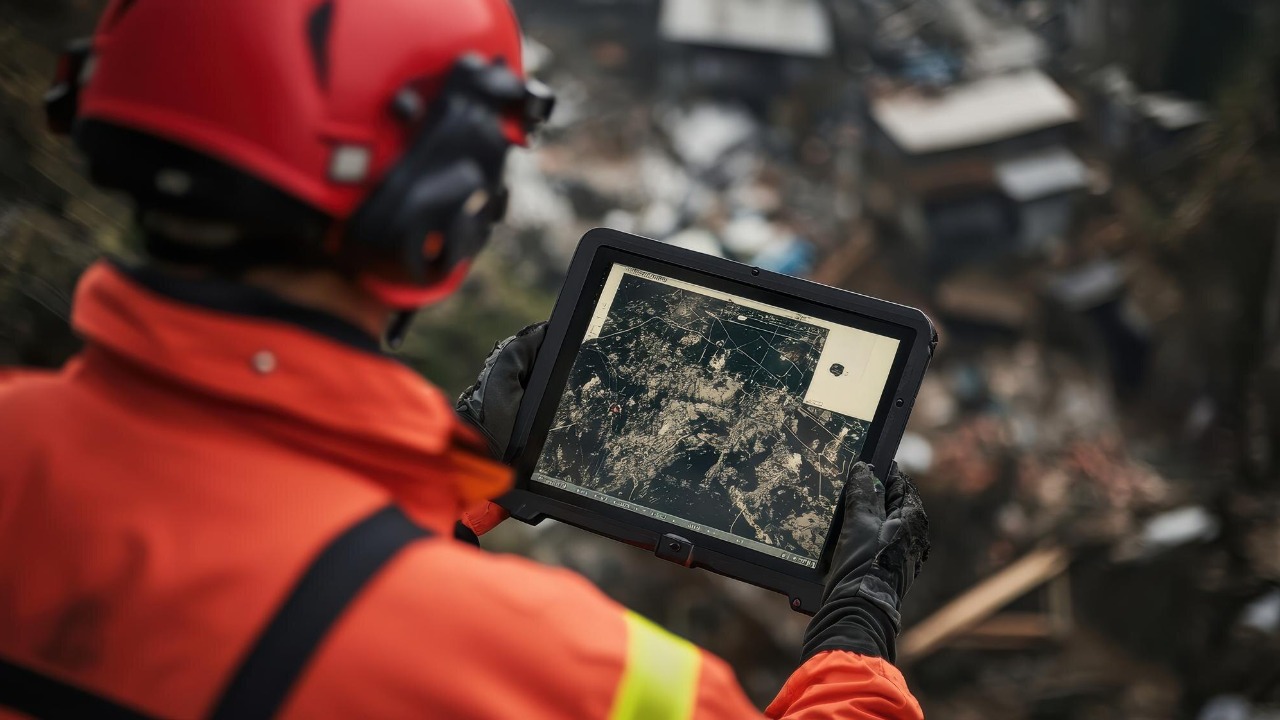
The future of earthquake detection and preparedness looks promising with the advent of this new sensor technology. It paves the way for further advancements in the field, including the development of more accurate and timely warning systems.
Scientific research and development play a critical role in improving earthquake preparedness. With continuous innovation and collaboration among scientists, tech developers, and policymakers, we can expect significant advancements in earthquake safety measures and protocols. This New York Times article discusses how the new technology could reshape earthquake safety in the future.
In conclusion, the new sensor technology offers a promising solution to the longstanding challenge of earthquake prediction. With further research and widespread implementation, it has the potential to transform how we prepare for and respond to earthquakes, making our world a safer place.
