Russian scientists have unveiled a groundbreaking plasma engine prototype, potentially revolutionizing space travel with the capability to reach Mars in as little as 30 days. This technological advancement could pose a significant challenge to SpaceX’s plans and ambitions for Martian exploration. The competition in space exploration is heating up, promising new possibilities and challenges for the future.
The Science Behind Plasma Engines
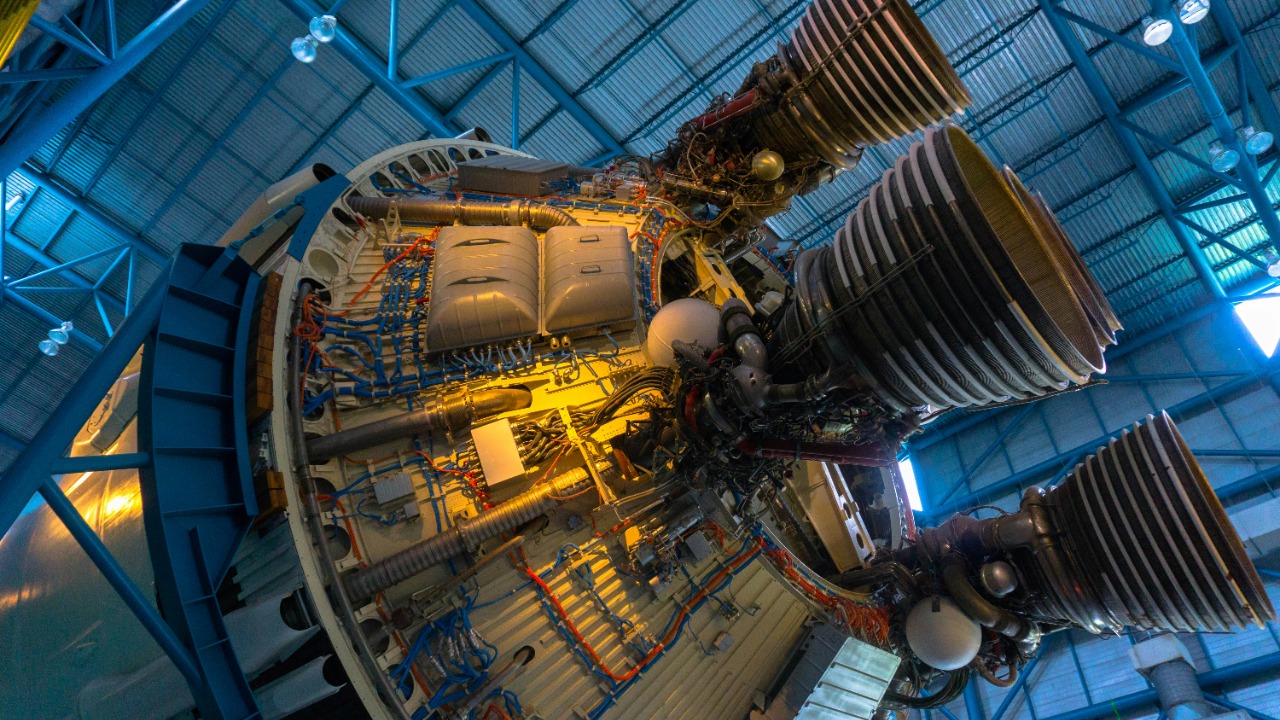
Plasma engines, also known as plasma thrusters, operate on the principles of ionized gas and magnetic fields. This technology creates thrust by using electric or magnetic fields to accelerate plasma—an ionized gas made up of positively charged ions and free electrons. Unlike traditional chemical rockets that rely on the combustion of fuel to produce thrust, plasma engines achieve propulsion through the expulsion of plasma at high speeds. The result is a more efficient engine that can potentially provide continuous thrust, offering greater speed and range.
When compared to traditional rocket propulsion, plasma engines offer significant advantages in terms of efficiency and speed. Chemical rockets are limited by the amount of propellant they can carry and the efficiency of their combustion processes, often requiring massive amounts of fuel to achieve significant thrust. In contrast, plasma engines can maintain thrust over longer durations with less propellant, allowing for faster travel times and reduced mission costs. This makes them particularly appealing for long-duration missions, such as journeys to Mars.
Recent advancements in plasma engine technology, particularly the Russian prototype, have garnered significant attention. Russian scientists have developed a prototype that promises to cut travel time to Mars to just 30 days, a feat that could revolutionize interplanetary travel. These developments are being closely watched by space agencies and private companies worldwide, as they represent a major leap forward in space propulsion technology.
Implications for Space Travel
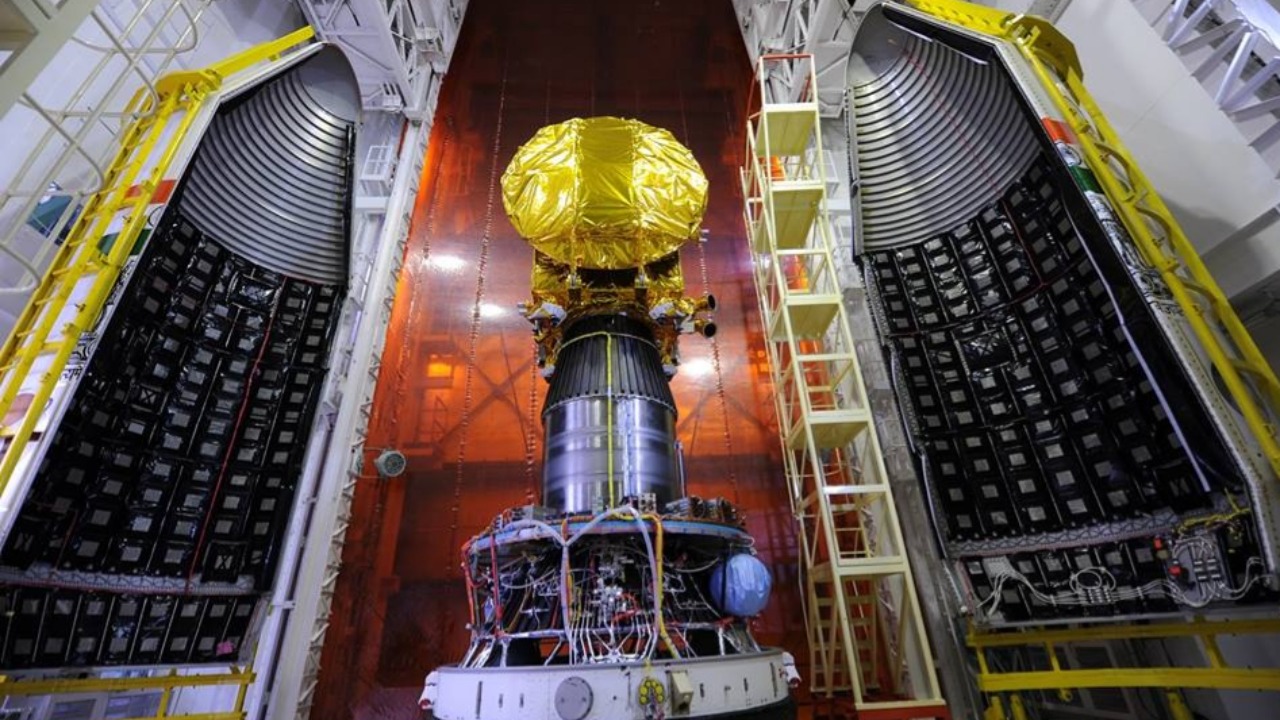
The introduction of a plasma engine capable of reaching Mars in 30 days could significantly alter the landscape of Mars exploration. Current missions to Mars, such as those planned by NASA and SpaceX, typically take six to nine months to reach the Red Planet. A shorter travel time would reduce the supplies needed for the journey, potentially lower the costs, and minimize the health risks associated with prolonged exposure to microgravity and cosmic radiation. This could open the door to more frequent and sustainable missions to Mars, facilitating research and even the establishment of a human settlement.
On a broader scale, this technological breakthrough could shift the balance of power in the international space race. With the unveiling of the Russian plasma engine, Russia may be poised to take a leading role in space exploration, challenging the dominance of the United States and its private sector champion, SpaceX. The competition could spur further innovation and investment in space technologies, as nations strive to outpace each other in the quest to explore and eventually colonize Mars.
Beyond Mars, the potential applications of plasma engine technology are vast. Future missions could include the establishment of Moon bases, which would serve as stepping stones for deeper space exploration. Asteroid mining, a concept that has been gaining traction, could become more feasible with the ability to reach distant celestial bodies more efficiently. The advancements in plasma propulsion technology herald a new era of space exploration, offering the possibility of reaching further into our solar system and beyond.
Challenges and Obstacles
Despite the promising prospects of plasma engine technology, several challenges remain. One of the primary technical hurdles is the transition from prototype to operational status. This involves extensive testing to ensure that the engine can withstand the harsh conditions of space travel and deliver consistent performance over long durations. Engineering challenges also include the development of power sources capable of sustaining the high energy demands of plasma engines.
Funding and political considerations are also crucial factors in the development of plasma propulsion technology. Sustained financial support is necessary to move from experimental phases to practical applications. This requires not only investment in research and development but also the backing of governmental agencies and international partnerships. Political support can be volatile, influenced by changing priorities and international relations, which could affect the pace and direction of future developments.
Safety and reliability are paramount when considering the use of plasma engines in crewed missions. The risks associated with high-energy propulsion systems must be thoroughly understood and mitigated. This includes ensuring the structural integrity of the spacecraft and developing robust safety measures to protect astronauts from potential hazards. As plasma engines move closer to operational use, rigorous testing and validation will be essential to ensure their safe integration into human spaceflight.
SpaceX’s Response and Strategy
SpaceX has long been at the forefront of Mars exploration efforts, with its Starship program serving as the cornerstone of its Mars strategy. The company aims to develop a fully reusable spacecraft capable of carrying humans to Mars and beyond. Starship’s current design relies on traditional chemical propulsion, but the advent of plasma engines could prompt SpaceX to re-evaluate its approach. The company might explore integrating plasma propulsion technology into future iterations of Starship, or it may focus on enhancing its existing technologies to remain competitive.
In response to the Russian advancements, SpaceX could also consider new collaborations or partnerships. While the competition is fierce, the potential benefits of cooperation—such as shared resources, expertise, and risk—could lead to joint ventures or collaborative projects. Alternatively, SpaceX might intensify its efforts to innovate and maintain its competitive edge, pushing the boundaries of its technology to ensure its continued leadership in the space sector.
The development of plasma engines represents both a challenge and an opportunity for SpaceX. The company’s ability to adapt and respond to emerging technologies will be crucial in determining its future success in Mars exploration. Whether through collaboration or competition, SpaceX’s strategic decisions in the coming years will have a significant impact on the trajectory of human space exploration.
The Future of Mars Exploration

The next decade promises to be a transformative period for Mars exploration, driven by technological breakthroughs such as plasma propulsion. The potential for 30-day journeys to Mars could accelerate plans for human settlement and scientific research, making the Red Planet more accessible than ever before. As nations and private companies like SpaceX vie for a foothold on Mars, the landscape of space exploration is set to evolve rapidly.
International cooperation will likely play a crucial role in shaping the future of Mars exploration. The challenges of interplanetary travel require pooling resources, knowledge, and expertise to achieve common goals. While competition can drive innovation, collaborative efforts could lead to more efficient and sustainable missions, benefiting all parties involved. The emergence of plasma engine technology may serve as a catalyst for new partnerships, as countries and companies recognize the value of working together to explore the cosmos.
Public interest and funding will be essential in driving progress in space exploration. As new technologies capture the imagination of people worldwide, enthusiasm for space missions is likely to grow, potentially leading to increased investment in space programs. The prospect of faster, more efficient travel to Mars and beyond could inspire a new generation of scientists, engineers, and explorers, fueling the dreams of future space pioneers.
