Emerging scientific research is suggesting that the reversal of aging could soon be within our grasp. This intriguing possibility hinges on significant advancements in stem cell therapy and other scientific breakthroughs that have the potential to completely redefine our understanding of aging.
The Current Understanding of Aging

For centuries, aging has been viewed as an inevitable part of life, an unstoppable biological process that affects every single organism on Earth. Yet, our understanding of this process has evolved considerably over the years. Aging is no longer seen as a uniform, linear process but rather as a complex interplay of genetic and environmental factors.
At the cellular level, aging is characterized by a gradual decline in the function and regenerative capacity of cells. This is largely due to the accumulation of damage over time, leading to cellular senescence – a state in which cells lose their ability to divide and function properly. Factors such as genetics and environment also play a pivotal role in how fast we age. Genetic mutations, exposure to harmful substances, and lifestyle choices can all accelerate the aging process.
Groundbreaking Research in Stem Cell Therapy
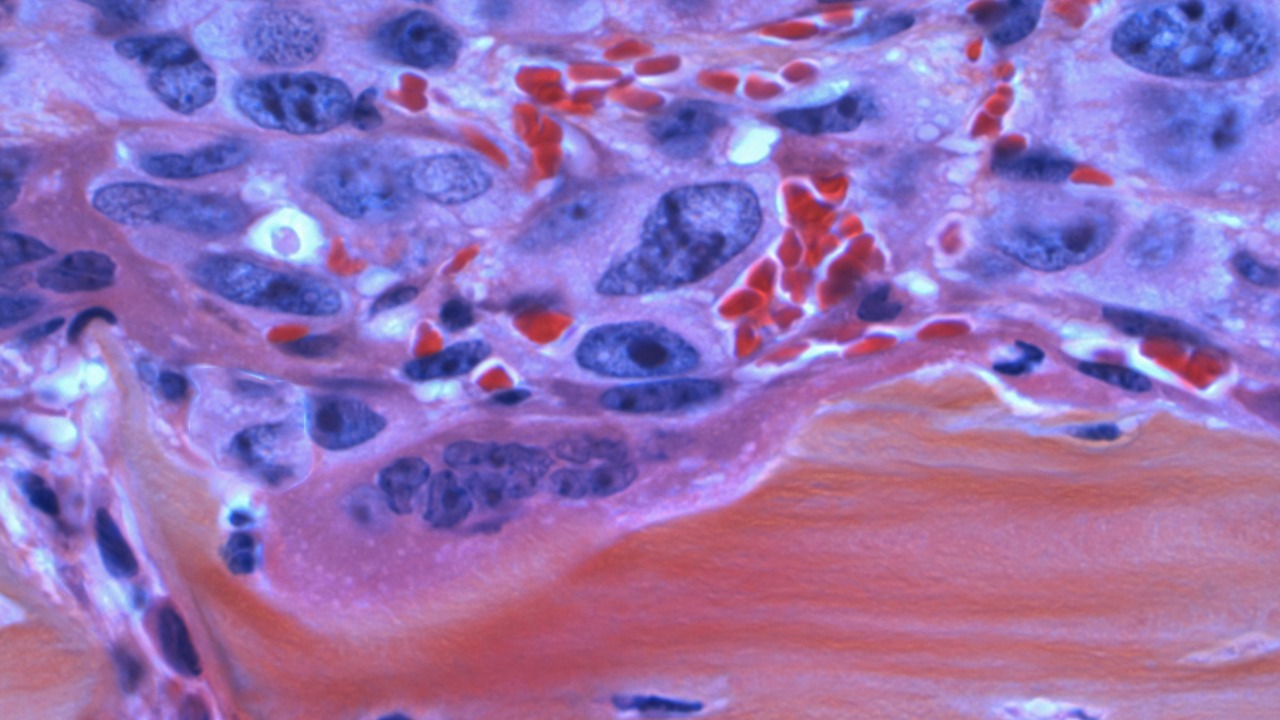
One of the most promising avenues for aging reversal is stem cell therapy. Stem cells are unique in that they have the ability to develop into any type of cell in the body. This means they could potentially be used to replace or repair damaged cells, effectively rejuvenating the body and reversing the effects of aging.
One researcher at the forefront of this field is Dr. Kevin Ramdhun. His research has shown promising results in utilizing stem cells to restore the function of aged cells. By injecting stem cells into aged tissues, Ramdhun and his team were able to rejuvenate these tissues, effectively reversing the aging process at the cellular level.
Other Scientific Developments in Aging Reversal
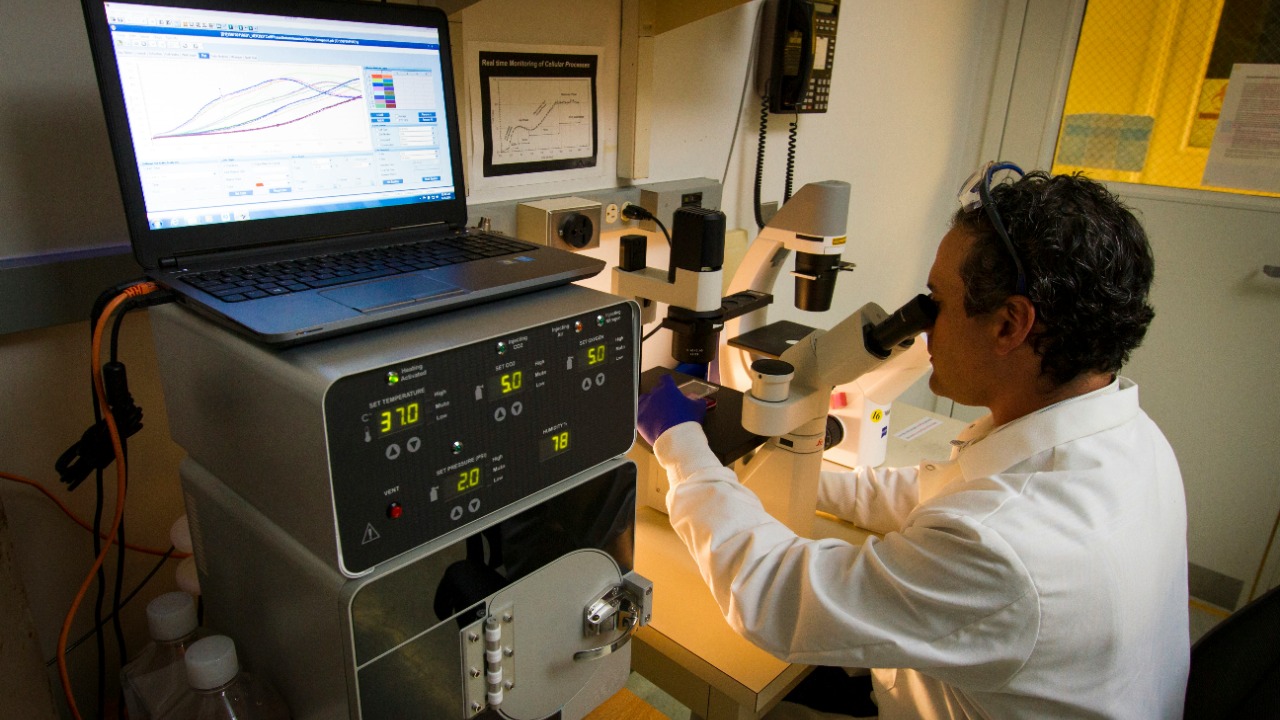
While stem cell therapy is certainly promising, it is not the only line of research exploring the reversal of aging. A growing chorus of researchers are delving into gene therapy, regenerative medicine, and even nanotechnology as potential tools for age reversal.
Gene therapy, for example, involves altering the genes within our cells to treat or prevent disease. As we age, certain genes become less active or stop functioning entirely, which can lead to a variety of age-related diseases. By restoring these genes to their youthful state, we could potentially reverse the aging process. Similarly, regenerative medicine aims to replace or regenerate human cells, tissues, or organs to restore or establish normal function. This field holds immense potential for treating a variety of age-related conditions and potentially reversing aging itself.
Nanotechnology, while still in its infancy, is another promising field. Nanobots could one day be used to repair damaged cells at a microscopic level, effectively reversing the aging process from the inside out.
The Potential Implications of Aging Reversal
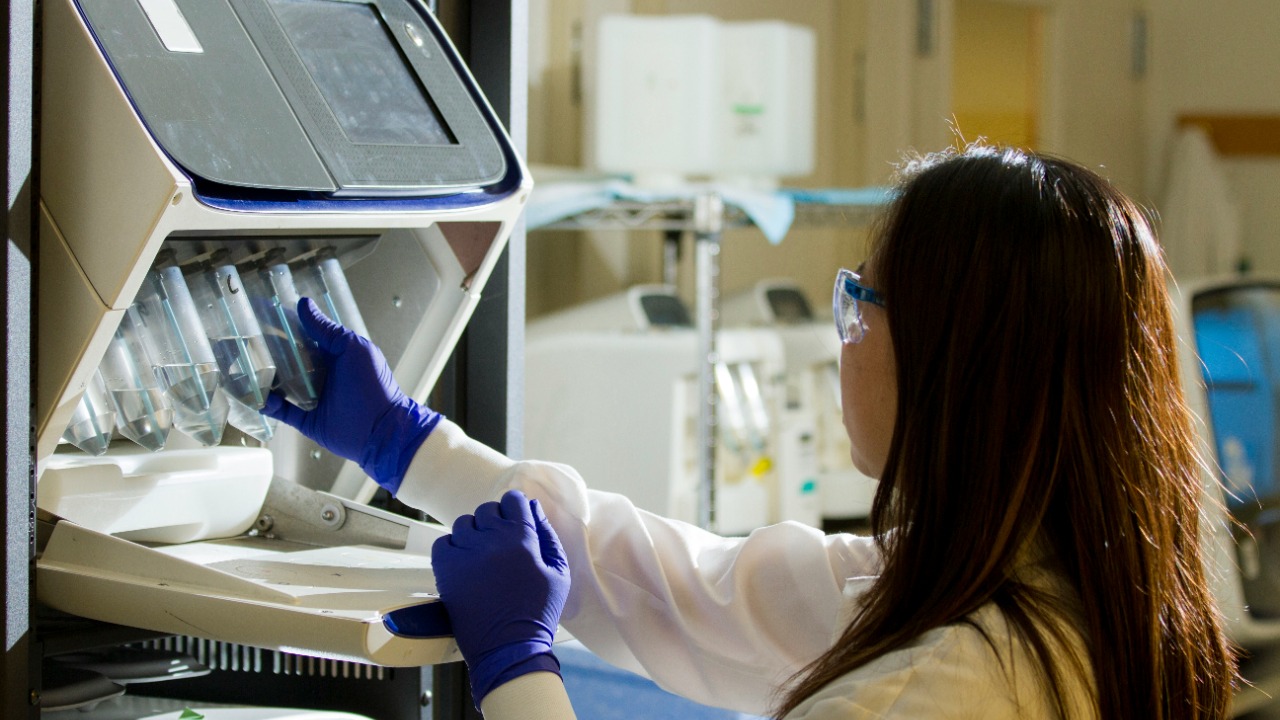
The potential implications of aging reversal are far-reaching and profound. For individuals, it could mean a vastly extended lifespan and a significantly higher quality of life. For society as a whole, it could lead to unprecedented changes in our social and economic structures.
However, the prospect of aging reversal also raises a host of ethical and moral issues. Would it be available to everyone, or only to those who can afford it? Would it lead to overpopulation and resource scarcity? These are questions that society will need to grapple with as the science of aging reversal progresses.
There are also potential economic repercussions to consider. An extended human lifespan could drastically alter labor markets, retirement plans, and healthcare systems. It could even lead to new industries and economic opportunities as society adapts to a new reality of extended life.
The Future of Aging Reversal
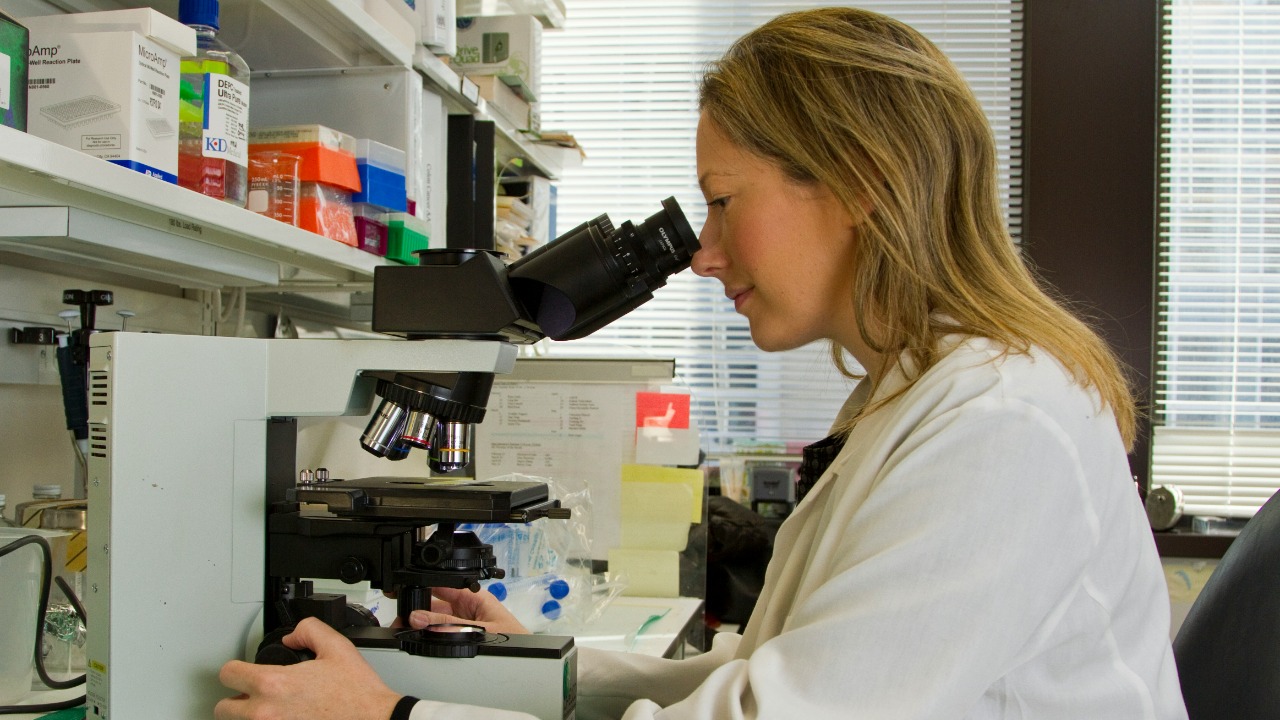
The future of aging reversal is exciting, but also fraught with challenges. While the science is promising, there are still many unanswered questions and potential obstacles to overcome. One of the biggest hurdles is safety. For therapies like stem cell therapy and gene therapy to become mainstream, they must be proven to be safe and effective in a wide range of individuals.
Moreover, society as a whole must be prepared for the possibility of aging reversal. This will require changes at every level, from our healthcare systems to our social structures. But with the right preparation and continued scientific progress, the dream of reversing aging may soon become a reality. As John Audu puts it, “Aging may not be the one-way street we once thought it was.”
