With the escalating threat of climate change, several governments worldwide are mulling over introducing new laws that could speed up the ban on gasoline-powered vehicles. The aim of these proposed regulations is to curb the carbon emissions and expedite the shift towards electric and alternate fuel vehicles.
Overview of Current Gasoline Vehicle Regulations

At present, the regulations governing gasoline vehicles vary widely. Some regions have set deadlines for phasing out the sale of new internal combustion engine cars, while others have yet to introduce any such rules. The European Union, for instance, doesn’t have a blanket ban but several of its member states including Norway and the Netherlands have set their own deadlines.
These regulations have a significant impact on both the auto industry and consumers. For auto manufacturers, they mean a shift in production towards electric and alternative fuel vehicles. Consumers, on the other hand, must adapt to new technologies, which can entail changes in behavior such as planning for charging times. On the plus side, the transition to cleaner vehicles can lead to improved air quality and reduced greenhouse gas emissions.
States Leading the Charge
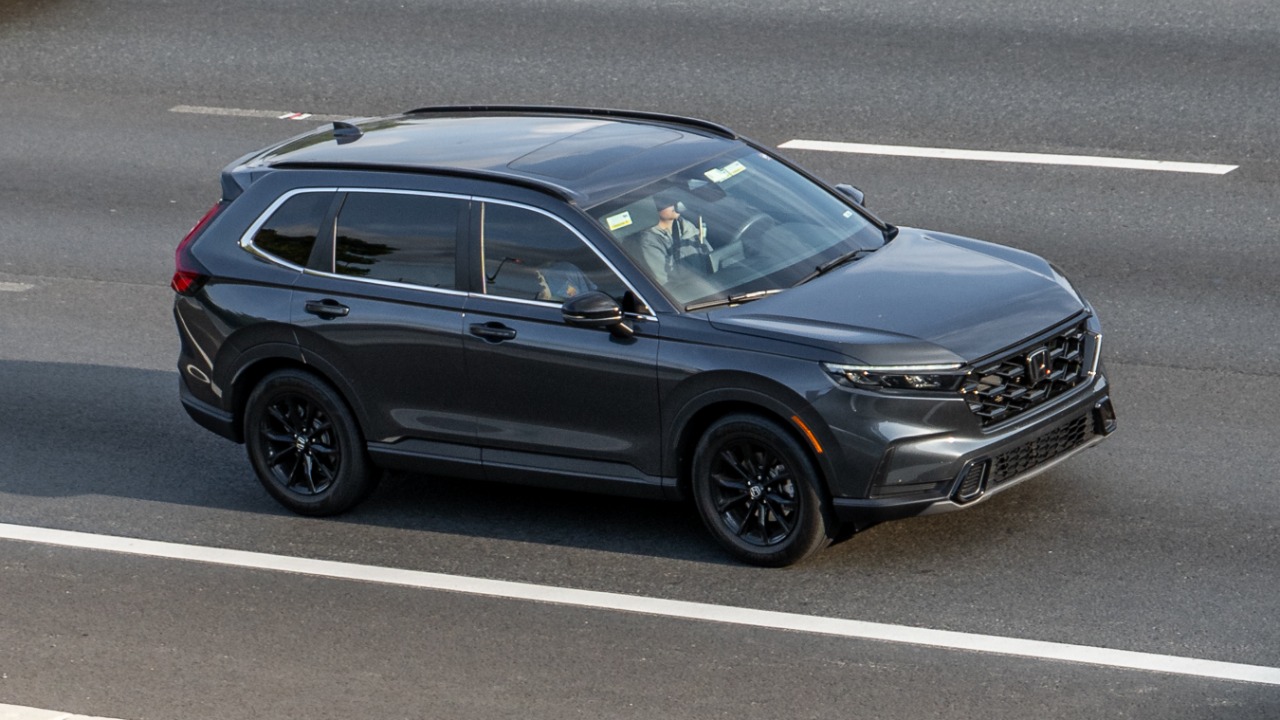
Among the regions pushing for a quicker transition away from gas cars, California stands out. The state has proposed an ambitious plan to ban the sale of new gas-powered cars by 2035. If this plan comes to fruition, it could serve as a model for other states and potentially influence national policy.
Other states are also planning similar regulations. According to a thread on Reddit, eight states including New York, Massachusetts, and Washington have announced plans to ban the sale of new gasoline vehicles in the future.
The Pushback Against Proposed Regulations

While these new regulations are ambitious, they have also been met with resistance. The Senate, in particular, has pushed back against California’s proposed rule. This has sparked a debate about states’ rights to set their own environmental policy.
Automakers, consumers, and other stakeholders have also raised concerns. Automakers worry about the speed of the transition and its impact on their businesses. Consumers, meanwhile, are concerned about the cost and practicality of electric vehicles, while others worry about job losses in industries tied to gasoline cars.
The Impact of a Faster Phase-Out of Gasoline Cars

A faster phase-out of gasoline cars could have significant benefits for the environment and public health. A study published in The Lancet suggests that air pollution from vehicles can lead to respiratory diseases, among other health issues. Thus, a transition to cleaner vehicles could help mitigate these problems.
However, this rapid transition could also have economic implications. While it may lead to job losses in some sectors, it could also create new opportunities in others, such as electric vehicle manufacturing and infrastructure development. The net impact on the economy and job market remains to be seen.
The Rise of Electric and Alternative Fuel Vehicles

As governments push for a transition away from gasoline cars, electric and alternative fuel vehicles are gaining traction. These vehicles are becoming increasingly popular due to their environmental benefits and advancements in technology. Electric vehicles, for instance, have seen significant improvements in battery life and charging times, making them more viable for everyday use.
However, supporting a larger fleet of non-gasoline vehicles will require infrastructural and technological advancements. This includes expanding charging infrastructure and improving the grid’s capacity to handle increased electricity demand. Investment in these areas is crucial to ensure a smooth transition.
The Global Context: International Efforts to Ban Gas Cars

Efforts to phase out gasoline vehicles are not limited to the United States. Many other countries are also working towards this goal. In Europe, for example, several countries including Norway, France, and the United Kingdom have announced plans to ban the sale of new gasoline and diesel cars in the coming decades.
The strategies and timelines of these countries vary, reflecting their unique circumstances and priorities. However, what they share is a commitment to combating climate change by reducing greenhouse gas emissions from transportation. While the path to a gasoline-free future is fraught with challenges, these international efforts highlight the growing momentum behind this transition.
