A new celestial object, a quasi-moon, has been discovered in Earth’s orbit. This cosmic companion has been circling our planet unnoticed for decades, possibly up to 60 years, and is now redefining our understanding of Earth’s immediate cosmic surroundings.
Discovery of the Quasi-Moon
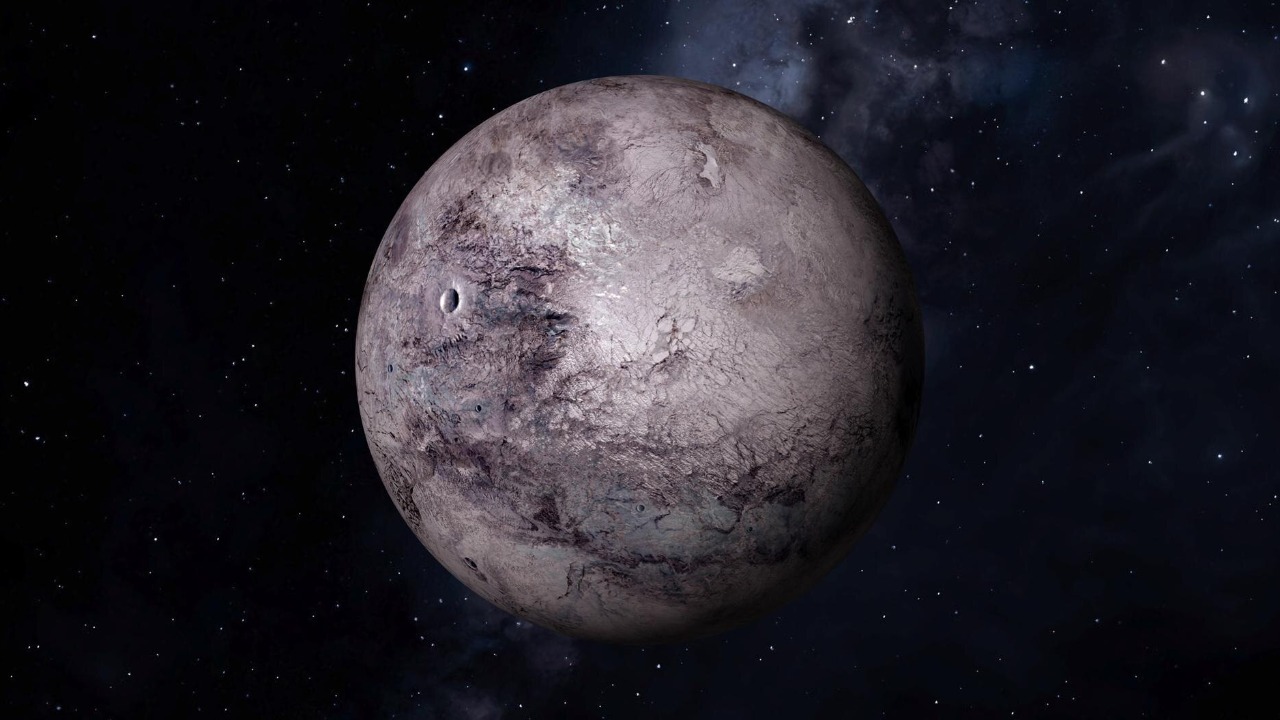
The discovery of this quasi-moon is a testament to the advancements in astronomical observation and technology. The object remained unnoticed for such a long period due to its small size and the complexity of its orbit. The quasi-moon’s elusive nature made it difficult to detect against the backdrop of vast space and numerous other celestial bodies. This discovery not only adds a new member to our planet’s cosmic family but also challenges our understanding of Earth’s immediate cosmic surroundings. source
Despite its long presence, the quasi-moon’s discovery was not a simple task. Its detection required careful observation and analysis of its unique orbital pattern. The discovery of this new celestial body is a significant achievement in the field of astronomy, shedding light on the complex dynamics of our planet’s cosmic environment.
Characteristics of the Quasi-Moon
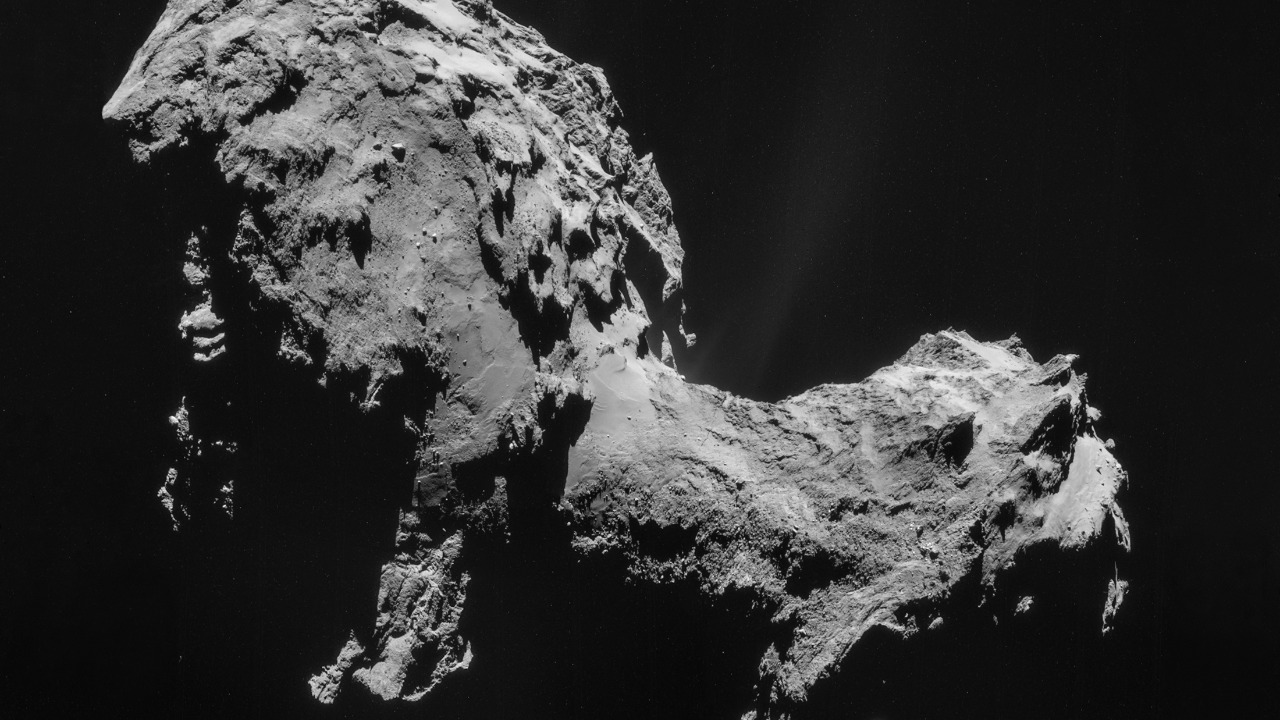
The quasi-moon is a fascinating celestial body with unique characteristics. Its size, composition, and other physical characteristics are currently under study. The quasi-moon’s orbit is particularly intriguing as it interacts with Earth’s gravitational field in a complex manner. This interaction is what allows the quasi-moon to maintain a stable orbit around our planet. source
When compared to Earth’s moon and other similar celestial bodies, the quasi-moon presents a distinct set of characteristics. Its smaller size and unique orbital pattern set it apart from conventional moons. The quasi-moon’s unique attributes provide a new perspective on the diverse range of celestial bodies that share our cosmic neighborhood.
One of the most intriguing aspects of the quasi-moon is its orbital pattern. Unlike the regular moon, which follows a relatively predictable elliptical orbit, the quasi-moon’s orbit is more chaotic and unpredictable. This is due to the gravitational influences of both the Earth and the moon, which cause the quasi-moon to follow a complex, looping path around our planet. This unique orbital pattern is one of the main reasons why the quasi-moon remained undetected for so long. source
Additionally, the quasi-moon’s physical composition is also a subject of interest. Preliminary observations suggest that it is likely made up of a mixture of rock and ice, similar to many other small celestial bodies in our solar system. However, further study is needed to confirm this and to determine the exact composition of the quasi-moon. This will provide valuable insights into the formation and evolution of similar celestial bodies in our solar system.
Implications of the Discovery
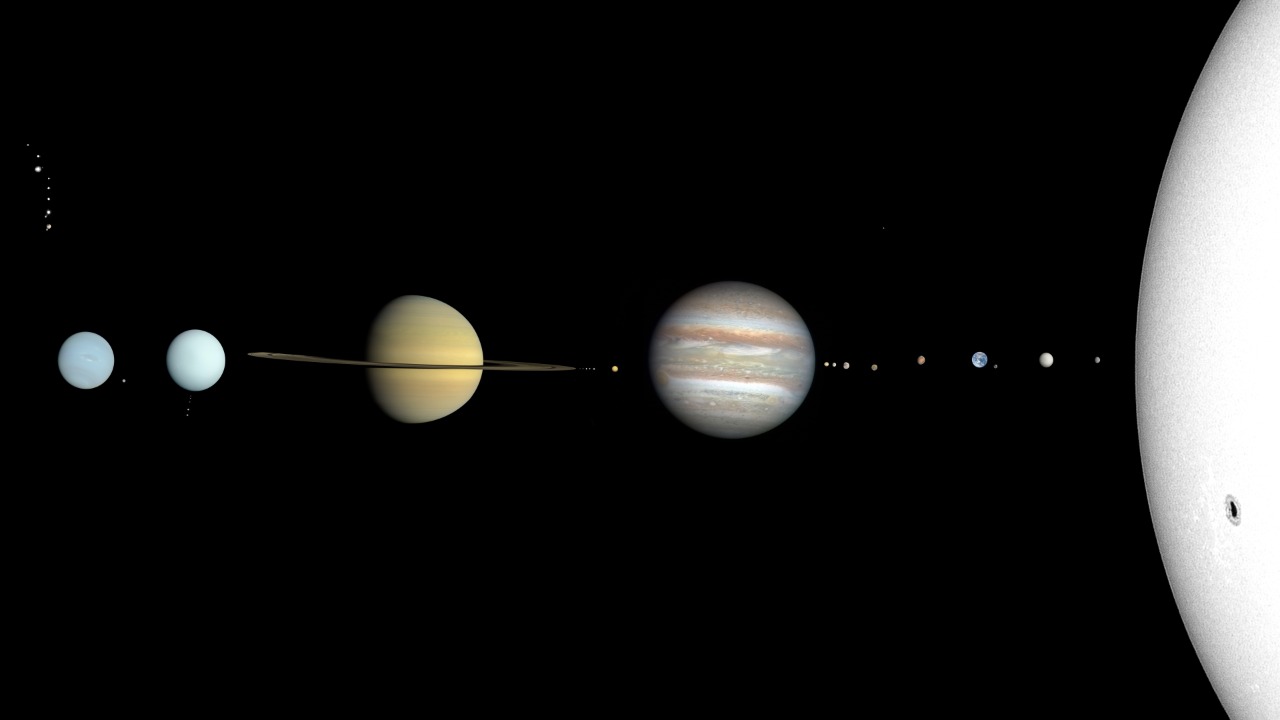
The discovery of the quasi-moon has far-reaching implications for our understanding of the solar system and celestial bodies. It challenges existing theories about the formation and dynamics of celestial bodies in Earth’s orbit. This discovery could also have potential implications for space exploration and future missions, offering a new destination for study and exploration. source
Furthermore, the presence of the quasi-moon could potentially affect Earth’s gravitational pull and tides, although further study is needed to fully understand these effects. The discovery of the quasi-moon opens up new avenues for research into the complex dynamics of our planet’s cosmic environment.
The discovery of the quasi-moon also raises interesting questions about the formation of our solar system. The presence of such a body in Earth’s orbit suggests that there may be many more such objects in our solar system that have yet to be discovered. This could potentially revolutionize our understanding of the formation and evolution of our solar system, and could lead to the discovery of other previously unknown celestial bodies. source
From a practical perspective, the quasi-moon could also serve as a valuable resource for future space missions. Its proximity to Earth makes it an ideal target for exploration and study. Furthermore, the quasi-moon could potentially serve as a stepping stone for future missions to other parts of the solar system. This could open up new possibilities for human exploration and colonization of space in the future.
Public and Scientific Reactions

The discovery of the new quasi-moon has sparked a wave of interest and excitement among the public and scientific community alike. Astronomers and other scientists in the field have expressed their fascination with this new celestial body and its unique characteristics. The discovery has been hailed as a significant achievement in the field of astronomy, contributing to our understanding of the cosmos. source
This discovery fits into the broader context of space exploration and scientific discovery, highlighting the vast potential for new discoveries in our cosmic backyard. The quasi-moon’s discovery underscores the importance of continued exploration and study of our cosmic environment, as there is still much to learn about the universe we inhabit. source
Among the scientific community, the discovery of the quasi-moon has been met with a mix of surprise and excitement. Many scientists have expressed their eagerness to study this new celestial body in more detail, and to learn more about its unique characteristics and behavior. The discovery of the quasi-moon has also sparked a renewed interest in the study of celestial mechanics, the branch of astronomy that deals with the motions of celestial bodies. source
For the public, the discovery of the quasi-moon has been a source of fascination and wonder. Many people have been captivated by the idea of a second moon orbiting our planet, and the discovery has sparked a renewed interest in astronomy and space exploration. The quasi-moon has also become a popular topic of discussion on social media, with many people sharing their thoughts and speculations about this new celestial companion. source
