Imagine a world where flat tires are a thing of the past. Through the development of a novel polymer, this dream is now a reality. Puncture-proof tires are on the horizon, promising to revolutionize the automotive industry.
Understanding the New Polymer Technology

The science behind this new polymer is intrinsically fascinating. This polymer, unlike traditional tire materials, has a unique molecular structure that allows it to resist penetration from sharp objects. When a sharp object tries to pierce the tire, the polymer molecules rearrange, absorbing the energy and preventing a puncture. This is a significant advancement over traditional tire materials, which are susceptible to punctures due to their rigid structure.
Comparing this new polymer to traditional tire materials, the difference is clear. Traditional materials, such as rubber and synthetic compounds, are unable to flex and adjust in the same way. As a result, they are more likely to rupture upon impact with a sharp object. With this new polymer technology, tires become virtually puncture-proof, offering a significant improvement in performance and durability. More information about the polymer can be found here.
Benefits of Puncture-Proof Tires
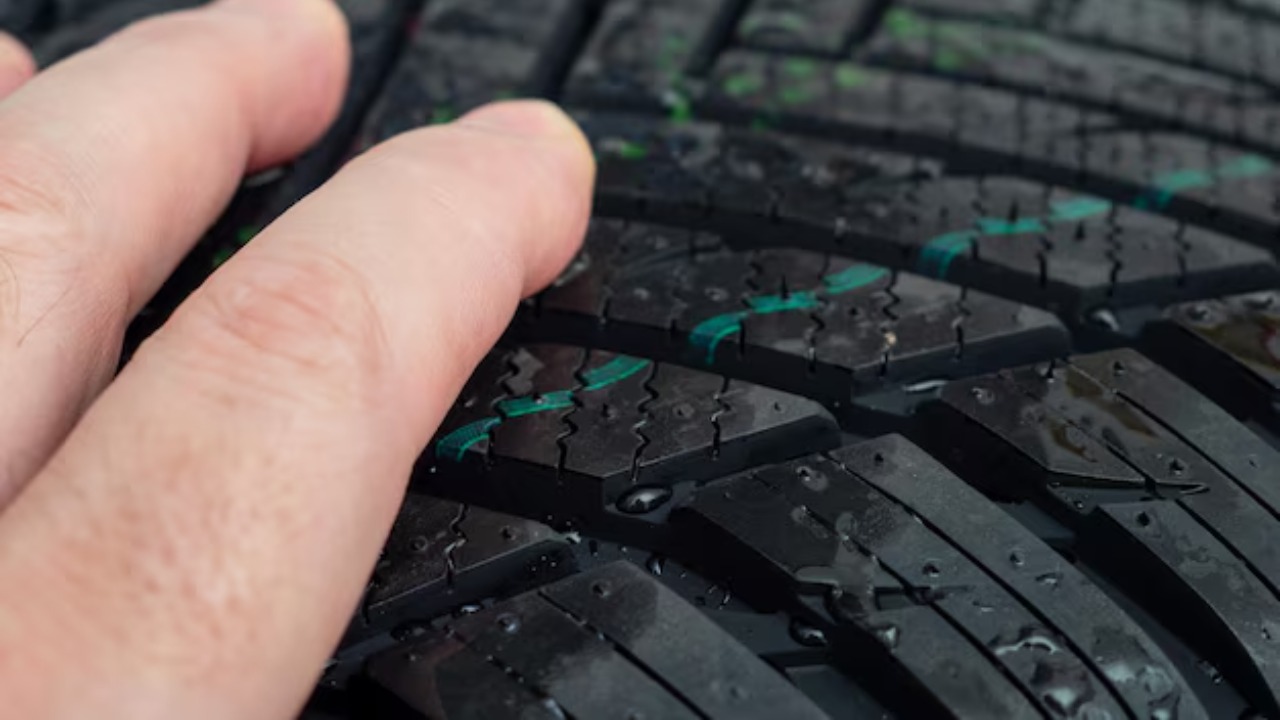
The primary benefit of puncture-proof tires is improved safety. With these tires, the risk of sudden tire deflation and subsequent accidents is significantly reduced. This is particularly beneficial for high-speed driving situations where a sudden flat tire can have disastrous consequences.
Another advantage is lower maintenance costs. With puncture-proof tires, drivers no longer need to worry about frequent tire changes or repairs due to punctures. This not only saves money but also time. Plus, the lifespan of these tires is expected to be much longer than traditional ones, thanks to their superior durability. Additionally, these tires could have potential environmental advantages. Since they last longer, fewer tires will need to be produced, thus reducing waste. You can read more about the benefits of these tires here.
Implications for the Automotive Industry
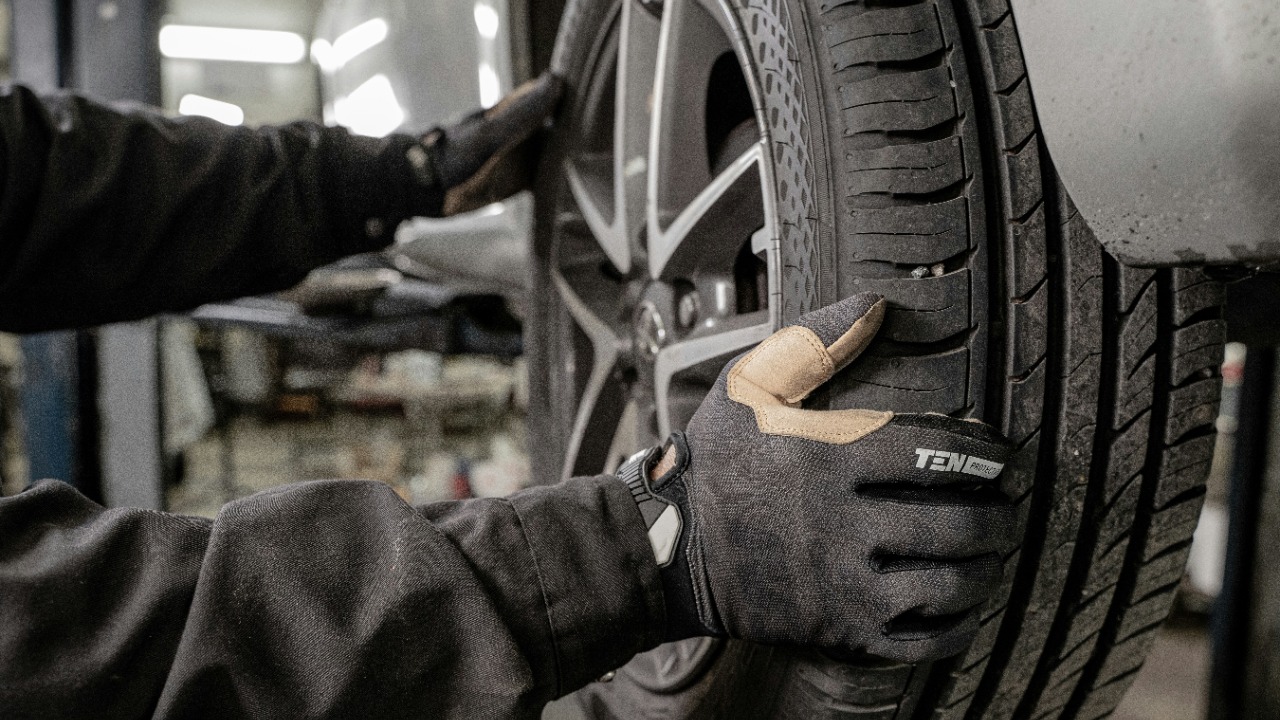
Puncture-proof tires could significantly reshape the automotive industry. As these tires become more popular, car manufacturers may need to adjust their production processes to accommodate this new technology. This could pose some challenges, especially in the early stages of implementation. However, the long-term benefits are likely to outweigh these initial hurdles.
On the other hand, this new technology could have a significant impact on tire repair and replacement businesses. With puncture-proof tires, the need for such services could drastically reduce. Businesses in this sector may need to diversify their offerings or specialize in maintaining and replacing these new types of tires.
Real-World Applications and Trials
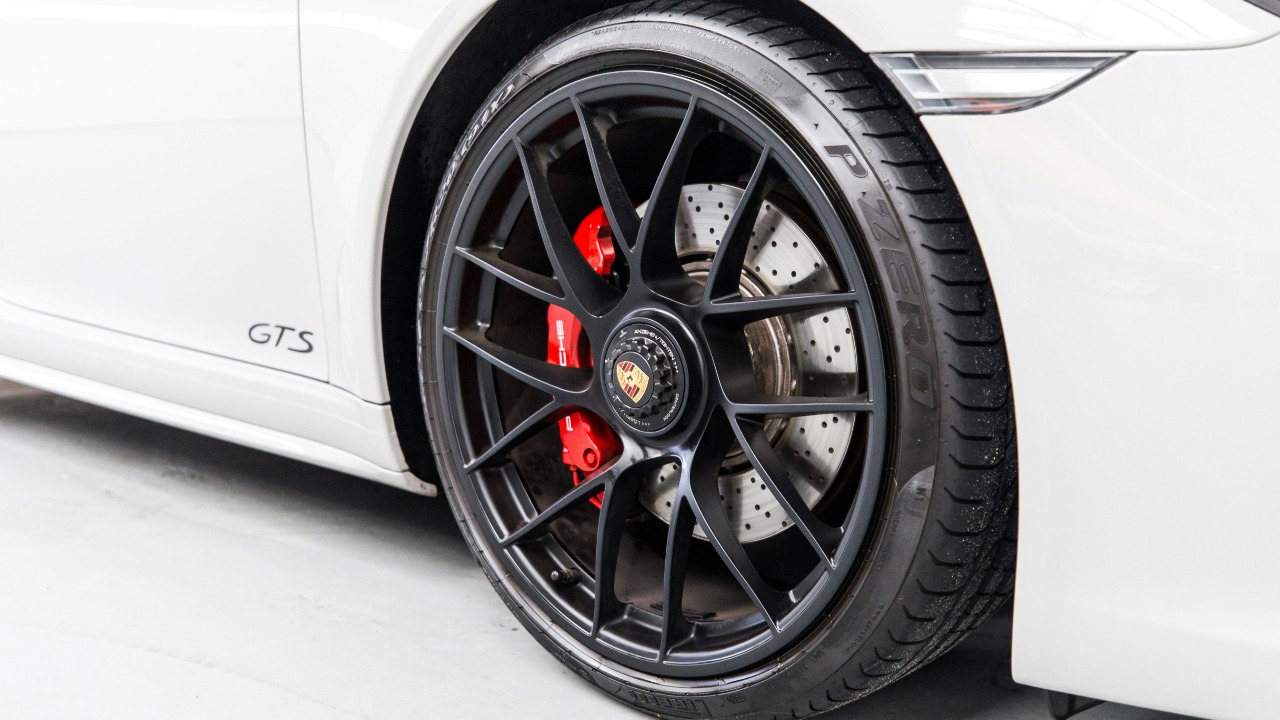
Several companies are already using or testing this technology. For instance, the Smart Tire Company is pioneering the use of these puncture-proof tires in space exploration vehicles. Their METL tire, made from this novel polymer, is designed to withstand the harsh conditions on Mars.
Consumer response to these tires has been generally positive. Many appreciate the increased safety and reduced maintenance costs. However, as with any new technology, there will be a period of adjustment and learning. Companies are taking this feedback into account as they plan for larger-scale implementation. For more information about the Smart Tire Company and their products, click here.
Future Trends in Tire Technology
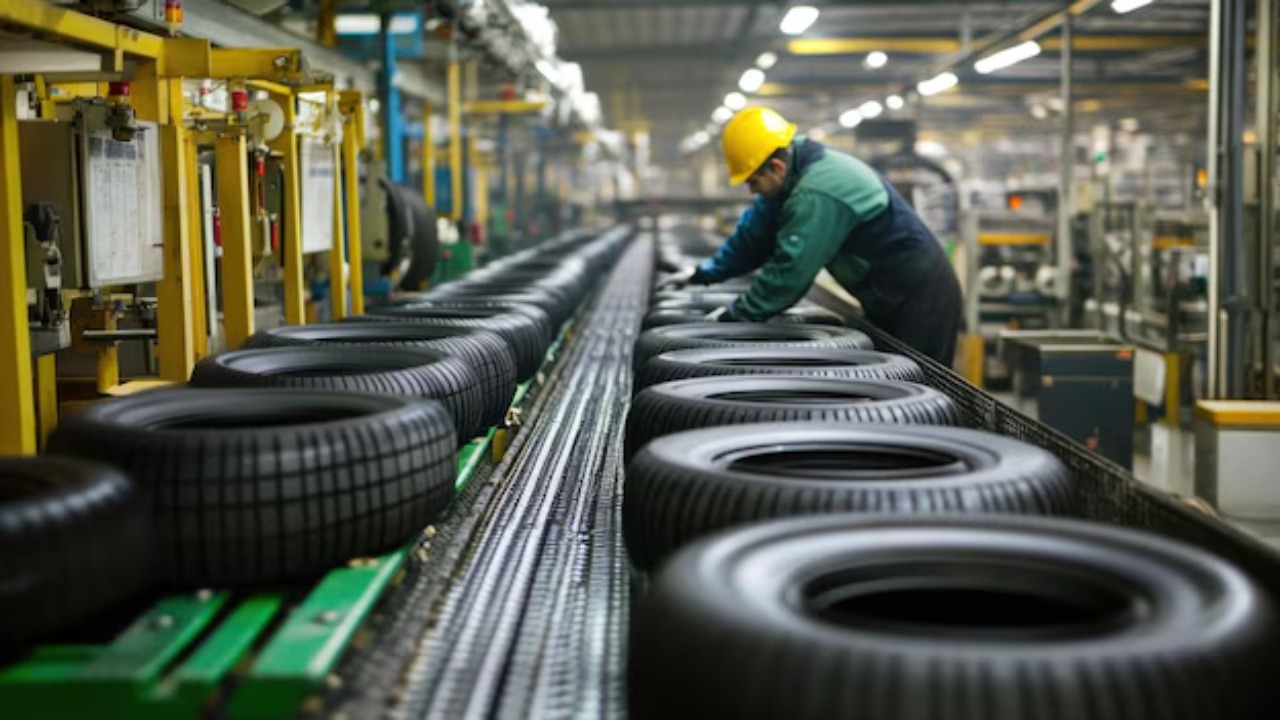
The development of puncture-proof tires is just the beginning. Experts predict many more advancements in tire technology in the coming years. The new polymer, for example, has other potential applications. It could be used to make tires that adjust their shape for optimal performance under different driving conditions.
Puncture-proof tires represent a significant step forward in automotive technology. As more vehicles adopt these tires, we can expect to see a decline in roadside tire changes and a safer driving environment overall. To delve deeper into future trends in tire technology, you can explore this resource.
