In a groundbreaking discovery, NASA has identified a new planet that exhibits temperatures potentially conducive to sustaining life. This celestial body, situated within the habitable zone of its star, has intrigued scientists worldwide, as it raises exciting possibilities for future exploration and understanding of life beyond Earth.
The Discovery: A New Frontier

NASA’s latest exoplanet discovery marks a significant advancement in our quest to find habitable worlds beyond our solar system. Utilizing cutting-edge technology, scientists have identified this intriguing planet through a combination of transit photometry and radial velocity methods. These techniques allow researchers to detect minute changes in the light emitted by stars, indicative of a planet passing in front of them or exerting gravitational forces.
The James Webb Space Telescope has played a pivotal role in this discovery. Its advanced capabilities enable it to observe distant celestial bodies with unprecedented clarity, providing vital data on planets that might host life. The scientific community is abuzz with excitement, discussing the potential implications of this find and what it could mean for our understanding of the universe.
Characteristics of the New Planet
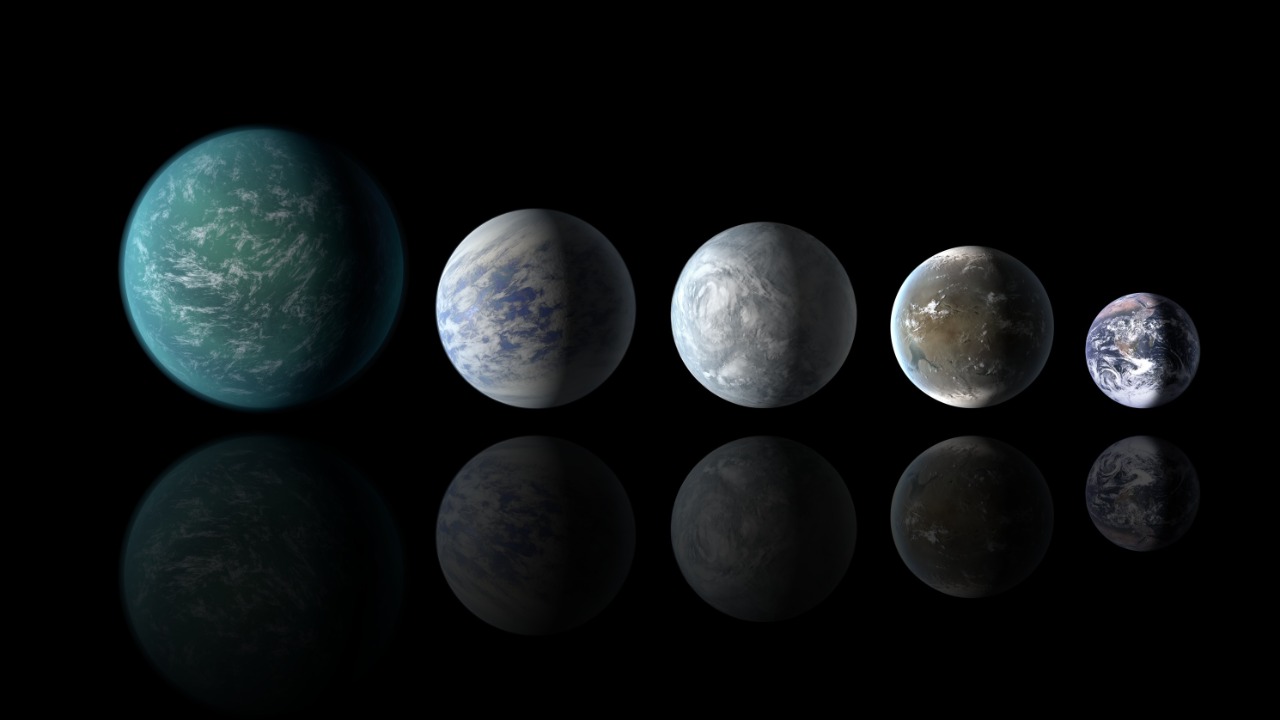
The newly discovered planet, which orbits a star similar to our Sun, is slightly larger than Earth, placing it in the category of “super-Earths.” Its composition suggests a rocky surface, potentially covered in water or ice. The planet’s orbit lies comfortably within the star’s habitable zone, a region where liquid water could exist, a crucial factor in determining its potential to sustain life.
Analysis of the planet’s atmosphere reveals a complex mixture of gases, including carbon dioxide and possibly traces of water vapor. These findings offer a tantalizing glimpse into the planet’s surface conditions, which may be comparable to those of Earth. By comparing this exoplanet with other known exoplanets in habitable zones, scientists hope to refine their search for life-sustaining worlds.
The Habitable Zone: What It Means
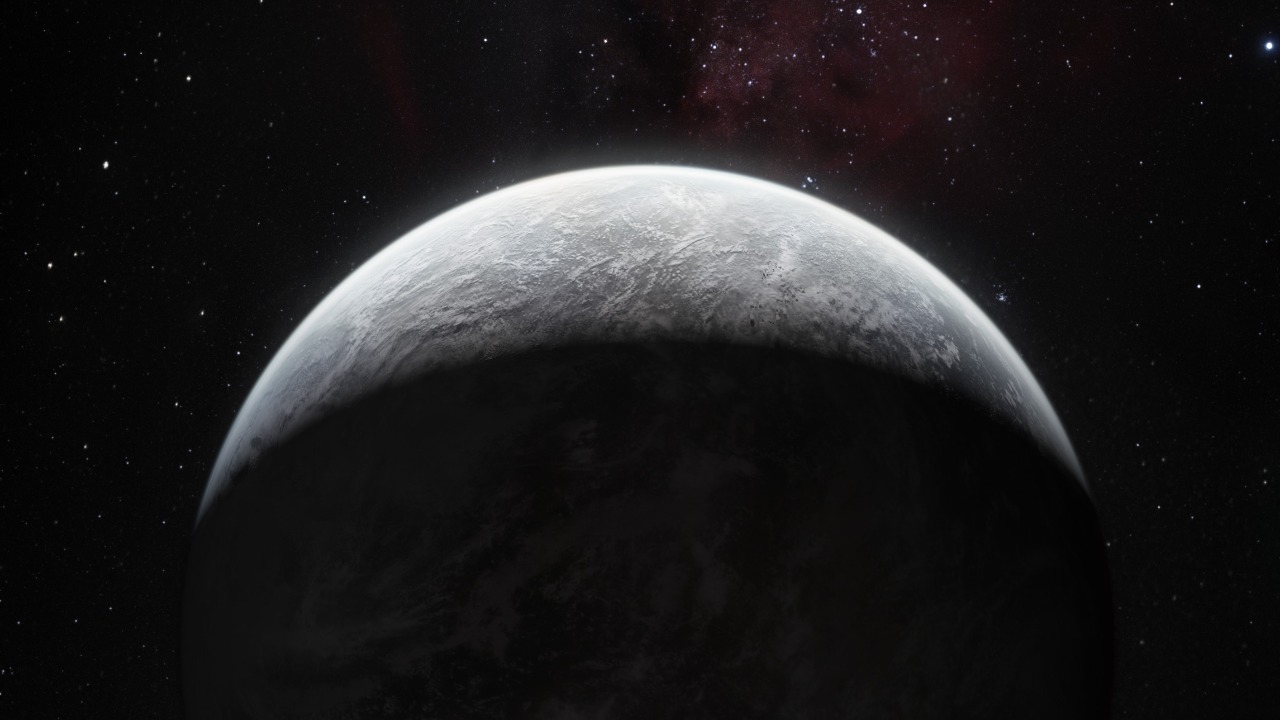
The concept of the habitable zone is central to the search for extraterrestrial life. It refers to the region around a star where conditions are just right for liquid water to exist on a planet’s surface. This zone, often called the “Goldilocks zone,” depends on several factors, including the star’s type and the planet’s distance from it. For this newly discovered planet, its position within this zone significantly enhances its potential to support life.
Factors such as temperature, atmospheric pressure, and the presence of water are critical in evaluating a planet’s habitability. The star type and distance play a crucial role; for instance, planets orbiting cooler stars need to be closer to maintain suitable temperatures, while those around hotter stars require a greater distance. Understanding these dynamics helps researchers assess a planet’s ability to support life.
Potential for Life: Scientific Perspectives

Exploring the potential for life on newly discovered planets involves identifying biological and chemical markers that suggest life-supporting conditions. Key indicators include the presence of water, oxygen, and other organic molecules. While these markers do not confirm life, they provide a foundation for further investigation and hypotheses about what kinds of life forms might exist.
Researchers have proposed various theories about potential life forms on such planets, ranging from microbial life to more complex organisms. However, confirming the existence of life poses significant challenges. The vast distances and technological limitations make it difficult to gather the necessary data, underscoring the need for continued advancements in space exploration technology.
Future Missions and Exploration Plans

NASA has several upcoming missions aimed at studying this new planet in greater detail. These missions will focus on analyzing atmospheric composition, surface conditions, and other critical factors that could indicate habitability. Collaboration with international space agencies will be essential in pooling resources and expertise to advance exoplanet research.
Technological advancements are crucial for future exploration efforts. New instruments and spacecraft designs are being developed to improve our ability to detect and study distant worlds. These innovations promise to enhance our understanding of the universe and bring us closer to answering the age-old question of whether we are alone in the cosmos.
Broader Implications for Humanity
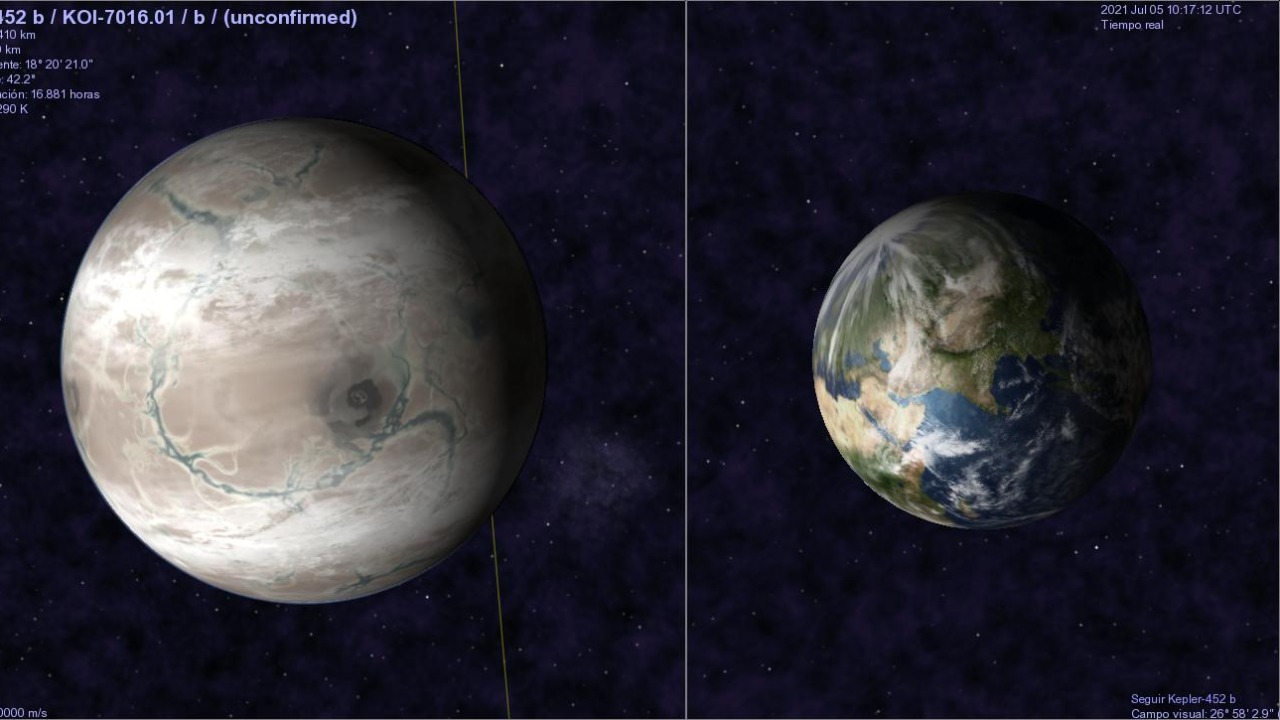
The discovery of potentially habitable planets has profound implications for humanity’s understanding of the universe. Such findings challenge our perceptions of life and its uniqueness, prompting philosophical and ethical discussions about our place in the cosmos. As we uncover new worlds, we must consider the potential consequences of encountering extraterrestrial life and what it means for our identity as a species.
These discoveries also impact future space exploration strategies, driving the development of new technologies and fostering international collaboration. The search for life beyond Earth continues to inspire generations, reminding us of the boundless possibilities that await in the vast expanse of the universe. As we look to the stars, we are reminded of our shared curiosity and the desire to explore the unknown.
