Gravity is one of the fundamental forces that govern the universe, yet it is surprisingly weaker than the other forces, such as electromagnetism. Recent theoretical developments suggest that a new type of particle could offer an explanation for this discrepancy. A particle, potentially a “graviton” or linked to dark matter and energy phenomena, might solve the mystery of gravity’s weakness.
The Puzzle of Gravity’s Weakness
When comparing the fundamental forces of nature, gravity stands out due to its relative weakness. While electromagnetism, the strong nuclear force, and the weak nuclear force dominate at atomic and subatomic levels, gravity’s influence is only noticeable on a cosmic scale. Historically, scientists such as Isaac Newton and Albert Einstein have laid the groundwork for understanding gravity, yet its weak nature remains a puzzle. This weakness has profound implications for physics, as it challenges the unification of forces into a single coherent theory.
Efforts to explain gravity’s weakness have spanned decades, with theories ranging from additional spatial dimensions to the existence of hidden particles. Despite these efforts, the question remains largely unresolved. The weakness of gravity influences our understanding of the universe, affecting everything from the formation of galaxies to the behavior of black holes. Without a comprehensive explanation, our grasp of the cosmos remains incomplete.
Theoretical Particles: Gravitons and Beyond

The concept of the graviton emerges as a potential key to understanding gravity. In theoretical physics, gravitons are considered hypothetical particles that mediate the force of gravity, much like photons mediate electromagnetism. Despite their theoretical appeal, detecting gravitons presents significant challenges. Gravitons would be incredibly weak and difficult to observe directly, requiring highly sensitive and advanced experimental setups.
Current experimental efforts, such as those outlined by Universe Today, work towards detecting these elusive particles. Discovering gravitons could revolutionize physics by providing a critical piece of the puzzle in unifying the fundamental forces. Such a discovery would not only bolster the standard model of particle physics but also open new avenues for exploring the quantum nature of gravity.
Dark Matter and Energy: A Possible Connection
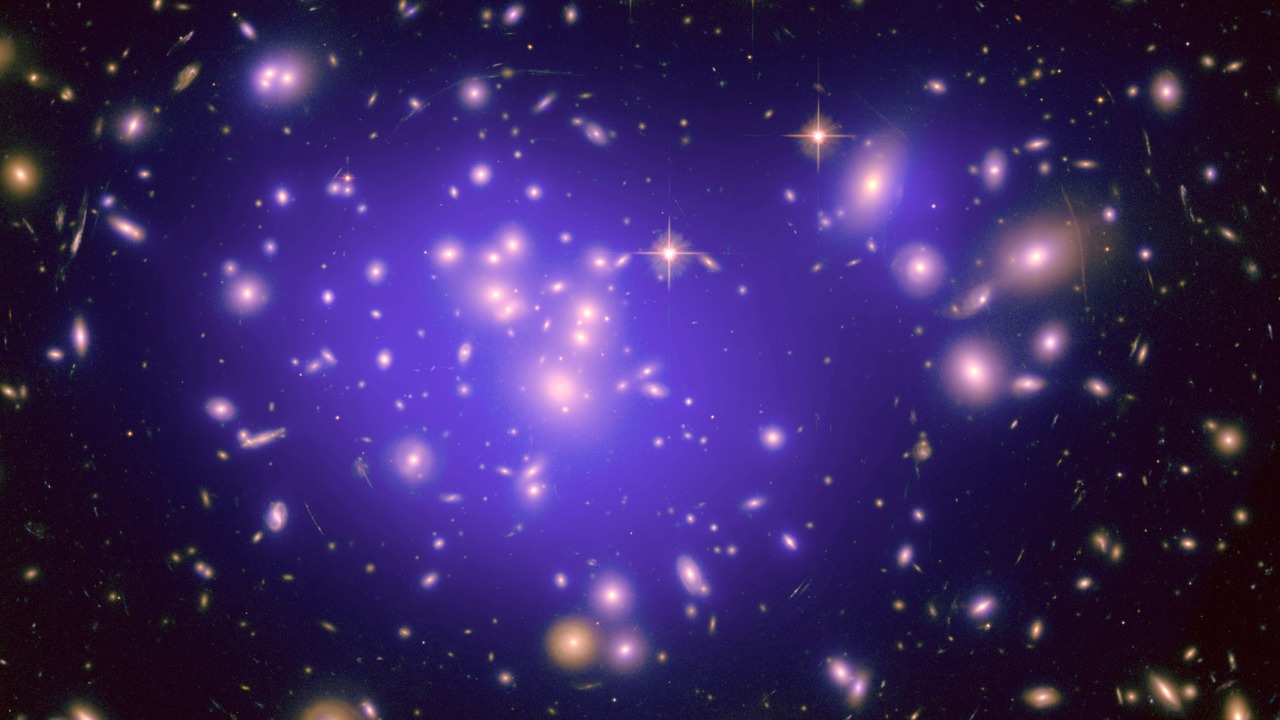
Dark matter and energy are other enigmatic components of the universe that might hold clues to gravity’s weakness. These phenomena, which together comprise most of the universe’s mass-energy content, remain largely mysterious. Scientists hypothesize that dark matter and energy could interact with gravity in ways that we do not yet understand, potentially contributing to its apparent weakness.
The “dark big bang” theory suggests that a separate event from the traditional big bang could have given rise to dark matter, influencing gravity’s strength. If these theories hold, the implications for physics would be profound, offering new insights into the fundamental forces that shape our universe. Understanding the interaction between gravity and dark matter could redefine our knowledge of the cosmos and its underlying principles.
New Models and Theories
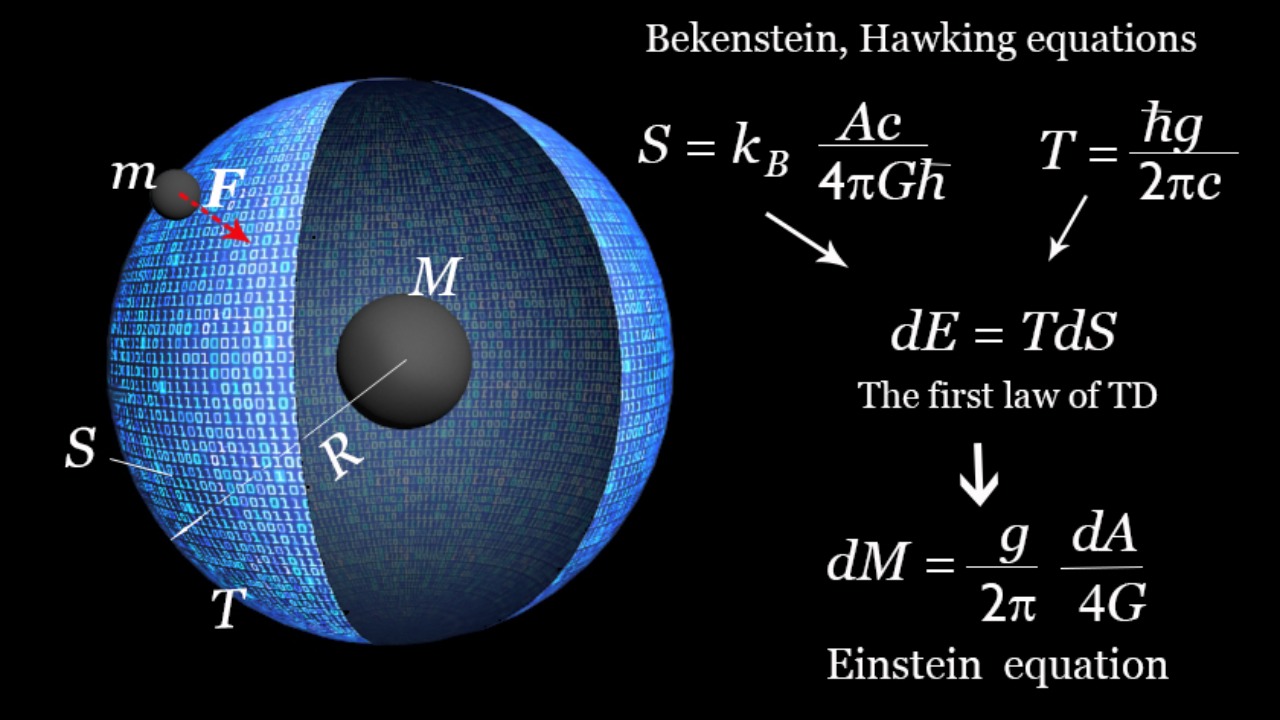
Recent advances in theoretical physics propose a variety of new particles and models that could impact gravitational force. Some of these models suggest the presence of additional spatial dimensions, where gravity might be stronger, but its effects are diluted in our observable universe. These multidimensional models offer intriguing possibilities for explaining gravity’s weakness.
Quantum mechanics also plays a crucial role in formulating new theories about gravity. By integrating quantum principles with general relativity, physicists aim to develop a unified theory that encompasses all fundamental forces. These cutting-edge theories not only challenge existing paradigms but also push the boundaries of our understanding, paving the way for future discoveries in gravitational physics.
Potential Impacts on Technology and Cosmology
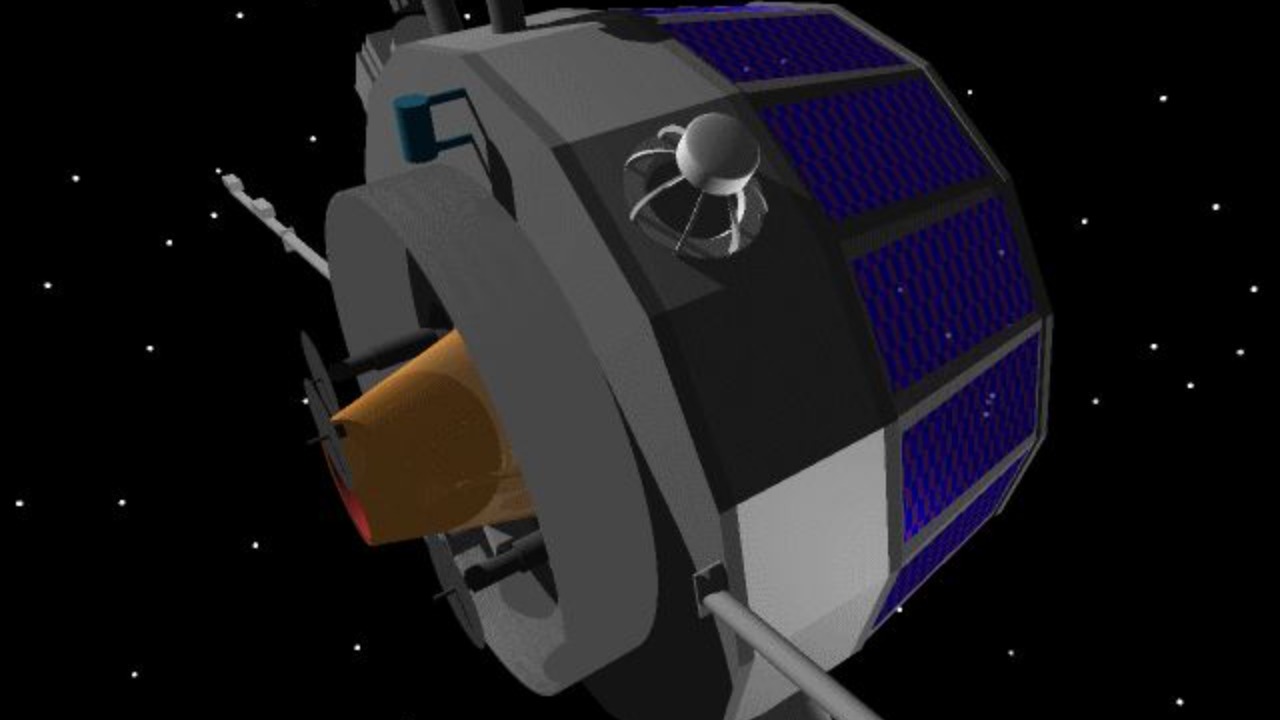
Solving the mystery of gravity’s weakness could lead to significant advancements in technology and our understanding of the universe. A deeper knowledge of gravity could inspire new technologies in propulsion and energy generation, potentially revolutionizing space travel and exploration. Furthermore, it could provide fresh insights into the formation and evolution of galaxies, stars, and planets, enhancing our understanding of cosmological processes.
The implications of these discoveries extend beyond technology, offering new perspectives on space-time and the fabric of reality. By unlocking the secrets of gravity, we might uncover hidden aspects of the universe, reshaping our perceptions of existence and our place within the cosmos. Such breakthroughs would mark a significant milestone in the pursuit of scientific knowledge.
Future Prospects for Research and Discovery
The search for new particles and explanations for gravity’s weakness continues with key experiments and observatories leading the charge. Facilities like CERN and others are at the forefront of this research, employing cutting-edge technology to probe the nature of gravity and its potential mediators. Collaborative efforts among physicists, cosmologists, and engineers are essential in advancing these endeavors.
Continued research and funding are vital for progress in this field. Interdisciplinary approaches, combining theoretical physics with experimental innovations, hold the promise of unraveling the mysteries of gravity. The journey to understand gravity’s weakness is a testament to human curiosity and the relentless pursuit of knowledge, with the potential to transform our comprehension of the universe.
