In an era where the world is increasingly struggling with temperature increases, a new genre of paint has emerged with the life-changing potential to cool buildings by a staggering 10°C. This groundbreaking innovation presents a promising avenue for energy efficiency and a tangible solution to counter global warming.
The Science Behind the Cooling Paint

The effectiveness of this revolutionary paint lies in its unique ability to both reflect sunlight and radiate heat. Unlike conventional paint types, this cooling paint boasts an extraordinary capacity to send heat away from the surfaces it covers. It is this feature that enables the paint to lower the temperatures of buildings and other structures.
The magic ingredient in the paint is barium sulfate, a compound that occurs naturally as mineral barite. Barium sulfate particles, with their varied sizes, allow the paint to scatter more of the light spectrum from the sun. When compared to traditional white paint, the cooling paint exhibits superior cooling abilities. Whereas white paint absorbs some sunlight and warms up surfaces, this new paint reflects more sunlight and thus, cools surfaces.
The Potential Impact on Energy Consumption
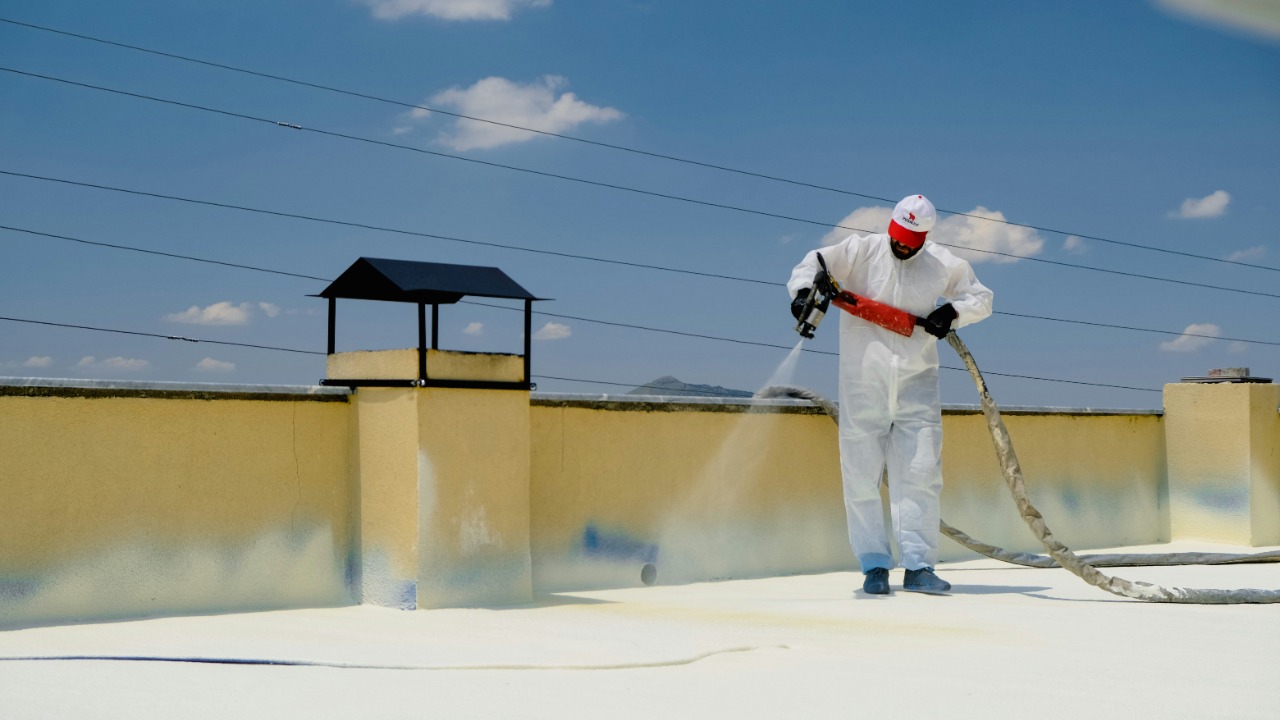
With the cooling effect of this paint, the need for air conditioning reduces significantly. This aspect is crucial, considering that air conditioning units are notorious for their high energy consumption. By reducing reliance on air conditioning, the paint can help cut down on energy use and reduce carbon emissions, making it an eco-friendly alternative. This development is particularly important in our current age where energy efficiency is a significant concern.
For building owners, the potential savings on energy costs are promising. A building painted with this cooling paint could see a substantial decrease in cooling costs, especially in warmer climates where air conditioning use is high. The research on this paint has indeed shown a significant drop in interior temperatures, confirming the paint’s potential to reduce energy costs.
The Role of Cooling Paint in Addressing Climate Change

One of the ways this paint could combat climate change is by mitigating the urban heat island effect, a phenomenon where urban areas are significantly warmer than their rural surroundings due to human activities. The paint’s cooling abilities could help to lower urban temperatures, making cities more habitable and reducing the need for air conditioning.
Moreover, reducing the need for air conditioning doesn’t only lower energy consumption; it also contributes to lowering carbon emissions. The less we rely on these energy-intensive appliances, the more we can contribute to climate change solutions. This approach, combined with the paint’s cooling abilities, creates a multi-faceted solution to the pressing issue of climate change.
Practical Application and Challenges

Despite the numerous benefits of cooling paint, there are some practical considerations to take into account. For instance, the paint’s durability and longevity are critical aspects. The cooling effect needs to be long-lasting for the paint to be a viable and cost-effective solution for building owners.
Moreover, there could be potential issues and challenges in mass production and application of the paint. It would need to be produced on a large scale and be easy to apply for it to have a significant impact. Cost and accessibility will also play a crucial role in its widespread use. It is vital that the paint is affordable and readily available to the masses for its potential to be fully realized.
Future Developments and Possibilities
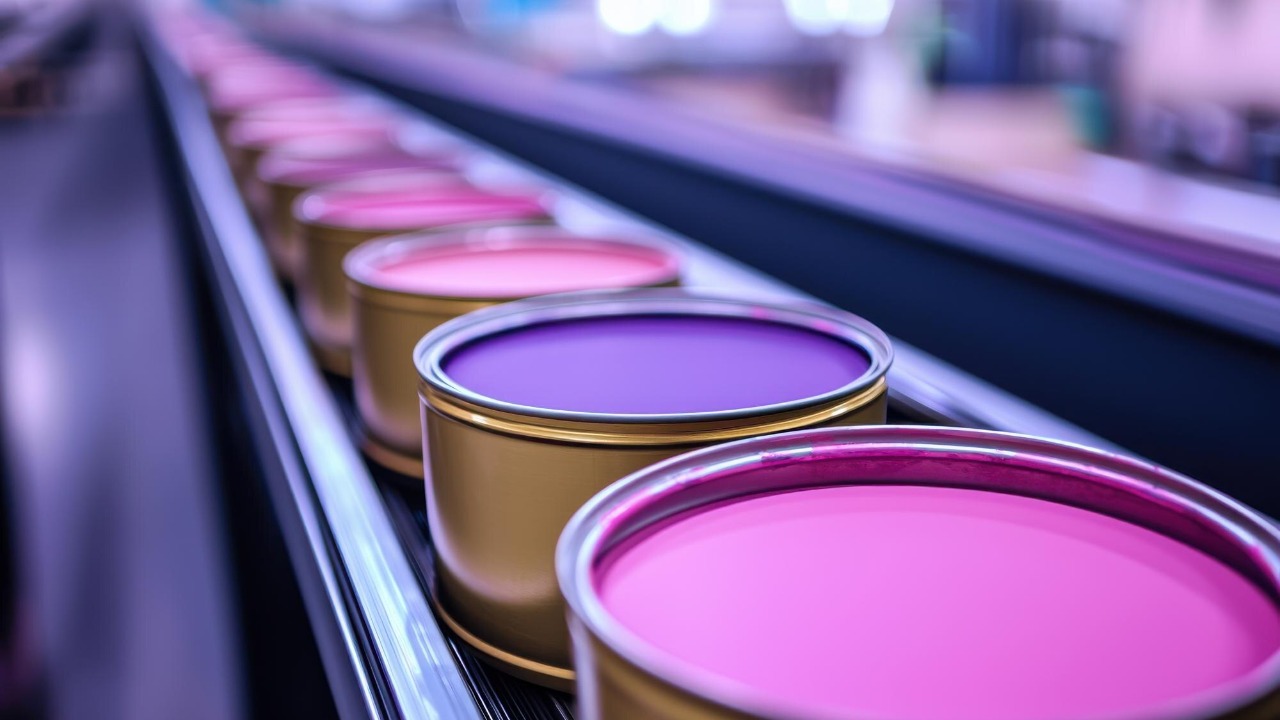
The future of cooling paint technology looks promising. Ongoing research and improvements in this field aim to improve the paint’s cooling abilities and longevity. There are also potential applications beyond building exteriors. For instance, vehicles could potentially benefit from the cooling effects of this paint.
Moreover, this cooling technology could be combined with other energy-saving solutions. For instance, pairing the paint with energy-efficient appliances could further reduce a building’s energy consumption. As we move forward, the potential of this revolutionary technology continues to unfold, presenting exciting possibilities for our future.
