In the rapidly evolving landscape of military technology, new inventions continue to push the boundaries of what’s possible. As the world faces increasingly complex security challenges, these advancements are critical in maintaining strategic advantages. From autonomous systems to advanced AI, these innovations are reshaping the future of defense.
Autonomous Drone Swarms
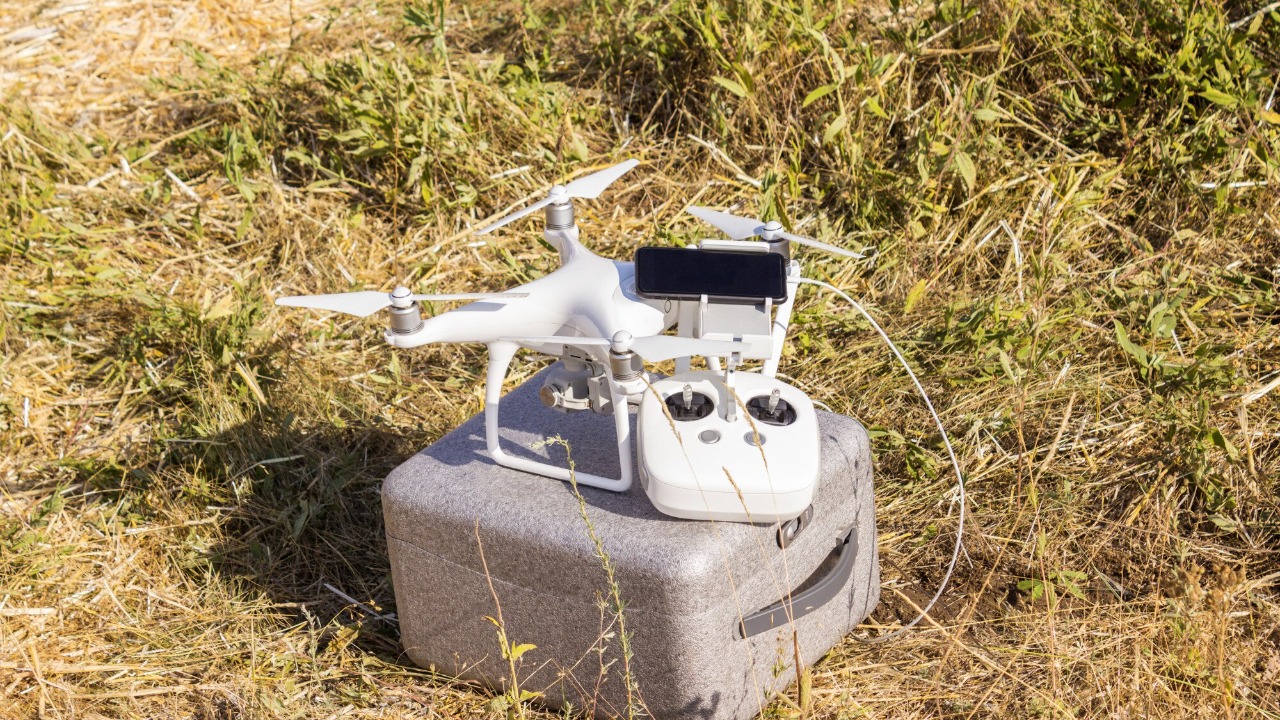
Autonomous drone swarms are transforming aerial warfare by using AI to coordinate large numbers of drones without human intervention. These swarms can execute complex missions, such as surveillance and attack, with remarkable precision. The U.S. Department of Defense has already tested swarms of Perdix drones, which can adapt to various missions by communicating with each other in real-time.
These drones are designed to mimic a flock of birds, capable of making independent decisions based on the environment. As they rapidly advance, drone swarms are expected to become a staple in modern military arsenals, offering an edge in both offensive and defensive operations.
Hypersonic Glide Vehicles
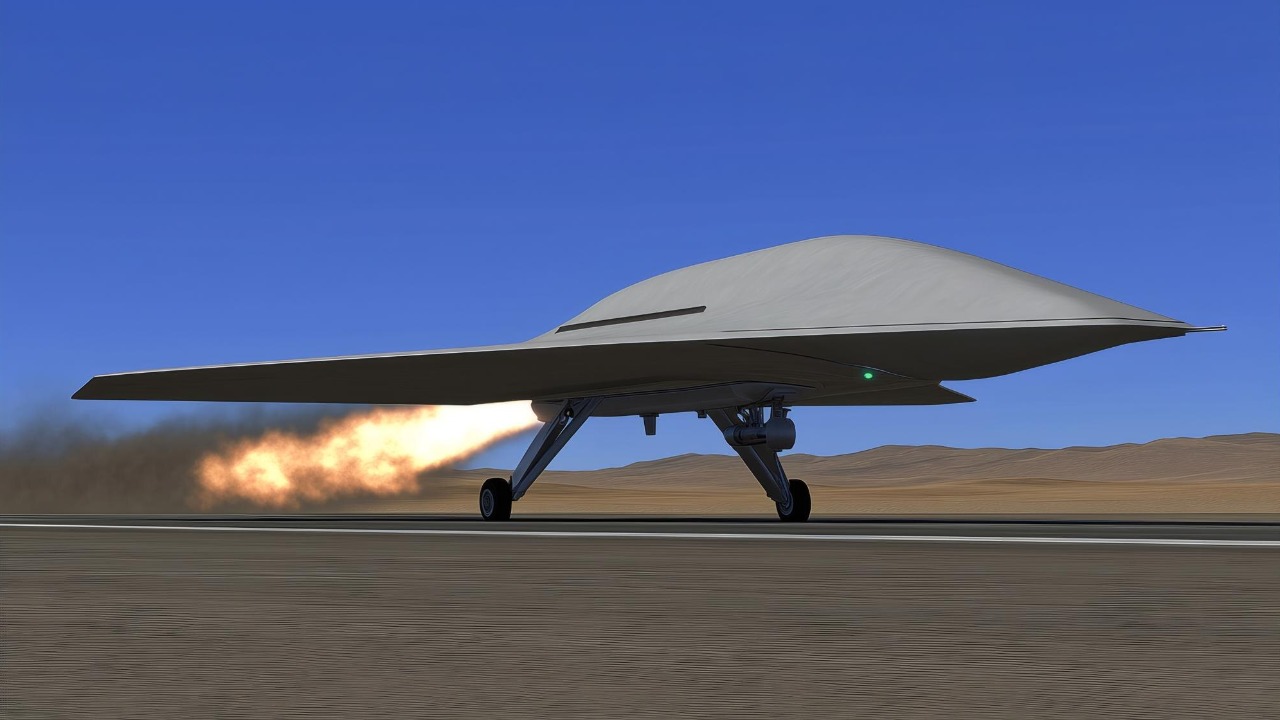
Hypersonic glide vehicles (HGVs) represent a revolutionary leap in missile technology. Capable of traveling at speeds exceeding Mach 5, these vehicles can maneuver unpredictably, making them extremely difficult to intercept. Countries like China and Russia are actively developing these systems, with China’s DF-17 and Russia’s Avangard being notable examples.
The strategic advantage of HGVs lies in their ability to evade traditional missile defense systems. As these technologies mature, they could redefine the global balance of power by rendering existing defense measures obsolete. Learn more about these developments from NATO’s insights.
Quantum Radar Systems

Quantum radar systems are on the cutting edge of surveillance technology. Unlike traditional radars, they use quantum entanglement to detect stealth aircraft and other threats with unprecedented accuracy. This technology holds the potential to render stealth technologies ineffective, marking a significant shift in radar capabilities.
Research into quantum radar is still in its early stages, but countries like Canada and China are making strides in its development. By leveraging the principles of quantum mechanics, these systems promise to enhance detection ranges and improve the identification of targets significantly.
Advanced Exoskeleton Suits
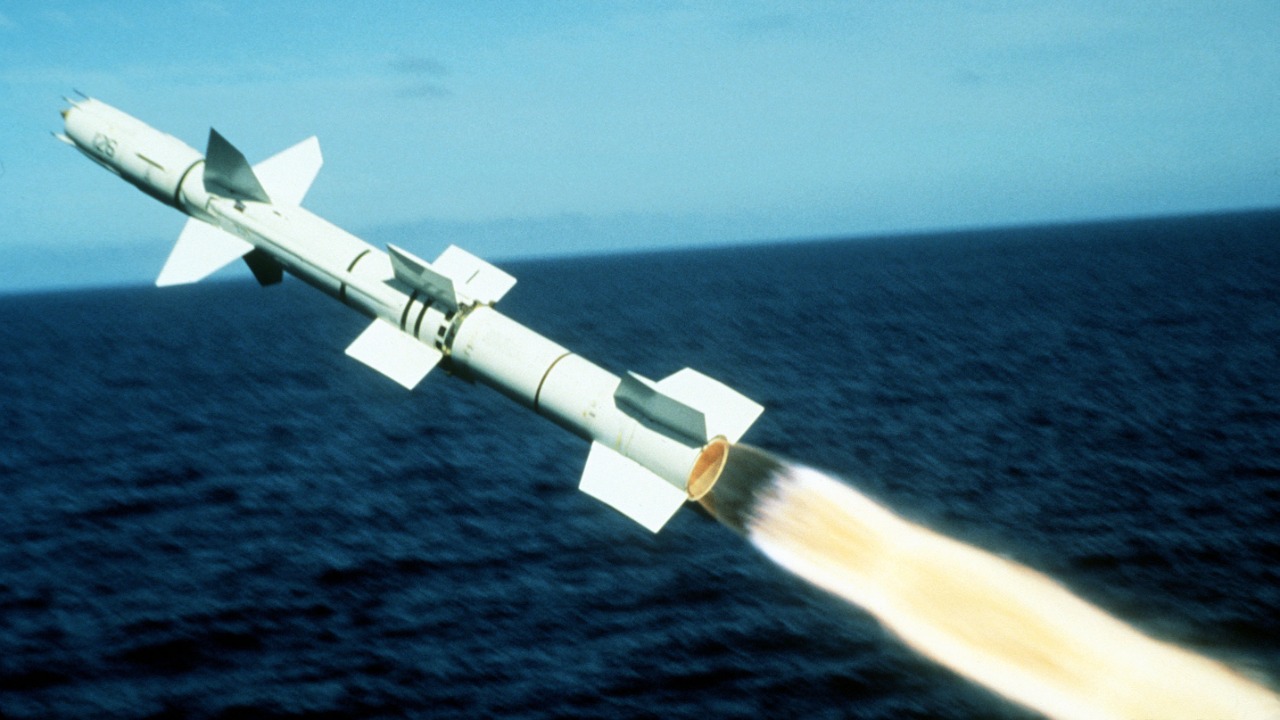
Advanced exoskeleton suits are poised to enhance soldier capabilities on the battlefield. These wearable devices provide physical support, enabling soldiers to carry heavy loads over long distances with less fatigue. The U.S. Army’s Tactical Assault Light Operator Suit (TALOS) is a prime example of this technology in action.
Exoskeletons are designed to increase endurance, strength, and protection, potentially reducing injuries and improving operational efficiency. As these systems evolve, they could redefine infantry combat by augmenting human abilities and allowing soldiers to perform tasks previously deemed impossible.
Directed Energy Weapons
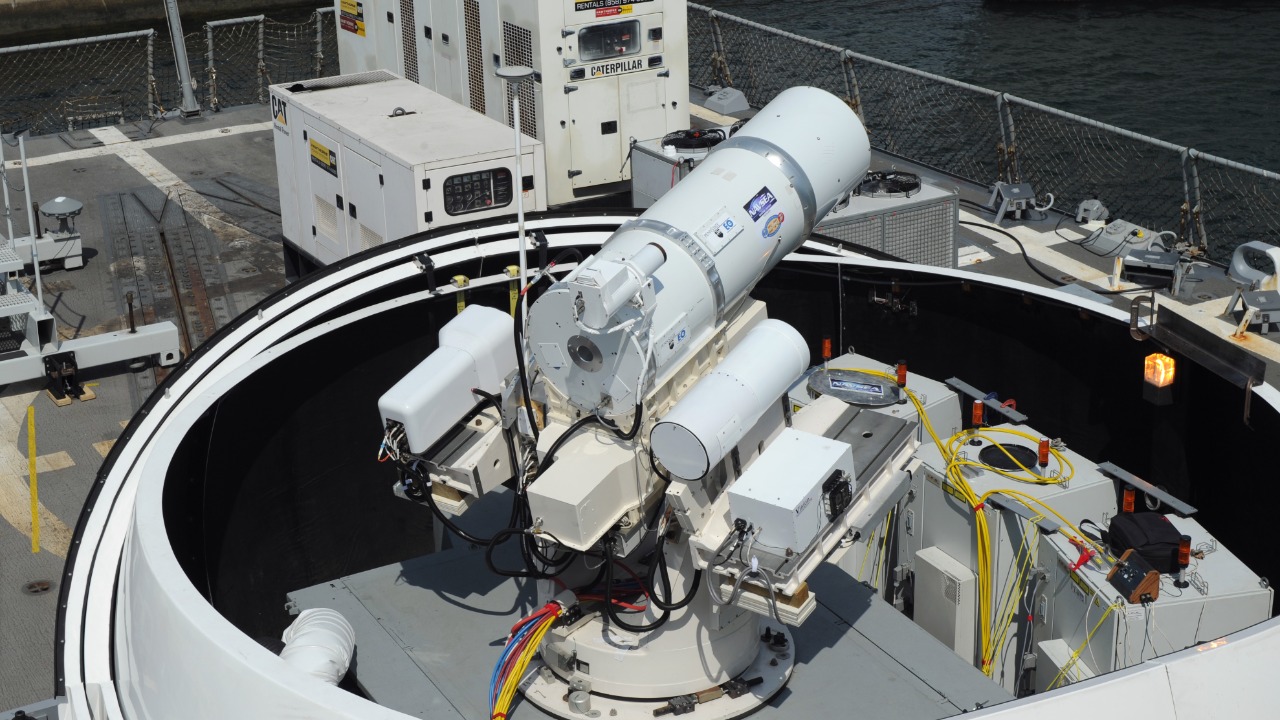
Directed energy weapons (DEWs), such as lasers and microwave weapons, offer a paradigm shift in military firepower. These systems can disable or destroy targets at the speed of light, providing a cost-effective alternative to traditional munitions. The U.S. Navy’s Laser Weapon System (LaWS) is already operational, showcasing the potential of these technologies.
DEWs promise to enhance military capabilities by providing precise, scalable, and versatile options for neutralizing threats. Their ability to engage multiple targets rapidly makes them invaluable for modern combat scenarios.Discover more here.
Underwater Stealth Drones

Underwater stealth drones are emerging as a critical component of naval warfare. These unmanned vehicles can perform reconnaissance, surveillance, and even offensive operations while remaining undetectable beneath the ocean’s surface. The U.S. Navy’s Orca XLUUV is a notable example, designed for extended-range missions.
Equipped with advanced sensors and communication systems, these drones offer strategic advantages in monitoring and controlling maritime environments. As technology advances, underwater drones will play an increasingly vital role in securing naval dominance.
AI-Powered Battlefield Management Systems

AI-powered battlefield management systems are revolutionizing military command and control. By analyzing vast amounts of data in real-time, these systems provide commanders with actionable insights for decision-making. The U.S. Army’s Project Maven is an example of AI integration into military operations.
These systems enhance situational awareness and improve the speed and accuracy of responses to dynamic threats. As AI technology continues to advance, its role in military strategy will only grow, enabling more efficient and effective operations. For further reading, check out this detailed analysis.
