Scientists have made a groundbreaking advancement by developing a shape-shifting metallic “muscle” that could revolutionize the design and functionality of fighter jets. This innovative technology could allow aircraft to morph and adapt their wing shapes mid-flight, similar to the transformations seen in popular science fiction. The development not only holds promise for military applications but could also lead to significant advancements in civilian aviation.
The Science Behind Shape-Shifting Metals
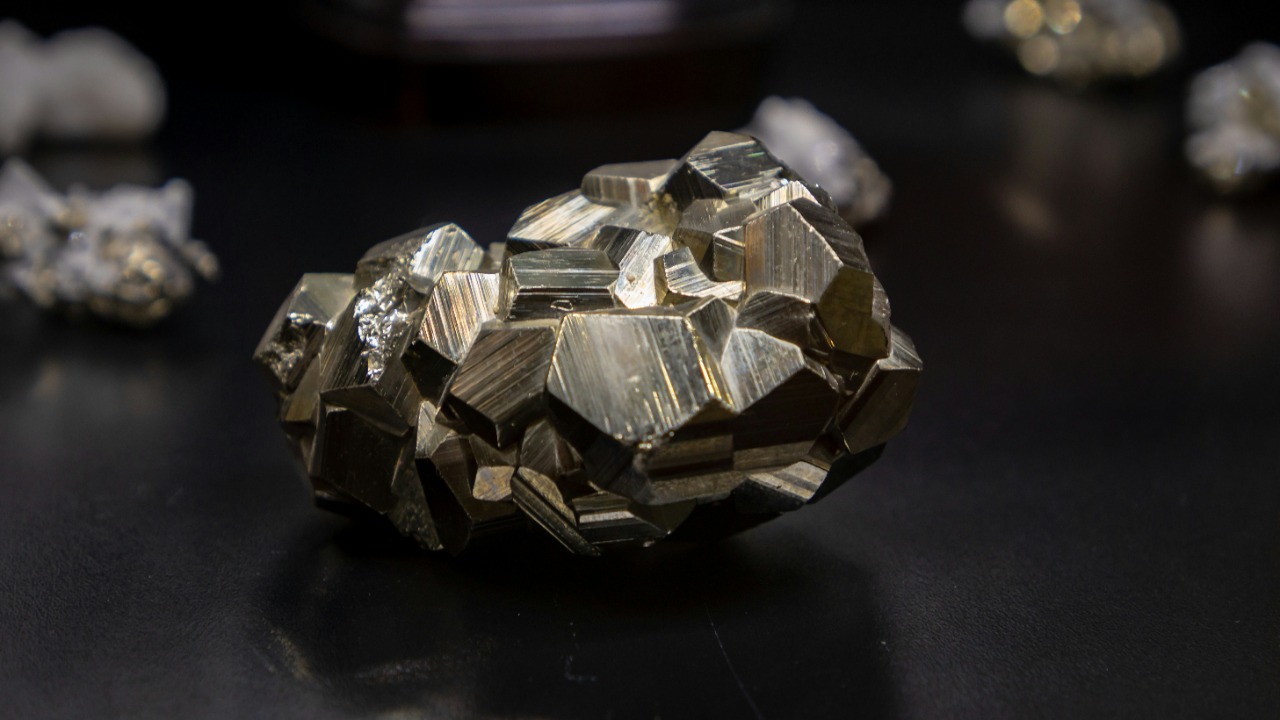
At the heart of this revolutionary advancement are high-temperature shape memory alloys (HTSMA), which have the remarkable ability to change shape and return to their original form. These materials can be deformed at one temperature and remember their original shape when heated to a higher temperature. The research spearheaded by Texas A&M University utilizes AI-driven methods to optimize the composition and processing of these alloys, resulting in metals that can withstand the extreme conditions faced by aircraft.
The unique properties of HTSMA are achieved through precise control of their microstructure, which allows them to undergo phase transformations at predetermined temperatures. This capability is what makes them ideal candidates for applications in aviation, where materials must endure both mechanical stress and temperature fluctuations. The AI techniques employed by researchers have been crucial in fine-tuning these properties, ensuring that the alloys perform reliably in real-world scenarios.
Transformative Potential in Aviation
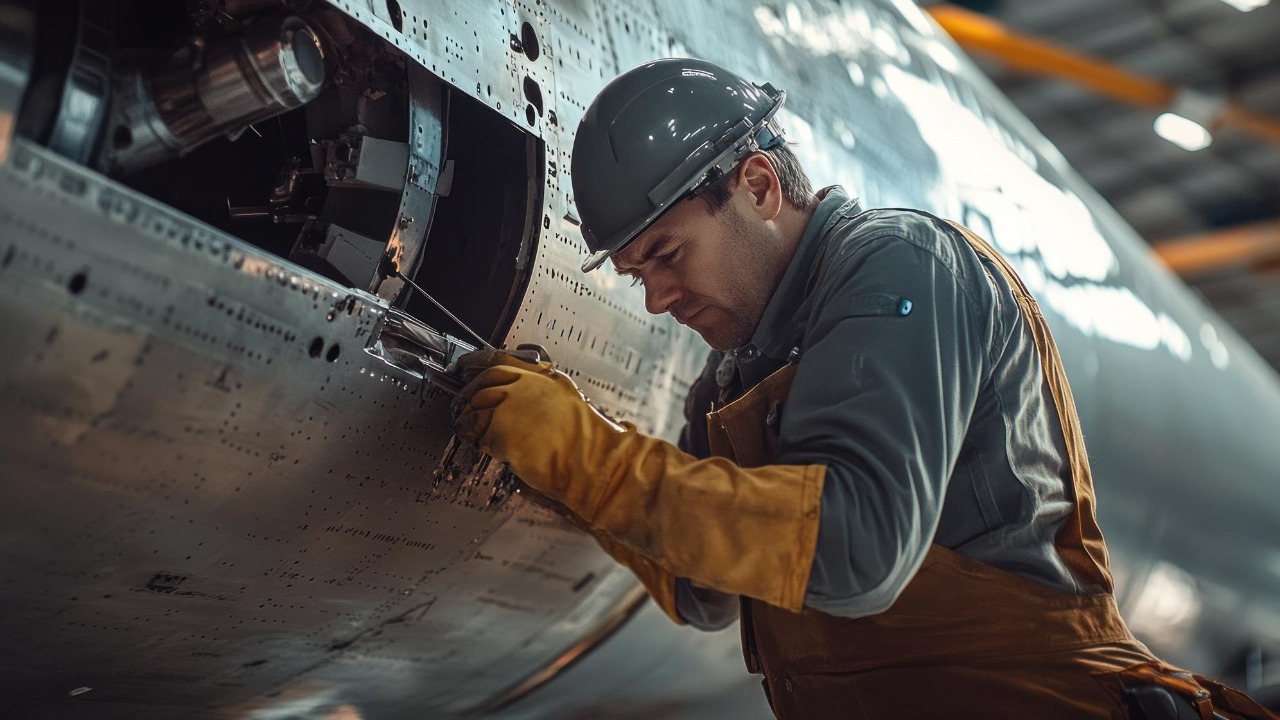
The development of shape-shifting metals could fundamentally alter the way fighter jets and other aircraft operate. Imagine a jet that can fold its wings like a Transformer, allowing for unprecedented maneuverability and adaptability during flight. This technology offers the potential for significant aerodynamic advantages, such as reduced drag and enhanced fuel efficiency, which are crucial for both military and commercial aviation sectors.
Currently, testing and trials are underway to evaluate the feasibility of integrating these materials into aircraft design. NASA is actively involved in assessing the new alloy’s potential for wing morphing, which could lead to a new generation of aircraft with unparalleled capabilities. These tests will determine the practicality of using shape-shifting materials in creating aircraft that can seamlessly transition between different flight configurations.
Challenges and Considerations
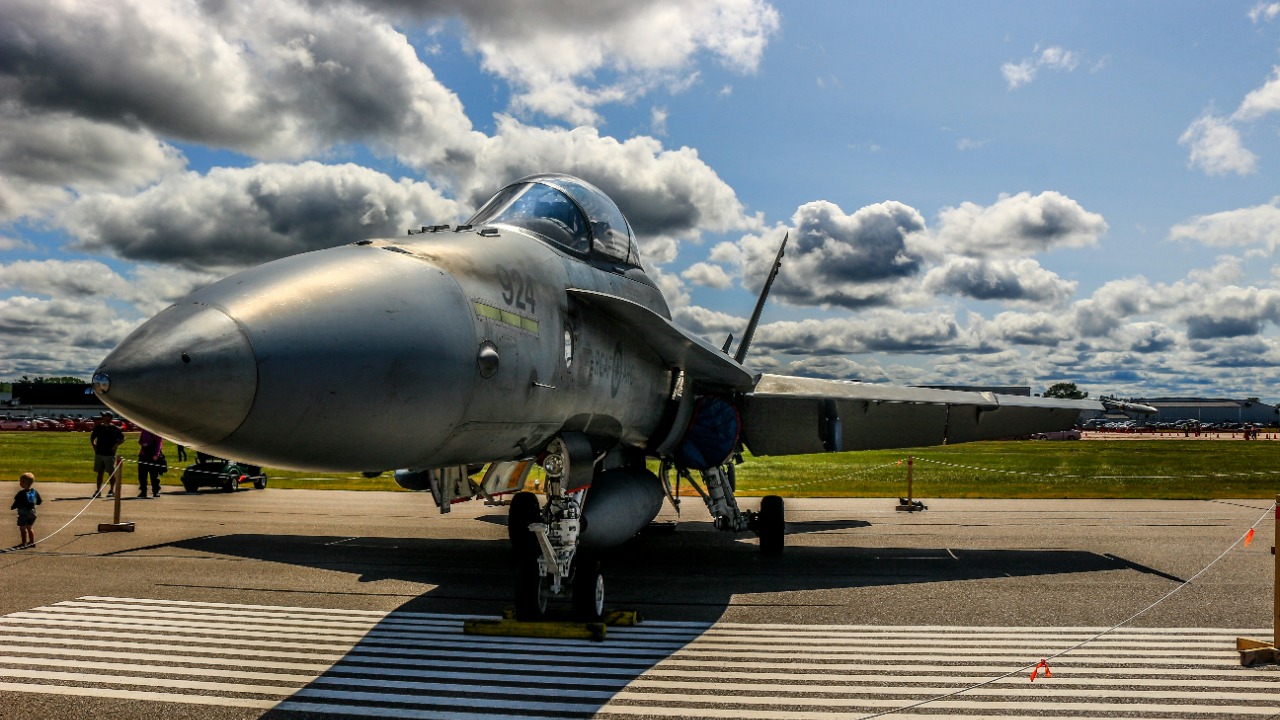
While the possibilities are exciting, there are significant challenges to be addressed before shape-shifting metals can be fully integrated into existing aircraft designs. One of the primary technical hurdles is ensuring that these materials can withstand the extreme conditions encountered during flight. Durability and reliability are paramount, as any failure could have catastrophic consequences.
Moreover, there are important safety and regulatory considerations to account for. The introduction of new materials into the aviation industry requires rigorous testing and certification processes to ensure compliance with existing standards. It is essential to evaluate how these materials perform under various stressors and to develop guidelines for their safe use in aviation applications.
Broader Implications and Future Applications
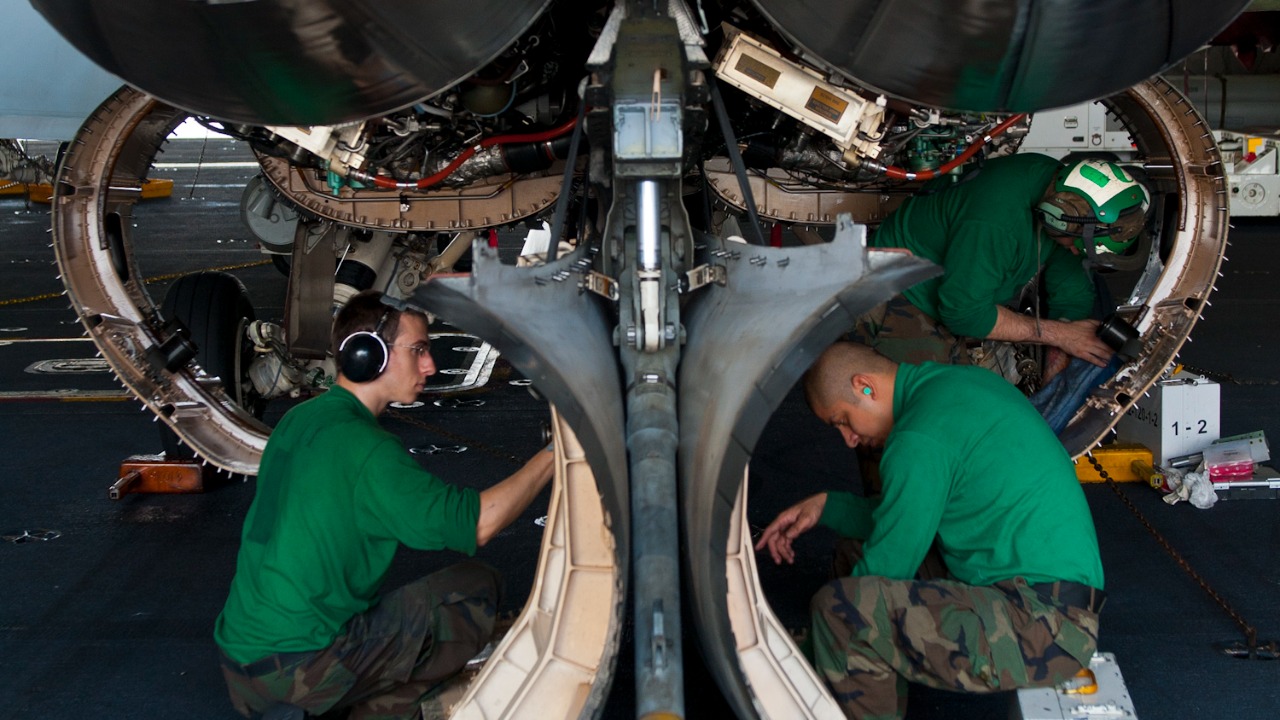
The potential impact of shape-shifting metals extends beyond aviation, with applications in various industries such as robotics and automotive sectors. For instance, these materials could be used to develop more flexible robotic systems capable of adapting to different tasks or environments. In the automotive industry, shape-shifting metals could lead to vehicles with dynamic aerodynamics, improving both performance and efficiency.
This technology could influence the design and functionality of future machines and devices, fostering innovation across multiple sectors. The societal and economic benefits of adopting shape-shifting materials are vast, including reduced energy consumption and enhanced performance in various applications, which could result in significant cost savings and environmental benefits over time.
Real-World Testing and Deployment
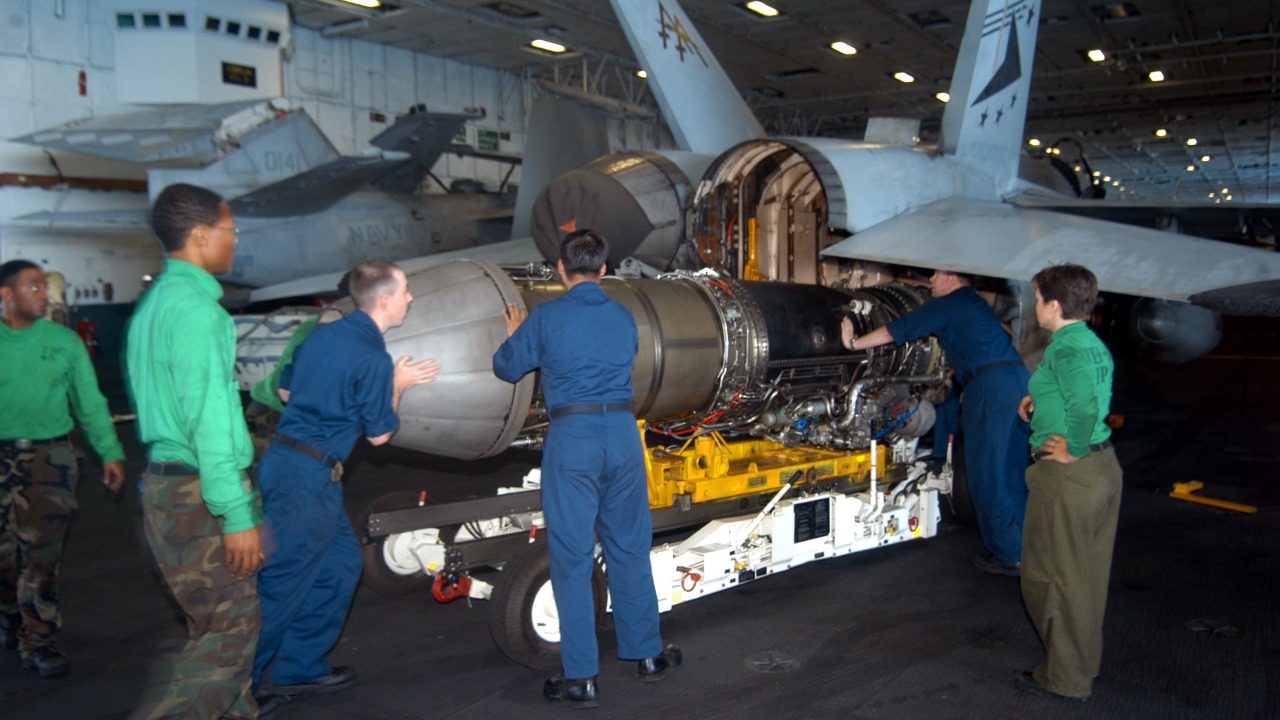
Real-world testing is already underway, with agencies like NASA conducting experiments to assess the viability of these materials for use in active aircraft. These tests are crucial for understanding how shape-shifting alloys behave in practical scenarios and for determining a timeline for potential deployment in both military and commercial aircraft.
Aerospace engineers and industry experts are optimistic about the feasibility of widespread adoption, though they acknowledge that it will take time to overcome the technical and regulatory challenges. As research and testing continue, we can expect to see a gradual integration of shape-shifting materials into aviation, paving the way for a new era of flight innovation and efficiency.
