As the digital landscape evolves, the need for privacy and data security has become paramount. This has led to an increasing trend of ephemeral messaging apps that auto-delete messages after a specified period, most notably 24 hours.
The Rise of Ephemeral Messaging Apps

Ephemeral messaging apps are a relatively new trend that’s quickly gaining popularity among privacy-conscious individuals. The premise of these apps is simple: messages sent through these platforms are automatically deleted after a certain period, leaving no trace of the conversation. This concept has gained traction due to the increasing concern about data privacy and the misuse of personal information.
Platforms such as Snapchat made the concept of ephemeral messaging popular, other apps have since adopted this feature. Telegram, for instance, introduced a self-destruct feature for its secret chats. Facebook and Instagram also have their versions of disappearing messages. According to a study by AirDroid, the use of such apps has surged in the past few years, indicating a clear shift towards privacy-focused communication.
Features of Disappearing Message Apps
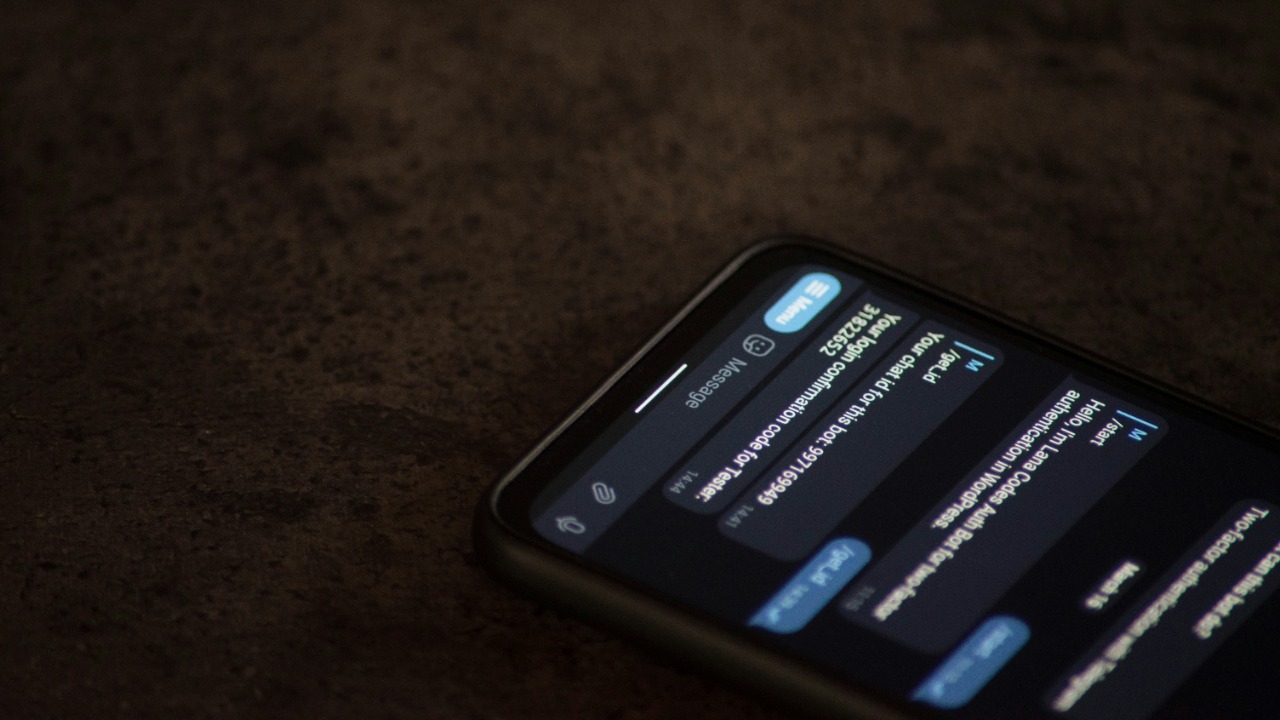
The primary feature of disappearing message apps is the automatic deletion of messages after a set timeframe. However, these apps also come with other privacy and security features. End-to-end encryption is one such feature common to most of these apps. This ensures that only the sender and recipient can read the messages, making it virtually impossible for third parties to intercept and read the messages.
The user interface and usability of these apps are also critical factors contributing to their popularity. Most ephemeral messaging apps are designed to be user-friendly, with intuitive interfaces that make navigation easy. The design often focuses on minimalism, prioritizing function over form.
Top Ephemeral Messaging Apps of Today
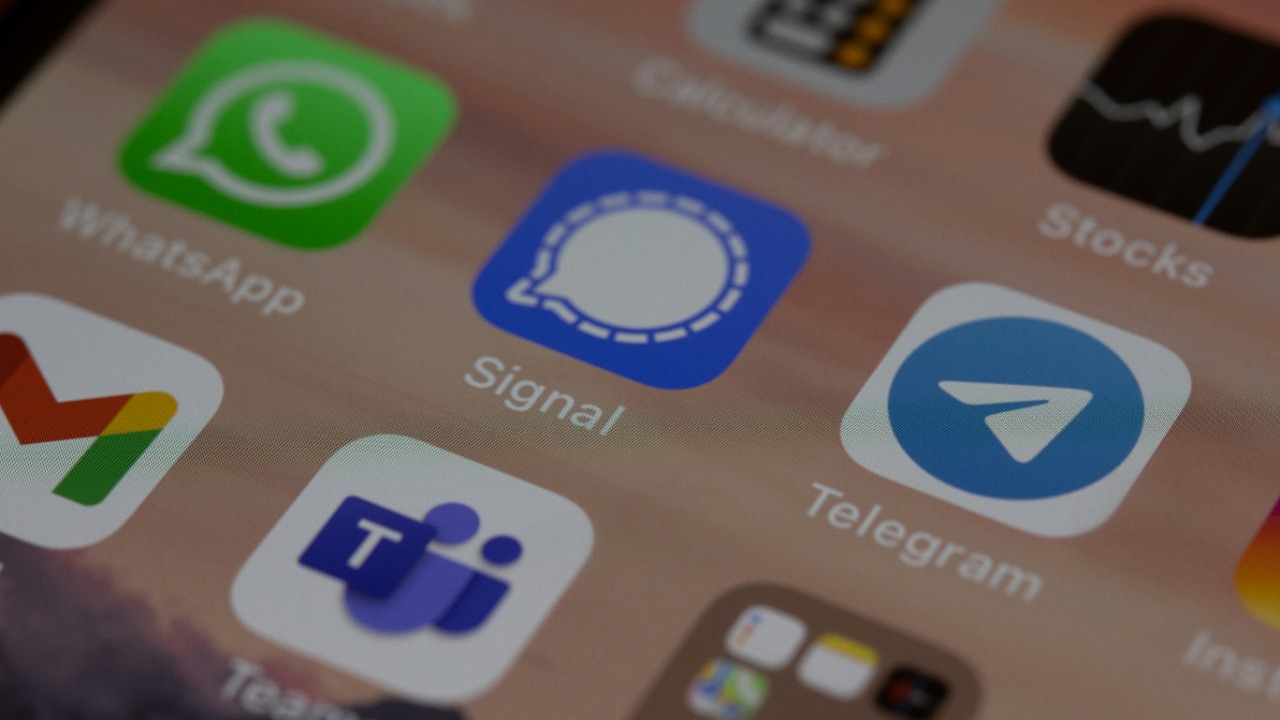
There are numerous ephemeral messaging apps available today, each with its unique features. Snapchat, the pioneer of ephemeral messaging, remains one of the most popular options. It allows users to send photos and videos that automatically disappear after being viewed. Another popular option is Signal, an app renowned for its stringent privacy measures. Signal offers a disappearing messages feature that can be customized for different conversations.
Telegram’s secret chat is another excellent option for users seeking privacy. This feature not only provides self-destructing messages but also prevents the other party from forwarding the messages. For more details on popular disappearing message apps, check out this guide by XNSPY.
The Role of Ephemeral Messaging Apps in Privacy Protection

Ephemeral messaging apps play a crucial role in privacy protection by limiting the lifespan of messages. This reduces the chances of sensitive information falling into the wrong hands. However, these apps are not without their limitations. For instance, screenshots can still be taken of the messages before they disappear, and some apps do not notify the sender when this occurs.
Despite this, studies such as the one published by ScienceDirect show that ephemeral messaging apps still provide a higher level of privacy compared to traditional messaging platforms. The transient nature of the messages means there are fewer data points for potential hackers or intrusive advertisers to exploit.
Future Trends in Ephemeral Messaging
The future of ephemeral messaging seems bright, with expected advancements in privacy and security features. For instance, more sophisticated methods to prevent screenshotting and improved encryption protocols could become standard features in these apps. Additionally, with the increasing concern over data privacy, more people are likely to adopt ephemeral messaging apps, influencing their development and the wider digital communication landscape.
While it’s impossible to predict exactly how these apps will evolve, one thing is certain: the need for private, secure communication isn’t going anywhere. Therefore, it’s safe to assume that ephemeral messaging apps will continue to innovate and adapt to meet this demand. For more insights on this topic, visit the Privacy subreddit.
