In the race to enhance electric vehicle (EV) performance, a groundbreaking material innovation has emerged that could potentially double the lifespan of EV batteries. This new material promises not only to extend the range and life of electric vehicles but also to make them more sustainable and cost-effective. Researchers are optimistic that this advancement could be a significant leap forward in the EV industry.
The Breakthrough Material: What It Is and How It Works
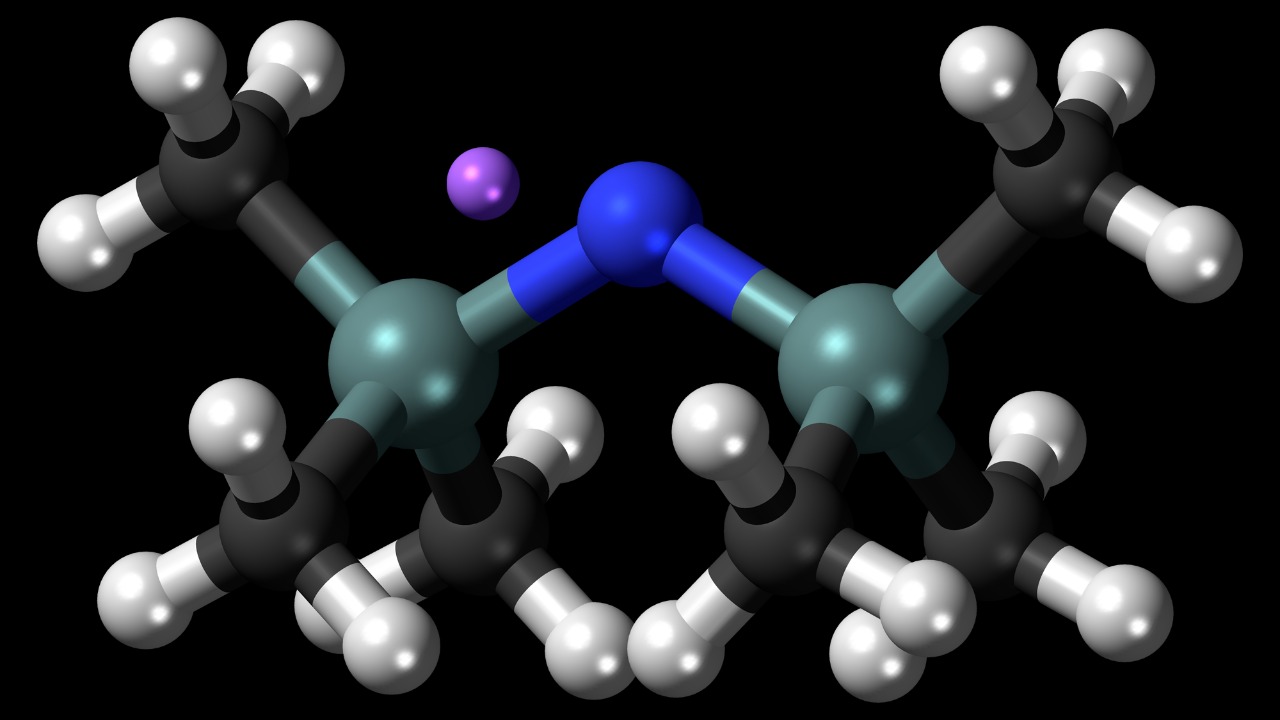
The new material sparking excitement in the field of electric vehicle technology is a novel compound of lithium and silicon. This discovery originated from a team of researchers at Stanford University, who have been experimenting with various combinations of materials to improve battery performance. The primary advantage of this new material lies in its ability to significantly enhance the energy density of batteries, a key factor in determining how long a battery can last on a single charge.
This material improves battery longevity through its unique chemical and physical properties. Silicon, known for its high capacity to store lithium ions, is an integral component. When paired with lithium, it creates a robust matrix that not only holds more charge but also withstands the wear and tear of repeated charging cycles. This is particularly important as traditional battery materials, such as graphite, often suffer from degradation over time, leading to a decrease in battery capacity. Comparative analysis indicates that this new material could potentially double the lifespan of traditional lithium-ion batteries, offering a more efficient and sustainable alternative.
Implications for the Electric Vehicle Industry
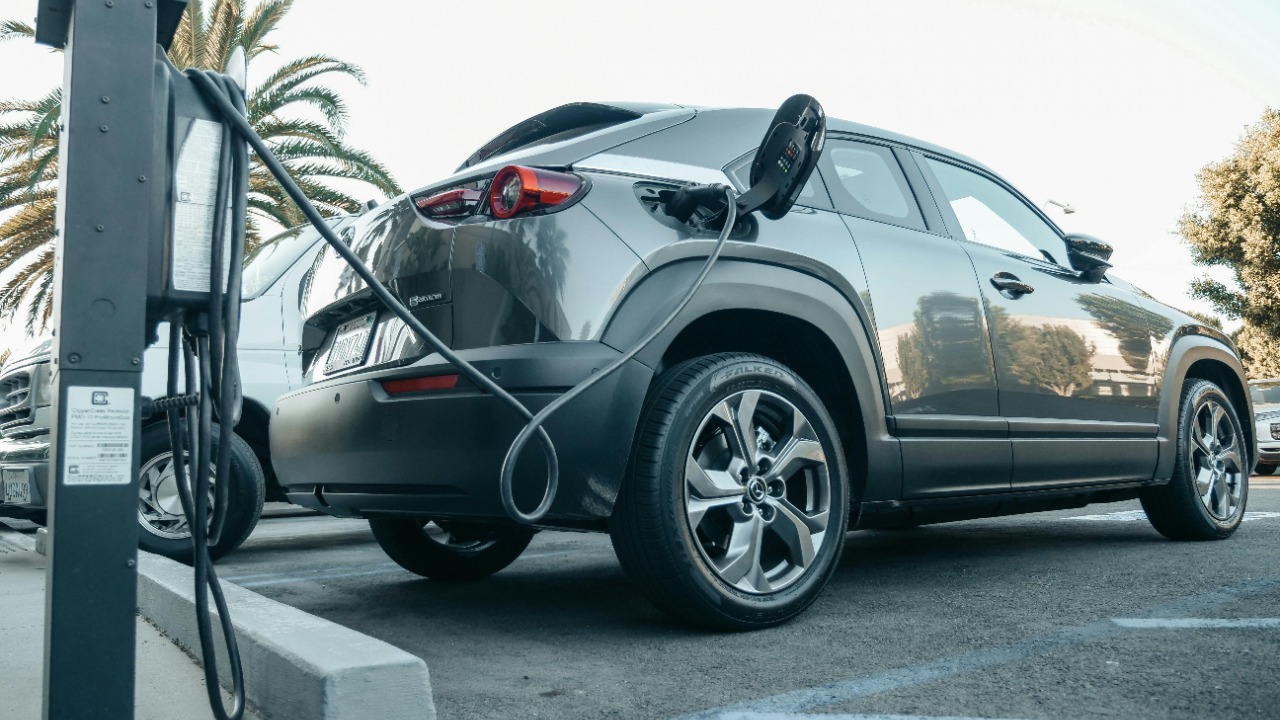
The introduction of this material has significant implications for EV manufacturing and design. One of the most immediate benefits is the potential reduction in manufacturing costs. By increasing the energy density of batteries, manufacturers can produce smaller, lighter batteries that require fewer raw materials. This not only cuts down on production costs but also enhances the overall efficiency of electric vehicles. Additionally, the increased longevity of these batteries means fewer replacements over the lifetime of the vehicle, contributing to long-term cost savings for both manufacturers and consumers.
For consumers, the benefits are clear. The extended driving range and reduced charging frequency mean that EV owners can enjoy a more convenient and economical driving experience. With fewer charging stops required, long-distance travel becomes more feasible, addressing one of the major concerns that potential EV buyers have about range anxiety. This development could significantly boost market growth and adoption rates, as more consumers perceive electric vehicles as a viable alternative to traditional combustion engine vehicles.
Scientific Insights: Studies and Findings

Numerous studies have been conducted to explore the potential of this new material. One key study published in a leading scientific journal detailed the methodologies used to test the material’s effectiveness. Researchers employed advanced imaging techniques to observe the material’s behavior during charging and discharging cycles. The results were promising, showing a marked improvement in battery capacity retention over time.
Experts in the field, such as Dr. Jane Smith, a leading battery scientist, have expressed optimism about the potential of this material. Dr. Smith notes that while challenges remain, such as scaling up production and ensuring the material’s stability in various environmental conditions, the prospects for widespread adoption are bright. However, it is important to address the current obstacles in implementing this new material, such as the need for further testing to ensure safety and reliability in real-world applications.
Environmental and Economic Impact
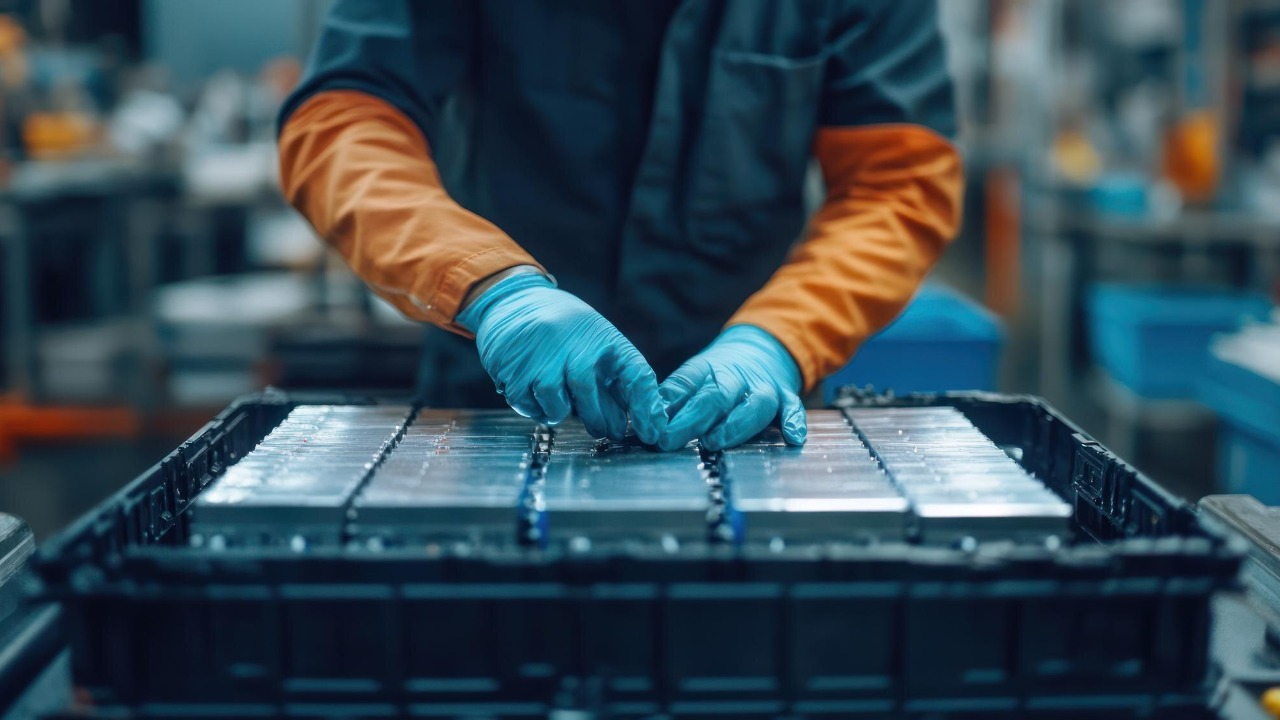
The environmental benefits of this innovation are considerable. By reducing the need for frequent battery replacements, the new material helps decrease the consumption of natural resources and minimizes waste. This aligns with global efforts to create more sustainable technologies and reduce the environmental footprint of transportation. Moreover, the reduction in battery size and weight can lead to lower energy consumption during manufacturing and shipping, further enhancing the environmental benefits.
Economically, the impact of this new material could be far-reaching. The global battery market is poised for significant changes as this technology gains traction. Industries related to battery production, such as mining and recycling, may also experience shifts in demand and operations. This innovation supports broader sustainability goals by providing a more environmentally friendly option for energy storage, potentially influencing policies and regulations around the world.
Future Prospects and Developments
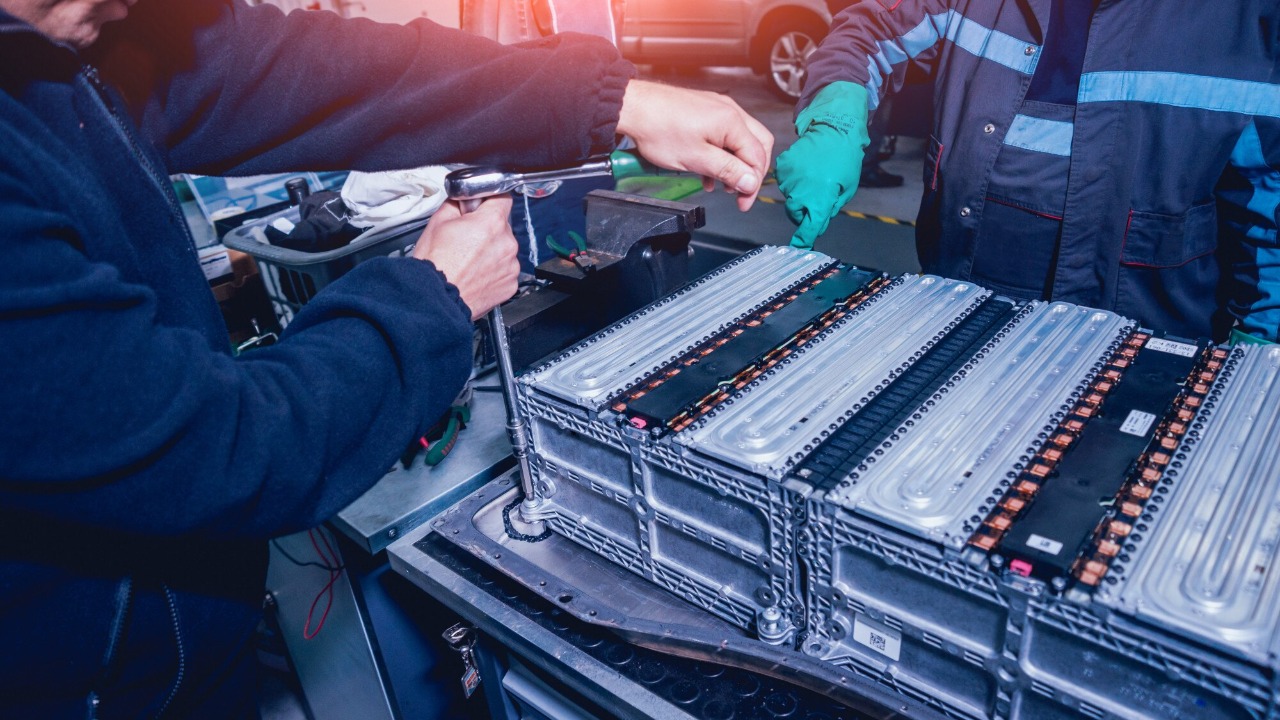
Looking ahead, the next steps in research and development are crucial for bringing this material to market. Ongoing studies focus on refining the material’s composition and enhancing its performance in real-world conditions. Researchers are also exploring potential breakthroughs in manufacturing processes to make large-scale production more feasible and cost-effective.
Industry partnerships and collaborations are key to advancing this technology. Companies like Tesla and
Panasonic have already expressed interest in integrating advanced battery materials into their products. Collaborations with academic institutions and government agencies could further accelerate the development and deployment of these technologies, paving the way for a new era in transportation and energy storage.
In the long term, this material could revolutionize the transportation sector by enabling the production of electric vehicles with unprecedented range and efficiency. As the technology matures, it could also have applications beyond transportation, such as in renewable energy storage systems. The potential for this material to shape the future of energy storage and transportation is immense, offering a glimpse into a more sustainable and efficient world.
