Imagine a world where you can effectively block sound without the need for bulky and sometimes costly insulation. A game-changing technology is making this possible – a unique material that can block sound impeccably without traditional insulators. This innovative development has the potential to significantly alter the course of soundproofing in various sectors, including construction and electronics.
Understanding the Science behind Sound Blocking
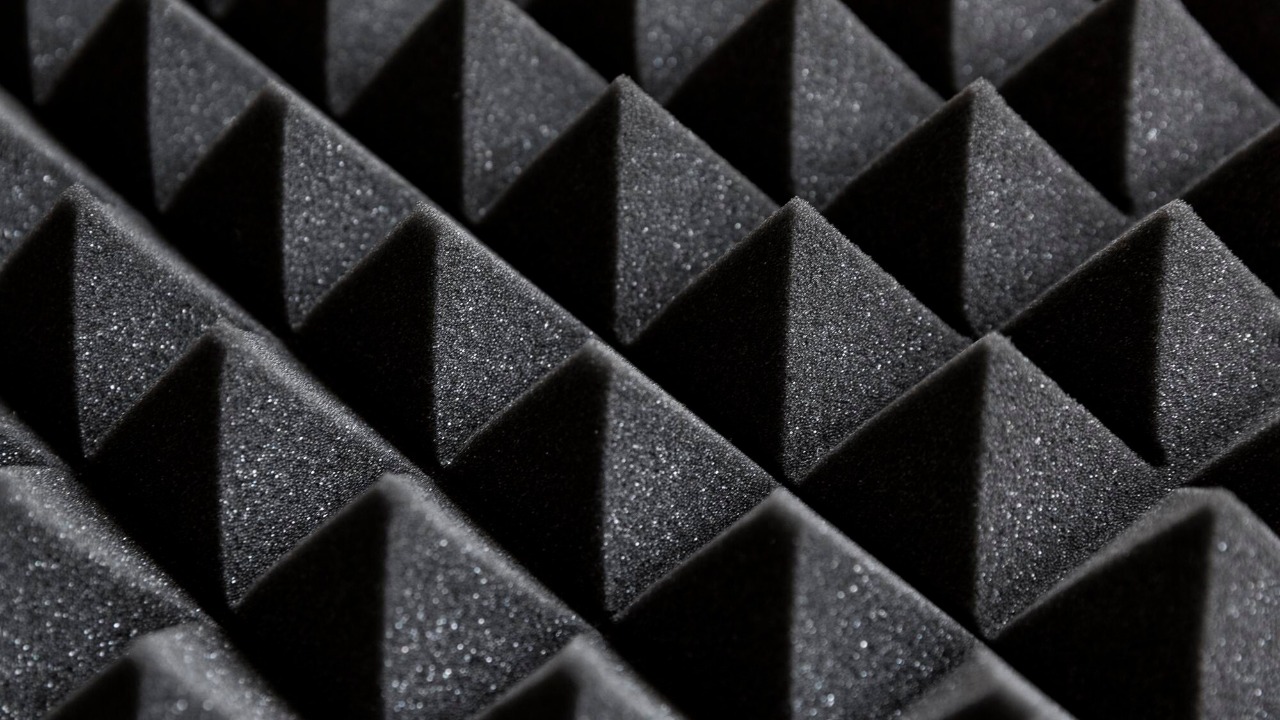
Traditional sound blocking methods involve the use of materials like fiberglass, foam, and mineral wool that absorb sound waves to reduce noise. This approach, however, often requires substantial thickness and density, which can be inconvenient and costly. The new material, on the other hand, employs a completely different principle. It uses a carefully engineered structure to reflect sound waves, thereby blocking noise without the need for absorption or insulation. This revolutionary material is a testament to the advancements in material science and acoustics.
So, how does this new material block sound without insulation? The answer lies in its unique structure. The material is made up of tiny, interconnected nodes that create a labyrinth for sound waves. These nodes scatter sound waves in various directions, effectively cancelling out the noise. This mechanism is a significant departure from conventional soundproofing techniques that rely on absorption and insulation.
Comparison of Traditional Insulation and New Material
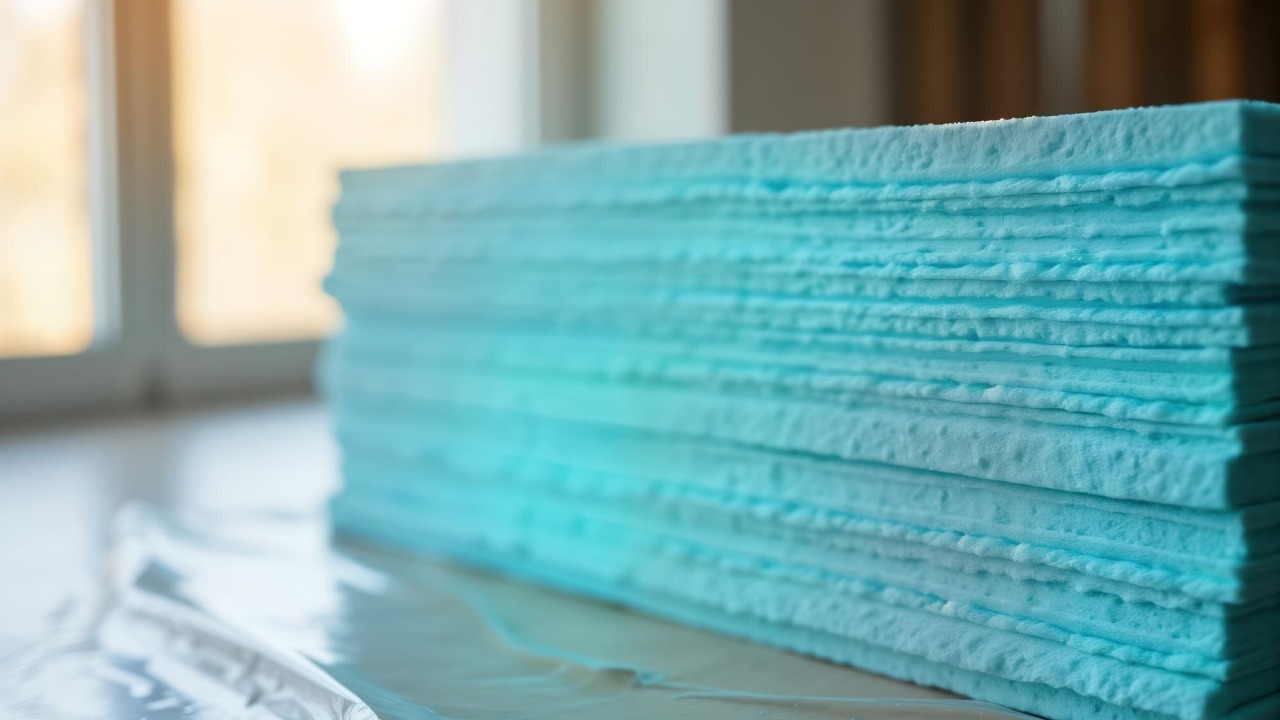
When compared to traditional soundproofing methods, this new material can offer numerous advantages. Traditional insulation materials like foam or fiberglass need to be thick and dense to effectively absorb sound, often leading to increased construction costs and reduced living space. The new material, however, can achieve superior sound blocking with a much thinner and lighter structure, offering both cost and space savings.
In terms of performance, the new material can match or even surpass traditional insulation. Its unique structure can reflect a wide range of sound frequencies, making it effective against various types of noise. Additionally, because it does not rely on absorption, its performance does not degrade over time. Considering these attributes, the new material could be a highly cost-effective solution for soundproofing applications.
Potential Applications of the New Material
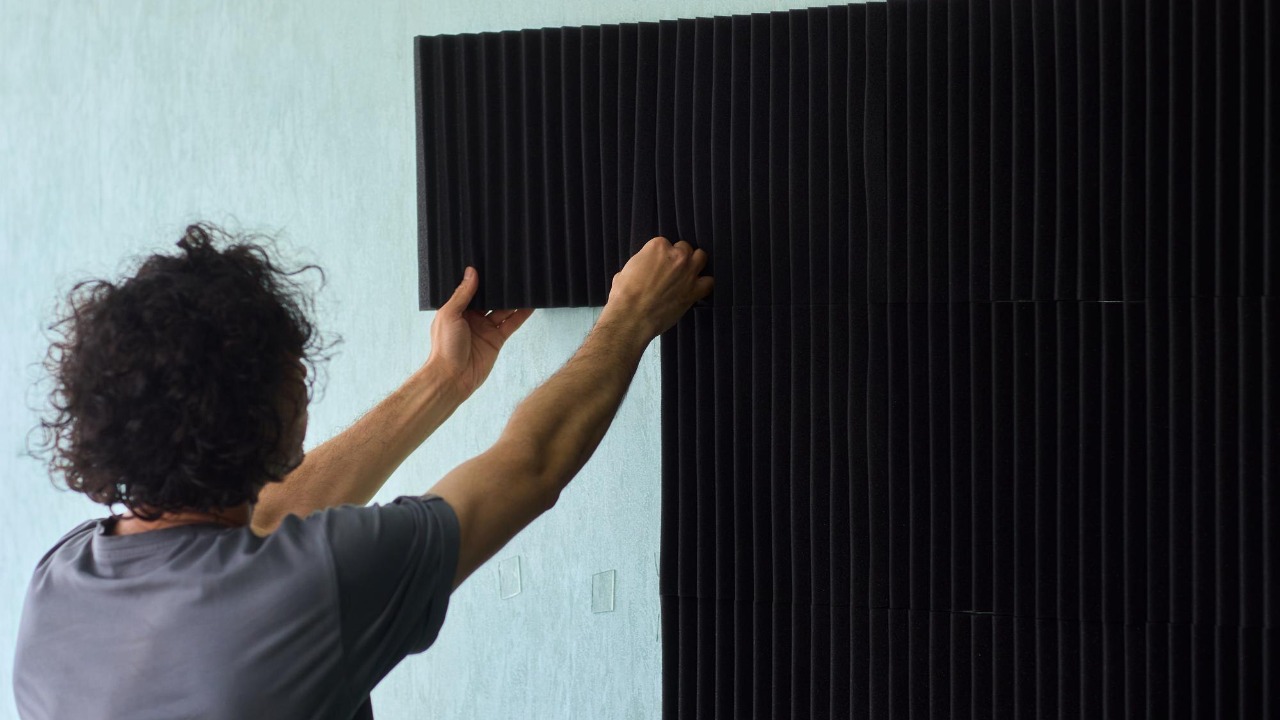
One of the most promising applications of this new material is in the construction industry. With its superior sound-blocking capabilities and lightweight structure, it could be used to soundproof buildings without compromising on space or aesthetics. This could be particularly beneficial in urban areas where noise pollution is a major concern.
Furthermore, the material could have significant potential in the electronics and audio equipment manufacturing industries. For example, it could be used to improve the sound quality of headphones and speakers by blocking unwanted noise. It could also be used to reduce the noise produced by electronic devices, providing a quieter and more pleasant user experience.
In addition, this material can serve as an ideal solution for soundproofing personal spaces like bedrooms without causing any damage. The material can be easily installed and removed, making it a suitable choice for renters who require a temporary soundproofing solution. Here’s an interesting discussion on this topic.
Challenges and Opportunities in Implementing the New Material
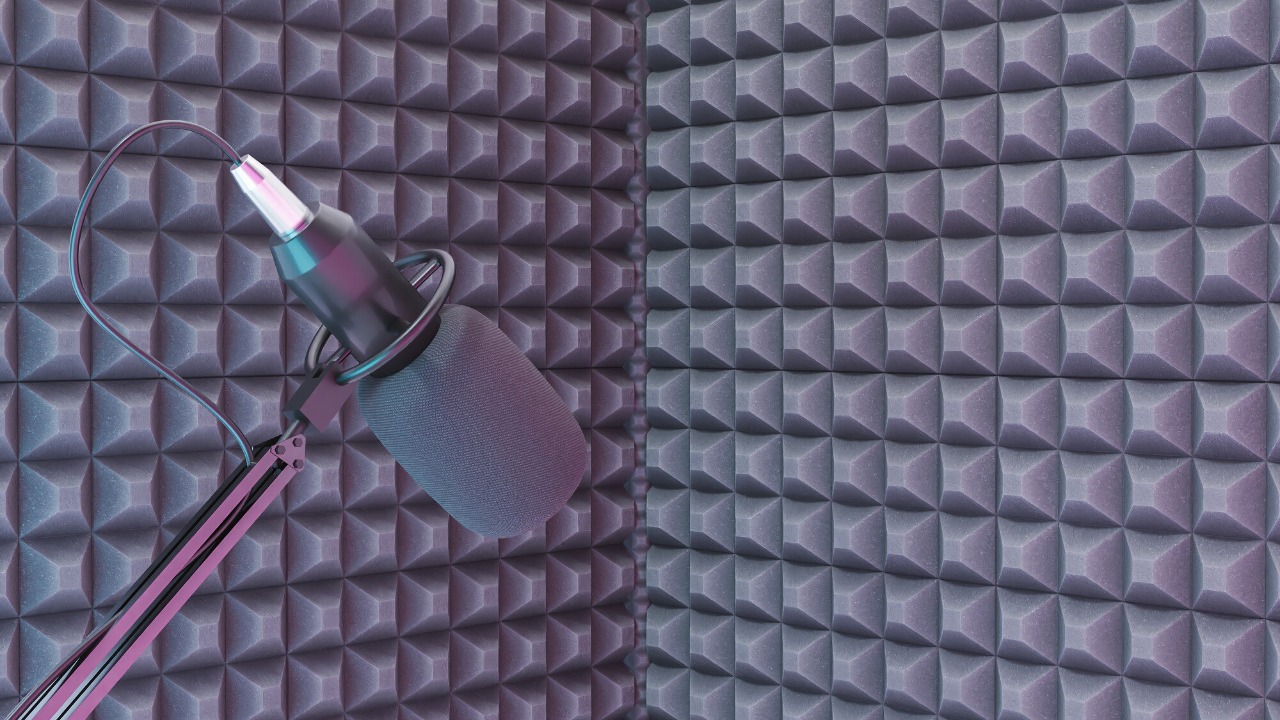
While the new material offers numerous advantages, it also poses certain challenges. One of the key issues is the potential difficulty in mass-producing the material at a competitive cost. However, with advancements in manufacturing technologies, it is possible that these challenges can be overcome.
From an environmental perspective, the new material could potentially have a lower impact than traditional insulation materials. Unlike traditional insulators that can release harmful substances during production and disposal, the new material is made from safe and recyclable materials. This makes it a more environmentally friendly option.
Furthermore, the development of this material opens up opportunities for further research and development. Scientists can explore ways to enhance its performance, reduce its production cost, and diversify its applications. This could lead to the development of more advanced sound-blocking materials and technologies in the future.
Implications of this Technology for the Future
There’s no doubt that this material could have far-reaching implications for the future. In the soundproofing industry, it could replace traditional insulation materials, leading to more efficient and cost-effective solutions. It could also promote the development of quieter and more comfortable living and working environments.
Furthermore, the impact of this material could extend beyond the soundproofing industry. It could influence design and manufacturing processes in various sectors, including electronics, automotive, and aerospace. For instance, it could lead to the production of quieter electronics, cars, and airplanes, improving our daily experiences.
As we look to the future, it’s exciting to speculate on other advancements in sound-blocking materials and technologies that might arise from this development. With continued research and innovation, we can expect to see more breakthroughs in this field that could further enhance our quality of life.
