The world of science is always in a state of flux, evolving and growing with each new discovery. Recently, the race to create the blackest material has seen an exciting development. A newly created material has now surpassed even Vantablack, absorbing an unprecedented 99.9% of light.
Understanding Light Absorption

Light absorption is a fundamental concept in physics. It refers to the process by which an object absorbs photons, or particles of light, converting them into other forms of energy, often heat. This process is critical to numerous scientific and technological applications, from solar energy to telecommunications, and is thus a significant area of research.
Scientists measure light absorption using a variety of tools and techniques. One common method involves shining a light onto a material and measuring the intensity of the light that passes through or is reflected back. The difference between the initial and final light intensities gives the absorption rate. The importance of light absorption spans various scientific fields, including astronomy, medicine, and climate science. For instance, understanding how different gases in the atmosphere absorb light can help us model and predict climate change.
Previous Record: Vantablack
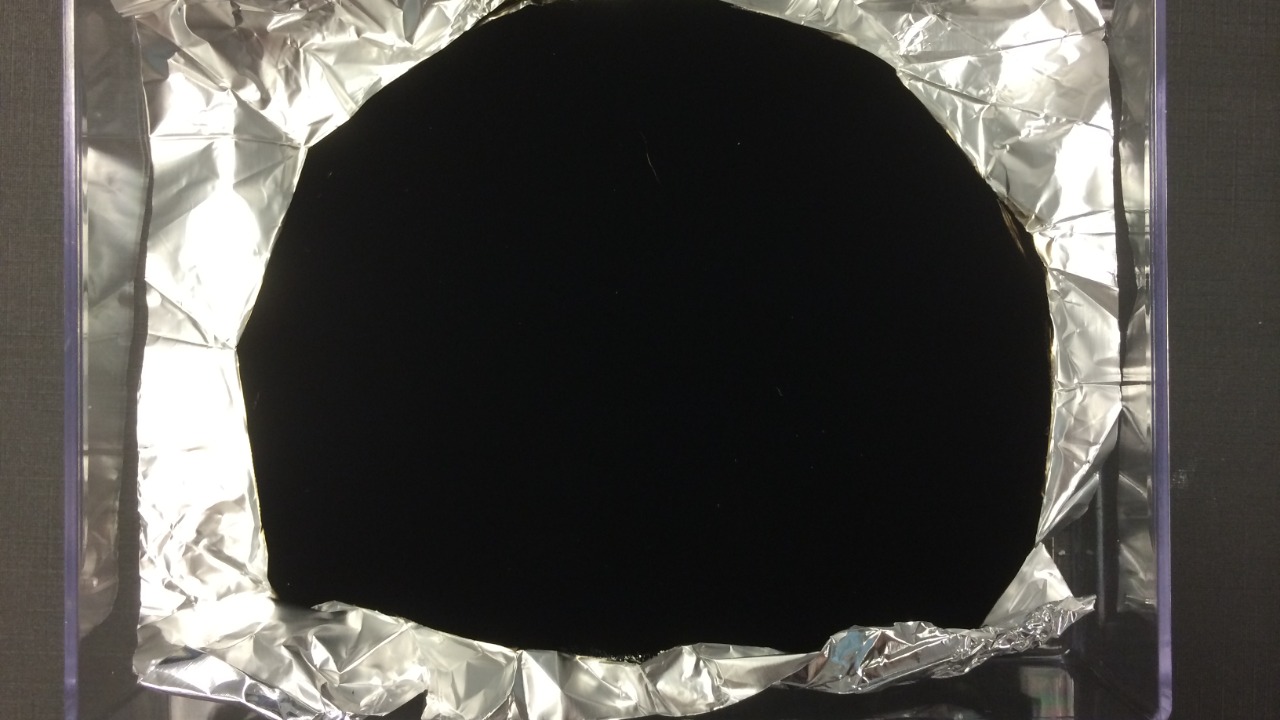
The previous record holder for the most light-absorbing material was Vantablack. This material, developed by Surrey NanoSystems, is composed of a forest of tiny carbon nanotubes. These tubes trap incoming light and prevent it from escaping, leading to an absorption rate of 99.965%.
Vantablack has been used in a variety of applications, from high-performance infrared cameras to astronomical telescopes. However, this material also has its limitations. For one, it’s challenging to manufacture and apply, requiring high temperatures and vacuum conditions. Its fragility also limits its use in more robust applications.
The New Champion: Material X
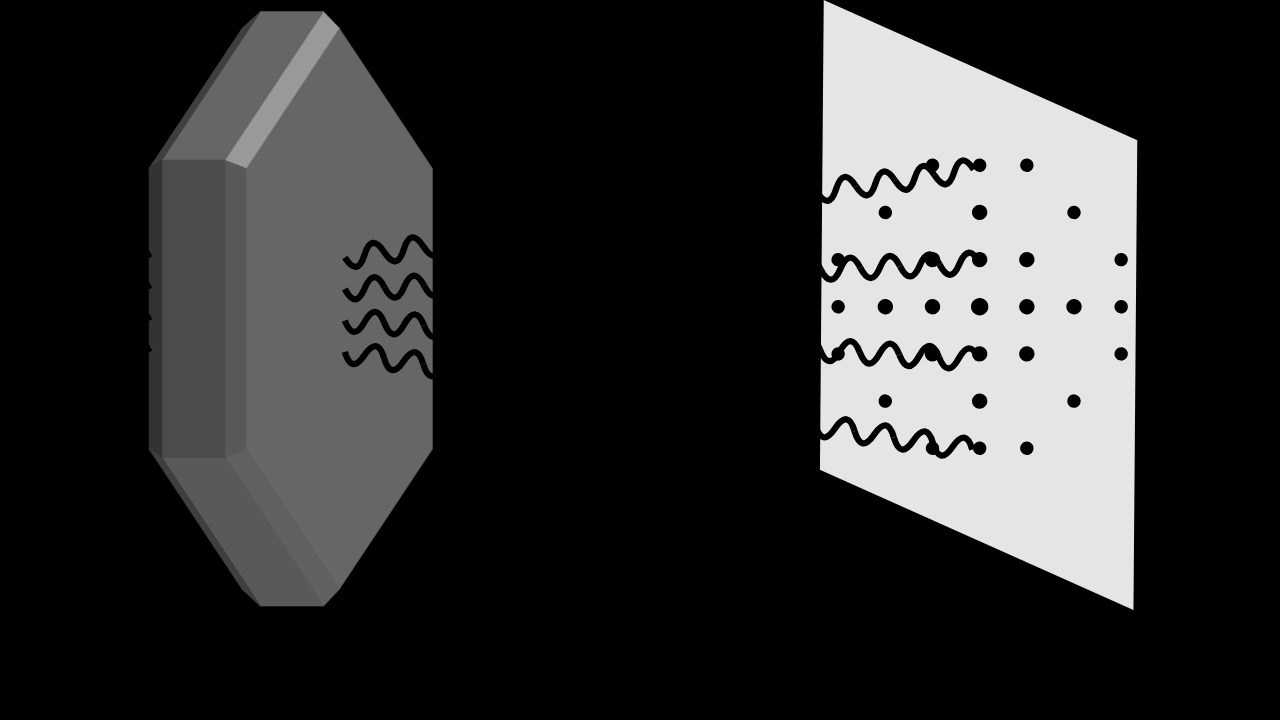
Enter the new champion in light absorption: Material X. This material, while not officially named, has been able to absorb an impressive 99.9% of light. It does so by similar means as Vantablack, using a nanostructure to trap light. However, the exact details of the structure and composition of Material X remain a closely guarded secret.
When compared to Vantablack, Material X demonstrates a slightly higher absorption rate. This small increase may not seem significant, but in applications where every fraction of a percent matters, it could make a substantial difference. For example, in astronomical telescopes, where maximizing light absorption can mean the difference between spotting a distant galaxy and missing it entirely.
Applications of Material X

Material X’s superior light-absorption capabilities open up a range of potential applications. In astronomy, it could improve the sensitivity of telescopes and other observational instruments. In the military, it could be used to create ultra-stealthy vehicles or uniforms.
However, like any material, Material X isn’t perfect. Its manufacture and application could present challenges, especially if it requires similar conditions to Vantablack. Moreover, it’s worth noting that high light absorption doesn’t always translate to practical utility. The material’s other properties, such as its thermal stability and mechanical strength, will also play a crucial role in determining its applications.
Future Prospects of Light Absorbing Materials
Research and development in the field of light-absorbing materials is ongoing. Scientists are continually looking for new ways to improve the light absorption capabilities of materials, whether through novel compositions, structures, or manufacturing processes. The development of Material X is a testament to this relentless pursuit of progress.
In the future, we can expect to see an even greater impact of materials like Material X. Their potential applications extend far beyond the examples given here, into fields like energy generation, sensor technology, and even art. As this exciting area of science continues to evolve, we can look forward to a future where the boundaries of what’s possible are continually being redefined.
For those interested in delving deeper into the fascinating world of light-absorbing materials, I recommend checking out this Cosmos Magazine piece on creating a blacker black, or this NBC News article about the new blackest black material. There’s also a Reddit thread where folks share their thoughts on a watch made of Vantablack that absorbs 99.9% of light, making it one of the most fascinating applications of light-absorbing materials in the real world.
