Recent discoveries on Saturn’s moon have captivated the scientific community, revealing potential signs of life. This groundbreaking finding could reshape our understanding of life’s existence beyond Earth and offers an exciting glimpse into the possibilities of extraterrestrial life within our solar system.
The Discovery of Possible Life Signs
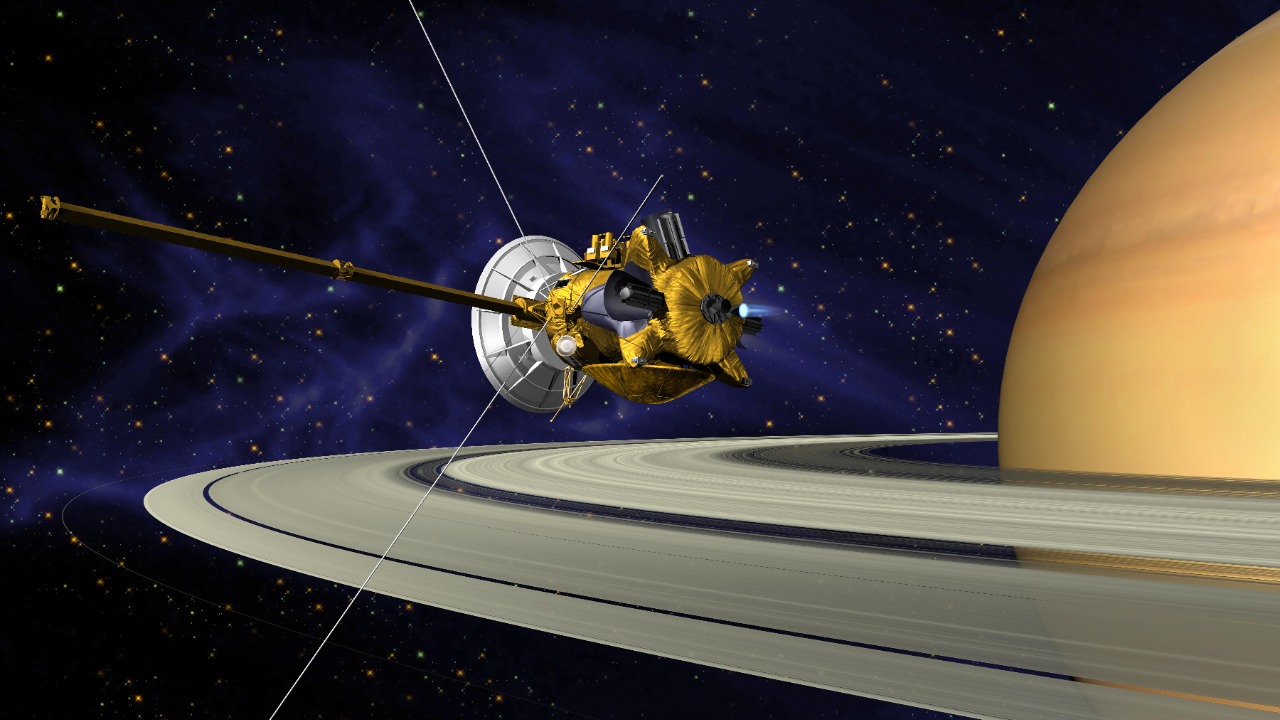
It was a mission of monumental importance that led to one of the most exciting discoveries in recent space exploration. The Cassini-Huygens mission, a collaborative project involving NASA, the European Space Agency, and the Italian Space Agency, has been pivotal in gathering data from Saturn and its moons. With advanced technology onboard, the mission has provided unprecedented insights into the conditions and chemistry of these distant celestial bodies. The detection of potential life signs is a testament to the role of space missions in expanding our understanding of the universe.
Key findings from the exploration of Saturn’s moon Enceladus have revealed the presence of specific molecules and compounds indicative of life. These include hydrogen, carbon dioxide, and organic molecules, which are often associated with biological processes. The discovery of these elements suggests that Enceladus, with its subsurface ocean, might harbor conditions suitable for life. Such revelations are reshaping the scientific narrative about where life might exist beyond Earth.
Saturn’s Moon: An Overview
Saturn boasts a fascinating collection of moons, with Titan and Enceladus standing out as prime targets for studying potential extraterrestrial life. Titan, the largest of Saturn’s moons, possesses a dense atmosphere and surface lakes of liquid methane, creating an intriguing environment for prebiotic chemistry. Enceladus, though smaller, has garnered attention due to its geysers that spew water vapor and ice particles, hinting at a subsurface ocean beneath its icy crust.
When compared to other celestial bodies, Saturn’s moons offer unique environments that differ significantly from previously studied moons and planets. For instance, Titan’s thick atmosphere and the hydrocarbon lakes on its surface present a contrast to the barren landscapes of our Moon or the dry surface of Mars. Similarly, Enceladus’s active geysers and potential subsurface ocean set it apart as a candidate for life in a way that few other moons in our solar system can match.
Chemical Biosignatures as Indicators of Life
In the search for extraterrestrial life, chemical biosignatures serve as critical indicators. These are specific molecules that suggest the presence of biological processes. Scientists look for these signs in the atmospheres and surfaces of celestial bodies, interpreting them as potential evidence of life. The presence of certain gases or organic compounds, particularly in environments where they are not typically stable, can hint at biological activity.
Recent research has highlighted new chemical biosignatures that could indicate life. For instance, the detection of methane in the plumes of Enceladus, along with complex organic molecules, has spurred discussions about possible life forms beneath its icy surface. These findings have significant implications for future explorations, as they guide scientists in identifying promising targets for studying potential life beyond Earth. For more on these discoveries, click here.
The Implications for Astrobiology
The implications of these findings for the field of astrobiology are profound. The potential discovery of life on Enceladus or Titan could lead to a paradigm shift in our understanding of life in the universe. It challenges the notion that Earth is unique in its ability to support life and opens new avenues for scientific inquiry. Textbooks on life in the universe may need to be rewritten to incorporate these groundbreaking discoveries.
Astrobiology is poised to play a crucial role in future space missions, guiding the search for life beyond Earth. Space exploration agencies are likely to prioritize missions to planets and moons with promising biosignatures, focusing on the conditions necessary for life. These efforts will require international collaboration, as the resources and expertise needed to explore these distant worlds are immense. For more on this topic, visit here.
Challenges and Controversies

Despite the excitement surrounding these discoveries, there is a healthy degree of skepticism within the scientific community. Some researchers caution against jumping to conclusions, emphasizing the need for more data to confirm the presence of life. There are differing opinions on the interpretation of the data collected from Saturn’s moons, and ongoing debates highlight the complexities of confirming extraterrestrial life.
Additionally, exploring extraterrestrial life presents both technical and ethical challenges. Scientists must balance the desire for advancement with the protocols of planetary protection, ensuring that missions do not inadvertently contaminate these pristine environments. These challenges require careful planning and consideration to ensure that scientific exploration does not compromise the integrity of potential life forms on other worlds. For further reading, check this resource.
Future Explorations and Missions
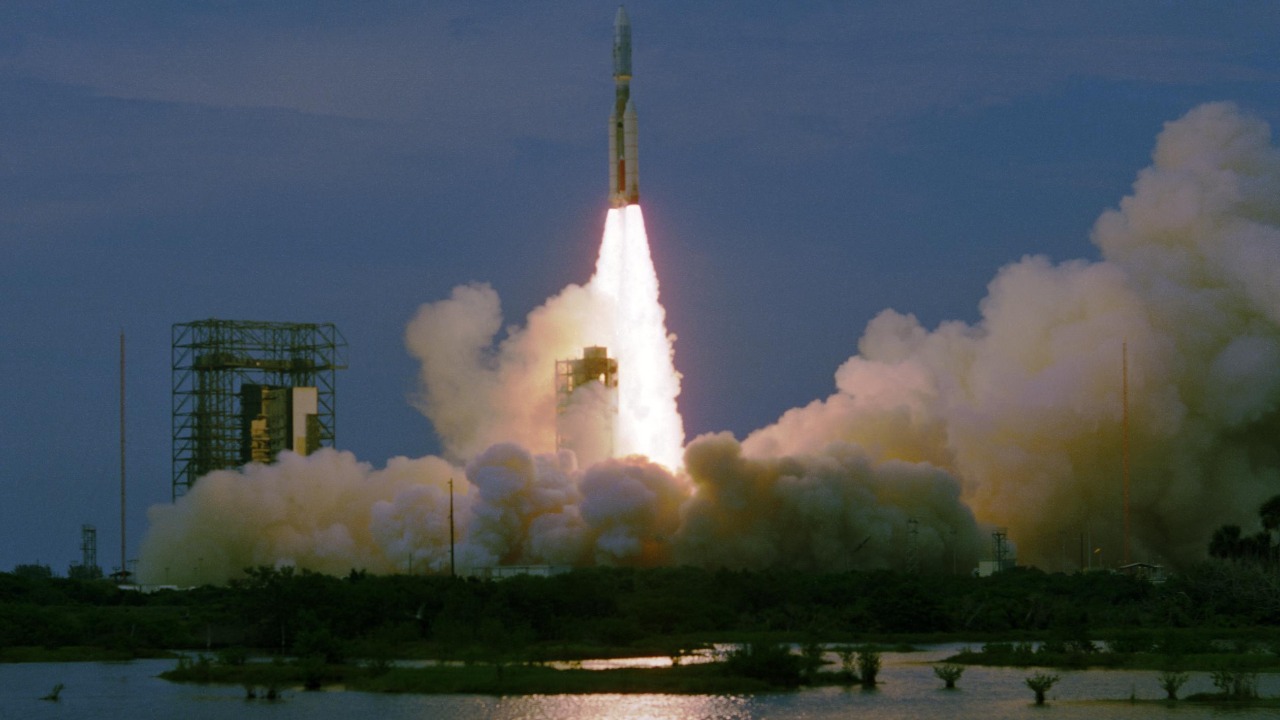
In light of these promising findings, several missions are being planned to further investigate Saturn’s moons. NASA’s Dragonfly mission to Titan, scheduled for the mid-2030s, aims to study the moon’s surface and atmosphere in greater detail. This mission hopes to uncover more about the chemical processes occurring on Titan and assess its potential for harboring life. Similarly, further missions to Enceladus are being considered to analyze its plumes and subsurface ocean.
International collaboration will be critical for the success of these missions, as pooling resources and expertise from multiple countries will enhance the chances of groundbreaking discoveries. Global partnerships, such as those seen in the Cassini-Huygens mission, demonstrate the importance of working together in the quest to explore and understand our universe. For additional insights into the potential for life on these moons, click here.
