In the dynamic realm of smartphone photography, new technological advancements are continuously reshaping the limits of what we can achieve. The newest game-changer is a lens that can penetrate fog, potentially revolutionizing how we capture images under foggy weather conditions.
The Problem with Fog in Smartphone Photography

Fog has always posed a significant challenge to photographers, especially those using smartphones. The tiny droplets of water suspended in the air can greatly reduce visibility, resulting in blurred, unclear images. Many smartphone users have shared their struggles with foggy lenses on platforms like Reddit and JustAnswer.
Over the years, attempts have been made to mitigate this problem. Some have experimented with different camera settings, such as adjusting the exposure, contrast, or white balance. Others have turned to post-processing techniques, using photo editing apps to enhance visibility in foggy photos. However, these methods have their limitations and often fail to fully address the issue.
The Development of the Fog-Penetrating Lens
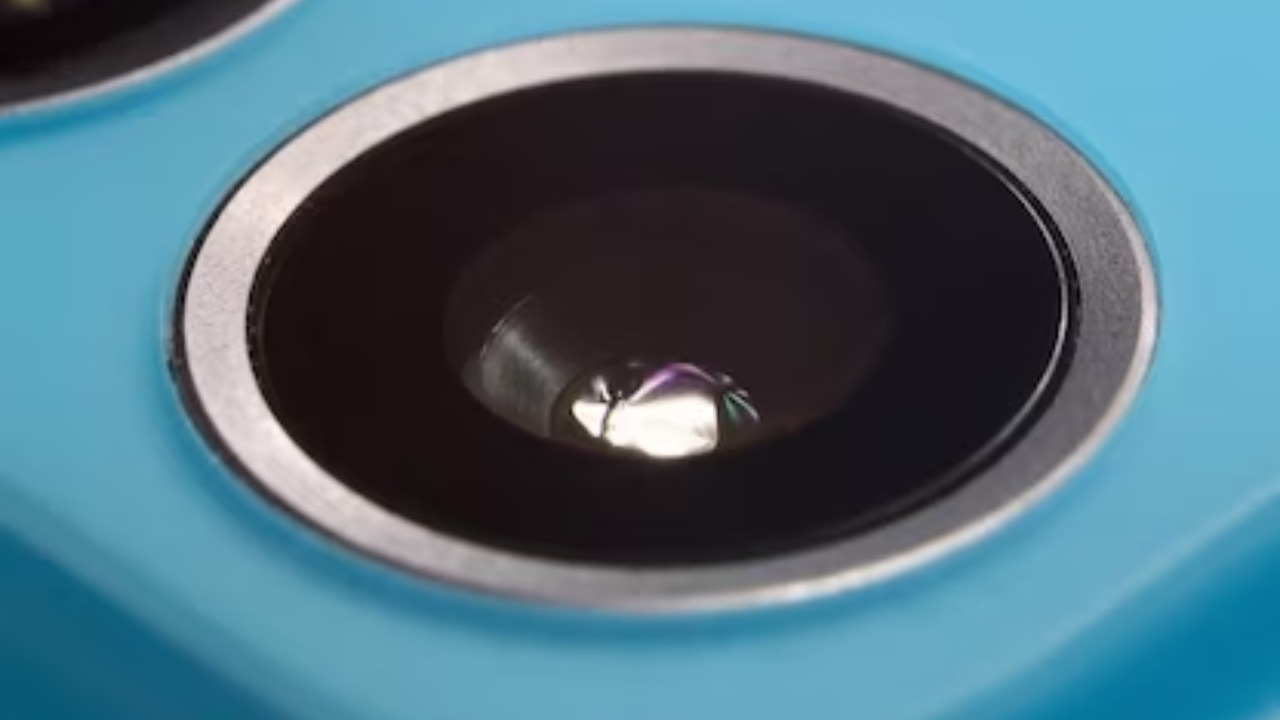
The development of the fog-penetrating lens is a significant step forward in addressing the fog issue in smartphone photography. This lens technology works by utilizing a specific wavelength of light that can penetrate fog, thus improving image clarity even in foggy conditions. The research and development process that led to this innovative lens involved extensive testing under various conditions, ensuring its effectiveness.
One of the challenges in the development of this lens was to ensure that it could work effectively with the compact and lightweight design of smartphones. It was crucial to create a lens that was not only capable of cutting through fog but also easy to integrate into existing smartphone designs. The final result is a versatile lens that can enhance the capabilities of smartphone cameras, without adding any significant weight or bulk.
Comparisons with Other Lens Technology
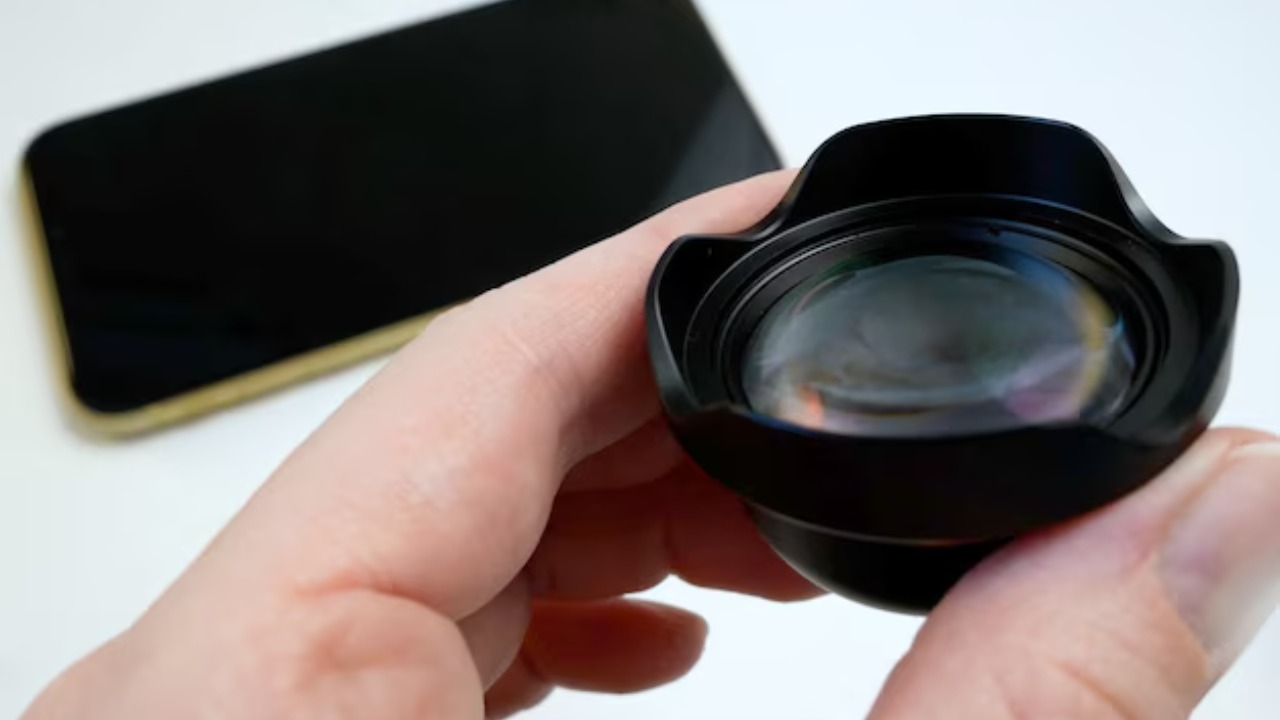
The fog-penetrating lens can be compared to other specialized lenses, such as those used for night photography. Night photography lenses are designed to capture more light, enhancing visibility in low-light conditions. But unlike the fog-penetrating lens, they do not have the ability to cut through atmospheric particles like fog. Wired has an insightful video explaining how night photography on phones has evolved over the years.
There are many factors to consider when comparing different lens technologies. Each type of lens has its strengths and limitations, and the best choice often depends on the specific shooting conditions. For example, in foggy conditions, the fog-penetrating lens is clearly superior. However, in low-light scenarios, a night photography lens might be more suitable.
User Experiences with the Fog-Penetrating Lens
Initial user reviews of the fog-penetrating lens have been largely positive. Many users have been impressed by its ability to improve image clarity in foggy conditions, and some have even shared their amazing photos online. However, like any new technology, the fog-penetrating lens is not without its issues. Some users have reported difficulties in adjusting the lens settings, while others have expressed concerns about its durability.
Despite these potential issues, most users have found the fog-penetrating lens to be a valuable addition to their smartphone photography toolkit. For those encountering problems, there are numerous online resources and forums where users can share troubleshooting tips and advice.
5. Implications for the Future of Smartphone Photography
The introduction of the fog-penetrating lens is a significant milestone in the evolution of smartphone photography. It opens up new possibilities for capturing images in challenging weather conditions, and paves the way for further advancements in lens technology. Just as monoculars have revolutionized bird watching and hunting, this lens could change how we perceive and interact with our environment through our smartphones.
Looking towards the future, it’s exciting to speculate on what other advancements may be on the horizon. Might we see lenses that can see through other atmospheric phenomena, like rain or snow? Or perhaps we’ll see the development of lenses that can capture images in extreme conditions, like underwater or in high temperatures. Whatever the future holds, it’s clear that the world of smartphone photography is set to become even more exciting and diverse.
