
The invisible light spectrum, encompassing ultraviolet and infrared wavelengths, has long beguiled the human eye. A revolutionary lens technology is now making this unseen light accessible, heralding a new era in vision enhancement, surveillance capabilities, and scientific exploration.
Understanding Invisible Light
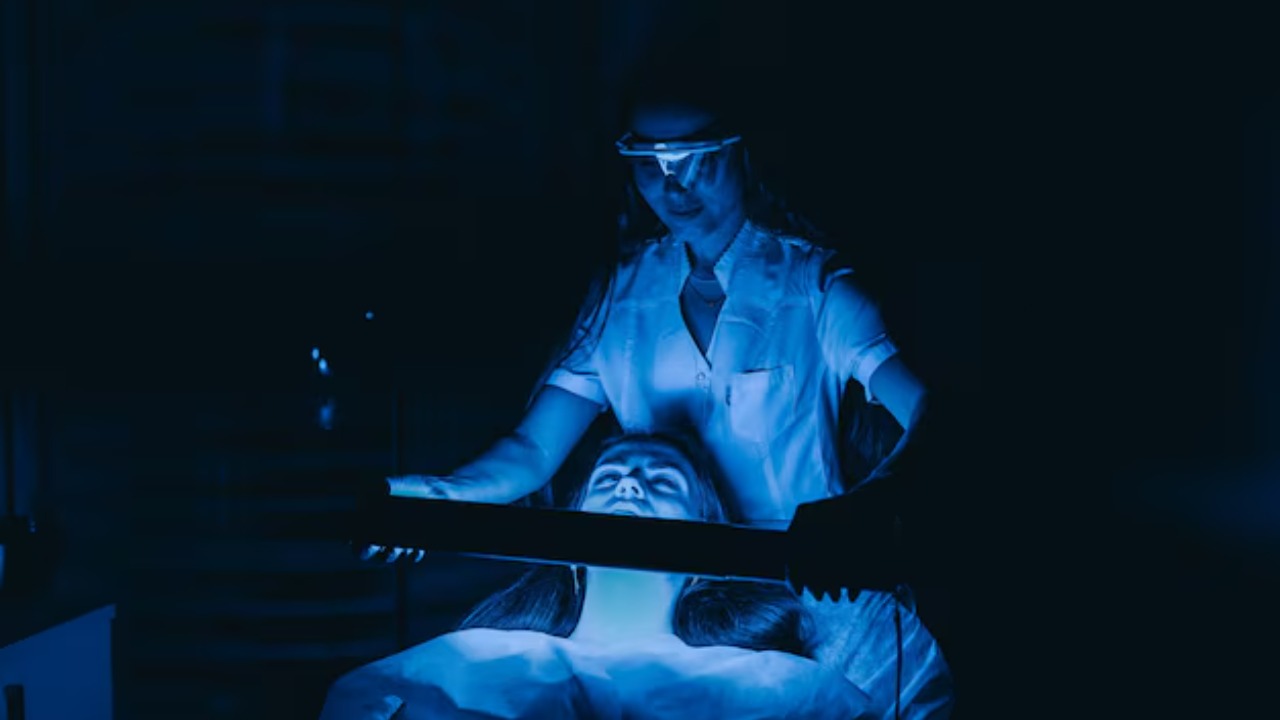
Ultraviolet (UV) and infrared (IR) light exist on opposite ends of the light spectrum, beyond the range of human vision. UV light has a shorter wavelength and higher energy than visible light, often associated with sunburn and skin damage. On the other hand, IR light has a longer wavelength and less energy, emitted as heat by objects around us.
Our eyes are only sensitive to a small portion of the light spectrum, leaving UV and IR lights invisible to us. However, the ability to perceive these invisible lights holds immense potential. From medical imaging to night vision, and even art restoration, UV and IR lights can reveal what is otherwise hidden from the naked eye.
The Breakthrough in Lens Technology
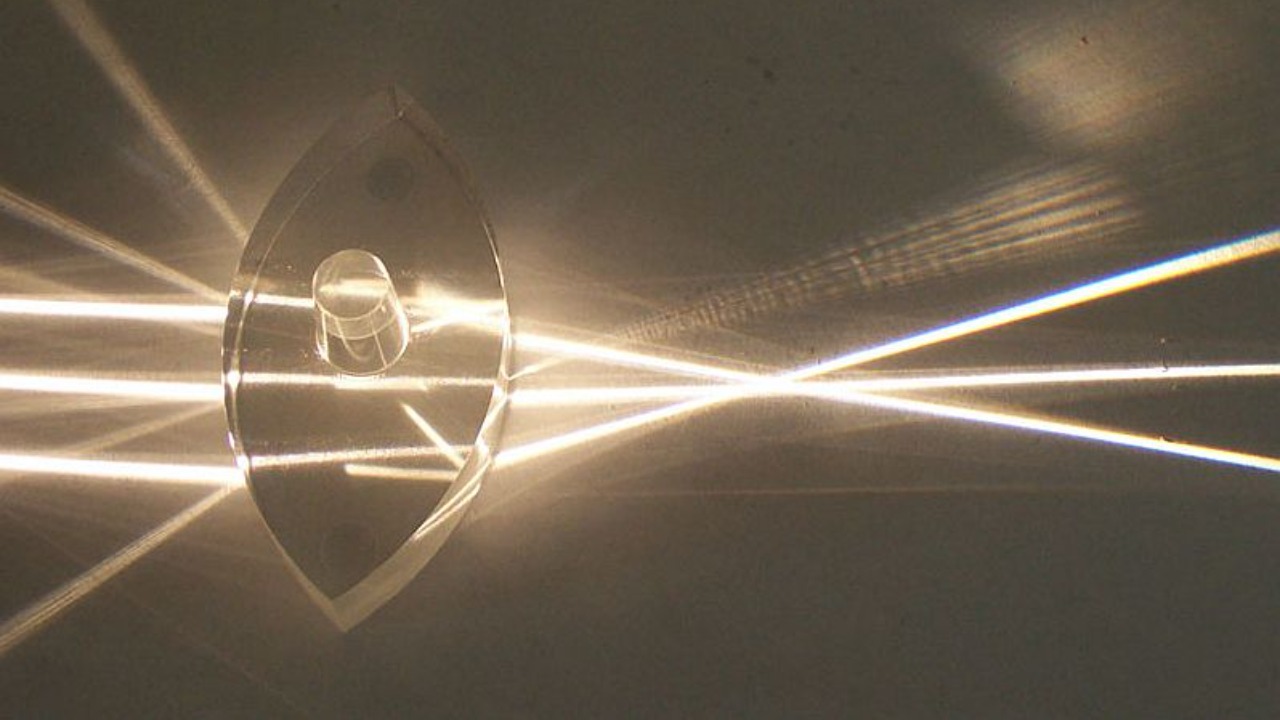
A new lens technology allows us to capture these unseen light spectra. This lens, made from specially engineered materials, absorbs UV and IR light and translates them into wavelengths visible to the human eye. The science behind this lens is rooted in metasurface technology, where the lens surface is structured on a microscopic level to manipulate light in unprecedented ways.
The development of this lens wasn’t without its challenges. Balancing the lens’s ability to absorb and translate UV and IR light, while maintaining clarity for visible light, required meticulous research and development. However, the breakthrough has now made it possible to visualize what was once invisible.
Application of the New Lens in Everyday Life
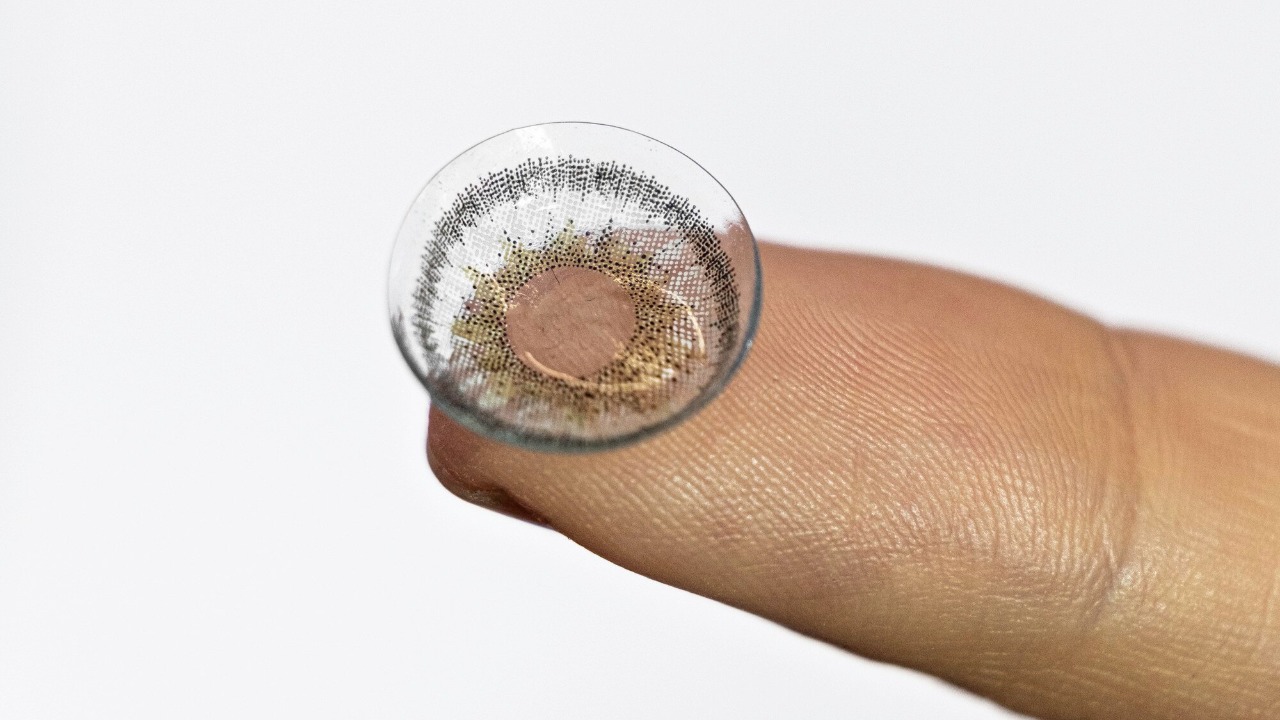
The potential applications of this new lens technology in everyday life are numerous. Imagine seeing in the dark with the naked eye, or spotting a UV mark on a banknote without a special device. This could become a reality if these lenses are incorporated into everyday eyewear or contact lenses. In fact, a recent study demonstrated the possibility of achieving infrared vision with contact lenses.
The implications for people with vision impairments are also significant. With the ability to see a broader spectrum of light, those with certain types of color blindness could potentially perceive a richer and more diverse range of colors.
Scientific and Industrial Applications
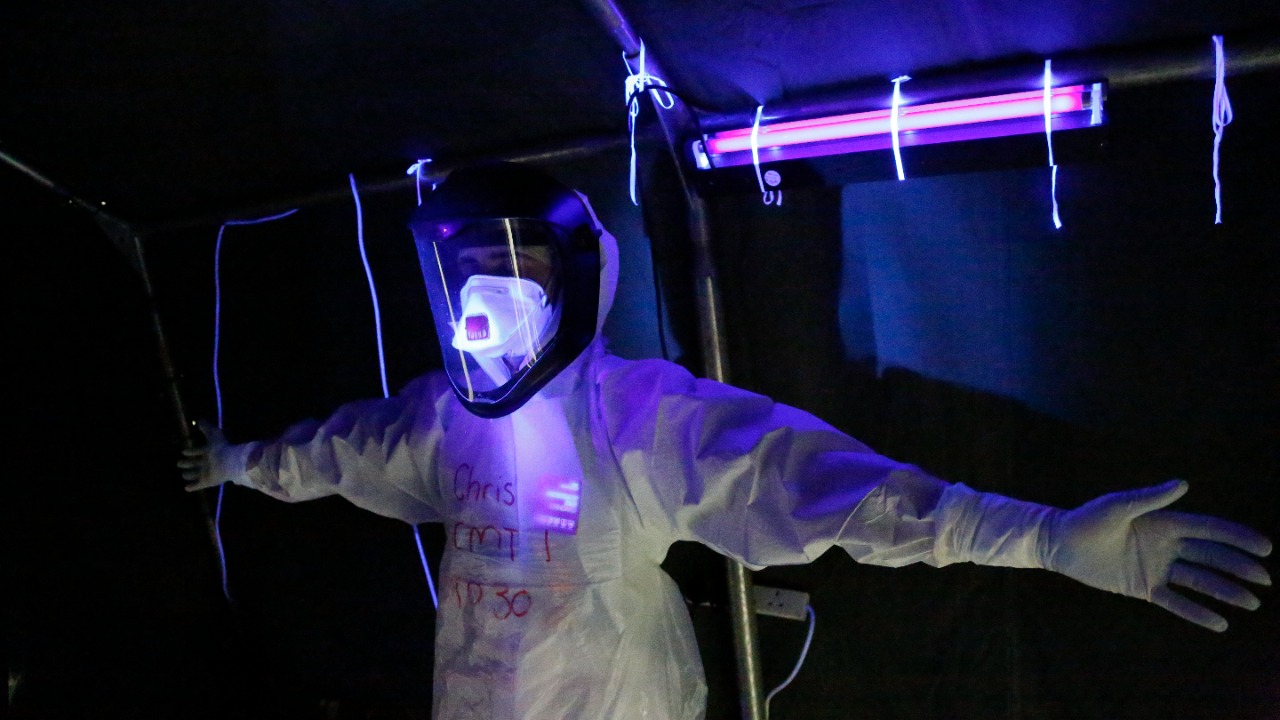
In the realm of scientific research, the ability to visualize UV and IR light could lead to new discoveries and advancements. For instance, UV light can reveal cellular structures and molecular processes that are invisible under normal light, providing valuable insights for biological research.
Moreover, the lens could revolutionize surveillance and security systems, allowing for clearer vision in low light conditions. Industries such as photography and filmmaking could also benefit from these lenses, capturing images with a depth and quality previously unattainable. In a paper published by Disney Research, the potential for high-quality eye capture using such technology is explored.
Safety and Ethical Considerations

While the potential of this new lens technology is exciting, there are safety and ethical considerations that need to be addressed. Prolonged exposure to UV light can be harmful, causing damage to the skin and eyes. Infrared, although generally considered safe, could potentially cause harm in high doses. Therefore, any application of these lenses would need to incorporate measures to protect the user.
From an ethical standpoint, the ability to see UV and IR light could potentially infringe on privacy and lead to misuse. As we gain access to previously unseen information, appropriate regulations and guidelines will need to evolve to ensure the responsible use of this technology.
