
Imagine a fabric that can cool you down by up to 5°C, providing comfort in hot weather like never before. Recent advancements in textile technology have led to the development of such innovative fabrics, offering potential benefits for personal comfort and energy savings. How does this cooling fabric work, and what are its applications and implications for the future of clothing?
The Science Behind Cooling Fabrics: Radiative Cooling Mechanisms
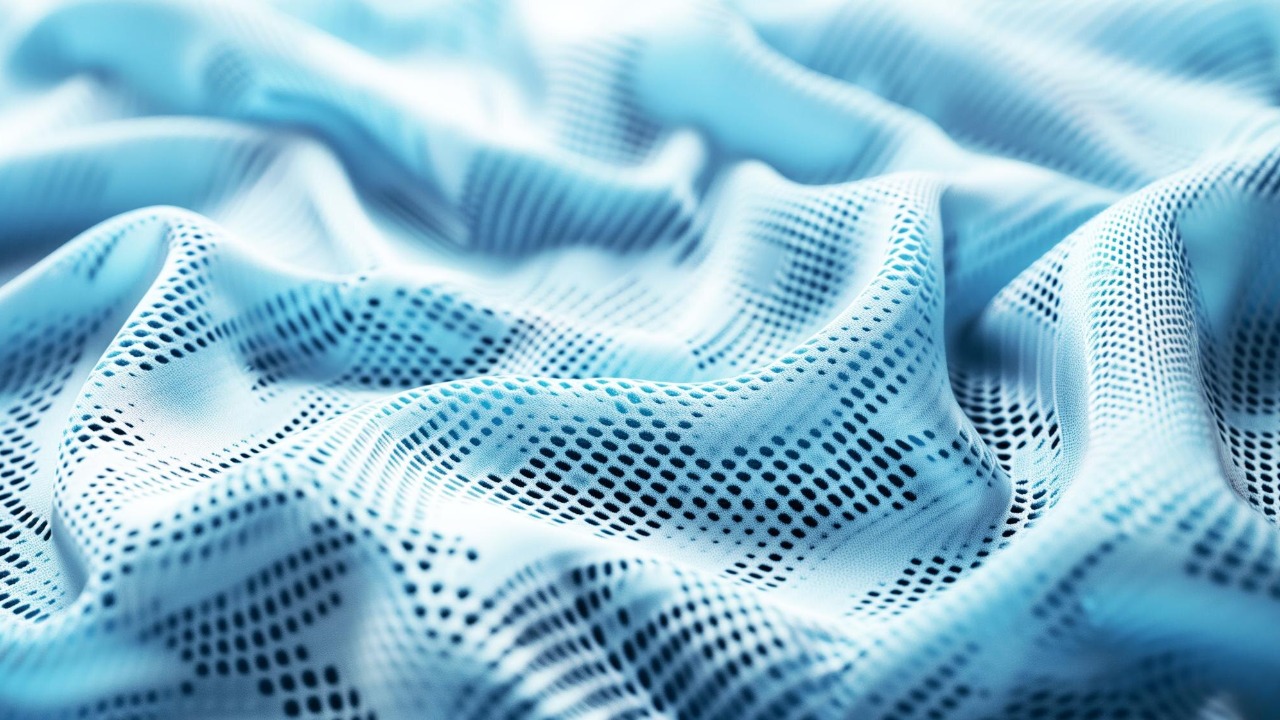
Radiative cooling is a natural process that involves the emission of infrared radiation to dissipate heat. In the context of fabric technology, this principle is harnessed to create materials that can lower body temperature. Unlike traditional cooling methods that rely on absorption and moisture evaporation, radiative cooling fabrics reflect sunlight while also emitting body heat back into the atmosphere. This dual action helps to maintain a cooler body temperature.
One of the key differences between these innovative fabrics and conventional cooling textiles lies in the energy efficiency of radiative cooling. Traditional methods often require external energy inputs or water, whereas radiative cooling operates passively, utilizing the natural emission of thermal radiation. This makes it a sustainable alternative that aligns with the growing demand for eco-friendly solutions in the textile industry. For more on how radiative materials are redefining the industry, check out this comprehensive article.
Material Composition and Design
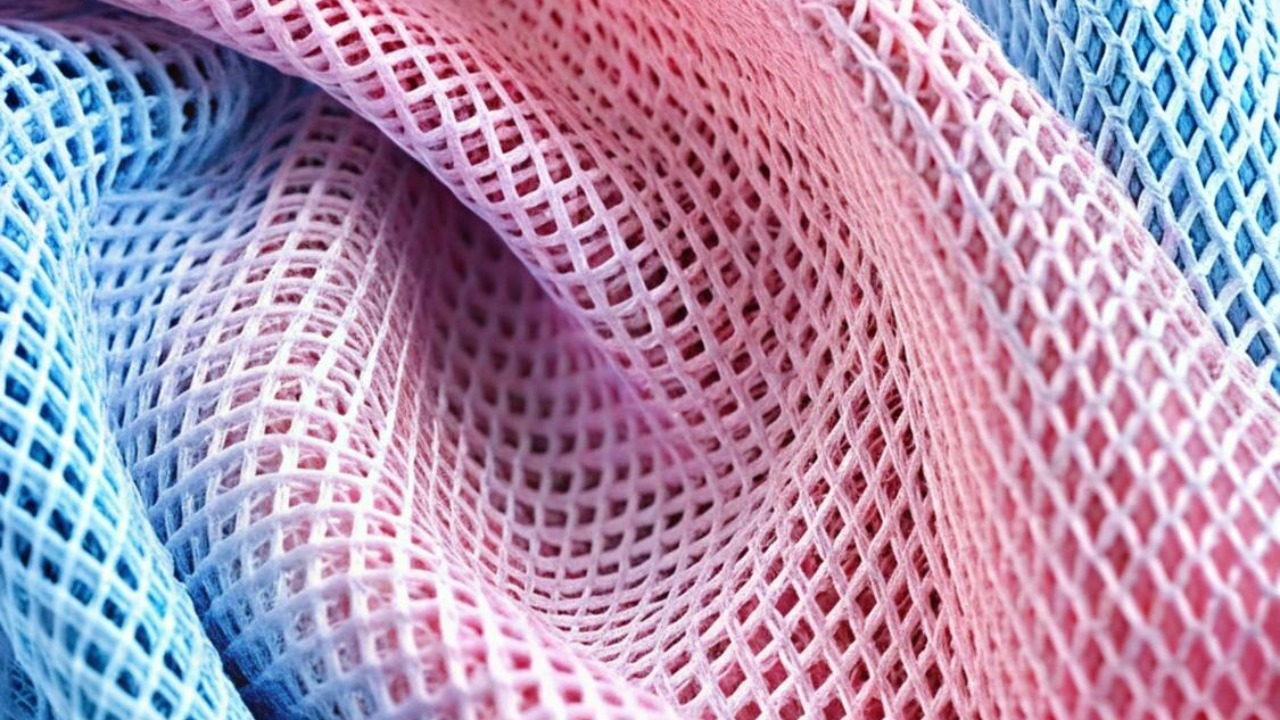
The development of cooling fabrics involves the use of advanced materials such as nanomaterials and polymers. These components are crucial in enhancing the fabric’s ability to regulate temperature. Nanomaterials, due to their unique properties, can significantly increase the fabric’s surface area, improving its capacity to emit heat.
The structural design of these fabrics is equally important. Researchers have engineered specific patterns and textures that facilitate better airflow and heat dissipation. This design intricacy ensures that the fabric remains lightweight and comfortable while maximizing its cooling potential. For a deeper dive into the material composition of these fabrics, you can explore detailed studies like this one.
Personal Comfort and Health

Cooling fabrics offer significant benefits in terms of personal comfort, particularly in everyday wear and athletic apparel. By maintaining a lower body temperature, these fabrics help users feel more comfortable during physical activities and in hot climates. This can be particularly beneficial for athletes, who often perform in challenging environments.
There are also potential health benefits associated with wearing cooling fabrics. By preventing overheating, these fabrics can reduce the risk of heat-related illnesses, which are a growing concern in many parts of the world due to rising temperatures. The impact on health and comfort makes these fabrics an attractive option for a wide range of consumers.
Sustainability and Energy Efficiency

One of the most significant advantages of cooling fabrics is their potential to reduce reliance on air conditioning. By keeping individuals cooler naturally, these fabrics can decrease the need for energy-intensive cooling systems, leading to lower energy consumption and reduced environmental impact.
This energy-saving potential extends beyond personal use. In residential and commercial settings, widespread adoption of cooling textiles could contribute to significant reductions in energy costs and carbon emissions. Such sustainability benefits align with global efforts to combat climate change and promote eco-friendly products.
Consumer Demand and Market Growth
As awareness of cooling fabrics grows, so does consumer interest. The market for these textiles is expanding rapidly, driven by demand from both individual consumers and industries such as fashion and sports. Market trends indicate a rising inclination toward clothing that offers both comfort and functionality.
Forecasts for growth in the cooling fabric sector are optimistic, with expectations for significant adoption across various industries. As more consumers prioritize comfort and sustainability, the market for these innovative textiles is poised to flourish. For a look at some fashion items trending for their practicality, you might find this list of highly recommended white sneakers interesting.
Challenges and Opportunities for Manufacturers
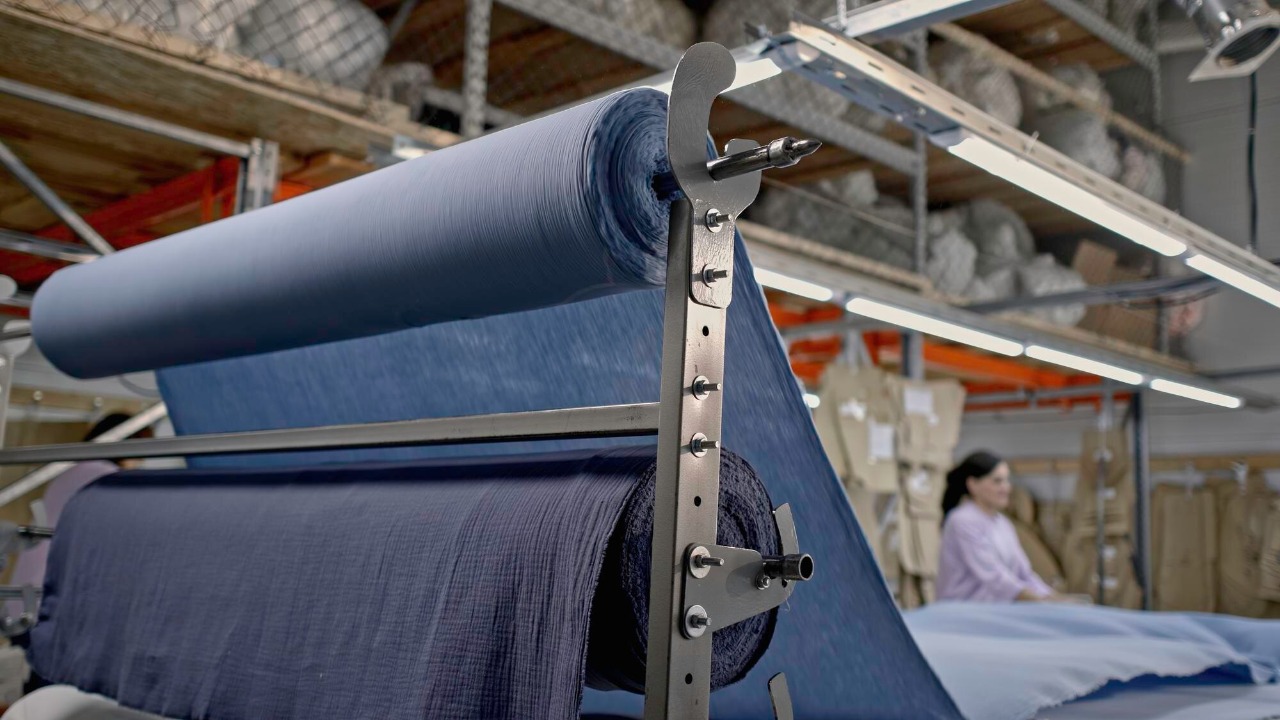
Despite the potential of cooling fabrics, manufacturers face several challenges, including scalability and production costs. Developing these advanced materials can be resource-intensive, requiring significant investment in research and technology. However, as the demand for cooling fabrics grows, manufacturers have the opportunity to innovate and differentiate themselves in a competitive market.
Opportunities for advancement in this field are abundant. By optimizing production processes and exploring new materials, companies can enhance the efficiency and affordability of cooling fabrics, making them accessible to a broader audience. This innovation could lead to new product lines and applications, further driving market growth.
Advancements in Fabric Technology
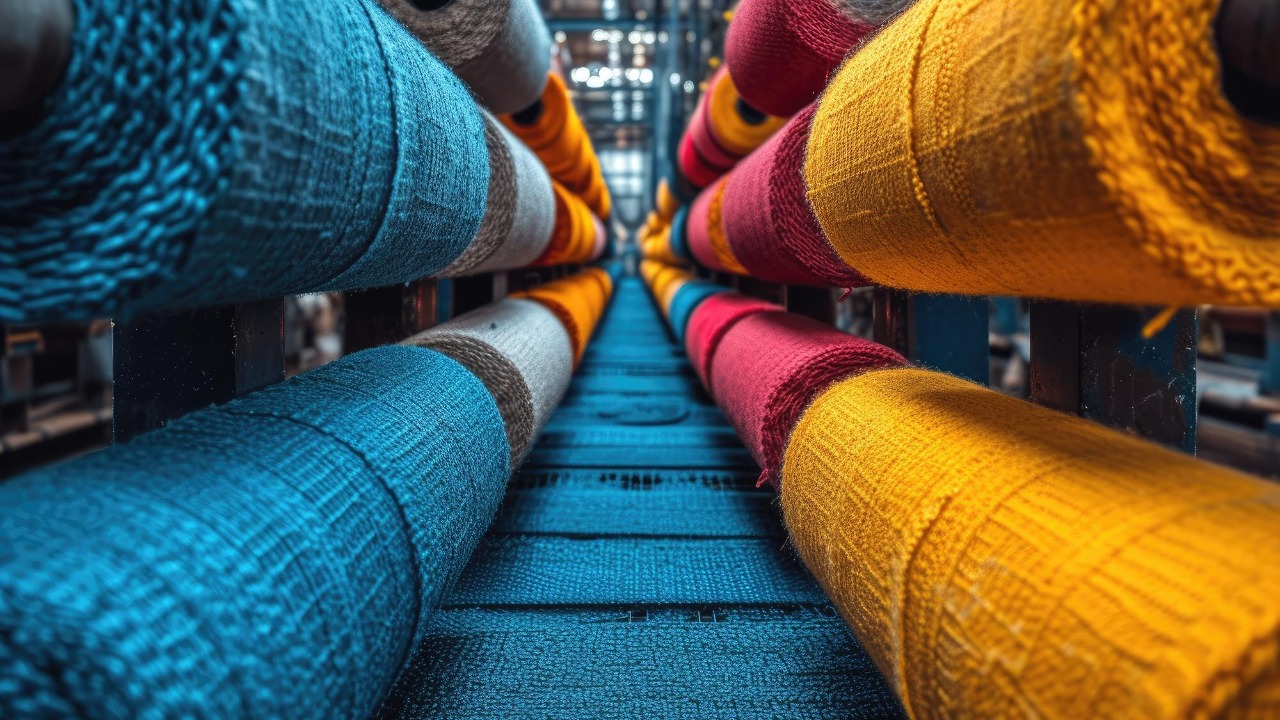
Ongoing research continues to push the boundaries of what cooling fabrics can achieve. Scientists are exploring novel materials and technologies that could lead to even more effective temperature regulation. Future breakthroughs may include the integration of smart textiles that respond dynamically to environmental changes, enhancing their cooling capabilities.
Such advancements could pave the way for a new generation of cooling fabrics that offer improved performance and additional functionalities. The integration of wearable technology with cooling fabrics represents a promising frontier, combining comfort with data-driven insights for personalized climate control.
Broader Implications for Lifestyle and Fashion
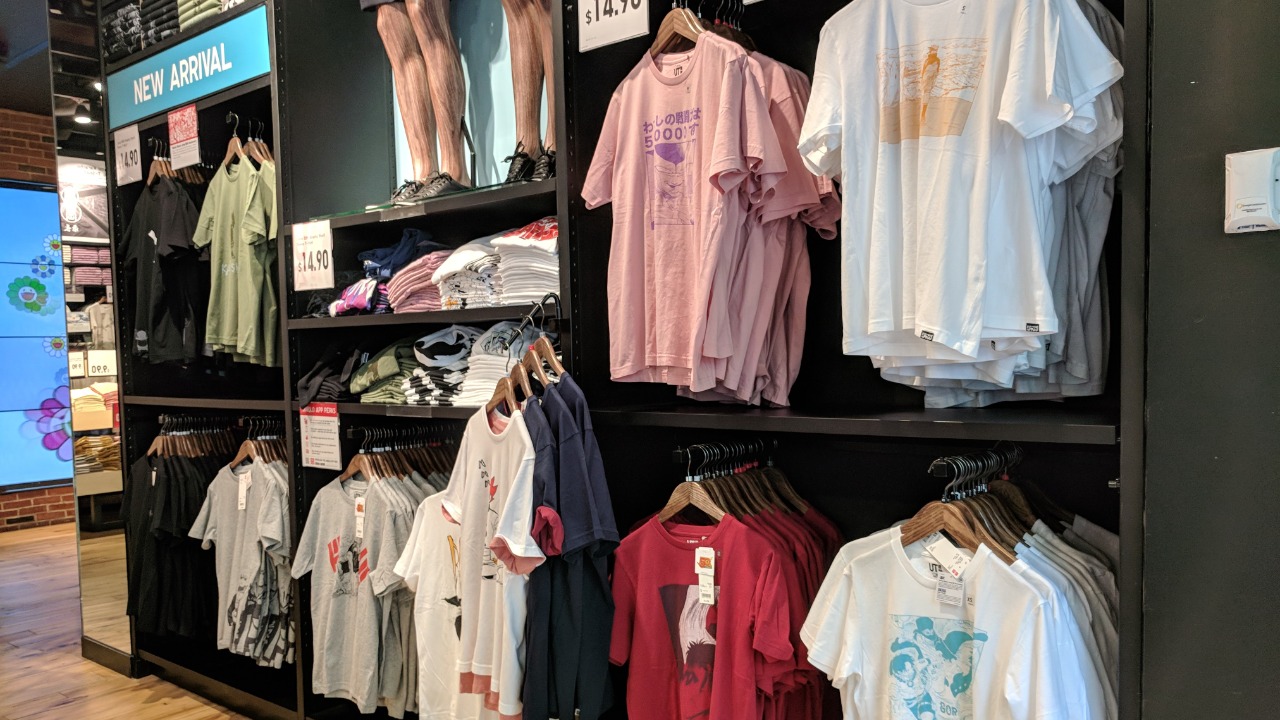
Cooling fabrics have the potential to transform the fashion industry, influencing future trends and consumer behavior. By prioritizing comfort and sustainability, these fabrics could lead to a shift in how clothing is designed and marketed. This evolution might extend beyond traditional apparel, impacting areas like home textiles and outdoor gear.
The implications for lifestyle are significant, as consumers increasingly seek products that enhance their quality of life while minimizing environmental impact. As cooling fabrics become more prevalent, they could redefine the standards of comfort and efficiency in various aspects of daily living, from what we wear to how we stay comfortable indoors. For a look at how innovative fabrics are influencing other areas, explore some of the best baby wraps and slings on the market today, showcasing the blend of comfort and innovation.
