Recent discoveries have sparked a renewed interest in the technologies used by ancient civilizations, suggesting that they were more advanced than previously thought. Evidence from various archaeological findings and studies sheds light on the sophisticated techniques employed by our ancestors. These revelations challenge our understanding of early technological capabilities and compel us to reconsider the timeline of human innovation.
The Growing Body of Evidence

Recent archaeological discoveries have uncovered an array of advanced technological capabilities that ancient civilizations possessed, much to the surprise of modern researchers. For instance, the excavation of sites in Egypt has revealed the use of complex tools and machines, suggesting an understanding of engineering principles that were far ahead of their time. These findings are supported by scientific studies that employ cutting-edge methodologies, such as radiocarbon dating and material analysis, to authenticate the existence of these technologies.
Interdisciplinary approaches have also played a crucial role in uncovering these insights. By bringing together historians, archaeologists, and scientists, these collaborative efforts are painting a more comprehensive picture of ancient technological prowess. This teamwork is not only providing new evidence but also redefining the methodologies used to study ancient artifacts, highlighting the sophistication of our ancestors in ways previously unimagined.
Ancient Egypt: Water-Powered Machines

The ancient Egyptians are renowned for their monumental structures, particularly the pyramids, and recent evidence suggests that water-powered machines may have played a significant role in their construction. This intriguing possibility points to an advanced understanding of hydraulic engineering, allowing them to move massive stones with relative ease. Such innovations highlight the Egyptians’ sophisticated grasp of physics and materials, which is evident in their architectural and engineering achievements.
These findings have profound implications for historical timelines, suggesting that the technological prowess of ancient Egypt was far greater than previously acknowledged. By reexamining the evidence, historians may need to adjust the timeline of technological development in this ancient civilization, recognizing their contributions to the broader history of engineering and innovation.
Prehistoric Innovation: Beyond Stone Tools
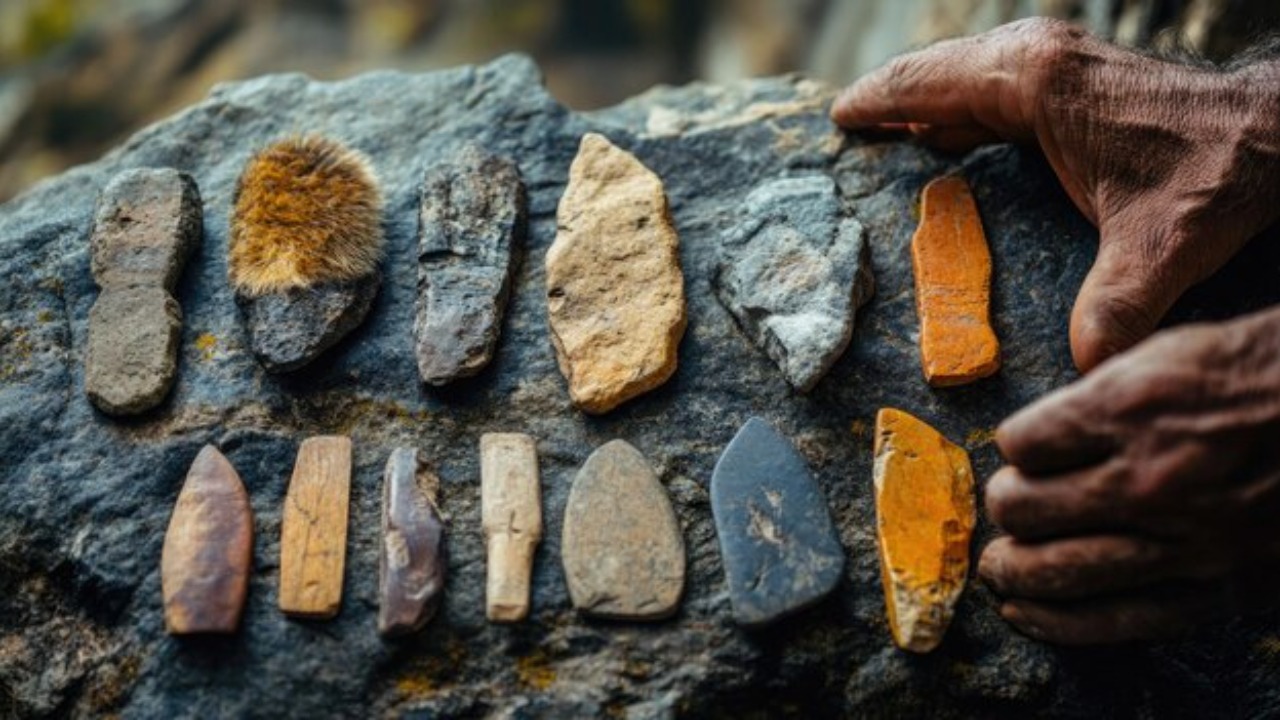
While stone tools are often synonymous with prehistoric technology, recent discoveries indicate that early humans were far more innovative than once thought. Evidence of complex technologies used in early mining operations and construction methods demonstrates a level of sophistication that challenges traditional narratives about prehistoric societies.
These case studies provide compelling examples of early innovation, showcasing how prehistoric humans adapted to their environments using advanced techniques. As researchers continue to delve into these findings, they are reevaluating our understanding of early human capabilities, which could ultimately reshape our perception of technological advancement during this period.
Global Perspectives on Ancient Tech

The study of ancient technologies is not limited to a single region or culture; rather, it is a global phenomenon. Civilizations such as those in the Indus Valley and Mesoamerica developed unique technologies that were adapted to their specific cultural and environmental contexts. This comparative analysis reveals how different societies approached technological innovation, leading to a diverse array of advancements.
Moreover, the interconnectedness of ancient civilizations played a crucial role in the spread of knowledge and technology across regions. Evidence of trade and knowledge exchange highlights how these interactions contributed to the technological landscape, fostering a dynamic environment of innovation and growth across the ancient world.
Future Implications and Research Directions

The potential for new discoveries in the field of ancient technologies remains vast, with ongoing archaeological projects and technological advancements continuing to push the boundaries of our understanding. However, researchers face significant challenges in accurately interpreting these technologies due to the limitations of current methodologies and the often-fragmentary nature of the evidence.
Preserving archaeological sites is of paramount importance, as they hold the keys to unlocking the mysteries of ancient technological advancements. Conservation efforts are essential to ensure that these sites remain intact for future generations, allowing researchers to continue exploring the remarkable ingenuity of our ancestors.
